How to Break a Lease Legally in New York: A Renter's Guide
Breaking a lease in New York can cost you thousands — unless you know your legal rights. This guide covers every protected exit strategy under New York state law.

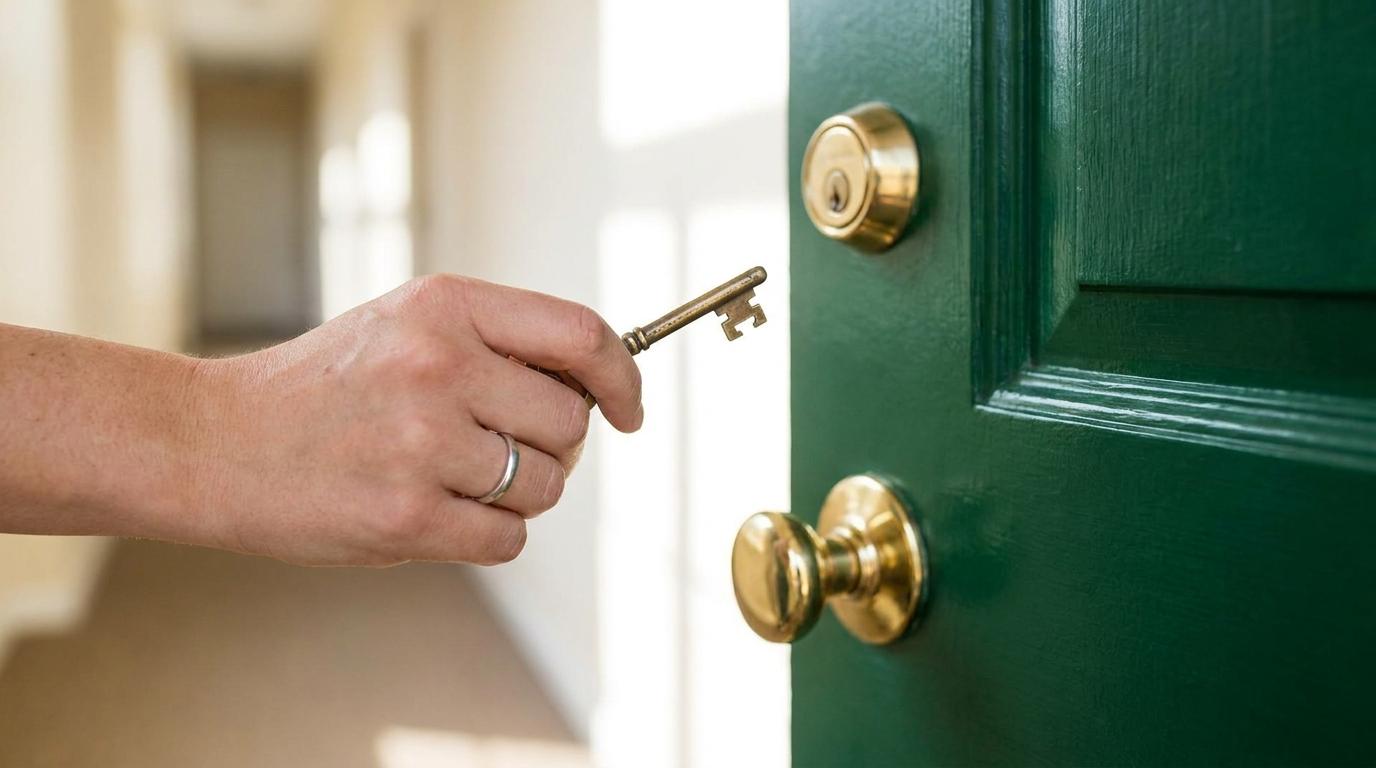
Every year, hundreds of thousands of New York renters find themselves staring at a lease they can no longer honor. A job evaporates. A relationship ends. A landlord refuses to fix the heat. A diagnosis changes everything. Whatever the reason, the question is the same: 'Can I break this lease without destroying my finances and my rental history?' The answer, more often than most renters realize, is yes — but only if you understand the specific legal pathways New York state law provides. This guide walks you through every protected exit strategy available to New York tenants in plain language, so you can make an informed decision before you do anything that could cost you.
Let's start with the stakes. According to data from the New York City Rent Guidelines Board and statewide housing surveys, the average monthly rent across New York State in 2024 was approximately $1,850 — and in New York City, the median climbed to over $3,400 per month. If you have eight months left on a lease and you simply walk away without following proper legal procedures, your landlord could potentially sue you for all eight months of remaining rent — that's $27,200 in New York City alone. Courts in New York have consistently upheld landlords' rights to collect unpaid rent, and a judgment against you can follow your credit report for seven years. The good news: New York has some of the strongest tenant-protection laws in the country, and knowing them is your most powerful tool.
Understanding What 'Breaking a Lease' Actually Means
A lease is a binding contract between you and your landlord. When you sign it, you're agreeing to pay rent for a fixed period — typically one year. Breaking that lease means ending it before the agreed-upon date. In legal terms, this is called 'early termination.' Unless a specific legal protection applies to your situation, early termination exposes you to liability for the remaining rent owed under the contract. However, New York law carves out several important exceptions, and understanding each one is essential before you make any move.
Important: Never just stop paying rent and move out. Even if you believe your landlord has violated the lease, an abrupt abandonment without following proper legal procedures can result in a lawsuit, a negative credit report entry, and significant difficulty renting in the future. Always follow the written notice requirements outlined in this guide.
New York's Duty to Mitigate: Your Landlord Must Try to Re-Rent
One of the most important and frequently misunderstood rules in New York tenant law is the landlord's legal duty to mitigate damages. Under New York Real Property Law and affirmed by the landmark Court of Appeals decision in Rios v. Carrillo and reinforced by Holy Properties Ltd. v. Kenneth Cole Productions, Inc. (1995), New York landlords are required to make reasonable efforts to re-rent your unit after you vacate. This is a significant protection. It means that even if you break a lease without a specific legal justification, you are not automatically on the hook for all remaining rent. You are only liable for the months the unit sits vacant while the landlord makes reasonable re-renting efforts — or until a new tenant signs a lease, whichever comes first.
In practice, this means that if you give your landlord proper written notice, clean the unit, and cooperate with showings, you may only end up owing one or two months' rent rather than the full balance of the lease. Document everything — your move-out condition, any communication about showings, and the date a new tenant moves in. That documentation could save you thousands of dollars.
Legally Protected Reasons to Break a Lease in New York
New York law recognizes several specific situations in which you can terminate your lease early without owing additional rent or facing legal liability. Each comes with its own requirements and notice periods, so read each section carefully.
1. Active Military Duty (Servicemembers Civil Relief Act)
Federal law under the Servicemembers Civil Relief Act (SCRA), 50 U.S.C. § 3955, allows active-duty military members to terminate a lease early without penalty. If you receive orders for a permanent change of station (PCS) or deployment of 90 days or more, you are legally protected. To exercise this right, you must deliver written notice of termination to your landlord along with a copy of your military orders. The lease terminates 30 days after the next rent due date following delivery of that notice. This right applies to all branches of the U.S. Armed Forces, the National Guard when activated under federal orders, and the commissioned corps of the Public Health Service and NOAA.
2. Domestic Violence, Sexual Assault, or Stalking
New York Real Property Law § 227-c provides one of the strongest domestic violence lease-break protections in the nation. If you are a victim of domestic violence, sexual assault, stalking, or human trafficking, you can terminate your lease with as little as one month's written notice — without owing any additional rent beyond that month. To qualify, you must provide your landlord with documentation of the abuse. Acceptable documentation includes: a police report, a court order of protection, a written statement from a licensed social worker, domestic violence counselor, medical professional, or clergy member. Your landlord is legally prohibited from disclosing any of this information. This protection applies to any household member who is a victim, not just the primary leaseholder.
If you are in immediate danger, contact the New York State Domestic Violence Hotline at 1-800-942-6906 before focusing on lease paperwork. Your safety comes first. Legal and housing assistance can follow.
3. Landlord Failure to Maintain a Habitable Unit
Under New York Real Property Law § 235-b, every residential lease in New York contains an implied warranty of habitability. This means your landlord is legally required to maintain your unit in a livable condition regardless of what your written lease says. Conditions that may violate the warranty of habitability include: no heat or hot water, severe mold or water intrusion, pest infestations (rodents, cockroaches, bedbugs), broken windows or doors that compromise security, lack of working plumbing, exposed electrical wiring, or structural hazards. If your landlord fails to address these conditions after proper written notice — typically giving them a reasonable time to respond, usually 10 to 30 days depending on severity — you may have grounds to terminate your lease or pursue a rent reduction through Housing Court.
Before pursuing this route, you must document the problem thoroughly. Take timestamped photos and videos. Send all repair requests in writing — email creates a record, but certified mail is even stronger. File a complaint with your local housing code enforcement agency (in New York City, that's the Department of Housing Preservation and Development, or HPD). An official code violation on record significantly strengthens your legal position. If you skip the documentation step and simply move out, courts will not look favorably on your case.
4. Senior Citizen or Disability-Related Relocation
New York Real Property Law § 227-a provides special protections for elderly and disabled tenants who need to move to a care facility. If you are 62 years of age or older, or have a disability, and your physician certifies that you can no longer live independently and need to move to an assisted living facility, nursing home, or adult care facility, you can terminate your lease early. You must provide at least 30 days' written notice, along with a physician's certification. After proper notice and payment of one additional month's rent, you are released from all further lease obligations.
5. Early Termination Clause in Your Lease
Many leases — particularly those in larger apartment complexes — include an early termination clause that allows you to exit the lease early by paying a predetermined fee, typically one to two months' rent. Read your lease carefully. If this clause exists, follow its exact requirements, which usually include written notice within a specific timeframe (often 30 to 60 days) and payment of the termination fee. This is not a legal right under state law — it's a contractual right — but it can be the cleanest and least complicated way to exit a lease when no other legal protection applies.
6. Landlord Harassment or Privacy Violations
New York Real Property Law § 235 gives tenants the right to 'quiet enjoyment' of their rental unit. If your landlord repeatedly enters without proper notice (New York law generally requires reasonable — typically 24-hour — advance notice except in emergencies), harasses you, shuts off utilities, removes doors or windows, or engages in other illegal self-help eviction tactics, you may have grounds to terminate your lease and pursue damages. Document every incident with dates, times, and photographs. In rent-stabilized apartments in New York City, the Office of Rent Administration handles harassment complaints, and penalties can be severe for landlords found in violation.
Special Considerations for New York City Renters
If you live in New York City, your rights are further shaped by local laws and regulations that go beyond state-level protections. New York City has approximately 1 million rent-stabilized apartments, and those tenants have additional rights that market-rate tenants do not.
- Rent-stabilized tenants have the right to lease renewal and cannot be forced out except for specific legal reasons (non-payment, subletting without permission, using the unit as other than a primary residence, etc.).
- New York City's Local Law 44 and the NYC Housing Maintenance Code set detailed habitability standards that landlords must meet, with HPD as the enforcement agency.
- The NYC Human Rights Law provides broader anti-discrimination protections than state law, covering source of income, immigration status, and other protected categories.
- The NYC Tenant Protection Act of 2019 significantly strengthened protections for rent-stabilized tenants, limiting rent increases and preferential rent manipulations.
- In NYC, tenants can file complaints with the Rent Guidelines Board, HPD, or the Mayor's Office to Protect Tenants (MOPT) for a range of violations.
If you're in a rent-stabilized or rent-controlled unit, breaking your lease is a more nuanced process. You could inadvertently lose your stabilized status or face complications if the process isn't handled correctly. Consider consulting a tenant's rights organization like the Metropolitan Council on Housing or Legal Aid Society before making any moves.
Step-by-Step: How to Break Your Lease the Right Way in New York
Regardless of which legal pathway applies to your situation, the process for breaking a lease correctly in New York follows a consistent sequence. Skip any of these steps and you risk turning a manageable situation into an expensive legal problem.
- 1Review your lease thoroughly. Read every clause, particularly any early termination provision, notice requirements, and move-out procedures. Know exactly what you signed before you do anything else.
- 2Identify your legal basis for early termination. Does one of the protected categories above apply to your situation? If not, you may still be protected by the landlord's duty to mitigate damages, but your exposure is higher.
- 3Gather your documentation. This includes repair requests, photos, medical records, police reports, military orders, or whatever evidence supports your specific situation. The stronger your documentation, the stronger your position.
- 4Send written notice to your landlord. Use certified mail with return receipt requested so you have proof of delivery. Your notice letter should state clearly that you are terminating the lease, cite the specific legal protection you are relying on, your planned move-out date, and your forwarding address for the security deposit.
- 5Comply with the required notice period. For most protected situations in New York, this is 30 days. For some situations, it may be longer. Do not move out before the notice period expires if you want full legal protection.
- 6Document your move-out condition. Take video of every room, every wall, every appliance on the day you return your keys. Have the landlord sign a move-out inspection form if possible. This protects your security deposit.
- 7Return the keys formally. Don't just leave them — provide written confirmation that you've returned the keys on a specific date. This establishes your vacate date clearly.
- 8Follow up on your security deposit. Under New York General Obligations Law § 7-108, your landlord must return your security deposit — along with an itemized statement of any deductions — within 14 days of your move-out date. If they fail to do so, they may forfeit the right to make any deductions.
What Happens If You Break Your Lease Without Legal Justification?
If none of the legal protections above apply to your situation and your lease does not contain an early termination clause, you still have options — they just require more negotiation and potentially some financial outlay.
Negotiate Directly with Your Landlord
Many landlords, particularly individual landlords managing one or a few properties, would rather have a cooperative tenant leave cleanly than deal with an adversarial situation. You can approach your landlord directly, explain your situation honestly, and offer to find a qualified replacement tenant, pay a one-time termination fee, or forfeit your security deposit in lieu of further liability. Get any agreement in writing — a signed lease termination agreement that explicitly releases you from further liability under the original lease.
Subletting Your Apartment
New York Real Property Law § 226-b gives most New York City tenants in buildings with four or more units the right to sublet their apartment — even if the lease says otherwise — with the landlord's consent. The landlord must respond to your sublet request within 30 days, and they cannot unreasonably withhold consent. Outside of New York City, the right to sublet depends on what your lease says and whether your landlord agrees. Note: You remain responsible for the rent if your subtenant doesn't pay, so choose a subtenant carefully. A platform that offers AI-powered tenant screening can be invaluable here, helping you evaluate a potential subtenant's credit, criminal history, and eviction record quickly so you're not flying blind on a decision that could affect your finances.
Lease Assignment
An assignment differs from subletting in that you transfer the entire remaining lease to a new tenant, who then becomes the primary tenant. With an assignment, you are released from future liability (once the landlord approves). Most leases require landlord approval for an assignment, and the new tenant must typically meet the landlord's standard screening criteria. This can be an excellent solution if you find a qualified person who wants to take over your unit.
Protecting Your Credit and Rental History
Breaking a lease — even when done legally and correctly — can have ripple effects on your financial life if not handled carefully. Here's what you need to know about protecting yourself going forward.
- If your landlord reports you to a tenant screening bureau (such as the NRLA or similar services), a negative record can appear in future rental applications even if no court judgment was entered against you.
- Any unpaid rent or damages that go to collections will appear on your credit report and can lower your score significantly.
- If your landlord sues you in Small Claims Court or Civil Court and wins a judgment, that judgment will appear on your credit report for seven years.
- Even a dismissed court case can show up in housing court records, which some landlords and property managers search separately from credit reports.
- Getting a written release from your landlord — confirming that all obligations are satisfied — is the single best protection against future negative reporting.
If you're worried about your rental history, know that some tenant screening reports can be disputed under the Fair Credit Reporting Act (FCRA) if they contain inaccurate information. You have the right to dispute errors with the reporting agency and request a reinvestigation.
Common Mistakes New York Renters Make When Breaking a Lease
After reviewing hundreds of tenant situations, the patterns of costly mistakes are remarkably consistent. Avoid these pitfalls at all costs.
- Stopping rent payments without proper notice or legal justification — this triggers immediate legal vulnerability and can result in an eviction record even if you planned to move out anyway.
- Moving out without returning keys or formally establishing a vacate date — this creates disputes about when your liability ended.
- Failing to document the unit's condition at move-out — leaving you exposed to inflated damage claims that eat into or eliminate your security deposit.
- Making only verbal agreements with the landlord — verbal lease termination agreements are extremely difficult to enforce and easy to dispute.
- Ignoring court notices — if your landlord files a court case, you must respond. Failure to appear results in a default judgment against you, which is very difficult to overturn.
- Assuming the lease is unenforceable without legal consultation — just because a lease clause seems unfair doesn't mean it's legally void.
- Not checking for local ordinances — in New York City and other municipalities, local laws may provide additional protections beyond state law that you're unaware of.
Free and Low-Cost Legal Resources for New York Renters
You don't have to navigate this alone. New York has an extensive network of tenant advocacy organizations and legal aid services, many of which are free to low- and moderate-income renters.
- Legal Aid Society (New York City) — provides free legal representation in housing court for income-eligible tenants; call 212-577-3300.
- Legal Services NYC — offers free legal help on housing matters including lease disputes; visit legalservicesnyc.org.
- Metropolitan Council on Housing (Met Council) — a tenant membership organization offering counseling and advocacy; call 212-979-0611.
- New York State Attorney General's Office — handles landlord-tenant complaints and consumer fraud related to housing; visit ag.ny.gov.
- NYC Housing Court Help Center — walk-in assistance at all five NYC Housing Court locations for self-represented tenants.
- New York State Bar Association Lawyer Referral Service — connects you with private attorneys who offer reduced-fee initial consultations; call 1-800-342-3661.
- Statewide Legal Services of New York — for renters outside of New York City; visit lawny.org.
How Technology Can Help You Navigate a Lease Break
Whether you're a renter trying to understand your situation or a landlord navigating a tenant's early departure, modern property management tools have made the process significantly more transparent and manageable. When you're evaluating a subletter or replacement tenant, running a proper screening check is essential — not optional. VerticalRent's tenant screening service, powered by a TransUnion partnership, gives you access to full credit reports, criminal background checks, and eviction history in minutes. If you're the one being screened by a new landlord after a lease break, this same transparency works in your favor — a clean report speaks louder than any explanation.
For landlords receiving a lease termination notice, tools like VerticalRent's AI maintenance triage feature can also accelerate the documentation of habitability complaints — creating a clear digital record of when issues were reported and how quickly they were addressed. This kind of documentation protects both parties and can often prevent disputes from escalating to court. Transparency, documentation, and clear communication are the three pillars of a lease break that doesn't turn into a legal nightmare.
A Final Word: Know Your Rights Before You Act
Breaking a lease in New York is not the financial catastrophe many renters fear — provided you approach it correctly. The state has built meaningful protections into the law for tenants facing domestic violence, uninhabitable conditions, military service, disability, and more. Even without a specific legal protection, the landlord's duty to mitigate damages significantly limits your financial exposure. The key is to act thoughtfully, document everything, communicate in writing, and use the resources available to you. Don't make decisions based on panic or incomplete information. Understand your situation fully, identify the strongest legal position available to you, follow the proper procedures, and you'll be in a far better position than the thousands of renters who simply disappear from their apartments and hope for the best.
Ready to take control of your rental situation? VerticalRent gives renters, landlords, and property managers the tools they need to handle lease questions, maintenance issues, and screening — all in one place. Frank, VerticalRent's AI assistant, can help you understand lease terms, generate documentation checklists, and walk you through next steps for your specific situation. Visit VerticalRent.com to get started free today.
**Legal Disclaimer** *The information in this article is provided for educational purposes only and does not constitute legal advice. Tenant-landlord laws vary significantly by state, county, and city and may have changed since this article was written. VerticalRent is not a law firm and the author is not an attorney. If you have a specific legal situation, please consult a licensed attorney in your jurisdiction.*
Put this into practice
VerticalRent tools related to this guide
Legal Disclaimer
VerticalRent and its authors are not attorneys, CPAs, or licensed legal or financial advisors, and nothing on this site constitutes legal, tax, or professional advice. The information in this article is provided for general educational purposes only. Landlord-tenant laws, eviction procedures, security deposit rules, and tax regulations vary significantly by state, county, and municipality — and change frequently. Nothing on this site creates an attorney-client relationship. Always consult a licensed attorney or qualified professional in your jurisdiction before taking any action based on information you read here.
Co-founded VerticalRent in 2011, growing it from nothing to 100k landlords and renters. Sold it in 2019, then re-acquired it in 2026 to make it better than ever.


