Habitability Standards in New York: What Your Rental Must Legally Provide
New York renters have some of the strongest habitability protections in the country. Learn exactly what your landlord is legally required to provide — and what to do if they don't.

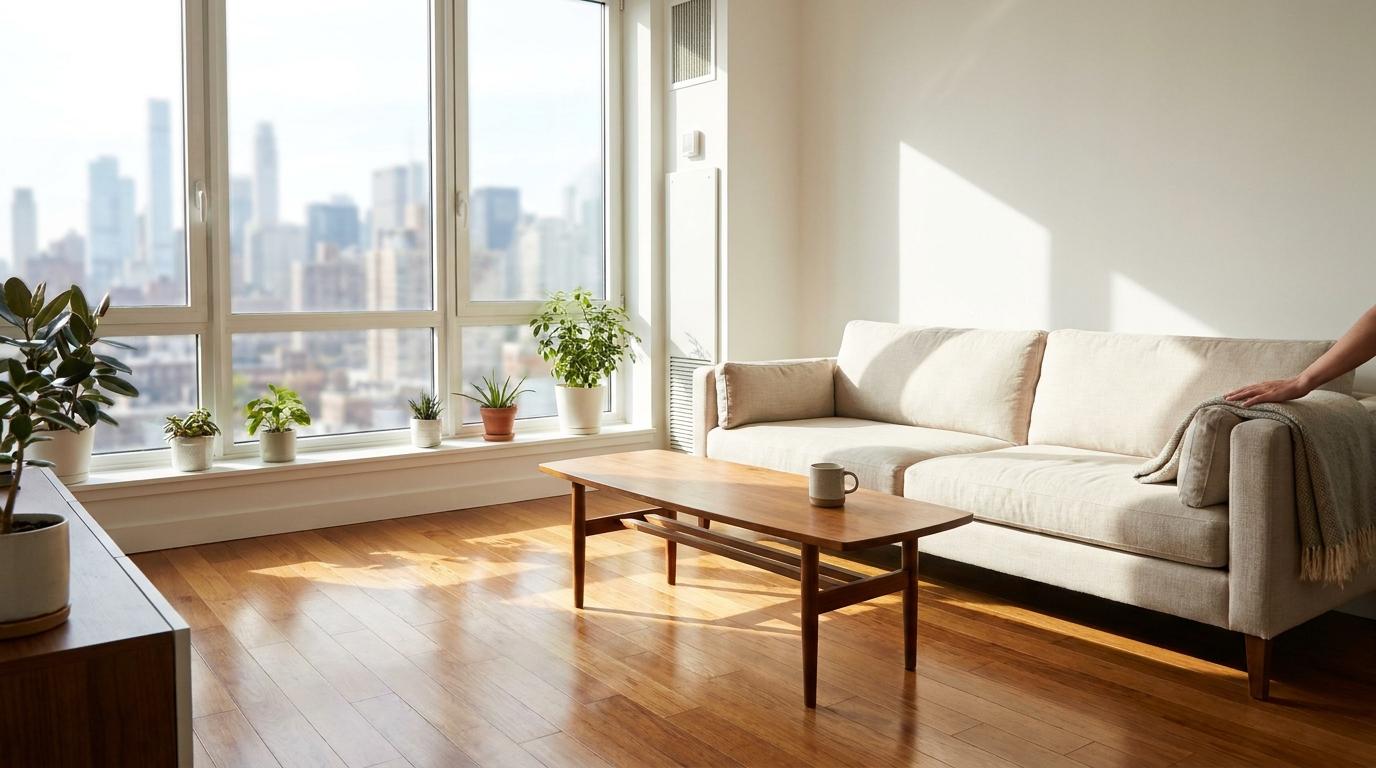
Every year, thousands of New York renters live in conditions that violate the law — crumbling ceilings, broken heat in January, pest infestations, mold creeping up bathroom walls. Many don't realize that their landlord is legally obligated to fix these problems, often within specific timeframes, or face serious financial and legal consequences. According to New York City's Housing Preservation and Development (HPD) agency, inspectors issue hundreds of thousands of housing violation notices annually, with a significant share classified as 'immediately hazardous.' And yet, many tenants never report conditions because they don't know their rights.
Whether you live in a Manhattan high-rise, a Buffalo duplex, or a Queens basement apartment, New York State law guarantees you a home that meets basic standards of habitability. This article breaks down exactly what that means — in plain language — covering state statutes, New York City-specific rules, tenant remedies, and what steps you can take right now if your rental falls short.
The Legal Foundation: New York's Warranty of Habitability
The cornerstone of tenant protection in New York is the implied warranty of habitability, codified in New York Real Property Law (RPL) § 235-b. Enacted in 1975, this statute requires that every landlord of a residential dwelling unit warrant that the premises are fit for human habitation and that there are no conditions dangerous or detrimental to the life, health, or safety of occupants. Critically, this warranty cannot be waived — not by your lease, not by any clause your landlord puts in a contract, not by verbal agreement. If your lease says 'tenant accepts the unit as-is,' that language is unenforceable against habitability standards.
The warranty applies to all residential rental housing in New York, regardless of rent level, building size, or whether the unit is rent-stabilized or market-rate. It covers apartments, houses, rooms, and mobile homes rented for residential purposes. New York courts have consistently held that the warranty is a living, ongoing obligation — not just something satisfied when you first move in. If conditions deteriorate during your tenancy, the landlord must still act.
Key Statute: New York Real Property Law § 235-b guarantees every renter a habitable home. This warranty CANNOT be waived by any lease clause — it is your legal right, automatically built into every residential rental agreement in New York State.
What Does 'Habitable' Actually Mean? The Specific Requirements
Habitability isn't a vague concept under New York law — specific statutes, regulations, and local housing codes define it in considerable detail. The New York State Multiple Dwelling Law (MDL) and the Multiple Residence Law (MRL) set minimum standards for buildings statewide, while New York City augments these with the Housing Maintenance Code (HMC) and the NYC Administrative Code. Understanding which rules apply to your specific situation depends largely on where you live.
Heat and Hot Water: The Most Litigated Requirement
Heat is one of the most common habitability complaints in New York, and the law is remarkably specific. Under New York City's Housing Maintenance Code (§ 27-2029), landlords in NYC must provide heat from October 1 through May 31 — a period known as 'heat season.' During this window, indoor temperatures must reach at least 68°F between 6 AM and 10 PM when outdoor temperatures drop below 55°F, and at least 62°F between 10 PM and 6 AM regardless of outdoor temperature. Hot water must be provided year-round at a minimum temperature of 120°F at the tap.
Outside of New York City, the Multiple Dwelling Law § 79 and Multiple Residence Law § 173 set a statewide heat season from October 15 through May 31, with the same minimum temperature requirements of 68°F during daytime hours. Violations carry real consequences: in NYC, a landlord who fails to provide heat may be fined between $250 and $500 per day for each violation, and the city can even arrange for emergency heat and bill the landlord. In 2022–2023, HPD received over 160,000 heat and hot water complaints citywide.
Structural Integrity and Safe Conditions
Your landlord must maintain the physical structure of your rental in a safe condition. This includes roofs, floors, walls, ceilings, staircases, and foundations. Under the NYC Housing Maintenance Code, structural defects are classified as Class C (immediately hazardous) violations when they pose an immediate danger to life or safety. The MDL § 78 requires that all parts of multiple dwellings — including public areas, roofs, yards, and courts — be kept in good repair and free from vermin infestation.
- Roofs must be watertight and free from dangerous deterioration
- Floors and stairs must be sound, free from holes, and properly maintained
- Ceilings and walls must be free from large cracks, holes, and dangerous defects
- Windows must be weather-tight and in proper working order
- Doors and locks must be functional and secure — NYC law (§ 27-2043) requires specific lock types on exterior doors
- Basements and cellars used as dwellings must meet height, light, and ventilation requirements under MDL § 33
Plumbing, Sewage, and Water Supply
New York law requires landlords to maintain plumbing in good working condition. Every unit must have access to an adequate supply of cold and hot running water, properly functioning toilets, and a bathtub or shower. MDL § 76 mandates that plumbing and drainage systems be maintained in proper working order and free from leaks. If your toilet doesn't flush, your pipes are leaking into walls, or your water pressure has become dangerously inadequate, those are legally actionable habitability violations.
Light and Ventilation
Every habitable room must have adequate natural light and ventilation. Under the NYC Housing Maintenance Code and MDL § 20, rooms used for living or sleeping must have windows that open to the outdoors or to a legal court, with a window area of at least 10% of the room's floor area. Bathrooms without windows must have mechanical ventilation. Landlords cannot block or seal windows in a way that reduces required light and air. If you're living in a 'windowless bedroom' that was illegally subdivided, your landlord may be violating both habitability and zoning laws simultaneously.
Pest and Rodent Infestation
Vermin infestation — rats, mice, cockroaches, bedbugs — is a serious habitability violation in New York. The NYC Housing Maintenance Code § 27-2017.1 specifically addresses bedbug infestations, requiring landlords to provide annual written disclosure of bedbug infestation history and to eradicate any infestation within the building. Landlords must respond to bedbug complaints and arrange extermination within a reasonable time. NYC also requires landlords to maintain buildings free from rodents and pests under § 27-2018. As of 2023, bedbug violations in NYC must be corrected within 30 days of notice. The MDL § 78 imposes similar obligations statewide for multi-unit dwellings.
Mold: A Growing Legal Battleground
Mold is one of the fastest-growing areas of tenant habitability litigation in New York. Under New York City Local Law 55 of 2018 and state guidance, landlords are required to investigate and remediate indoor mold conditions when the affected area exceeds 10 square feet. Buildings with three or more units must have mold assessments and remediation performed by licensed professionals. The NYC Childhood Lead Poisoning Prevention Act and related regulations also require landlords to investigate and correct moisture conditions — the primary cause of mold growth — in units where children under six reside.
Mold Alert: If mold covers more than 10 square feet in your NYC apartment, your landlord is legally required to hire a licensed mold assessor and remediation contractor. Document everything with photos and written complaints — this protects your legal rights.
Lead Paint: Special Protections for Families with Children
New York City has some of the strongest lead paint laws in the United States. Local Law 1 of 2004 (the Childhood Lead Poisoning Prevention Act) requires landlords of pre-1960 buildings (and pre-1978 buildings where the landlord knows lead paint was used) to conduct annual inspections for lead paint hazards in units where children under six live. Landlords must remediate hazardous conditions, and the law applies a 'presumption' that all pre-1960 surfaces contain lead paint — meaning landlords cannot simply claim ignorance.
Statewide, New York's Public Health Law § 1370 requires landlords to disclose known lead paint hazards and provide federally mandated lead paint disclosure forms to tenants before lease signing. Violations of lead paint laws are treated as immediately hazardous Class C violations in NYC, requiring correction within 24 hours in some circumstances. If your child has been tested and found to have elevated blood lead levels, you should contact HPD and your local health department immediately.
Smoke and Carbon Monoxide Detectors: Non-Negotiable Safety Requirements
New York State law, under Executive Law § 378 and the New York State Fire Code, requires working smoke detectors in all residential units. In NYC, Local Law 10 of 2010 and subsequent amendments require carbon monoxide detectors as well. Here's what the law specifically requires:
- Smoke detectors must be installed within 10 feet of every bedroom in all residential units
- Carbon monoxide detectors are required in all NYC dwellings with gas appliances, attached garages, or fuel-burning systems
- In buildings constructed after 2010, combination smoke/CO detectors with 10-year sealed batteries are often required
- Landlords in NYC must provide and install smoke and CO detectors — tenants cannot be required to supply them in rental units
- Detectors must be tested and in proper working condition at the beginning of each tenancy
- Landlords who fail to install detectors can face fines of $1,000 or more per violation in NYC
While some states put the burden of maintaining detectors on tenants, New York City clearly places initial installation responsibility on landlords. If your detectors are missing, broken, or have been removed, notify your landlord in writing immediately and document the condition.
Elevator Maintenance in Multi-Story Buildings
For tenants in New York City's elevator buildings — which number in the tens of thousands — elevator maintenance is a habitability issue, not merely a convenience. NYC Administrative Code § 28-304 requires regular inspections and maintenance of elevators, and persistent elevator outages in buildings where elderly or disabled tenants reside can constitute a habitability violation. HPD tracks elevator complaints and can issue violations requiring landlords to restore service. If you are mobility-impaired and your elevator has been out of service for an extended period, you may have grounds not only for a habitability claim but also for a reasonable accommodation request under the Fair Housing Act and New York City Human Rights Law.
Violation Classifications in New York City: What the Letters Mean
In New York City, housing violations issued by HPD are classified into three categories, and understanding them helps you assess how urgently your landlord must act:
- 1Class A (Non-Hazardous): Minor violations that don't directly affect health or safety — things like peeling paint in a unit with no children, or missing window guards where no children reside. Landlords have 90 days to correct these.
- 2Class B (Hazardous): Conditions that are dangerous but not immediately life-threatening — inadequate heat, roach infestation, broken windows. Landlords generally have 30 days to correct Class B violations.
- 3Class C (Immediately Hazardous): Conditions posing an immediate danger to life or safety — no heat in winter, lead paint hazards, absence of smoke detectors, gas leaks, vermin infestation with Class C classification. These must be corrected within 24 hours for some conditions, or as few as 72 hours for others.
When a landlord fails to correct violations within the prescribed time, HPD can authorize emergency repairs and bill the landlord, place liens on the property, and refer cases to Housing Court. Tenants can search the HPD building complaint and violation database online at hpdonline.hpd.nyc.gov to review the violation history of any NYC building before or during their tenancy.
What to Do When Your Landlord Won't Fix the Problem
Knowing your rights is only half the battle. You need to know how to enforce them. New York gives tenants several powerful tools, and using them correctly can make all the difference.
Step 1: Document Everything
Before you do anything else, document the condition thoroughly. Take date-stamped photographs and videos. Write down when the problem started and any verbal conversations you had with your landlord. Keep copies of all written correspondence. If the problem is heat, use a thermometer and photograph the reading. This documentation is essential if you end up in housing court or pursue a rent reduction.
Step 2: Notify Your Landlord in Writing
Always notify your landlord of the problem in writing — email is acceptable and creates a timestamp, but certified mail creates the strongest paper trail. Describe the problem specifically, reference your rights under RPL § 235-b if appropriate, and state a reasonable deadline for repair. Keep copies of everything. Many tenants lose housing court cases not because their landlord was right, but because they can't prove they gave notice.
Step 3: File a Complaint with the Appropriate Agency
In New York City, file a complaint with HPD by calling 311 or using the 311 website. For heat complaints specifically, calling 311 triggers a formal complaint and can prompt inspector visits. Outside of NYC, tenants can contact their local code enforcement office or building department. In some jurisdictions, the state's Division of Housing and Community Renewal (DHCR) also has jurisdiction, particularly for rent-stabilized apartments.
Step 4: Know Your Legal Remedies
New York law provides tenants with several legal remedies when habitability standards are violated:
- Rent Withholding: Under RPL § 235-b, tenants may be entitled to withhold rent or pay reduced rent when habitability is breached — but this is risky without legal guidance, as landlords can initiate eviction proceedings for non-payment
- Rent Reduction Order: Rent-stabilized tenants can file for a Rent Reduction Order with DHCR, which can freeze or reduce rent until services are restored
- HP Action (Housing Part): You can file an HP proceeding in NYC Housing Court to compel the landlord to make repairs — no attorney required, and filing fees are minimal
- Repair and Deduct: In limited circumstances, tenants may be able to repair minor issues and deduct the cost from rent, but this remedy is narrow and risky in New York — consult an attorney before attempting this
- Constructive Eviction: If conditions are so severe that you are forced to leave the apartment, you may have a claim for constructive eviction, potentially allowing you to break your lease without penalty
- Retaliation Protection: New York RPL § 223-b protects tenants from eviction or other retaliation after they complain to a government agency about housing conditions
Important: Never withhold rent without first seeking legal advice. While the warranty of habitability gives you the right to raise habitability as a defense to eviction, unilaterally withholding rent without following proper procedures can backfire. Contact a tenant advocacy organization or attorney first.
Upstate vs. Downstate: Key Differences to Know
While New York State law sets baseline habitability standards that apply statewide, tenants in New York City benefit from an additional layer of protections under the Housing Maintenance Code that simply doesn't exist elsewhere. If you live outside of the five boroughs — in Albany, Rochester, Syracuse, Yonkers, or Buffalo, for example — your protections are primarily governed by the Multiple Dwelling Law (for cities with populations over 325,000) or the Multiple Residence Law (for smaller municipalities and rural areas). Local municipalities may also have their own housing codes that supplement state law.
For upstate tenants, the enforcement mechanism is typically the local code enforcement office or building department rather than a specialized agency like HPD. The process can be slower and less systematic, which makes documenting conditions and following up persistently even more critical. That said, the core warranty of habitability under RPL § 235-b applies equally across the state — you have the same right to a habitable home whether you're in the Bronx or in Binghamton.
Tenant Resources in New York: Where to Get Help
You don't have to navigate these issues alone. New York has a robust network of tenant advocacy organizations, legal aid societies, and government resources:
- NYC Housing Court: Located in each borough, handles HP actions and landlord-tenant disputes; self-help staff are available to assist unrepresented tenants
- NYC Housing Preservation and Development (HPD): File complaints at 311 or hpd.nyc.gov; inspectors are dispatched for serious conditions
- Legal Aid Society (NYC): Provides free legal representation to income-eligible tenants facing eviction or habitability issues
- Metropolitan Council on Housing (Met Council): Tenant advocacy organization offering advice hotlines and educational workshops
- New York State Homes and Community Renewal (HCR): Oversees rent regulations and can process complaints for rent-stabilized tenants statewide
- Local Legal Aid offices: Available in Albany, Buffalo, Rochester, Syracuse, and other upstate cities for low-income tenants
- New York State Attorney General: Accepts complaints about landlord misconduct and illegal practices
How Technology Can Help You Stay on Top of Your Rights
Renters today have more tools available to them than ever before. Platforms like VerticalRent are building AI-powered features that benefit both landlords and tenants — including tools that make maintenance communication faster and more transparent. VerticalRent's AI maintenance triage feature, for example, helps landlords categorize and prioritize repair requests the moment they come in, reducing the lag time between a tenant's complaint and a landlord's response. When landlords use platforms that log and timestamp maintenance requests, tenants also benefit from a cleaner paper trail.
For renters, the practical takeaway is this: always submit maintenance requests in writing through a trackable channel — whether that's your landlord's property management portal, email, or certified mail. If your landlord uses VerticalRent, your maintenance request is logged with a timestamp the moment you submit it, creating documentation that can protect you if disputes arise. Technology doesn't replace knowing your legal rights, but it can make exercising those rights considerably easier.
A Final Word: Your Home is Your Right
New York has enacted some of the most comprehensive tenant protections in the nation precisely because history has shown that without them, the power imbalance between landlords and renters leads to exploitation. The warranty of habitability, the Housing Maintenance Code, the lead paint laws, the heat requirements — these aren't bureaucratic formalities. They are hard-won protections that exist because advocates, legislators, and courts recognized that housing is a human need, not a luxury.
If your rental falls below these standards, you have options. Document the conditions. Notify your landlord in writing. File a complaint with the appropriate agency. Seek legal help if needed. You are not at the mercy of a landlord who refuses to maintain your home — New York law stands behind you. The key is knowing your rights well enough to assert them confidently.
Are you a landlord or renter looking for a smarter way to manage maintenance requests, lease agreements, and rental communications? VerticalRent's AI-powered platform helps landlords stay compliant and responsive — with AI maintenance triage, state-compliant AI lease generation, and Frank, your always-available AI assistant. Visit VerticalRent.com to learn more and get started for free today.
**Legal Disclaimer** *The information in this article is provided for educational purposes only and does not constitute legal advice. Tenant-landlord laws vary significantly by state, county, and city and may have changed since this article was written. VerticalRent is not a law firm and the author is not an attorney. If you have a specific legal situation, please consult a licensed attorney in your jurisdiction.*
Put this into practice
VerticalRent tools related to this guide
Legal Disclaimer
VerticalRent and its authors are not attorneys, CPAs, or licensed legal or financial advisors, and nothing on this site constitutes legal, tax, or professional advice. The information in this article is provided for general educational purposes only. Landlord-tenant laws, eviction procedures, security deposit rules, and tax regulations vary significantly by state, county, and municipality — and change frequently. Nothing on this site creates an attorney-client relationship. Always consult a licensed attorney or qualified professional in your jurisdiction before taking any action based on information you read here.
Co-founded VerticalRent in 2011, growing it from nothing to 100k landlords and renters. Sold it in 2019, then re-acquired it in 2026 to make it better than ever.


