Rent Control and Stabilization Laws in New York: What Renters Need to Know
New York's rent control and stabilization laws are among the most complex in the nation. Learn your rights, how increases are capped, and what protections apply to your apartment.

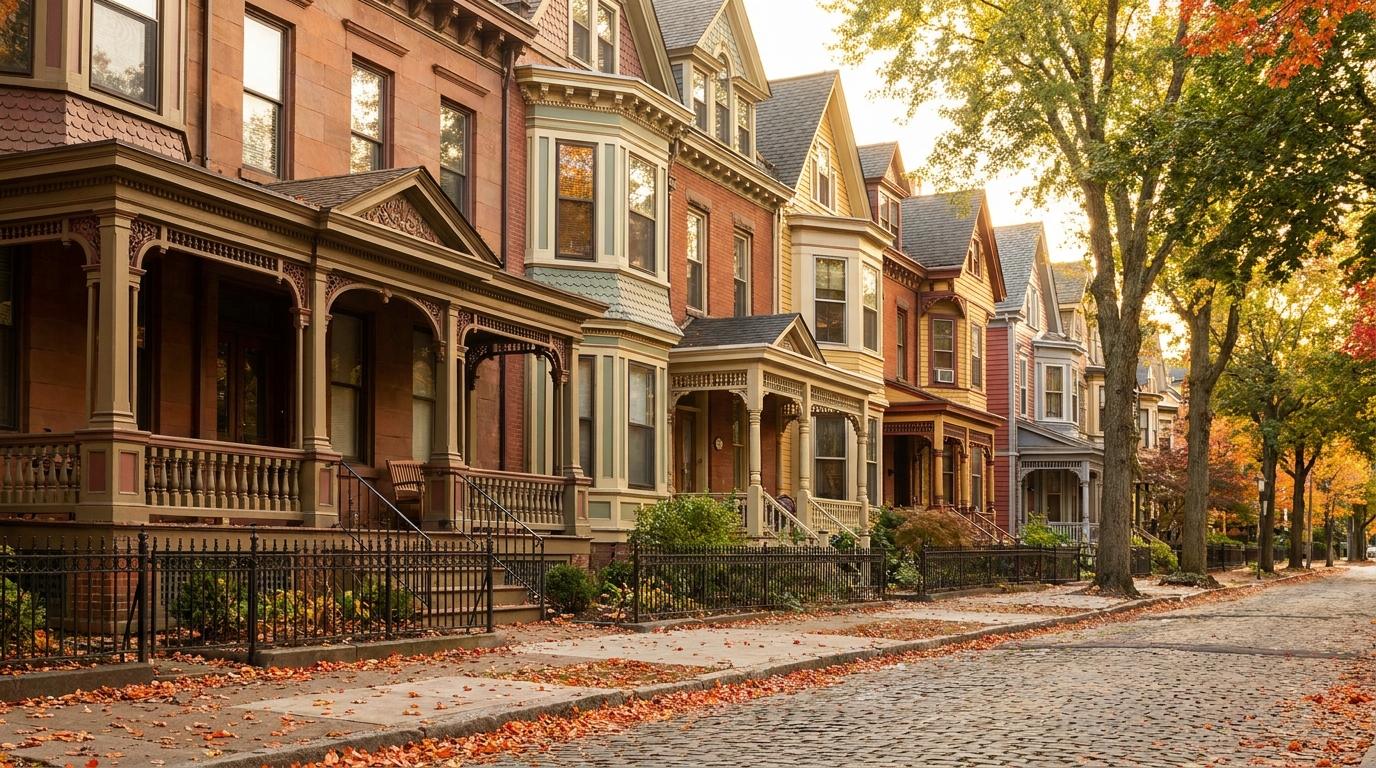
If you live in New York and pay rent, there is a reasonable chance that laws exist specifically designed to limit how much your landlord can charge you — and how fast those charges can rise. New York State is home to one of the oldest and most expansive rent regulation systems in the United States, covering roughly one million apartments in New York City alone, according to the New York City Rent Guidelines Board. Yet despite how widespread these protections are, a significant number of renters don't fully understand whether they qualify, what their landlord can and cannot do, or how to fight back when something feels wrong. This article is designed to fix that.
The landscape of rent regulation in New York shifted dramatically in June 2019, when Governor Andrew Cuomo signed the Housing Stability and Tenant Protection Act (HSTPA) — arguably the most sweeping overhaul of tenant protections in the state's modern history. The law strengthened existing rent stabilization rules, made it significantly harder for landlords to remove apartments from regulation, and extended certain protections statewide. Understanding what changed, what still applies to you, and what your legal remedies are is essential knowledge for every New York renter.
The Two Systems: Rent Control vs. Rent Stabilization
Many people use "rent control" as a catch-all phrase, but in New York, rent control and rent stabilization are legally distinct programs with very different rules. Knowing which one applies to your apartment — if either — determines everything from how much your rent can increase to what grounds your landlord can use to evict you.
Rent Control: The Older, Stricter System
Rent control in New York City is a relic of post-World War II housing policy. It applies to a shrinking pool of apartments — fewer than 20,000 units as of recent estimates — that have been continuously occupied by the same tenant (or their lawful successor) since before July 1, 1971, in buildings constructed before February 1, 1947. These are some of the most strictly regulated apartments in the country. Rent-controlled tenants pay what is called the Maximum Base Rent (MBR), which the city adjusts every two years to reflect operating costs. Landlords can apply for annual increases of up to 7.5% toward reaching the MBR, but only if they are not in violation of housing codes.
Because rent-controlled apartments pass to qualifying family members rather than the open market, their numbers have dwindled steadily for decades. If you are a rent-controlled tenant, you likely already know it. But if you have recently inherited or taken over an apartment from a family member, it is worth verifying your status with the New York State Division of Housing and Community Renewal (DHCR), which oversees the program.
Rent Stabilization: The Broader Protection
Rent stabilization is far more common, covering approximately 966,000 apartments in New York City according to the most recent NYC Housing and Vacancy Survey, plus thousands more in Nassau, Rockland, and Westchester counties through the Emergency Tenant Protection Act. Generally, rent-stabilized apartments are located in buildings with six or more units, built before 1974, where the rent was under a certain threshold before 1993 (the "$2,000 deregulation threshold" that the HSTPA largely eliminated). Post-HSTPA, it is significantly harder for apartments to exit stabilization, making this a more durable protection than it once was.
Key Fact: Before the 2019 Housing Stability and Tenant Protection Act, landlords could remove apartments from rent stabilization if the rent exceeded $2,774 per month and the apartment was vacant or the tenant's household income exceeded $200,000 for two consecutive years. The HSTPA eliminated both of these "luxury deregulation" pathways entirely.
How Are Rent Increases Determined Under Stabilization?
For rent-stabilized tenants, annual rent increases are not left to your landlord's discretion. They are set each year by the New York City Rent Guidelines Board (RGB), a nine-member body appointed by the mayor. The RGB holds public hearings throughout the spring and votes on allowable increases every June, with new rates taking effect on October 1 for leases that begin on or after that date.
For the 2024-2025 lease year, the RGB voted to allow increases of 2.75% for one-year leases and 5.25% for two-year leases. These percentages fluctuate annually based on factors including landlord operating costs, fuel prices, real estate taxes, and prevailing economic conditions. Historically, the increases have ranged from 0% (the board froze one-year lease increases twice during the COVID-19 pandemic in 2020) to as high as 8.5% in inflationary periods.
Vacancy Increases After HSTPA
Before 2019, landlords could raise the rent by 20% when a stabilized apartment became vacant — a practice critics called the "vacancy bonus." The HSTPA eliminated this. Today, landlords can only charge the new tenant the same legal regulated rent the previous tenant paid, plus the RGB's allowable lease renewal increase. This single change significantly slowed the upward pressure on rents in stabilized buildings and made it less financially attractive for landlords to push long-term tenants out.
Individual Apartment Improvements (IAIs)
Landlords can still apply for rent increases based on Individual Apartment Improvements (IAIs) — meaning work done specifically in your unit, such as new appliances, kitchen renovations, or bathroom upgrades. However, the HSTPA dramatically curtailed this pathway. Since 2019, IAI increases are calculated by dividing the cost of the improvement by 168 (if the building has 35 or more units) or 144 (for smaller buildings). The resulting monthly increase is now temporary — it must be removed from the rent after the cost is fully recouped, typically after 14 years. Prior to 2019, these increases were permanent.
Additionally, landlords are now capped at $15,000 in IAI costs per apartment over any 15-year period (previously unlimited), and they can only use this mechanism three times in that 15-year window. Tenants also now have the right to challenge IAI increases before the DHCR within 18 months of the increase taking effect.
Major Capital Improvements (MCIs)
Separate from IAIs, landlords who make building-wide improvements — new roofs, boilers, elevators, or plumbing systems — can apply to the DHCR for a Major Capital Improvement (MCI) rent increase. Under the HSTPA, MCI increases are now also temporary (removed once costs are recouped, capped at a 30-year period), and are capped at no more than a 2% annual increase on each tenant's rent. Previously, MCI increases were permanent and could compound over time, adding substantial amounts to stabilized rents.
How Do You Know If Your Apartment Is Rent Stabilized?
This is one of the most common questions New York renters ask — and unfortunately, the answer requires some legwork. Your landlord is not always forthcoming, and misrepresentation of an apartment's regulatory status is a recognized problem in the city's housing courts.
- 1Check your lease: Rent-stabilized tenants are legally entitled to a lease, and the lease should state that the apartment is rent stabilized. It should also include a Rent Stabilization Lease Rider (a standard DHCR form outlining your rights).
- 2Look up your building's registration: Landlords of rent-stabilized buildings must register with the DHCR every year and file each apartment's legal rent. You can search for your building at the DHCR's online portal (hcr.ny.gov) or use third-party tools like the "Am I Rent Stabilized?" website.
- 3Request your rental history: You can request a complete rental history for your apartment directly from the DHCR. This document shows the registered rent for each year going back as far as records exist. This is critical for detecting overcharges.
- 4Review property tax records: Buildings that benefit from certain tax exemptions (like 421-a or J-51) are often required to offer rent stabilization as a condition of those benefits. NYC's Department of Finance records can help you determine if your building has received such benefits.
- 5Contact a tenant rights organization: Groups like the Met Council on Housing, Housing Court Answers, or the Legal Aid Society can help you determine your status and advise on next steps if you suspect you are being overcharged.
Important: If your landlord has been charging you above the legal regulated rent — a practice known as "rent overcharge" — you may be entitled to a refund. Under the HSTPA, the lookback period for overcharge complaints was expanded. Willful overcharges can result in treble damages (triple the amount overcharged). Don't assume the amount on your lease is the legal rent.
Tenant Protections Beyond Rent Increases
Rent stabilization is not only about limiting rent increases. It comes with a package of protections that govern the entire landlord-tenant relationship, from lease renewals to eviction proceedings.
Right to Lease Renewal
Rent-stabilized tenants have the right to renew their leases indefinitely, as long as they are not in violation of the lease terms. Your landlord must offer you a renewal lease between 90 and 150 days before your current lease expires. If your landlord fails to offer a timely renewal, you have the right to remain in the apartment under the same terms until a proper renewal is offered. Refusing to renew a stabilized tenant's lease without legal cause is not a valid option for landlords.
Succession Rights
If a primary tenant of a stabilized apartment moves out or dies, qualifying family members who have lived in the apartment for at least two years (one year for senior citizens or disabled individuals) may have the right to succeed to the lease and retain stabilization protections. "Family member" is defined broadly under New York law and includes not just spouses and children, but also partners who can demonstrate emotional and financial interdependence — a protection that has benefited LGBTQ+ tenants for decades.
Preferential Rent Protections
Some landlords charge tenants less than the legal regulated rent as a courtesy or to fill a vacancy — this is called a "preferential rent." Before 2019, landlords could raise the rent to the full legal regulated rent at any lease renewal, potentially causing massive rent spikes. The HSTPA largely closed this loophole: landlords may now only raise preferential rents by the RGB-approved percentage at each renewal, and may only revert to the full legal regulated rent in very limited circumstances (primarily when the lease ends and a new tenancy begins with a different tenant).
Protections Against Harassment and Eviction
New York law prohibits landlords from harassing stabilized tenants to force them out. Harassment includes threatening or intimidating tenants, failing to provide essential services (heat, hot water, elevator service), repeated frivolous litigation, and making false statements to the DHCR. If you are subjected to harassment, you can file a complaint with the DHCR or bring an action in housing court. The HSTPA also increased penalties for landlord harassment significantly.
On eviction: a stabilized landlord can only evict you for specific legal reasons — nonpayment of rent, violating lease terms, creating a nuisance, or if the landlord or an immediate family member genuinely needs the apartment for primary residence ("owner use" eviction). Even in those cases, strict notice requirements apply and housing court proceedings must be followed. The "Good Cause Eviction" law, passed in April 2024 as part of the state budget, extended similar protections to many non-stabilized tenants statewide — a major expansion we'll discuss below.
Good Cause Eviction: The 2024 Expansion
In April 2024, New York became only the second state in the country (after Oregon) to pass a statewide "good cause eviction" law. This landmark legislation extended meaningful protections to tenants who are not covered by rent stabilization — including renters in market-rate apartments in New York City and in municipalities across the state that opt into the program.
Under Good Cause Eviction, landlords generally cannot evict a tenant or refuse to renew a lease without a legally specified reason — such as nonpayment, lease violations, nuisance, or the owner needing the unit. Additionally, rent increases above 10% (or 5% plus the Consumer Price Index, whichever is lower) are presumed to be "unreasonable" and can be challenged by tenants in court. This is not a rent cap, but it creates a legal framework for tenants to push back against extreme increases.
- Good Cause Eviction applies to most residential tenants in New York City automatically.
- Outside NYC, municipalities must "opt in" to the law — dozens of cities and towns have already done so, including Albany, Rochester, Kingston, and Newburgh.
- Exemptions include owner-occupied buildings with four or fewer units, condos and co-ops, newer construction (buildings completed within the last 30 years), and units renting above a local median income-based threshold.
- Tenants covered by rent stabilization already have stronger protections and are not primarily affected by Good Cause Eviction, which mainly helps the previously unprotected market-rate renter population.
- If your landlord claims an exemption, they must include specific language in your lease or provide written notice — silence does not automatically mean you are exempt.
Rent Stabilization Outside New York City
Rent stabilization is not exclusively a New York City phenomenon. Through the Emergency Tenant Protection Act (ETPA) of 1974, municipalities in Nassau, Rockland, and Westchester counties can opt into rent stabilization for buildings with six or more units built before 1974 — provided they can demonstrate a residential vacancy rate below 5%. Several municipalities have done exactly this in recent years as the suburban housing shortage intensified.
The city of Mount Vernon in Westchester enacted rent stabilization in 2022. The city of White Plains, various villages in Nassau County, and other municipalities have explored or implemented opt-ins under the ETPA. If you live in suburban New York outside the city limits, you should check with your local government or a tenant advocacy group to determine whether your building is covered. The rules that apply — overseen by the DHCR — are the same as those governing stabilized apartments in New York City.
Filing a Complaint: What to Do If Your Rights Are Violated
Knowing your rights is only half the battle. Knowing how to enforce them is equally important. Here are the primary avenues available to New York renters who believe their rights have been violated.
- 1File a complaint with the DHCR: The Division of Housing and Community Renewal handles complaints related to rent overcharges, failure to register the apartment, failure to provide required services, and landlord harassment. Complaints can be filed online at hcr.ny.gov. The DHCR has the authority to order rent reductions and refunds.
- 2Bring a housing court proceeding: If your landlord is attempting to evict you unlawfully or is failing to maintain your apartment in habitable condition, you can appear in Housing Court (in NYC) or your local civil court and assert your defenses and counterclaims. Many disputes — including rent strikes for lack of heat or repairs — are litigated here.
- 3Contact 311 (NYC) or your local code enforcement: Building violations — no heat, rodent infestations, broken elevators — are matters for the Department of Buildings (DOB) or the Department of Housing Preservation and Development (HPD) in NYC. Racking up violations can support a rent reduction order from the DHCR.
- 4Seek legal assistance: New York City operates the Universal Access to Counsel program, which guarantees free legal representation to low-income tenants in housing court proceedings. If you qualify, you are entitled to a lawyer at no cost. Contact Legal Aid, Legal Services NYC, or a neighborhood-based legal services organization.
- 5Contact a tenant organizing group: Organizations like Met Council on Housing, the Association for Neighborhood and Housing Development (ANHD), or local tenant unions can provide guidance, connect you with legal resources, and help you organize with neighbors if the problem is building-wide.
Statute of Limitations Alert: Rent overcharge complaints filed with the DHCR must generally be filed within four years of the first overcharge. However, the lookback period for calculating damages can extend further back, particularly in cases of fraud. Don't wait if you suspect you are being overcharged — time limits can affect your recovery.
Common Myths About Rent Stabilization
Misinformation about rent stabilization is pervasive — spread by landlords, well-meaning friends, and outdated online resources alike. Here are some of the most common myths, and the facts that counter them.
- Myth: 'My landlord told me the apartment was deregulated, so I have no protections.' Fact: Deregulation claims must be verifiable. Many apartments were improperly deregulated before the HSTPA, particularly in buildings that received J-51 or 421-a tax benefits. Courts have ordered apartments returned to stabilized status in numerous such cases. Always verify independently.
- Myth: 'If I sublet my apartment, I lose my stabilization rights.' Fact: Subletting is allowed under rent stabilization with proper notice and approval, and it does not forfeit your rights. Your landlord may not unreasonably withhold consent to a sublet. However, you cannot charge your subtenant more than your legal regulated rent plus a 10% premium if the apartment is furnished.
- Myth: 'New construction is always exempt from rent stabilization.' Fact: This is generally true for market-rate new construction, but buildings that received 421-a tax exemptions — which were extremely common — were required to offer rent stabilization as a condition. Many newer buildings built in the 1980s, 1990s, and 2000s have stabilized units because of this. Check if your building received tax benefits.
- Myth: 'I make too much money to qualify for rent stabilization.' Fact: Since 2019, there is no income-based deregulation threshold for stabilized apartments. Your income is irrelevant to your stabilization status.
- Myth: 'My landlord can raise my rent by any amount between tenants.' Fact: Under post-HSTPA rules, vacancy increases are strictly limited. The landlord can only charge the prior legal regulated rent plus the RGB's allowable increase — the 20% vacancy bonus is gone.
Using Technology to Stay Informed and Protected
Navigating New York's rent laws is complex, and renters increasingly need tools that help them track lease terms, understand their rights, and document issues with their landlord. Platforms designed with renters in mind can make a significant difference. VerticalRent's AI-powered platform, for instance, includes Frank — an AI assistant that can help renters understand lease terms, clarify what clauses mean, and flag language that may be inconsistent with applicable law. When you're staring at a 30-page lease and wondering what the preferential rent rider actually says about your renewal rights, having an AI that can explain it in plain English is a genuine advantage.
Beyond lease comprehension, keeping organized records is one of the most important things any renter can do. Document every communication with your landlord in writing. Keep copies of every lease, every renewal, and every rent receipt. If you ever need to file a DHCR complaint or appear in housing court, your paper trail will be your most valuable asset. Digital tools that centralize this documentation make it far easier to retrieve what you need when you need it.
Key Takeaways for New York Renters
New York's rent regulation system is vast, evolving, and genuinely powerful for the tenants it covers. The 2019 HSTPA and the 2024 Good Cause Eviction law represent the most significant expansions of tenant protections in a generation. But these laws only protect you if you know about them and are willing to assert your rights. Landlords who violate the law often do so because they expect tenants not to push back.
- Verify your apartment's regulatory status independently — do not rely solely on what your landlord tells you.
- Request your apartment's rental history from the DHCR to check for overcharges.
- Know the annual RGB-approved rent increase percentage — any increase above that for a stabilized apartment deserves scrutiny.
- Understand that succession rights, renewal rights, and harassment protections are part of your stabilization package — not just rent increase limits.
- If you are not stabilized, the Good Cause Eviction law may still offer you meaningful protection against large rent increases and no-fault evictions — check if your municipality has opted in.
- Document everything and don't hesitate to file complaints with the DHCR or seek legal assistance.
- Tenant advocacy organizations, legal aid groups, and housing courts exist to help you — use them.
The housing market in New York has never been easy to navigate, but the legal framework protecting renters has arguably never been stronger than it is today. Staying informed, staying organized, and knowing where to turn when something is wrong are your most powerful tools as a New York renter.
VerticalRent is building a smarter rental experience for everyone — renters and landlords alike. Whether you need help understanding a lease, tracking rent payments, or communicating with your landlord in writing, VerticalRent's platform and Frank, our AI assistant, are designed to make the process more transparent and less stressful. Visit VerticalRent.com to explore tools built for the modern renter.
Legal Disclaimer
The information in this article is provided for educational purposes only and does not constitute legal advice. Tenant-landlord laws vary significantly by state, county, and city and may have changed since this article was written. VerticalRent is not a law firm and the author is not an attorney. If you have a specific legal situation, please consult a licensed attorney in your jurisdiction.
Put this into practice
VerticalRent tools related to this guide
Legal Disclaimer
VerticalRent and its authors are not attorneys, CPAs, or licensed legal or financial advisors, and nothing on this site constitutes legal, tax, or professional advice. The information in this article is provided for general educational purposes only. Landlord-tenant laws, eviction procedures, security deposit rules, and tax regulations vary significantly by state, county, and municipality — and change frequently. Nothing on this site creates an attorney-client relationship. Always consult a licensed attorney or qualified professional in your jurisdiction before taking any action based on information you read here.
Co-founded VerticalRent in 2011, growing it from nothing to 100k landlords and renters. Sold it in 2019, then re-acquired it in 2026 to make it better than ever.


