Service Requests vs Incidents: Property Management 2026
Master service requests vs incidents in property management. This 2026 guide helps landlords triage, prioritize, & manage tenant issues efficiently.

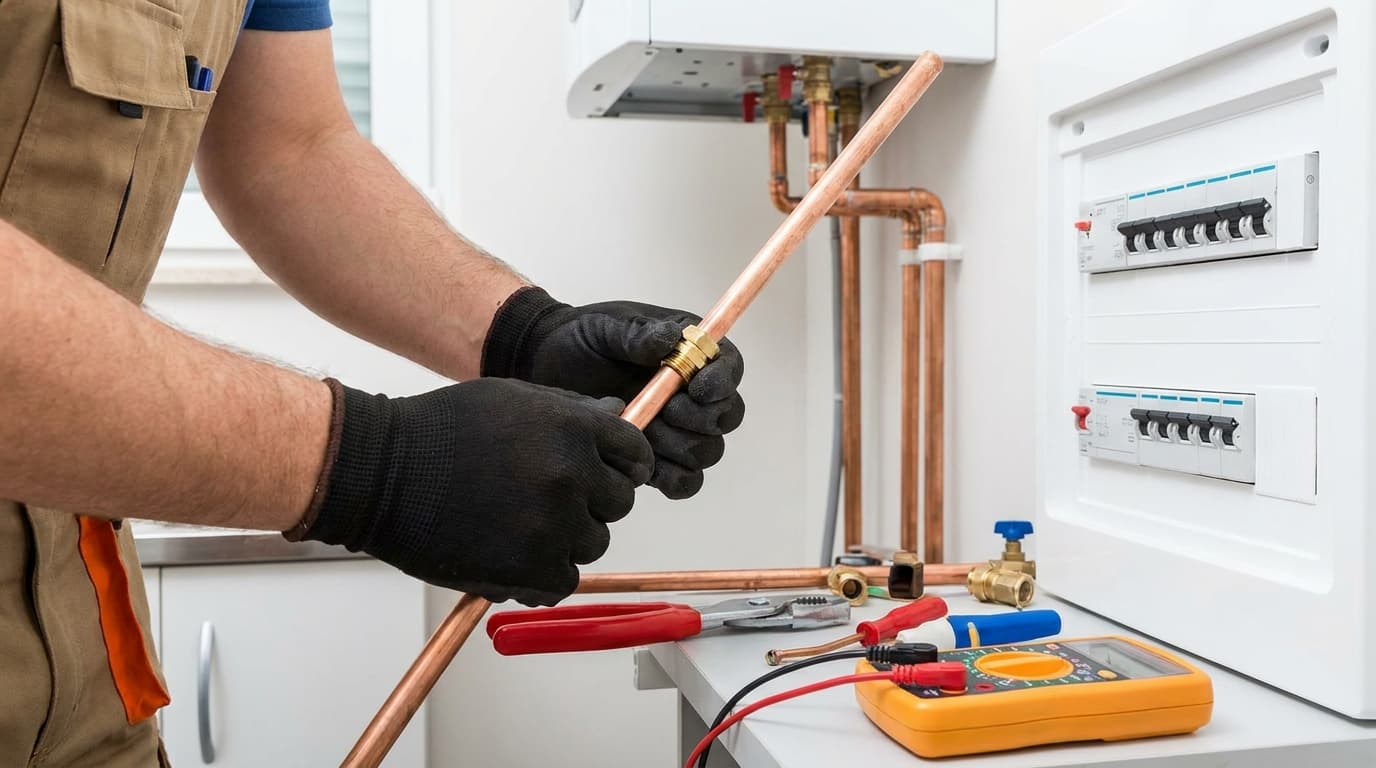
You're probably dealing with this already. A tenant texts that water is leaking under the kitchen sink. Two minutes later, another tenant asks if you'll approve a new ceiling fan in the bedroom. Both messages land in the same inbox. Both look like “maintenance.” Only one can turn into cabinet damage, mold, and an after-hours plumbing call if you wait.
That's why landlords need a clean way to separate service requests vs incidents.
In IT service management, an incident is an unplanned interruption or degradation of service, while a service request is a planned request for routine fulfillment. That framework comes from ITIL and is reflected in guidance such as Cornell IT's distinction between incidents, requests, problems, and changes. For landlords, the language is different, but the logic fits almost perfectly. A broken lock, no heat, or an overflowing toilet is about restoring normal living conditions. A request for a different fixture, an extra key, or a cosmetic upgrade is about fulfilling a defined need.
When you treat both the same way, you create expensive confusion. Urgent problems sit too long, routine asks jump the line, vendors get poor instructions, and tenants lose confidence. When you classify them correctly, your day gets simpler. You know what needs immediate dispatch, what can be scheduled, what needs owner approval, and what belongs in a standard work order queue.
Why Distinguishing Requests from Incidents Matters for Landlords
A landlord with a small portfolio rarely has a dispatch team, a call center, and a maintenance coordinator. Usually, one person is doing all three jobs. That's why classification matters so much. If you misread the issue at intake, everything that follows gets slower.
Take a common afternoon. One tenant says the bathroom exhaust fan is noisy and wants it replaced. Another says the toilet at a different unit is backing up. If you put both into the same “maintenance” bucket and answer them in order received, you risk handling a routine comfort issue before a habitability issue.
That mistake costs money in ordinary ways. Water spreads. Flooring gets damaged. A tenant gets frustrated because they think you ignored an urgent repair. Your vendor arrives without context and either brings the wrong tools or has to come back.
Practical rule: If the issue affects safety, habitability, access, or normal function, don't treat it like a standard request.
The distinction also protects your time. A service request usually needs a decision. Do you approve it, deny it, charge for it, or schedule it later? An incident needs action first. You're trying to restore normal conditions, not debate upgrades.
For independent landlords, this isn't corporate jargon. It's a working filter for real property operations. When you know the difference, your inbox becomes easier to manage, your vendors get clearer instructions, and your tenants get responses that match the problem in front of them.
What Is an Incident and What Is a Service Request
The easiest way to think about this in property terms is simple. Incidents break normal living conditions. Service requests ask for something planned, routine, or improved.

What counts as an incident in a rental
An incident is an unplanned problem that interrupts how the unit is supposed to function. Something was working, or should be working, and now it isn't. The job is to diagnose the problem, stop further damage if needed, and restore normal use.
In rental housing, incidents usually include:
- Water problems: A burst supply line, active leak under a sink, overflowing toilet, or water heater failure.
- Access and security problems: A front door lock that won't secure, a garage door that won't close, or a broken window that affects security.
- Critical systems failures: No heat when heat should be operating, no hot water, power loss affecting the unit, or an AC system that's no longer cooling.
- Appliance failures when they're part of the lease: A refrigerator that stops working or a stove that won't turn on.
These issues need troubleshooting, not just scheduling. You may need photos, a phone call, temporary instructions, and an immediate vendor dispatch depending on severity.
A leaky faucet can be routine. A pipe actively soaking the vanity is not. The category depends on whether normal function has been interrupted and whether damage is happening now.
What counts as a service request in a rental
A service request is a planned ask that follows a known fulfillment path. Nothing necessarily broke. The tenant wants something added, changed, clarified, or handled as routine maintenance.
Typical service requests include:
- Upgrades or changes: Requesting a new ceiling fan, a different shower head, new blinds, or a paint color change.
- Routine fulfillment: Replacing light bulbs in landlord-maintained common areas, providing copies of appliance instructions, or arranging a standard filter change if that's owner-managed.
- Access or convenience requests: Asking for an extra key, gate remote, parking tag, or copy of move-in documentation.
- Performance improvements: Wanting a stronger AC unit, more shelving, or a faster internet setup where the existing service is functioning as expected.
These requests are usually easier to standardize. They may require approval, tenant payment, scheduling, or a documented policy response. They don't belong in the same lane as a repair emergency.
The key for landlords is not to overcomplicate it. If the tenant is asking you to restore normal use, think incident. If the tenant is asking you to provide, upgrade, or arrange something expected through a normal process, think service request.
Key Differences Between Incidents and Service Requests
The definitions help, but landlords make decisions faster when they can compare the two side by side.
Incident vs. Service Request at a Glance
| Attribute | Incident | Service Request |
|---|---|---|
| Purpose | Restore normal function | Fulfill a planned or routine need |
| Trigger | Something broke, stopped, or degraded | Tenant asks for an item, change, or standard task |
| Urgency | Higher, often time-sensitive | Lower, usually scheduled |
| Response expectation | Fast acknowledgment and diagnosis | Process update, approval, and scheduling |
| Financial risk | May involve active damage or habitability issues | Usually controlled and predictable |
| Resolution path | Reactive troubleshooting | Predefined fulfillment workflow |
| Typical examples | Leak, lock failure, no cooling, appliance outage | New ceiling fan, extra key, cosmetic change |
A practical benchmark from IT service management says 80% of IT service interruptions are caused by incidents, which is one reason incident handling gets priority in structured operations, while service requests are typically handled through catalogs, portals, and automation according to GB Advisors on incident vs. service request management. Property maintenance works the same way in spirit. The disruptive issues are the ones that demand your immediate attention.
Purpose drives the whole workflow
An incident exists to restore service. In landlord terms, that means getting the rental back to normal use. If a tenant can't lock the door, flush the toilet, or cool the unit properly, your focus is not paperwork. It's restoration.
A service request exists to fulfill a need. The tenant may want a new fixture or an additional convenience item. That's a valid request, but it doesn't carry the same operational purpose.
Main difference: Incidents are about recovery. Service requests are about fulfillment.
Landlords often create delays by asking approval questions too early on an incident. If there's active water, you don't start with, “Can this wait until Thursday?” You stop the damage first.
Urgency changes how you staff it
Incidents are time-sensitive. In ITIL-based guidance, incidents are unplanned interruptions or service reductions, so teams usually measure response and restoration in hours or minutes. Service requests don't imply service degradation and can often move through scheduled or automated workflows, as explained in Alloy Software's discussion of incident vs. service request handling.
For landlords, that translates cleanly:
- Incident handling: Immediate acknowledgment, quick information gathering, and the right vendor now.
- Service request handling: Review, approval if needed, and a scheduled appointment window.
The mistake I see most often is landlords using the same vendor instructions for both. “Please contact tenant and set a time” works for a ceiling fan estimate. It fails for a leak behind a wall.
Cost control depends on the category
Incidents can become expensive because delay can multiply the repair. A small leak can affect drywall, cabinets, baseboards, and flooring. A failed lock can become a security issue. A non-working refrigerator can turn into a tenant dispute if the response drags.
Service requests are easier to budget because the work is usually optional, predefined, or subject to approval. You can compare quotes, group similar tasks, or schedule during normal rounds.
That's why classification is a cost-control tool, not just an admin label.
Resolution paths are not the same
Incidents usually need diagnosis. You may not know whether the problem is a clogged line, failed valve, tripped breaker, worn motor, or tenant misuse until someone investigates.
Service requests usually follow a known path:
- Tenant submits the request.
- You decide whether it's allowed.
- You confirm who pays.
- You schedule fulfillment if approved.
- You document completion.
If the path is repeatable and policy-based, it's probably a service request. If the path starts with finding out what went wrong, it's probably an incident.
That one distinction makes routing much cleaner.
How to Triage and Route Tenant Issues Effectively
Landlords don't need a complicated framework. They need a repeatable one. Good triage starts the moment the message arrives, not after three rounds of back-and-forth.

Start with one question
HDI offers a useful classification test. If a user reports that a service is not performing normally, that's an incident. If they want better-than-normal performance, that's a service request, as outlined in HDI's guidance on incidents or requests.
That rule works well in rentals.
- The AC runs but isn't cooling the apartment normally. Incident.
- The tenant wants a larger or more powerful AC unit. Service request.
- The faucet handle fell off and water won't shut off correctly. Incident.
- The tenant wants a more modern faucet. Service request.
Ask that question first and many gray-area tickets become obvious.
A simple landlord triage workflow
When a tenant reports an issue, use this sequence:
Assess the current condition
Is something broken, unsafe, inaccessible, or causing damage right now? Get photos or video if the issue isn't obvious.Categorize the issue
Decide whether it's an incident or a service request. Don't leave it in a generic maintenance bucket.Set urgency
Incidents need a response based on severity. Some require immediate dispatch. Others still count as incidents but can wait for next-available service if no active damage or safety issue is present.Assign correctly
Send incidents to the vendor who can diagnose and restore function. Route service requests to a scheduled queue, approval step, or standard work order process.Communicate the next step
Tell the tenant what happens now. For incidents, that usually means response timing and any immediate safety instruction. For service requests, it means approval status and scheduling expectations.
A lot of after-hours stress comes from weak intake. If your current process is “tenant texts whatever they want to your phone,” it helps to use a structured intake form or a guided system. For owners who need help covering calls outside business hours, this overview of 24/7 support for property managers is useful because the quality of first contact often determines whether an issue is routed correctly.
Later, if you want to tighten your process further, this guide on AI maintenance triage for landlords shows what a more structured front door can look like.
A quick visual helps when you're setting up your own workflow or training an assistant:
What good routing looks like
Good routing is specific. “Send to maintenance” is not routing.
Use instructions like these instead:
- For an incident: “Kitchen sink leak, active water under cabinet, tenant home now, plumber should call en route.”
- For a service request: “Tenant requesting ceiling fan install in bedroom. Quote first. Owner approval required before scheduling.”
Clear routing notes save time twice. The vendor knows what to bring, and the tenant knows what to expect.
That's how you stop routine requests from clogging urgent repair work.
Communication Templates and Best Practices
Tenants usually don't care what label you use internally. They care whether your response matches the seriousness of the problem. Good communication keeps them calm during incidents and sets fair expectations for service requests.
Template for an incident acknowledgment
Use a response that confirms urgency and collects what your vendor needs.
Template
Hi [Tenant Name], thanks for reporting this. I'm treating this as a maintenance issue that may need prompt attention. Please send photos or a short video if you can, and let me know:
- Current condition: Is the issue still happening right now?
- Damage risk: Is there active leaking, sparking, loss of access, or anything unsafe?
- Access details: Are you available for vendor entry today, and what's the best phone number for coordination?
If there's active water, please shut off the nearest valve if it's safe to do so. If there's an electrical hazard or immediate safety concern, move away from the area and let me know right away. I'm arranging the next step now and will update you shortly.
This kind of message does two things well. It shows movement, and it gets the details needed for proper dispatch.
Template for a service request response
A service request response should be clear, calm, and process-based.
Template
Hi [Tenant Name], thanks for sending this in. I've logged it as a routine maintenance or improvement request. I'm reviewing whether it falls under standard owner responsibility, needs approval first, or can be scheduled directly.
I'll follow up with one of these next steps:
- Approved for scheduling: I'll send timing options.
- Needs estimate or owner review: I'll confirm after I've reviewed cost and scope.
- Not included: I'll explain the policy and any options available.
Thanks for your patience. I'll keep you updated once I have the scheduling or approval details.
For landlords who want a cleaner paper trail from intake through completion, a dedicated maintenance work order system for rentals makes these updates easier to send consistently.
Best practices that reduce back-and-forth
A few habits make a big difference:
- Define emergencies in the lease: Spell out what counts as urgent maintenance and how tenants should report it.
- Require photos when possible: A blurry description creates delay. A photo often tells you whether you need a plumber, electrician, or handyman.
- Separate approval language from repair language: Don't answer a leak the same way you answer a fixture upgrade.
- Give vendors context: Tell them whether they're walking into diagnosis or routine fulfillment.
- Close the loop: After the work is done, confirm completion with the tenant and note anything that still needs follow-up.
Most landlord communication problems aren't really communication problems. They start with poor classification.
How to Automate Maintenance Management with VerticalRent
Manual maintenance handling breaks down at intake. The tenant sends a vague message. You ask follow-up questions. You try to decide whether it's urgent. Then you copy details into a text thread for a vendor and hope nothing gets missed. That process works until you're busy, asleep, or away from your phone.
Why automation helps with classification
Recent guidance around service management points to a shift toward AI-assisted intake, triage, and workflow automation, where the system helps classify issues, route them, and reduce handling time for both incidents and service requests, as discussed in IFS on service requests, incidents, and automation.
For landlords, that matters most at the front door. A structured maintenance form can ask the right questions before you ever read the ticket. Is the issue happening now? Is anything unsafe? What room is affected? Can the tenant upload photos? Is this a repair, a replacement request, or an upgrade ask? Better intake produces better classification.

Where landlords usually lose time
Most wasted time shows up in four places:
- Unstructured submissions: Tenants describe everything differently, so every issue starts with interpretation.
- Manual routing: You decide from scratch who should handle each ticket.
- Fragmented communication: Tenant messages, vendor texts, and owner notes live in different places.
- No standard queue: Incidents and service requests compete for attention in the same inbox.
This is the same reason other field-heavy businesses rely on operational systems rather than phone calls and memory. If you're interested in how routing and dispatch discipline works in adjacent service industries, this overview of logistics management software is a useful comparison point.
What an automated workflow should do
For a small landlord, the ideal setup is straightforward:
- Capture structured issue details from the tenant at submission.
- Help classify the ticket so incidents and service requests don't enter the same queue blindly.
- Route the work to the right vendor or internal process.
- Track status centrally so you can see what's open, what's scheduled, and what's complete.
- Keep all communication attached to the job record.
If you want to see what that looks like in a rental-specific system, VerticalRent's maintenance management features are designed around that workflow. The practical advantage isn't just convenience. It's consistency. The platform gives tenants a structured way to report issues, supports AI-assisted triage, and helps landlords coordinate vendor dispatch and status tracking without relying on scattered text threads.
That's what makes service requests vs incidents easier to manage in practice. You stop deciding everything from scratch. You build a repeatable process that handles emergencies quickly and routine requests professionally.
If you want a simpler way to sort maintenance issues, route vendors, and keep every repair in one place, VerticalRent gives independent landlords a practical system for intake, AI triage, dispatch, and tracking. It's built for small portfolios that need professional maintenance operations without adding more admin work.
Put this into practice
VerticalRent tools related to this guide
Legal Disclaimer
VerticalRent and its authors are not attorneys, CPAs, or licensed legal or financial advisors, and nothing on this site constitutes legal, tax, or professional advice. The information in this article is provided for general educational purposes only. Landlord-tenant laws, eviction procedures, security deposit rules, and tax regulations vary significantly by state, county, and municipality — and change frequently. Nothing on this site creates an attorney-client relationship. Always consult a licensed attorney or qualified professional in your jurisdiction before taking any action based on information you read here.
Co-founded VerticalRent in 2011, growing it from nothing to 100k landlords and renters. Sold it in 2019, then re-acquired it in 2026 to make it better than ever.


