Security Deposit Laws in Nebraska: What Landlords Can and Can't Take
Nebraska renters lose millions in security deposits every year — often unfairly. Learn exactly what the law says landlords can and can't deduct before you sign or move out.

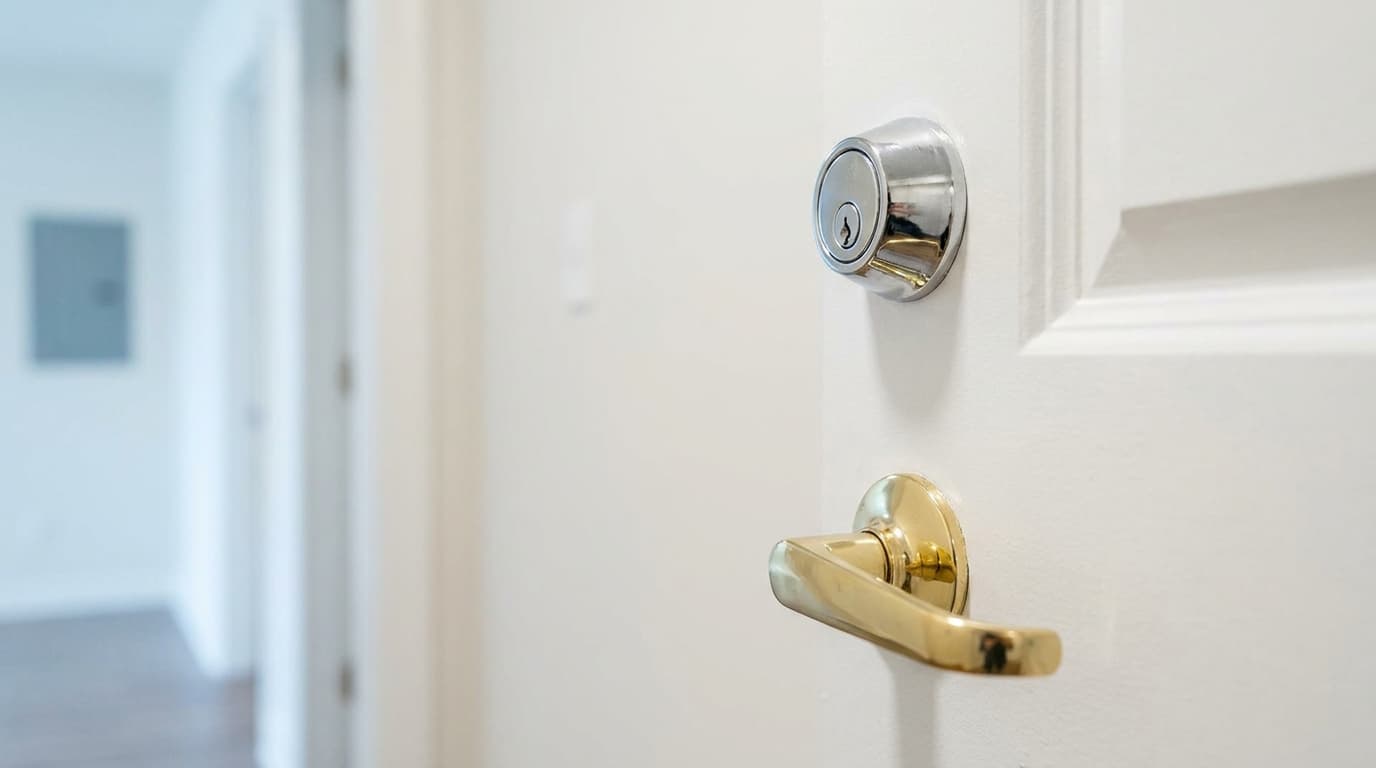
Security deposits are one of the most disputed subjects in the entire landlord-tenant relationship — and Nebraska is no exception. According to a 2022 survey by Apartment List, roughly 25% of renters nationwide reported losing part or all of their security deposit, with many saying they believed the deductions were unfair or illegal. In Nebraska, where the median rent for a two-bedroom apartment hovers around $900–$1,100 per month depending on the city, a wrongfully withheld deposit of one or two months' rent can represent a serious financial blow. The good news: Nebraska has clear, codified security deposit law that gives renters real rights — if you know what those rights are.
Whether you're a first-time renter in Omaha, a college student moving out of a Lincoln apartment near the University of Nebraska campus, or a long-term tenant in Grand Island or Kearney, this guide will walk you through exactly what Nebraska law says about security deposits — how much landlords can charge, what they can legally deduct, what they cannot touch, and what you must do to protect yourself before you move in and after you move out.
The Legal Foundation: Nebraska's Residential Landlord and Tenant Act
Nebraska's primary landlord-tenant law is the Nebraska Residential Landlord and Tenant Act (RLTA), codified at Nebraska Revised Statutes §§ 76-1401 through 76-1449. This statute governs the vast majority of residential rental agreements in the state. The security deposit provisions are found primarily in Neb. Rev. Stat. § 76-1416, and they establish a framework that is — in many respects — renter-friendly. Nebraska adopted its RLTA in 1974, modeling it heavily on the Uniform Residential Landlord and Tenant Act (URLTA) developed by the National Conference of Commissioners on Uniform State Laws. This means Nebraska's rules are relatively well-structured and predictable compared to states that lack comprehensive landlord-tenant codes.
Nebraska law applies to most standard residential rentals — apartments, houses, condos, and rooms. However, it does NOT cover mobile home spaces (those fall under a separate Mobile Home Landlord-Tenant Act), owner-occupied dwellings with fewer than three units in some circumstances, or certain transitional housing arrangements. If you're unsure whether the RLTA applies to your rental, consult a local tenant's rights organization or attorney.
How Much Can a Nebraska Landlord Charge for a Security Deposit?
Nebraska law sets a hard cap on security deposits. Under Neb. Rev. Stat. § 76-1416(1), a landlord may not require a security deposit — including prepaid rent — that exceeds one month's periodic rent. This is one of the more tenant-protective caps in the Midwest. For context, states like Colorado and Texas have no statutory cap at all, meaning landlords in those states can theoretically require two, three, or even more months' rent as a deposit. Nebraska's one-month limit gives renters a predictable maximum upfront cost.
What does 'one month's periodic rent' mean in practice? If you pay $950 per month, your landlord cannot legally collect more than $950 as a security deposit. This cap applies to the total of all deposits — including pet deposits and any other lump-sum charges labeled as 'deposits.' However, some landlords attempt to work around this by calling certain charges 'fees' rather than 'deposits.' Understanding the distinction is important: a fee is generally non-refundable and compensates the landlord for a specific service or cost, while a deposit is held and returned (minus lawful deductions). Nebraska courts have scrutinized this distinction, and labeling a deposit a 'fee' does not automatically make it lawful.
Pet Deposits in Nebraska
Pet deposits remain a frequently misunderstood area. Many Nebraska landlords charge a separate pet deposit on top of the standard security deposit. However, because Nebraska law caps the total deposit at one month's rent, combining a security deposit and a pet deposit that together exceed one month's rent is technically not permitted under a strict reading of the statute. That said, non-refundable pet fees — paid upfront as compensation for the increased wear and cleaning associated with pets — occupy a gray area. If your landlord charges both a security deposit and a pet deposit, make sure you get written clarification about which portions are refundable and which are fees, and ensure the total refundable deposit does not exceed your monthly rent.
What Can a Nebraska Landlord Legally Deduct From Your Deposit?
Nebraska law is explicit about the limited categories for which a landlord may withhold all or part of your security deposit. Under Neb. Rev. Stat. § 76-1416(2), a landlord may retain amounts necessary for the following purposes:
- 1Unpaid rent owed at the time of lease termination.
- 2Damage to the dwelling unit beyond normal wear and tear.
- 3Costs incurred by the landlord due to the tenant's failure to give proper notice before vacating (if the lease requires notice).
- 4Reasonable costs of cleaning the dwelling unit if it is not returned in the same level of cleanliness as when it was rented.
- 5Other charges that are specifically identified in the lease agreement as permissible deductions.
Each of these categories carries important nuances. Let's break them down one by one so you understand exactly how the law works in real situations.
Unpaid Rent
This is the most straightforward deduction. If you owe rent when you vacate — whether because you left mid-month, skipped a final month, or accumulated arrears — your landlord can apply your deposit to cover that balance. However, landlords cannot apply the deposit to rent that isn't actually due yet, or to future, speculative losses. The amount must be calculable and already owed at the time of termination.
Damage Beyond Normal Wear and Tear
This is where most deposit disputes arise — and where the law draws its most important line. Nebraska law permits deductions only for damage 'beyond normal wear and tear.' The statute does not define this phrase, but Nebraska courts and legal guidance consistently interpret it to mean deterioration that results from the tenant's negligence, carelessness, accident, misuse, or abuse — not from ordinary, everyday living. Landlords must absorb costs associated with normal wear and tear; those costs are considered part of the cost of doing business as a rental property owner.
- Normal wear and tear (NOT deductible): Small nail holes from hanging pictures, minor scuffs on walls, carpet that is worn thin after several years of normal use, faded paint due to sunlight exposure, loose door hinges from regular use, small scratches on hardwood floors from furniture movement.
- Damage beyond normal wear and tear (MAY be deductible): Large holes in walls, pet scratches on doors or floors, stains in carpet from spills or pet accidents, broken windows or mirrors, missing or broken blinds, burns on countertops or carpet, unauthorized paint colors on walls.
- Gray area: Whether damage is 'normal' often depends on how long the tenant lived there. A carpet that would be considered worn after 10 years of tenancy might be considered damaged if it looks the same after only 6 months.
Pro tip: Nebraska landlords are also required to account for the age and remaining useful life of damaged items. If a carpet was already 8 years old and would need replacement in a year regardless, a landlord cannot charge you the full cost of a brand-new carpet installation. They should only charge for the diminished value attributable to your damage. This is called 'depreciation accounting,' and while Nebraska law does not explicitly codify it, courts applying equitable principles have recognized this concept.
Cleaning Costs
A landlord can deduct cleaning costs only if the unit is not returned in the same level of cleanliness as when you moved in. This is a key phrase: the same level. If the unit was not spotlessly clean when you moved in — and you can prove it — the landlord cannot charge you to return it to a higher standard of cleanliness than existed at move-in. This is one of the most powerful reasons to document the condition of your unit thoroughly on the day you move in. If the kitchen had grease buildup behind the stove and the bathroom had soap scum on the tiles, those conditions should be photographed and noted.
Lease-Specified Charges
Nebraska law allows landlords to retain amounts for other charges that are specifically identified in the written lease agreement. This gives landlords some flexibility to charge for things like missed scheduled inspections, unauthorized subletting, or lease-break fees — but only if the charge is clearly spelled out in the lease. Vague or ambiguous lease language will generally be construed against the landlord in a dispute. Read your lease carefully before signing, and ask for clarification on any provision that allows deposit deductions for reasons beyond the standard categories.
What Nebraska Landlords CANNOT Deduct From Your Deposit
Understanding what is off-limits is just as important as understanding what's allowed. Nebraska landlords are prohibited from deducting from security deposits for the following:
- Normal wear and tear — any deterioration from ordinary use of the property is the landlord's responsibility.
- Pre-existing damage that was present before you moved in — this is why move-in documentation is critical.
- Routine maintenance and repairs that are the landlord's legal obligation under habitability standards.
- Costs to upgrade or improve the unit beyond its condition at the start of your tenancy.
- Landlord's lost profits or speculative future damages.
- Repainting entire rooms due to normal fading or minor scuffs (though repainting to cover unauthorized colors or major damage may be permissible).
- Replacing carpets or appliances that were already at the end of their useful life.
- Late fees or other charges that are not explicitly authorized in the written lease.
The 14-Day Rule: Nebraska's Return Deadline
One of the most important provisions in Nebraska's security deposit law is the strict timeline for returning deposits. Under Neb. Rev. Stat. § 76-1416(2), after a tenancy terminates and the tenant vacates, the landlord must — within 14 days — do one of two things: either return the full security deposit, or provide the tenant with a written accounting that itemizes the deductions and returns the remaining balance (if any).
Fourteen days is a relatively short window. Compare this to states like California (21 days), Florida (15–60 days depending on circumstances), or Georgia (30 days). Nebraska's tight deadline benefits renters by forcing landlords to act quickly rather than sitting on funds indefinitely. The 14-day clock begins when the tenancy terminates and the tenant vacates — which is typically the later of the lease end date or the date you actually return the keys and remove your belongings.
Important: The 14-day deadline does NOT apply if the tenant fails to provide the landlord with a forwarding address. Nebraska law requires tenants to notify landlords of their new address so the deposit (and itemization) can be mailed. If you don't provide a forwarding address, you may inadvertently delay your own return. Always send your forwarding address in writing — by email, certified mail, or through your rental platform — so you have documentation.
The itemization must be written and must describe each deduction with enough specificity that the tenant can understand what they're being charged for. A vague line item like 'cleaning — $200' without any further explanation may not satisfy Nebraska's requirements. Courts have held that landlords must provide enough detail for the tenant to assess whether the deductions are legitimate.
What Happens If a Landlord Misses the 14-Day Deadline?
This is where Nebraska law becomes especially powerful for renters. Under Neb. Rev. Stat. § 76-1416(3), if a landlord wrongfully withholds a security deposit — including by failing to return it within 14 days or by making deductions that are not permitted by law — the tenant is entitled to recover the amount wrongfully withheld plus damages equal to the amount wrongfully withheld. In plain English: if your landlord improperly keeps your $900 deposit, you may be entitled to $1,800 — double the wrongfully withheld amount — plus attorney's fees if you pursue the matter in court.
This double-damage provision is a statutory penalty designed to deter landlords from abusing the deposit system. It's worth noting, however, that Nebraska courts have interpreted 'wrongfully withholds' to require some degree of bad faith or willful disregard of the law — not merely a technical error made in good faith. Still, consistently missing deadlines or providing insufficient itemizations will often be viewed by courts as evidence of wrongful withholding.
If you believe your landlord has wrongfully withheld your deposit, you have several avenues. You can file a claim in Nebraska small claims court (which handles disputes up to $3,600 as of the current court rules — a limit that may be adjusted, so always verify current thresholds), send a formal demand letter, or consult with a tenant's rights attorney. The Nebraska State Bar Association's Lawyer Referral Service can connect you with attorneys who handle landlord-tenant matters.
City-Specific Considerations: Omaha and Lincoln
Nebraska's state law sets the baseline for security deposit rules statewide, but renters in larger cities should be aware that local ordinances and programs can add additional layers of protection or resources.
Omaha
Omaha is Nebraska's largest city and accounts for a significant share of the state's rental housing market. The city does not have a separate municipal security deposit ordinance that goes beyond state law, but Omaha does maintain a robust network of tenant assistance resources. Legal Aid of Nebraska, headquartered in Omaha, provides free legal services to eligible low-income tenants dealing with security deposit disputes, evictions, and habitability issues. Their hotline and intake process can be a first step if you're facing a wrongful withholding situation.
Lincoln
Lincoln, home to the University of Nebraska, has a particularly active rental market driven by a large student population. The Lincoln Community Rights Project and the University of Nebraska's Student Legal Services office both provide guidance to renters navigating deposit disputes. Lincoln's city code does not currently add security deposit requirements beyond what Nebraska state law mandates, but the city has historically been attentive to housing quality issues. Students moving out of off-campus housing near the university should be especially careful to document unit condition, as student housing disputes are among the most common tenant-landlord conflicts in the city.
How to Protect Your Security Deposit: A Step-by-Step Guide
Knowing the law is only part of the equation. Protecting your deposit requires proactive action from the very first day you move in. Here's what to do at each stage of your tenancy:
Before You Move In
- 1Request a move-in inspection: Walk through the unit with your landlord or their agent before or on move-in day. Document every imperfection — scratches, stains, broken fixtures, dirty corners, missing items — in a written move-in checklist. Both you and the landlord should sign and date this document.
- 2Take timestamped photos and video: Use your smartphone to photograph and video every room, every wall, every appliance, every fixture. Pay special attention to floors, carpets, walls, countertops, and bathrooms. Upload these to cloud storage immediately so the timestamps are verifiable.
- 3Get everything in writing: If the landlord promises to fix something before you move in (or shortly after), get that commitment in writing. Verbal promises are hard to enforce.
- 4Read your lease carefully: Understand every clause that references deposits, fees, and permissible deductions before you sign. If something is unclear, ask in writing and keep the response.
- 5Get a receipt for your deposit: Nebraska does not explicitly require landlords to provide written receipts for deposits, but always request one. The receipt should include the amount paid and the date.
During Your Tenancy
- 1Report maintenance issues promptly and in writing: If something breaks or deteriorates, notify your landlord in writing. This creates a record showing that you identified the issue and gave the landlord an opportunity to repair it. Failing to report issues can sometimes be used to argue that you caused or worsened the damage.
- 2Keep copies of all communications: Emails, texts, and written notices should be archived throughout your tenancy.
- 3Avoid unauthorized modifications: Don't paint walls, install fixtures, or make other changes without written landlord approval. Unauthorized modifications are a common source of deposit deductions.
- 4Maintain the unit in good condition: Regular cleaning, prompt attention to minor issues, and careful use of appliances and fixtures will minimize legitimate deduction claims.
When You Move Out
- 1Give proper written notice: Nebraska law generally requires 30 days' written notice for month-to-month tenancies. Failing to give required notice can expose you to deductions for the landlord's lost rent during the notice period.
- 2Clean thoroughly: Return the unit to the same level of cleanliness as when you moved in. Refer to your move-in photos to make sure you haven't missed anything.
- 3Request a move-out inspection: Ask your landlord to conduct a joint move-out inspection and document the condition of the unit together. This is not legally required in Nebraska, but it gives you an opportunity to address concerns before the landlord finalizes any deductions.
- 4Take move-out photos and video: Just as you did at move-in, document the condition of every room at the time you vacate. Timestamp and back up these images immediately.
- 5Provide your forwarding address in writing: Send your new address to your landlord before or on the day you vacate, so the 14-day return clock can begin running.
- 6Return all keys and access devices: Failure to return keys may result in a deduction for re-keying costs.
What to Do If Your Landlord Wrongfully Withholds Your Deposit
If the 14-day deadline passes without a deposit return or proper itemization — or if you receive an itemization with deductions you believe are unlawful — here's your action plan:
- 1Send a formal written demand: Write a clear, professional demand letter to your landlord identifying the amount owed, the legal basis for the return (citing Neb. Rev. Stat. § 76-1416), and a specific deadline for response (typically 7–10 business days). Send it via certified mail with return receipt so you have delivery confirmation.
- 2Gather your evidence: Compile all move-in and move-out photos, the signed move-in checklist, your lease, your deposit receipt, and all written communications with your landlord.
- 3Contact Legal Aid of Nebraska: If you qualify based on income, Legal Aid can provide free representation or advice. They handle security deposit cases regularly.
- 4File in small claims court: If the demand letter doesn't resolve the dispute, Nebraska small claims court is an accessible venue for deposit disputes. You do not need an attorney to file, and the filing fees are modest. Be prepared to present your evidence clearly and concisely.
- 5Consider consulting a tenant's rights attorney: If the amount in dispute is significant or the situation is complex, a brief consultation with a landlord-tenant attorney can help you understand your options and potential recovery, including the double-damages penalty.
How Technology Is Changing the Deposit Landscape
Digital tools are making it easier for both landlords and tenants to handle security deposits transparently and in compliance with state law. Platforms like VerticalRent provide landlords with structured move-in and move-out inspection tools, automated rent collection through ACH, and AI-powered lease generation that produces state-compliant lease agreements in minutes — including Nebraska-specific lease provisions that correctly reference deposit limits and return timelines. For renters, working with a landlord who uses a professional property management platform creates a digital paper trail that can be invaluable in the event of a dispute.
Frank, VerticalRent's AI assistant, can help landlords walk through legally compliant deposit accounting and remind them of state-specific deadlines — reducing the risk of costly mistakes that lead to double-damage penalties. When landlords use technology to manage properties responsibly, renters benefit from greater transparency, timely communications, and documented records of every transaction and inspection.
Renter's reminder: If your landlord uses an online rental platform for rent collection, maintenance requests, and communications, use it consistently. Every message sent through the platform is automatically time-stamped and stored — creating exactly the kind of documentation trail that can protect you in a deposit dispute.
Quick Reference: Nebraska Security Deposit Rules at a Glance
- Maximum deposit: One month's periodic rent (including all deposits combined).
- Return deadline: 14 days after tenancy terminates and tenant vacates, provided the landlord has the tenant's forwarding address.
- Required with return: Written itemization of any deductions.
- Permissible deductions: Unpaid rent, damage beyond normal wear and tear, cleaning to return to move-in condition, other lease-specified charges.
- Prohibited deductions: Normal wear and tear, pre-existing damage, routine maintenance, speculative future losses.
- Penalty for wrongful withholding: Amount wrongfully withheld PLUS an equal amount in damages (double recovery), plus potential attorney's fees.
- Governing law: Nebraska Revised Statutes §§ 76-1401 to 76-1449, specifically § 76-1416.
- Key resource: Legal Aid of Nebraska — legalaidofnebraska.org.
Final Thoughts: Knowledge Is Your Best Protection
Nebraska's security deposit law is clear, balanced, and enforceable — but only if you know it exists and understand how to use it. The single most common reason renters lose deposits they shouldn't is a failure to document the condition of the unit at move-in. Thirty minutes of photographs and a signed move-in checklist on your first day in a new apartment can be worth hundreds or even thousands of dollars when you move out. Pair that documentation with careful communication, proper notice, and a thorough move-out cleaning, and you put yourself in the strongest possible legal position.
Nebraska's 14-day return deadline and double-damage penalty give renters real leverage. Landlords who know the law and act in good faith have nothing to fear from these provisions. But for renters dealing with unresponsive or unscrupulous landlords, these statutory tools provide a meaningful path to recovery. Don't leave your security deposit on the table — understand your rights, document everything, and act promptly if those rights are violated.
Are you a landlord renting property in Nebraska? VerticalRent's AI-generated, state-compliant lease agreements automatically include Nebraska-specific security deposit provisions, move-in inspection templates, and automated ACH rent collection — so you stay compliant and your tenants get the transparent experience they deserve. Visit VerticalRent.com to get started free today.
**Legal Disclaimer** *The information in this article is provided for educational purposes only and does not constitute legal advice. Tenant-landlord laws vary significantly by state, county, and city and may have changed since this article was written. VerticalRent is not a law firm and the author is not an attorney. If you have a specific legal situation, please consult a licensed attorney in your jurisdiction.*
Put this into practice
VerticalRent tools related to this guide
Legal Disclaimer
VerticalRent and its authors are not attorneys, CPAs, or licensed legal or financial advisors, and nothing on this site constitutes legal, tax, or professional advice. The information in this article is provided for general educational purposes only. Landlord-tenant laws, eviction procedures, security deposit rules, and tax regulations vary significantly by state, county, and municipality — and change frequently. Nothing on this site creates an attorney-client relationship. Always consult a licensed attorney or qualified professional in your jurisdiction before taking any action based on information you read here.
Co-founded VerticalRent in 2011, growing it from nothing to 100k landlords and renters. Sold it in 2019, then re-acquired it in 2026 to make it better than ever.


