Habitability Standards in Nevada: What Your Rental Must Legally Provide
Nevada law guarantees renters a safe, livable home — but many tenants don't know their rights. Learn exactly what your landlord must provide and what to do when they don't.

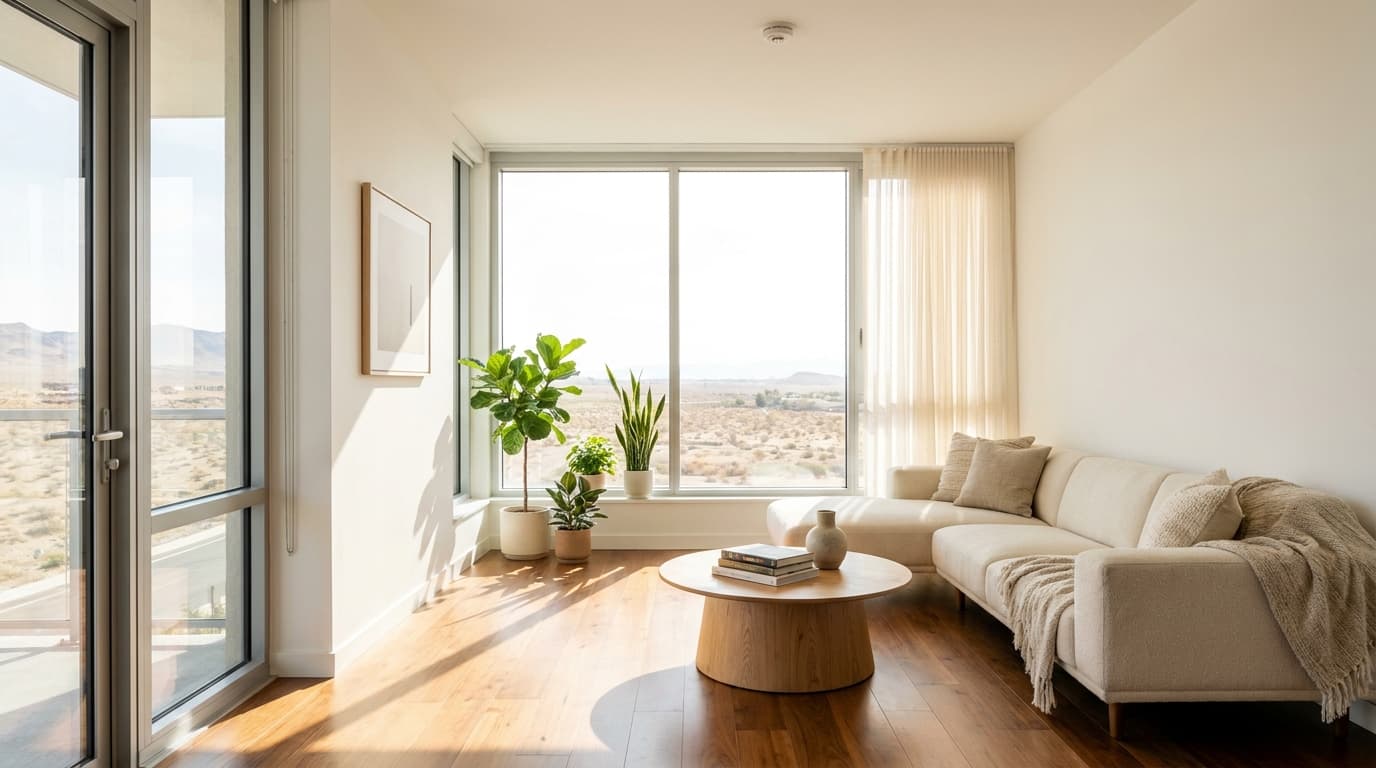
More than 40% of Nevada's households are renters — a figure that rises to nearly 55% in Clark County, home to Las Vegas. That's hundreds of thousands of families, individuals, and working people whose daily health and safety depend on whether their landlord is meeting basic legal standards. Yet a 2022 report from the National Housing Law Project found that low-income renters across the country file habitability complaints at startlingly low rates — not because problems don't exist, but because most tenants simply don't know what the law requires. In Nevada, the rules are clear. The state's landlord-tenant statutes — primarily found in Nevada Revised Statutes (NRS) Chapter 118A — spell out in specific detail what every residential rental unit must legally provide. If your apartment, house, or condo doesn't meet those standards, you may have powerful legal remedies available to you. This guide breaks it all down in plain language.
The Legal Foundation: Nevada's Implied Warranty of Habitability
Every residential lease in Nevada — written or oral, month-to-month or year-long — carries with it what's called an implied warranty of habitability. This is not a clause you have to negotiate or request. It exists automatically by law under NRS 118A.290. The implied warranty of habitability means your landlord legally promises, simply by renting to you, that the unit is fit for human habitation and will remain so throughout your tenancy. This legal concept has been recognized in Nevada since at least the landmark 1970s-era shift in American landlord-tenant law, and it has been codified and strengthened through subsequent legislative sessions. In short: your landlord cannot rent you a unit that fails basic habitability standards, and they cannot ignore your complaints about conditions that make the unit unlivable — regardless of what any lease clause might claim to the contrary. Any lease provision that attempts to waive the warranty of habitability is void and unenforceable under Nevada law.
What Nevada Law Specifically Requires Landlords to Provide
NRS 118A.290 is remarkably detailed. Nevada landlords are not allowed to hide behind vague language — the statute lists concrete requirements. Here is what your rental unit must legally include and maintain.
Structural Safety and Weather Protection
Your unit must have a roof, walls, floors, doors, and windows that are structurally sound and capable of keeping out the elements. In Nevada's climate — where Las Vegas summer temperatures routinely exceed 110°F and northern Nevada winters can dip well below freezing — this isn't a minor amenity. It's a life-safety issue. A roof that leaks, windows that don't seal, or walls with significant cracks or holes are potential habitability violations. The structure must also be in good repair, meaning landlords cannot let deterioration go unaddressed simply because it's gradual.
Heating and Cooling Systems
Nevada law requires that landlords provide and maintain functional heating facilities capable of maintaining a minimum temperature of 70°F in living areas during cold months. While Nevada does not set a universal statutory maximum temperature standard for cooling, the Clark County Code and the City of Las Vegas codes impose additional requirements in the Las Vegas Valley, where air conditioning is not a luxury — it is a survival necessity. The Nevada Supreme Court and lower courts have consistently held that a failed HVAC system in extreme heat conditions can constitute a habitability violation. If your air conditioning breaks in July in Las Vegas and your landlord takes two weeks to fix it, that inaction may rise to the level of a legal violation.
Plumbing and Running Water
- Hot and cold running water in all plumbing fixtures, including sinks, showers, and bathtubs
- A functional toilet in working order at all times
- Plumbing systems connected to an approved water supply and sewage disposal system
- No sewage backups or persistent plumbing leaks that go unaddressed
- Water heaters maintained in safe operating condition
Electrical Systems
Your unit must have electrical wiring and outlets that meet applicable safety codes and are maintained in good repair. Exposed wiring, non-functional outlets, or a breaker panel that trips constantly are not cosmetic issues — they are fire hazards and habitability violations. Landlords are required to maintain electrical systems so that the unit can be safely lit and powered.
Smoke and Carbon Monoxide Detectors
Under NRS 477.030 and Nevada State Fire Marshal regulations, landlords are required to install working smoke detectors in residential rental units. Carbon monoxide detectors are required in units that have an attached garage, a fossil fuel-burning appliance (like a gas stove, gas heater, or furnace), or a fireplace. Landlords must install these devices before a tenant moves in. Tenants are generally responsible for maintaining battery-powered detectors once they move in, but landlords must ensure the devices are present and operational at the start of tenancy.
Pest and Infestation Control
Nevada law requires landlords to provide rental units free from infestations of rodents, cockroaches, bedbugs, and other vermin at the start of a tenancy. If an infestation arises during a tenancy due to conditions in the building or property — not solely from a tenant's own actions — the landlord has an obligation to address it. Bed bug provisions are specifically addressed in NRS 118A.355, which requires landlords to provide written information about bed bug prevention and to respond to reports of infestations.
Common Areas and Shared Spaces
Habitability doesn't stop at your apartment door. Landlords of multi-unit buildings are required to maintain common areas — hallways, stairwells, laundry rooms, parking areas, and lobbies — in a clean and safe condition. Broken stairwell lighting, unsafe railings, or persistent trash accumulation in common areas can be habitability issues affecting all tenants in a building.
Key Stat: According to the Nevada Housing Division, Clark County alone processed over 12,000 landlord-tenant complaints in a recent three-year period. Experts estimate the majority of unresolved habitability problems are never formally reported because renters don't know the process.
Tenant Responsibilities: What You're Expected to Maintain
Nevada's habitability law is a two-way street. NRS 118A.310 outlines tenant obligations, and understanding them is just as important as knowing your rights. Landlords can and do use tenant-caused damage as a defense against habitability claims. Here's what tenants are legally required to do.
- 1Keep the unit in a clean and sanitary condition throughout the tenancy
- 2Dispose of trash, garbage, and waste properly and in designated containers
- 3Properly operate all plumbing, electrical, heating, and cooling fixtures
- 4Avoid deliberately or negligently damaging, destroying, or removing any part of the unit or building
- 5Not permit any person on the premises to damage the property
- 6Notify the landlord promptly of any conditions requiring repair or posing a safety risk
The key distinction in Nevada law is between conditions caused by normal wear and tear versus conditions caused by tenant neglect or damage. A landlord cannot refuse to fix a failing furnace because a tenant once had a party. But a landlord may legitimately argue that a pest infestation was caused by a tenant's failure to maintain sanitary conditions. Document your unit's condition carefully — photos and written communications are your best protection.
What to Do When Your Landlord Won't Make Repairs
This is where many Nevada renters feel stuck. They know something is wrong with their unit — the heater is broken, there's mold growing in the bathroom, the plumbing backs up every week — but their landlord either ignores them or makes empty promises. Nevada law gives tenants a clear, structured process to follow.
Step 1: Provide Written Notice to Your Landlord
Under NRS 118A.355, before a tenant can pursue legal remedies for a habitability violation, they must first give the landlord written notice of the problem and a reasonable opportunity to fix it. In Nevada, for most habitability issues, 'reasonable time' has generally been interpreted by courts as 14 days, though truly urgent situations — like no heat in winter or no running water — may justify a shorter window. Send your notice in writing, via email or certified mail, and keep a copy. Your notice should describe the problem in specific detail and state that you are requesting repairs under NRS 118A.355.
Step 2: Landlord's Obligation to Respond
Once you've provided proper written notice, Nevada law requires your landlord to make a good-faith effort to remedy the condition within a reasonable time. If they fail to do so, NRS 118A.355 gives you several powerful options.
Step 3: Your Legal Remedies in Nevada
- Repair and Deduct: You may be able to have the repair made yourself and deduct the cost from rent, up to one month's rent, if the landlord fails to act after proper notice. This remedy has specific procedural requirements and should be approached carefully.
- Rent Withholding / Rent Escrow: You may be able to withhold rent or pay rent into a court-supervised escrow account while the habitability issue remains unresolved. Courts can then order the landlord to make repairs before receiving the escrowed funds.
- Lease Termination: If the condition materially affects health or safety and the landlord fails to cure it within the required notice period, you may be entitled to terminate your lease without penalty under NRS 118A.355.
- Civil Lawsuit: You may sue your landlord in Nevada Justice Court or District Court for damages, including compensation for reduced rental value, out-of-pocket expenses, and potentially attorney's fees if you prevail.
- Filing a Complaint: You can report habitability violations to your local code enforcement office, building department, or health department, which may conduct inspections and issue citations to your landlord.
Important: Nevada's repair-and-deduct remedy has strict procedural requirements. Consult with a tenant rights attorney or Nevada Legal Services before withholding rent or deducting repair costs — doing it incorrectly can expose you to eviction proceedings.
Mold: A Special Habitability Concern in Nevada
Mold is one of the most contested habitability issues between Nevada landlords and tenants. Nevada does not have a single standalone mold statute the way some other states do, but mold growth that results from a landlord's failure to maintain the property — like a leaking roof, a broken pipe, or inadequate ventilation — is typically treated as a habitability violation under NRS 118A.290. The Centers for Disease Control and Prevention (CDC) has linked mold exposure to respiratory problems, allergic reactions, and worsened asthma, particularly in children and the elderly. If you discover mold in your unit, document it immediately with photographs and dates, report it in writing to your landlord, and track the landlord's response time. If the mold is extensive (often defined as more than 10 square feet of visible growth) or if it results from structural water intrusion, it is likely a serious habitability issue warranting legal attention.
Anti-Retaliation Protections for Nevada Tenants
One of the most significant fears tenants have about asserting habitability rights is retaliation — the landlord raising rent, cutting off services, or starting eviction proceedings in response to a complaint. Nevada law directly addresses this concern. Under NRS 118A.510, it is illegal for a landlord to retaliate against a tenant for exercising any legal right, including reporting habitability violations to code enforcement, organizing with other tenants, or asserting repair-and-deduct rights. Specifically, Nevada law creates a presumption of retaliation if a landlord takes adverse action — such as issuing a rent increase, a notice to vacate, or a material reduction in services — within 60 days of a tenant exercising a protected right. If a court finds that retaliation occurred, the tenant may be entitled to recover actual damages, punitive damages in some cases, and attorney's fees. Keep records of all communications with your landlord and note the timing of any adverse actions relative to your complaints.
City and County Variations: Las Vegas, Henderson, Reno, and Beyond
Nevada's state habitability law sets a floor — a minimum standard that all landlords across the state must meet. But local jurisdictions can and do impose additional requirements. Here's what you should know about the major markets.
Clark County and Las Vegas
The City of Las Vegas, the City of Henderson, and unincorporated Clark County all have active code enforcement divisions that handle habitability complaints. Clark County's Department of Building & Fire Prevention handles structural and fire-safety complaints. The Southern Nevada Health District can get involved when health-related conditions — like sewage problems, pest infestations, or mold — are at issue. Las Vegas also has specific hotel and extended-stay property regulations that apply to the thousands of Nevada residents who live in weekly-rate motels and residential hotels, a significant portion of the low-income housing stock in the Las Vegas Valley.
Reno and Washoe County
The City of Reno's Community Development Department handles code enforcement for residential properties. Reno has seen significant growth in its rental market over the past decade, with median rents rising sharply as tech industry migration increased housing demand. Washoe County also has a separate code enforcement function for properties in unincorporated areas. The Washoe County Health District has jurisdiction over health-related habitability complaints in the region.
Rural Nevada
In rural Nevada counties — places like Elko, Humboldt, or Nye County — code enforcement resources are more limited. Tenants in these areas may need to rely more heavily on state-level remedies through the courts and on organizations like Nevada Legal Services, which provides free legal assistance to income-qualified residents statewide. The state's habitability laws apply equally in rural areas, even if local enforcement infrastructure is thinner.
Resources for Nevada Renters Facing Habitability Problems
You don't have to navigate habitability disputes alone. Nevada has a network of legal and advocacy resources specifically for renters.
- Nevada Legal Services (NLS): Provides free civil legal assistance to low-income Nevadans, including tenant rights and habitability cases. Offices in Las Vegas, Reno, and Elko. Visit nlslaw.net.
- Washoe Legal Services: Free civil legal help in Washoe County, including landlord-tenant matters. Visit washoelegalservices.org.
- Clark County Civil Law Self-Help Center: Located at the Regional Justice Center in Las Vegas, this center provides free legal information and assistance with self-represented legal matters, including landlord-tenant disputes.
- Nevada Attorney General's Office: The AG's consumer protection division handles complaints about landlord practices that may rise to the level of consumer fraud or unfair business practices.
- 211 Nevada: Call or text 211 to connect with housing assistance, legal aid, and emergency resources anywhere in Nevada.
- Local Code Enforcement: Contact your city or county building department or code enforcement office to report habitability violations and request an inspection.
Documenting Your Case: A Practical Checklist
Whether you're dealing with a broken heater, mold, pests, or a landlord who ignores your calls, documentation is everything. Courts, code enforcement officers, and mediators all rely on evidence. Here's a practical documentation checklist for Nevada renters dealing with habitability issues.
- 1Photograph and video every problem — date-stamp everything using your phone's camera settings or by including a newspaper with the current date in the frame
- 2Put all repair requests in writing — texts and emails are valid, but certified mail creates the most defensible record
- 3Keep every written response or acknowledgment from your landlord, no matter how brief
- 4Log every phone call and verbal conversation with date, time, and a summary of what was said
- 5Obtain any inspection reports from code enforcement, fire marshals, or health departments
- 6Keep receipts for any out-of-pocket expenses caused by the habitability issue — hotel stays during emergency repairs, medical bills related to mold exposure, replacement of damaged property
- 7Record the timeline — when did the problem start, when did you first notify the landlord, when (if ever) was a repair made or promised
- 8Save all lease documents, move-in inspection reports, and any written communications related to the condition of the unit
Pro Tip: VerticalRent's AI maintenance triage feature helps landlords and tenants track repair requests with a documented digital trail — including timestamps and communication logs. If your landlord uses VerticalRent, every maintenance request you submit is timestamped and trackable, creating a clear record for both parties.
The Bottom Line: You Have Rights, and They're Enforceable
Nevada's habitability laws are not aspirational — they are enforceable legal standards with real teeth. A landlord who ignores a broken heater in January in Reno, or a sewage backup in a Las Vegas apartment, or a mold infestation that's been growing for months, is not just being a bad property owner. They are potentially violating state law and exposing themselves to civil liability. The challenge for many renters is that exercising these rights requires knowledge, documentation, and persistence. The legal system can be intimidating, especially for tenants who are worried about retaliation or eviction. But Nevada law specifically protects you from retaliation when you exercise your legal rights — and the state's network of free legal resources means that cost should not be a barrier to getting help. Know your rights. Document everything. Send your complaints in writing. And don't be afraid to use the remedies the law gives you. A livable home isn't a luxury in Nevada — it's a legal guarantee.
How VerticalRent Supports Transparent, Accountable Rentals
At VerticalRent, we believe that better tools create better rental relationships — for both landlords and tenants. Our platform is built to make transparency and accountability the default, not the exception. Landlords using VerticalRent can manage maintenance requests through our AI maintenance triage system, which categorizes and prioritizes repair requests automatically and creates a timestamped record of every issue reported and every action taken. Tenants who rent from VerticalRent landlords benefit from that same documented trail. Our AI lease generation feature produces state-compliant leases in minutes — meaning tenants can have confidence that the lease they're signing reflects current Nevada law, not a template from 2009 that a landlord found online. And Frank, VerticalRent's AI assistant, is available around the clock to help landlords and tenants navigate questions about their responsibilities and rights. Whether you're a renter trying to understand your lease or a landlord trying to stay compliant with Nevada's habitability requirements, VerticalRent is the platform built to make that easier.
Are you a Nevada renter or landlord? VerticalRent makes it easier to manage maintenance requests, generate legally compliant leases, and maintain the clear documentation that protects everyone. Visit VerticalRent.com to learn more and get started for free.
**Legal Disclaimer** *The information in this article is provided for educational purposes only and does not constitute legal advice. Tenant-landlord laws vary significantly by state, county, and city and may have changed since this article was written. VerticalRent is not a law firm and the author is not an attorney. If you have a specific legal situation, please consult a licensed attorney in your jurisdiction.*
Put this into practice
VerticalRent tools related to this guide
Legal Disclaimer
VerticalRent and its authors are not attorneys, CPAs, or licensed legal or financial advisors, and nothing on this site constitutes legal, tax, or professional advice. The information in this article is provided for general educational purposes only. Landlord-tenant laws, eviction procedures, security deposit rules, and tax regulations vary significantly by state, county, and municipality — and change frequently. Nothing on this site creates an attorney-client relationship. Always consult a licensed attorney or qualified professional in your jurisdiction before taking any action based on information you read here.
Co-founded VerticalRent in 2011, growing it from nothing to 100k landlords and renters. Sold it in 2019, then re-acquired it in 2026 to make it better than ever.


