What Is Property Maintenance and Why It Matters
What is property maintenance? Learn types, landlord vs tenant duties, legal requirements, cost factors, and a maintenance workflow built for small portfolios.

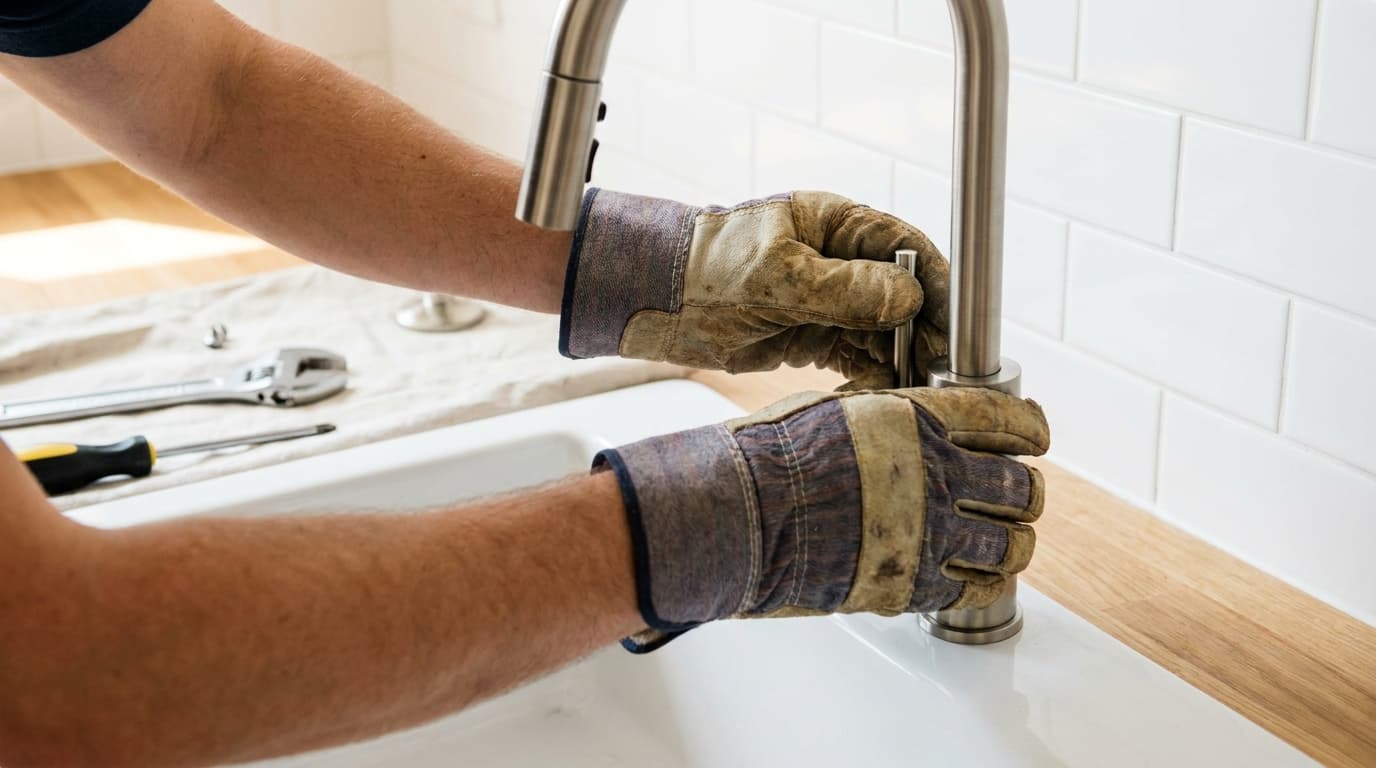
You're standing in a rental on a Sunday morning, your phone won't stop buzzing, and the message in front of you is the kind every first-time landlord dreads. The tenant says the water heater is leaking, the vendor you texted earlier still hasn't called back, and now you're trying to decide whether this is a small fix, a safety issue, or a money problem that's about to get worse.
That's the answer to what is property maintenance. It isn't a loose collection of repairs. It's the system that keeps a property safe, habitable, documented, and financially controlled, which is why it belongs on the same level as rent collection and lease enforcement. Property maintenance sits at the intersection of asset preservation, habitability law, and cash flow management, and completed work should be logged so you can track recurring issues, warranties, and compliance records in one place, whether that's a binder or a CMMS (property maintenance management guidance).
For a small landlord, the mistake is treating maintenance like an interruption. The better mental model is a workflow with rules. You decide what gets inspected, what gets scheduled, what gets repaired after failure, who is responsible, and how each decision is recorded. That's how maintenance stops being a constant interruption and starts functioning like a repeatable operating system.
Defining Property Maintenance as a System

A first-time landlord usually learns maintenance through pressure, not planning. A tenant texts about water under the sink, the hallway light is out, and the roof estimate you meant to review is still sitting in your inbox. At that point, the work feels scattered because there is no clear system for deciding what gets fixed, who handles it, and how you document it.
Property maintenance is the system that organizes those decisions. It includes the work you plan before something fails, the repairs you make after a problem shows up, the vendor coordination needed to get the job done, and the records that show what happened. Preventive maintenance, corrective repairs, routine upkeep, and emergency response all feed the same outcome, which is to protect the building, preserve cash flow, and keep people safe.
What the system covers
For an independent landlord, the line is easier to draw than it first appears. If a task protects the property's value, keeps it habitable, or reduces the chance of a larger failure later, it belongs in maintenance. Roof checks, plumbing fixes, HVAC servicing, pest response, and code-related corrections all sit inside the same operating framework, even when they look like separate jobs on a busy Tuesday.
Practical rule: if the work changes tenant safety, habitability, or future repair cost, it's maintenance, not a nuisance task.
The financial side matters just as much as the operational side. The cost of needed repairs to occupied housing units reached $198.4 billion in 2024 in the U.S. (Hemlane maintenance data), which shows how quickly small repairs become real exposure when owners wait too long. For landlords who want a structured way to handle requests, VerticalRent's maintenance management feature is one example of how requests, vendors, and records can be kept in one place.
A roof deserves the same system-based attention. West Washington roof inspection advice from Four Seasons Roofing is a useful reference, because roof problems often turn expensive when inspections are skipped and timing slips.
The Four Types of Maintenance Explained
The cleanest way to think about maintenance is by timing and urgency, not by trade. A landlord who can separate the four types makes faster decisions and wastes less money on avoidable emergencies.
Comparing the four types
| Type | Timing | Cost Predictability | Example |
|---|---|---|---|
| Preventive maintenance | Before failure, on a schedule | Higher predictability | HVAC servicing, roof inspection, detector testing |
| Routine maintenance | Recurring upkeep | Fairly predictable | Landscaping, filter changes, turnover cleaning |
| Corrective maintenance | After a defect appears | Less predictable | Fixing a broken faucet or appliance |
| Emergency maintenance | Immediate response | Lowest predictability | Burst pipe, gas leak, no heat in winter |
Preventive maintenance is where owners protect margin. Planned inspections and service intervals catch problems early, which is why a seasonal check on HVAC, plumbing, roofing, and life-safety equipment belongs on the calendar instead of in a panic. Routine maintenance is less dramatic, but it keeps the property presentable and functional, and it prevents little annoyances from turning into tenant frustration.
Corrective maintenance is the repair bucket many people picture first. The issue already exists, so the job is to restore function quickly and at a reasonable cost. Emergency maintenance is different because the clock is running against health, safety, or further property damage. Once a pipe bursts or heat fails in winter, the decision isn't about optimization anymore, it's about stopping the loss.
For a simple reference point, a home maintenance checklist from Aureli Construction can help you see how preventive and routine tasks fit together across a year. That kind of checklist is useful because it turns vague intentions into a schedule you can follow.
Landlord Versus Tenant Responsibilities
Responsibility disputes usually start when a landlord assumes a tenant will handle something the lease never clearly assigned, or when a tenant expects the owner to fix something caused by everyday use. Clear boundaries keep that from turning into a repeat argument.
The basic split
Landlords generally own and maintain the property's structural elements, building systems, utility infrastructure, and code compliance duties. Tenants usually handle day-to-day cleanliness, minor consumables, and damage they cause beyond normal wear and tear. That division matters because a landlord can't delegate away habitability, but a tenant can still be held responsible for careless behavior or avoidable damage if the lease says so and local law allows it.
The lease should name the responsibility, the reporting method, and the response expectation. If it doesn't, the argument usually starts with memory instead of evidence.
A strong lease clause is specific without being overreaching. For example, a maintenance addendum can say the tenant must keep the unit sanitary, replace ordinary consumables like light bulbs and batteries where allowed, report leaks and safety issues promptly, and avoid damage beyond normal wear. The landlord, in turn, keeps the building systems working, makes code-required repairs, and handles major infrastructure and safety items.
| Usually landlord responsibility | Usually tenant responsibility |
|---|---|
| Roof, structure, and building systems | Daily cleanliness |
| Plumbing, HVAC, and utility infrastructure serving the property | Minor consumables and housekeeping |
| Code compliance and safety repairs | Reporting problems quickly |
| Repairs tied to wear, failure, or habitability | Damage caused by misuse or neglect |
The implied warranty of habitability and the covenant of quiet enjoyment are where many disputes become legal instead of practical. If a broken system makes the unit unsafe or unusable, the owner can't just wait for convenience. If you're writing lease language, keep it aligned with local rules and use it to define process, not to shift core safety obligations away from the owner.

Legal and Safety Requirements You Cannot Skip
Maintenance becomes nonnegotiable the moment law and safety enter the picture. That's why good landlords don't rely on memory or goodwill for compliance, they use a schedule and a paper trail.
The minimum compliance lens
Local building codes and habitability standards set the baseline for what a unit must have to remain legally rentable. Smoke and carbon monoxide detector requirements need scheduled checks, not casual assumptions. Pest issues and mold conditions also matter because they can affect habitability and trigger complaints, inspections, or disputes if they're ignored.
Lead-based paint disclosure matters for pre-1978 properties, and fair housing risk shows up when maintenance is unevenly provided across tenants or units. The legal exposure usually isn't only about the broken item itself, it's about whether the owner responded consistently, documented the work, and corrected safety issues on time.
Documentation protects the landlord twice, once in a habitability dispute and again during an inspection.
A quarterly compliance check keeps the process manageable. Review detector status, entry and egress paths, visible plumbing leaks, moisture issues, pest signs, and any open code-related items. Then log the date, what was inspected, what failed, and who handled the correction. That log is more useful than a memory-based explanation after the fact.
An owner who wants to standardize request handling can pair that compliance routine with a documented workflow, and a short instructional video like the one below can help new landlords understand how maintenance obligations should be organized in practice.
The key point is simple. If the item affects safety, access, or legal occupancy, it doesn't wait for the next convenient weekend. It goes on the compliance calendar.
Cost Factors and How to Budget for Maintenance
A maintenance budget works best when it is steady and predictable. Owners run into trouble when they treat repairs as surprises instead of recurring obligations with a reserve attached.
Benchmarks that keep budgets honest
Industry guidance often points landlords toward budgeting about 1% of property value per year for maintenance, or roughly $1 per square foot annually in many portfolios (budgeting guidance). Another guide notes some owners budget about 1% of property value or 10 to 15% of rent annually (ServiceChannel maintenance guidance). Those benchmarks are not laws, but they are useful starting points because they force you to plan for deterioration instead of hoping it will not happen.
A small landlord should treat those benchmarks as guardrails, not a fixed answer. A newer property with strong systems may sit near the low end for a while, while an older building, a property with frequent tenant turnover, or one with recurring moisture problems will usually need more reserve pressure behind it. The point is to match the reserve to the building's actual wear pattern, not to copy a number and call the budget done.
For a small landlord, the reserve should do three jobs. It should absorb ordinary repairs, cover surprise failures without touching operating cash, and help you decide when to approve work immediately versus when to replace a failing system as a larger project. If a repair keeps returning, affects safety, or looks likely to trigger a bigger loss, it usually belongs in the fast-approval bucket.
A practical reserve mindset
The right question is simple. What happens if you wait? A minor inconvenience can turn into water damage, tenant conflict, or a compliance problem if the delay is too long. A repair that keeps coming back may need to be treated as a replacement decision instead of another short-term expense.
Budgeting also gets easier when you separate routine maintenance from one-off surprises. Routine items are the predictable things you can plan around, like servicing equipment, checking seals, and handling wear before it becomes visible damage. Surprises are the sudden failures that arrive without warning, and a good reserve gives you room to handle them without scrambling to cover payroll, mortgage, or other operating costs.
The gap between planned and deferred maintenance shows up in the numbers. Analysts at Hemlane's maintenance data found that professional maintenance of a typical U.S. home's systems, appliances, and grounds was modeled at $10,946 per year in 2025, while homeowners self-reported spending $2,041 per year in the same period (Hemlane maintenance data). That difference points to a common pattern. Many owners underfund maintenance until the property starts carrying deferred work.
For property owners dealing with pests, a local service directory like pest control near me options can help when a simple fix will not solve a recurring infestation issue. Use the reserve, not optimism, to decide whether the work gets approved now.
A maintenance line item should also reflect the paperwork side of ownership. A repair budget is not only about the wrench or the replacement part. It also covers the labor, access coordination, documentation, and follow-up needed to show that the property was handled responsibly. That is why a work-order system such as VerticalRent's maintenance work order template guidance is useful even for a small landlord, because the budget and the recordkeeping live together.
Building a Repeatable Maintenance Workflow
A workable maintenance workflow has five parts. If a landlord can run these five steps consistently, even a small portfolio becomes much easier to manage.
Request intake and triage
A tenant sends a request, ideally with photos, a short description, and a timestamp. A clogged kitchen sink is a good example because it might be a simple blockage, a deeper plumbing issue, or an immediate habitability concern if it spreads. AI-assisted triage can help sort the request into urgency levels, but the landlord still makes the final call based on safety and damage risk.
The triage rule is straightforward. Safety comes first, then habitability, then convenience. A leak near wiring is not the same as a loose cabinet hinge, and a tenant photo often tells you which bucket the problem belongs in before a vendor is called.
Dispatch, verification, and documentation
Once the issue is categorized, assign the vendor, confirm access, and set the completion expectation. If the vendor finishes, verify the repair with a photo, tenant confirmation, or a quick follow-up inspection. Then log the date, scope, cost, and any warranty note so the job becomes part of the property history instead of a one-off memory.
For landlords using software, a maintenance work-order system like VerticalRent's work order template guidance can help keep intake, assignment, and completion records organized. The point of the system is not just speed, it's reducing lost context between the tenant, the vendor, and the ledger.
A simple priority matrix works well on paper:
- Safety: gas, electricity, major leaks, no heat, no secure entry.
- Habitability: plumbing, cooling, sanitation, appliances needed for normal use.
- Convenience: cosmetic or comfort issues that don't threaten the unit.
If the request lands in the first category, the landlord acts immediately. If it lands in the second, it gets scheduled fast. If it lands in the third, it gets batched with other nonurgent work. That logic is what keeps maintenance from turning into reactive chaos.
Vendor Management and Documentation Practices
The quality of your maintenance system depends on the people doing the work. Good vendors save time, but only if you can reach them, trust them, and prove what they did.
Comparing vendor models
A vetted handyman network is usually the easiest place for small landlords to start because it reduces search time and creates a familiar standard. On-call independents can be cheaper or faster for specific jobs, but reliability varies, so you need backup options. A marketplace of licensed trades gives you broader coverage for specialty work, though you'll want to verify credentials, response speed, and pricing transparency before relying on it.
The best model is the one that fits the repair type and your portfolio size. A simple drain clearing might go to one vendor, while HVAC, electrical, or structural work belongs with a clearly qualified trade professional. The landlord's job is not to know every trade detail, it's to know who can be trusted for which kind of work.
What every completed job should contain
Every repair should be logged with the date, scope, vendor name, cost, photos, and any warranty terms. That record protects you in habitability disputes, insurance claims, and tax review because it shows what was done, when it happened, and who did it. If a problem comes back, you can also see whether the issue is isolated or recurring.
Good documentation turns a repair from a memory into evidence.
A simple vendor scorecard can keep the process disciplined:
- License and insurance verification: confirmed before first dispatch.
- Response time: did they answer quickly enough for your service standard?
- Pricing transparency: were the estimate and final bill clear?
- Work quality: did the issue stay fixed after completion?
- Communication: did they update you without being chased?
The less you rely on back-channel texting, the cleaner your paper trail stays. That matters when you're managing multiple units and need to know not just what happened, but whether the same contractor should get the next call.
Tools, Templates, and an FAQ for Small Landlords
A small landlord doesn't need a giant facilities department. What you do need is a compact set of tools that capture requests, prioritize work, and preserve records without extra friction.
Templates worth setting up this week
Start with a maintenance request form that asks for the issue, location, urgency, entry permission, and photos. Add a monthly inspection checklist so routine issues don't wait for tenant complaints. Keep a vendor scorecard for response speed and work quality, a reserve tracker for budgeting, and a lease addendum that states who handles consumables, cleanliness, reporting, and damage beyond normal wear.
If you want an example of how to structure the tenant request side, use VerticalRent's maintenance request form template as one reference point. The platform itself can also serve as one option for landlords who want tenant-submitted requests, AI triage, verified vendor dispatch, and a maintenance log tied to income and expense records, but the priority is building a process you'll use.
A simple weekly maintenance routine looks like this:
- Review new requests.
- Sort by safety, habitability, or convenience.
- Assign the vendor or decide whether it waits.
- Verify completion.
- File the record.
That sequence is short enough to run without a property manager and structured enough to keep you from losing important details.
FAQ for first-time landlords
What should I do after hours when something breaks?
Treat it as an emergency only if safety, heat, water, electricity, or major damage is at risk. If it's urgent, call the appropriate vendor and document the time, the action, and the outcome. If it isn't urgent, acknowledge the tenant and schedule it for the next business window.
What if the tenant caused the damage?
Separate normal wear from misuse. If the lease assigns tenant-caused damage to the tenant, document the condition with photos, note the facts, and keep the repair record clean so you can support reimbursement if the lease and local law allow it.
How often should I inspect?
Use a mix of scheduled and seasonal inspections. The exact cadence depends on the property, but the important part is consistency, because overlooked issues become more expensive when they sit unnoticed.
Can I require a tenant to maintain a yard or replace a filter?
Sometimes, yes, but only within the lease terms and local law. Keep those responsibilities narrow, clear, and realistic, and don't assign core safety or code obligations to the tenant.
The landlords who stay ahead of maintenance are the ones who treat it like a system with forms, priorities, vendors, and records. If you're ready to stop managing repairs from memory, start with one request form, one checklist, and one reserve tracker, then build from there with VerticalRent.
Put this into practice
VerticalRent tools related to this guide
Legal Disclaimer
VerticalRent and its authors are not attorneys, CPAs, or licensed legal or financial advisors, and nothing on this site constitutes legal, tax, or professional advice. The information in this article is provided for general educational purposes only. Landlord-tenant laws, eviction procedures, security deposit rules, and tax regulations vary significantly by state, county, and municipality — and change frequently. Nothing on this site creates an attorney-client relationship. Always consult a licensed attorney or qualified professional in your jurisdiction before taking any action based on information you read here.
Co-founded VerticalRent in 2011, growing it from nothing to 100k landlords and renters. Sold it in 2019, then re-acquired it in 2026 to make it better than ever.


