What Is a Holdover Tenant
What is a holdover tenant? Learn how landlords handle lease overstays, state-by-state legal rules, eviction options, and prevention tips.

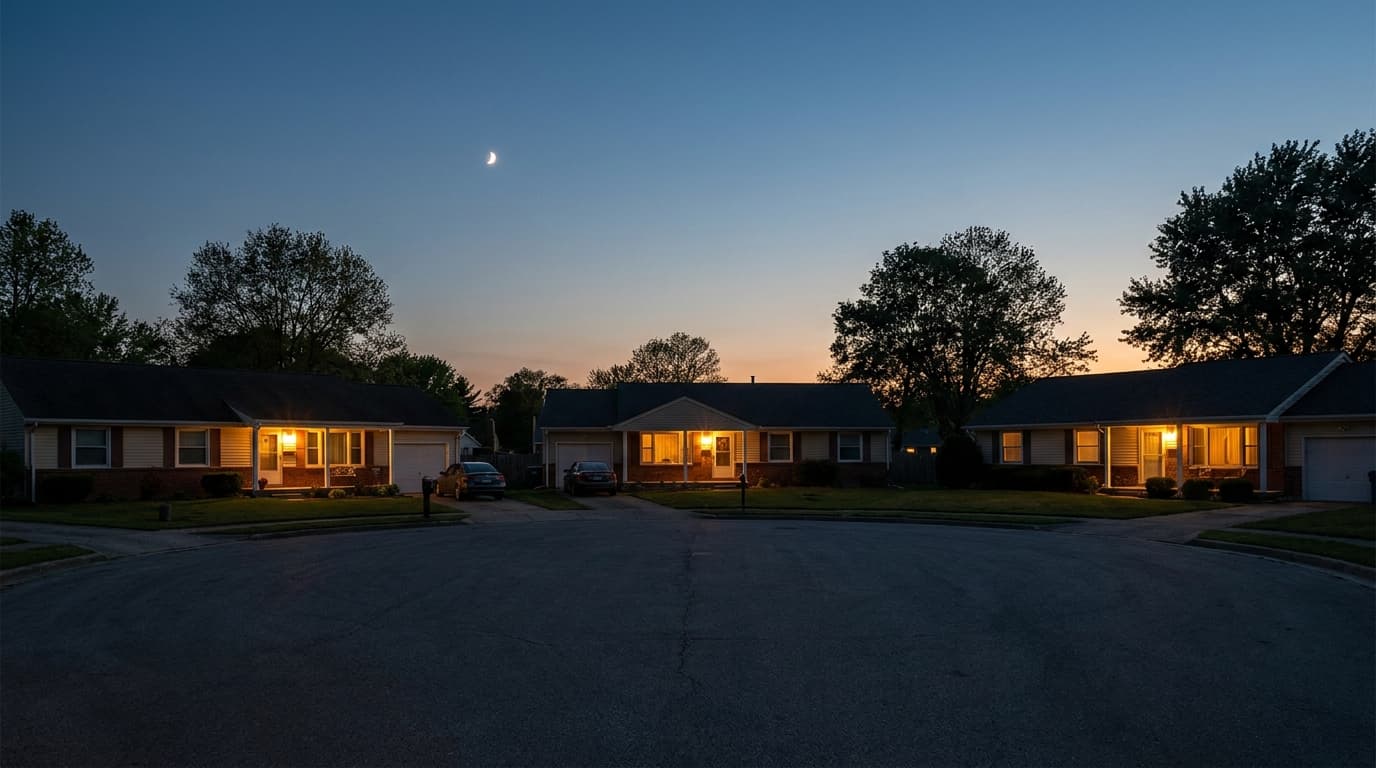
A holdover tenant is a renter who remains in the unit after the lease expires, and the landlord's next move decides whether that occupancy becomes a new periodic tenancy or an eviction case. In many places, the legal and financial fallout starts immediately, because holdover penalties can run 1.5 to 2 times base rent per month and some statutes allow damages of up to 3 months' rent for wrongful holdover.
That's the situation most landlords face on a Friday afternoon when the lease ended that morning, the keys still aren't back, and the tenant is texting for “a few more days.” If you've ever had a move-out drag into a new month, you already know the problem isn't just lateness. It's control, timing, and whether you accidentally accept a new tenancy you didn't want.
What Is a Holdover Tenant and Why It Matters to Landlords
A holdover tenant is a renter who stays in a property after the lease expires. That sounds simple, but the landlord's next move controls the outcome. Accept rent, and you may create a month-to-month tenancy or a renewed lease. Refuse it and move fast, and you may keep the matter on the path to removal instead of consent. For a clean legal overview, the Hawaii landlord tenant tag is a useful starting point when you want a practical lens on landlord-tenant issues without the fluff.
The core issue is not overstaying, it's legal posture
Most landlords focus on the missed move-out date. That is the wrong trigger. The trigger is the moment the lease ends, because from that point on the landlord has to choose between consent, refusal, or formal enforcement.
Accept rent after expiration, and many jurisdictions treat that as consent to continued occupancy, which can shift the tenant into a periodic tenancy or a renewed lease. Refuse rent and act promptly, and the occupant may be treated as a holdover or, in some situations, a trespasser subject to unlawful detainer proceedings. The landlord's response controls the posture, which is why timing matters more than sentiment.
Practical rule: do not treat holdover as a “few extra days” problem. Treat it as a fork in the road, because your first response often decides the case.
That is why the final 30 days of a lease matter more than the last 30 minutes of move-out day. A landlord who sets the terms early keeps the upper hand. A landlord who improvises often hands it away.
A holdover can also hit cash flow hard. In commercial settings, holdover penalties are common because owners need protection from vacancy loss, delayed re-leasing, and transition costs (Practical Law on holdover clauses)). In plain English, a tenant who does not leave on time can force a landlord to choose between money now, rights later, and sometimes both at once.
How Holdover Status Shifts From Lease End to Legal Posture
The move-out date is not the only line that matters. The lease expiration date is the point where the landlord has to decide what story the law should tell about the occupant. If you accept continued occupancy, the situation can shift toward a new tenancy. If you refuse it and act fast, you keep the case in holdover territory.
The three labels that matter
The labels that matter are tenant at sufferance, periodic tenancy, and trespasser. A tenant at sufferance is the standard holdover posture. The tenant is still physically in the unit, but the lease is over and the landlord has not clearly agreed to a new tenancy (National Eviction Authority on holdover status).
A periodic tenancy starts when the landlord's conduct signals consent to ongoing occupancy, often by accepting rent after the lease ends. In many states, that conduct can turn the former tenant into a month-to-month occupant with the rights that come with that status. Landlords who want the unit back should not blur that line. If you accept the arrangement, say so. If you do not, do not act like you did.
A trespasser is the hardest position for the occupant to defend. That label usually comes up when the landlord refuses rent and the tenant still will not leave. At that point, the landlord is usually looking at unlawful detainer or eviction proceedings.

One rent payment can change everything
Landlords get burned when a single rent payment after a lease expires is treated as consent in many jurisdictions. That can convert a removable holdover into a month-to-month arrangement. Once that happens, your notice obligations and eviction posture can change fast.
Accepting rent after expiry is not a neutral act. In many places, it reads like permission to stay.
Timing matters just as much as the payment itself. A landlord who wants possession should act immediately, because silence can look like consent and delay can weaken the enforcement position. As noted earlier, once the lease ends, the response you choose often decides whether the case stays a simple holdover matter or turns into a longer occupancy fight.
Residential vs Commercial Holdover Rules and the Money Involved
A holdover in a home and a holdover in a storefront are not the same problem. Residential cases are usually about getting the unit back for the next person, or restoring a clean turnover schedule. Commercial cases usually hit the landlord's bottom line faster, because the delay can block a replacement tenant, delay build-out work, or interfere with a sale.
Commercial leases price delay risk directly
Commercial landlords write holdover clauses for one reason, they refuse to eat the cost of someone staying too long. A well-drafted lease often charges a higher rent during the holdover period, and some regimes go further when occupancy is unauthorized. That is not punishment for drama. It is the price of lost time, lost use, and lost bargaining power.
A commercial holdover also gives the landlord cleaner language to act on. In practice, that means the lease itself often spells out what happens if the tenant stays, how much extra rent applies, and whether the landlord can recover damages beyond rent. The stronger the clause, the less room there is for a tenant to argue that the overstay was harmless. A plain-English example of how commercial holdover clauses are used is outlined in Practical Law on holdover clauses.
Florida shows how hard commercial holdovers can hit. As summarized in a legal practice guide, a tenant who stays after the lease ends without permission is a tenant at sufferance and may owe double the rent for the unauthorized occupancy (Jimerson Firm on commercial holdover tenants). That is a strong landlord position because it puts a real dollar cost on delay, not a vague warning.
The same guide notes that other jurisdictions can treat the overstaying tenant as liable for at least the lease rent during the holdover period, plus actual damages tied to the overstay. For a landlord, that matters because the loss is rarely limited to one missed payment. It can include vacancy carrying costs, delayed improvements, and the ripple effect of pushing back the next deal.
Residential holdovers are usually less scripted, but still costly
Residential landlords do not always get the same explicit penalty language, but the risk is still real. Once the lease ends, each extra day can create move-in delays, cleaning overruns, or a rent gap on the next occupant. In a single-unit building, that can wreck one month. In a larger portfolio, it can throw off the whole turnover calendar.
The money issue is different, not smaller. Residential holdovers are often decided by notice rules, acceptance of rent, and local eviction procedure. If the landlord wants the unit back, the smart move is to act fast and keep the message clean. The wrong move is to let the tenant linger while sending mixed signals, because that can turn a simple overstay into a live tenancy fight.
| Property Type | Typical Holdover Penalty | Default New Tenancy | Eviction Difficulty |
|---|---|---|---|
| Residential | Often set by local law or lease language, sometimes at normal rent or a modest penalty | Can become month-to-month if rent is accepted | Depends heavily on notice and local procedure |
| Commercial | Often 1.5x to 2x base rent per month | Usually controlled by lease terms and landlord consent | Can be faster if the lease language is tight |
The blunt lesson is simple. Commercial leases usually let you price the risk in advance. Residential leases usually force you to manage the risk through timing, notices, and careful rent handling. If the unit has to turn, act like it. If you want the tenant to stay, say so on purpose. If you need the place back now, use the unlawful detainer process overview and stop improvising.
The Landlord's Three Real Options After the Lease Ends
Most landlords think they have one move after expiration, eviction. That's wrong. You really have three: enforce possession, accept the tenant into a new tenancy, or negotiate a short surrender period that buys certainty.

Evict when the unit has to turn now
If a new tenant is waiting, a renovation is scheduled, or a sale depends on vacancy, file for possession fast. That's the cleanest move when you cannot afford to let the holdover drift. For a practical walk-through of the process, the unlawful detainer process overview is the kind of reference landlords should keep handy.
Accept rent only if you mean to create a new tenancy
If you want the tenant to stay, and you can live with month-to-month terms, accept the rent deliberately. Don't do it by accident. One mistaken deposit can look like consent, and that can weaken your position if the tenant later refuses to leave.
Negotiate a short extension when speed matters more than principle
A short holdover agreement, sometimes paired with a penalty rent, is often the smartest move when you need the place back soon but not today. It lets you set a move-out date, document the keys, and lock in consequences if the tenant misses the deadline. This is often cleaner than arguing over whether the tenant is technically still in possession.
Here's the decision table I'd use on any small portfolio:
| Goal | Best Move | Risk |
|---|---|---|
| Get possession immediately | Evict | Higher legal friction, but strongest control |
| Keep cash flow and let tenant stay | Accept rent | You may create a new tenancy |
| Buy a short, documented exit | Negotiate surrender | Requires discipline, but preserves leverage |
Do this, not that. Do choose the option that matches your actual business need. Don't half-choose one path while acting like you chose another. That's how landlords lose time and rights at the same time.
A 60-Day Playbook for Preventing and Handling Holdovers
Start 60 days before lease end, not after the keys are late. Holdovers are usually preventable when the landlord runs the end of the lease like a checklist instead of a hope-and-pray moment. I also tell owners to coordinate the move-out plan with practical logistics, because tenants who haven't packed properly are more likely to drift. A simple resource on storage types for apartment moves can help frame the move-out conversation without turning it into a fight.
Run the lease ending like an operating calendar
At 60 days out, confirm move-out intent in writing. At that point, you're not asking casually, you're documenting the answer. If the tenant plans to renew, move them onto the renewal track immediately.
At 30 days out, send the formal renewal or non-renewal notice required by your lease and local law. Then review the rent ledger for late or partial payments, because those often tell you whether the tenant is likely to overstay. If you already know the pattern is messy, don't wait for the final week to react.
Decide before the end date whether you want possession or rent
You need a hard decision point before expiration. If you want the unit back, prepare the notice to vacate and the follow-through. If you want to preserve the option to collect holdover rent, make sure your lease and notices support that outcome.
Landlord discipline beats landlord anger. The right move is the one that preserves your paper trail, not the one that feels satisfying in the moment.
If you're planning a turnover, map the move-out date against your next obligation. A scheduling tool like the VerticalRent eviction timeline calculator is useful because it forces you to think in dates, not emotions. That matters when a month-end move-out collides with cleaning, repairs, or a new lease start.
Lock down the boring details
Document the property condition before the tenant leaves. Keep photos, walk-through notes, and the key handoff in one file. If a partial payment shows up after expiration, pause before cashing it. That single move can change the legal posture of the case.
The safest habit is simple. Decide early, write everything down, and make sure every payment, notice, and move-out date matches the position you want to take.
Lease Clauses That Prevent Holdovers Before They Start
A holdover problem starts long before move-out day. The lease either gives you a clean end point, or it leaves room for a tenant to argue for extra time, softer terms, or free occupancy. If you want fewer disputes, write the lease to make the landlord's choice obvious in the final 30 days.
For a useful baseline on what belongs in a strong lease, compare your form against the required lease clauses in a rental agreement guide and strip out anything vague.
Use clear holdover language
A holdover clause should be plain enough that nobody has to guess what happens next. Use direct language like this:
Holdover Clause: If Tenant remains in possession after the Lease ends without Landlord's written consent, Tenant will pay holdover rent at 1.5x to 2x base rent for each month or part of a month of unauthorized occupancy, plus any actual damages permitted by law.
That wording does three jobs. It sets the penalty, requires written consent, and tells the tenant that staying past the deadline is expensive. In commercial leases, that structure protects the landlord and the next occupant from delay risk, which is why Practical Law on holdover clauses treats it as a standard drafting point.
Add the missing pieces most leases forget
Do not stop at the penalty sentence. Add a clause saying any extension must be in a signed written agreement. Add a renewal provision that says the lease does not continue automatically unless the landlord gives written approval. Add a payment clause that says acceptance of partial rent after expiration does not waive the landlord's right to possession unless the landlord clearly states otherwise.
That last clause matters because silence usually helps the tenant. Courts often read uncertainty against the landlord, especially when the paperwork does not match the landlord's position. If you want a clean end date, your lease has to say it clearly.
Write your lease for the dispute you do not want to have.
Build a renewal checklist into your process
Before each lease goes out, verify these items are in place:
- Holdover penalty language: clear multiplier or statutory reference.
- Written consent rule: no verbal extensions.
- Renewal timing: written notice deadline is visible.
- Move-out obligations: keys, cleaning, and final inspection.
- Rent handling rule: how post-expiration payments are treated.
Use that checklist every time, and holdover risk stops being a surprise. It becomes a process problem you can manage before it becomes a legal one. If you want help tightening the rest of the form, compare it with the same lease-clause checklist used by Gregory Property Agents property management.
Using Modern Rental Tools to Reduce Holdover Risk
The cleanest holdover case is the one that never becomes ambiguous. That's where software helps, not because tech solves bad tenants, but because it makes the landlord's paper trail harder to mess up. For independent owners, a platform like VerticalRent can handle lease generation, rent collection, and notices in one place, which is exactly the kind of structure that helps avoid post-expiration confusion.

Tools matter because timing matters
State-specific lease generation is useful when it inserts holdover language by default. Automated renewal reminders help you start the conversation before the lease ends. Online rent collection also matters because every payment gets logged, which makes it much easier to tell whether you accepted money on purpose or by accident.
That same structure helps with enforcement. If you need to refuse a post-term payment, the system should make that refusal obvious. If you decide to accept rent under new terms, the paper trail should reflect that too. A good property management workflow reduces the chance that a holdover argument turns into a “he said, she said” dispute.
For landlords who prefer a hands-on manager, a firm like Gregory Property Agents property management is a useful reference point for how outside management can formalize lease-end communication and follow-through. The point isn't the brand. The point is process.
A short video can also help owners see how lease-end automation fits into day-to-day management.
Don't let the lease end become a data problem
If your screening, rent ledger, and maintenance notes live in different places, you'll miss the warning signs. A tenant with a history of late payments, for example, deserves earlier renewal pressure and clearer move-out documentation. An AI risk summary that flags those patterns is useful because it keeps you proactive instead of reactive.
The best systems don't just collect rent. They make the end of the lease legible. That's what keeps a holdover from becoming a crisis.
If you want your lease endings to stop turning into messy, contested holdovers, use VerticalRent to put the paperwork, reminders, and rent records in one place. Visit VerticalRent and set up a cleaner lease-end process before the next move-out date hits.
Put this into practice
VerticalRent tools related to this guide
Legal Disclaimer
VerticalRent and its authors are not attorneys, CPAs, or licensed legal or financial advisors, and nothing on this site constitutes legal, tax, or professional advice. The information in this article is provided for general educational purposes only. Landlord-tenant laws, eviction procedures, security deposit rules, and tax regulations vary significantly by state, county, and municipality — and change frequently. Nothing on this site creates an attorney-client relationship. Always consult a licensed attorney or qualified professional in your jurisdiction before taking any action based on information you read here.
Co-founded VerticalRent in 2011, growing it from nothing to 100k landlords and renters. Sold it in 2019, then re-acquired it in 2026 to make it better than ever.


