The Eviction Process in North Carolina: Your Rights as a Renter
Facing eviction in North Carolina? Learn exactly how the legal process works, what your rights are at every step, and how to protect yourself from an unlawful removal.

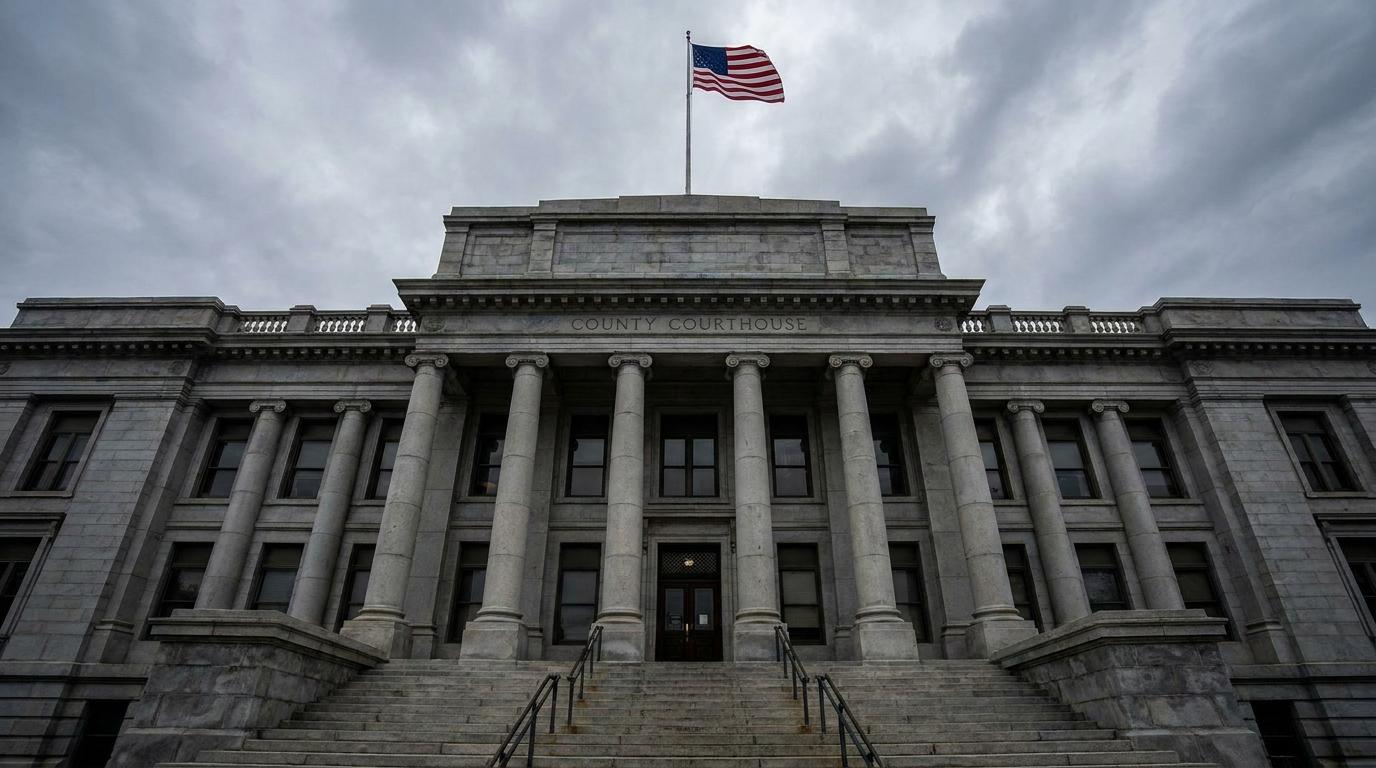
Eviction is one of the most stressful experiences a renter can face. The fear of losing your home, the confusion over legal paperwork, and the uncertainty about what comes next can feel completely overwhelming — especially if you've never been through the process before. In North Carolina, nearly 90,000 eviction cases are filed every single year, according to data tracked by Princeton University's Eviction Lab. That's one of the higher per-capita eviction filing rates in the southeastern United States. Yet many renters who face these cases don't fully understand the legal process, their rights, or the defenses available to them. The result? A large number of renters lose cases they might have won — simply because they didn't know what to do.
This guide is written specifically for renters in North Carolina who want to understand what eviction actually looks like under state law, what protections exist at each stage, and how to respond if you receive an eviction notice. Whether you're currently facing removal or simply want to be prepared, knowing the rules can make a significant difference in the outcome.
What Is Eviction, Legally Speaking, in North Carolina?
In North Carolina, the formal legal term for eviction is "Summary Ejectment." This is a civil court process governed primarily by Chapter 42 of the North Carolina General Statutes. A landlord cannot remove a tenant from a rental unit simply by changing the locks, shutting off utilities, removing doors, or disposing of a renter's belongings. These actions — sometimes called "self-help evictions" — are explicitly prohibited under North Carolina law. If a landlord attempts any of these tactics, they may actually face civil liability, and you as the tenant may have grounds to sue for damages.
Important: In North Carolina, a landlord CANNOT legally remove you by changing locks, cutting off utilities, or removing your belongings. Only a court order and a sheriff can lawfully remove a tenant. If this happens to you, contact a local legal aid organization immediately.
The only lawful path to removing a tenant in North Carolina is through the court system, beginning with proper written notice and ending — if the landlord prevails — with a Writ of Possession executed by the county sheriff. Understanding each step of this process puts you in a far better position to protect yourself.
Common Legal Reasons a Landlord Can Start an Eviction in North Carolina
Before an eviction can proceed, there must be a legally valid reason. Under N.C. Gen. Stat. § 42-26, the most common grounds for eviction in North Carolina include the following:
- Nonpayment of rent: This is the most frequent reason, accounting for the majority of eviction filings statewide.
- Violation of lease terms: Examples include unauthorized pets, unauthorized occupants, or property damage beyond normal wear and tear.
- Criminal activity: Drug-related activity or other criminal conduct that endangers other residents or the property.
- Holding over: When a tenant remains in the unit after the lease has expired and the landlord has not renewed or accepted rent for a new period.
- End of lease with proper notice: When a landlord chooses not to renew a lease, proper notice must still be given before eviction proceedings begin.
It's worth emphasizing that a landlord cannot evict you for retaliatory reasons. Under N.C. Gen. Stat. § 42-37.1, it is illegal for a landlord to evict you because you complained to a housing inspector, joined a tenants' union, or exercised another legal right. Retaliation is a recognized legal defense in North Carolina eviction court, and courts take it seriously.
Step 1: The Written Notice Requirement
Before a landlord can file anything with the court, they are generally required to give you written notice. The type and length of notice depends on the reason for eviction.
Notice to Quit for Nonpayment of Rent
For nonpayment of rent, North Carolina law does not require the landlord to give you a formal "pay or quit" notice period before filing for eviction. However, most lease agreements include a grace period — often five to ten days — during which you can pay rent before late fees apply. Once rent is overdue, a landlord can proceed fairly quickly. That said, many landlords will informally give tenants a few days to pay before escalating. If your landlord accepts a partial payment or accepts rent after the due date, it may complicate their ability to continue the eviction — this is known as "acceptance of rent" and may constitute a waiver of the breach.
Notice to Quit for Lease Violations
For lease violations other than nonpayment of rent — such as having an unauthorized pet or causing property damage — the notice requirements are less formally codified by statute but are typically outlined in your lease. Many leases require a landlord to give you notice of the violation and an opportunity to cure (fix) it within a specific timeframe before proceeding.
Notice to Quit for Holdover Tenancy
If you are a month-to-month tenant and your landlord wants to end the tenancy, they must give you at minimum a 7-day written notice under N.C. Gen. Stat. § 42-14. For week-to-week tenancies, the required notice is 2 days. For annual leases or leases longer than a month, different notice rules may apply depending on lease terms. This notice must be served properly — typically by personal delivery or by posting on the door and mailing — and the specific method matters. Improper service of notice can be a valid defense in court.
Pro tip: Keep every written notice your landlord gives you. Photograph it. Note the date and manner in which it was delivered. This documentation can be critical if you challenge the eviction in court.
Step 2: The Court Filing — Small Claims Eviction in North Carolina
If you do not vacate the property or resolve the issue after the required notice period, the landlord can file a complaint for Summary Ejectment with the Magistrate's Court — the small claims division of your county's District Court. The filing fee in North Carolina is relatively low, typically around $96 to $136 depending on the county and the claims involved. This low barrier is part of why North Carolina sees such a high volume of eviction filings annually.
Once the complaint is filed, the court will issue a Summons that is served on you, the tenant. This summons will state the date, time, and location of your hearing before a Magistrate. Under North Carolina law, the hearing must be scheduled no sooner than 7 days and no later than 30 days after the summons is issued. This means you typically have at least one week — but possibly up to a month — to prepare your response before your first court date.
This window is critical. It is your opportunity to gather documentation, speak with legal aid, pay any owed rent if applicable, and decide on your defense strategy. Do not ignore the summons. Failing to appear almost certainly results in a default judgment against you.
Step 3: Your Hearing Before the Magistrate
The Magistrate's hearing is an informal proceeding, but it carries real legal weight. Both you and your landlord will have the opportunity to present your sides of the story. The Magistrate will hear evidence, review documents, and ask questions. You are allowed to bring witnesses, photographs, written communications (texts, emails), payment receipts, and your lease agreement.
Common defenses that tenants can raise at this hearing include:
- Payment of rent: Bring receipts, bank statements, or money order stubs proving you paid.
- Improper notice: The landlord did not serve the required notice correctly or at all.
- Retaliation: The eviction is in response to a complaint you made about habitability or repairs.
- Waiver by acceptance of rent: The landlord accepted rent after the alleged violation, waiving their right to evict for that specific breach.
- Habitability issues: The property has serious repair problems affecting your health and safety (though this defense is narrower in North Carolina than in some other states).
- Discriminatory eviction: The eviction is based on race, religion, national origin, sex, disability, or familial status — all protected classes under the Fair Housing Act.
After hearing both sides, the Magistrate will make a ruling — usually that same day. If the landlord wins, a judgment for possession will be issued. If you win, the case is dismissed. If money is owed, the Magistrate may also enter a money judgment for back rent in the same proceeding.
Step 4: The 10-Day Appeal Window — Don't Miss It
If the Magistrate rules against you, do not give up. Under North Carolina law, you have 10 days from the date of judgment to appeal the case to the District Court. This is an extremely important right. An appeal essentially gives you a brand new hearing — called a "de novo" hearing — before a District Court judge where all the evidence is considered fresh.
To file the appeal, you must go to the clerk of court's office in your county and pay an appeal bond (or filing fee). In eviction cases, the bond amount is typically tied to the rent owed. If you cannot afford the bond, you may be able to request an in forma pauperis status (meaning you are indigent) which can waive or reduce the cost. Talk to a legal aid attorney as quickly as possible if you are in this situation.
Critical: Filing an appeal stops ("stays") the eviction process while your appeal is pending, as long as you continue paying rent into the court during the appeal period. This means filing an appeal can keep you in your home for additional weeks or months while you pursue your case.
Step 5: The Writ of Possession and Sheriff Removal
If you do not appeal, or if you lose on appeal, the landlord can apply for a Writ of Possession after the 10-day appeal period expires. The Writ is an order directing the county sheriff to remove you from the property. The sheriff will typically post notice at your door before returning to physically enforce the removal — this usually gives you a small additional window of time, though it is not guaranteed by statute.
On the day of the writ execution, the sheriff will arrive and require you to leave. At that point, your belongings will likely be placed outside or the locks will be changed by the landlord. You will not be able to re-enter. This is why it is so important to have a plan — whether that's finding alternative housing, reaching out to emergency housing assistance programs, or working out a settlement with your landlord before it reaches this point.
Special Protections: Domestic Violence, Subsidized Housing, and Military Tenants
Domestic Violence Protections
North Carolina law provides meaningful protections for tenants who are victims of domestic violence, sexual assault, or stalking. Under N.C. Gen. Stat. § 42-45.1, a tenant who is a victim of these crimes may terminate a lease early with proper documentation — such as a protective order or a police report — without being liable for early termination fees. Additionally, a landlord cannot evict a tenant solely because they are a victim of domestic violence. If your landlord is trying to evict you because an abuser came to the property or because of incidents related to the abuse, you may have a defense.
Public Housing and Section 8 Tenants
If you live in federally subsidized housing or receive a Housing Choice Voucher (Section 8), additional federal protections apply beyond state law. Public housing authorities must provide written notice, follow grievance procedures, and demonstrate "good cause" for eviction. The specific rules depend on your housing authority and the program you are enrolled in. Contact your local housing authority directly if you are facing eviction in subsidized housing, and consider reaching out to your local HUD-approved housing counselor.
Military Service Members
Active-duty service members have important protections under the federal Servicemembers Civil Relief Act (SCRA). If your rent is below a certain threshold (adjusted periodically by law) and you receive deployment orders or a permanent change of station, you may be able to terminate your lease early or potentially stay an eviction proceeding. If you are an active-duty service member facing eviction, contact your base's legal assistance office immediately.
The Impact of an Eviction Record — And How to Minimize It
One aspect of eviction that many tenants don't fully appreciate until it's too late is the long-term damage to their rental history. In North Carolina — as in most states — an eviction filing becomes a matter of public record even if you win the case or the case is dismissed. Tenant screening companies frequently report eviction filings (not just judgments), which can make it very difficult to rent another home for years afterward.
According to a 2021 report by the Urban Institute, renters with eviction records face significantly higher rejection rates from landlords — sometimes exceeding 70% in competitive rental markets. This creates a cycle where a single eviction filing can destabilize housing for years.
Here are steps you can take to protect your rental history:
- 1Negotiate a settlement before the court date: If you can pay the rent owed or resolve the issue, ask the landlord to dismiss the case in writing before it's filed or before the hearing date.
- 2Request a voluntary dismissal: If you resolve the issue, ask the landlord to file a voluntary dismissal with the court.
- 3Seek expungement: North Carolina allows some eviction records to be expunged under specific conditions. As of 2023, N.C. Gen. Stat. § 42-74 allows tenants to petition for expungement of dismissals, cases where the tenant prevailed, or cases older than ten years in some circumstances. Consult an attorney about whether you qualify.
- 4Dispute inaccurate screening reports: Under the Fair Credit Reporting Act, you have the right to dispute inaccurate or outdated eviction records reported by tenant screening agencies.
- 5Be proactive with future landlords: Transparency — especially with an explanation and evidence of resolution — can sometimes overcome a past eviction record.
Where to Get Help in North Carolina
You do not have to navigate an eviction alone. North Carolina has a network of legal aid organizations specifically designed to help low-income tenants facing housing crises. Free or low-cost legal help can dramatically improve your odds in court. Here are resources to know:
- Legal Aid of North Carolina (legalaidnc.org): Provides free civil legal services to low-income individuals. Has offices across the state and handles eviction defense.
- NC 2-1-1: A statewide helpline that connects you with local housing, utility, and social services resources.
- North Carolina Bar Association Lawyer Referral Service: Can connect you with private attorneys who handle landlord-tenant law.
- Community Action Agencies: Local nonprofits that may offer emergency rental assistance to help you pay back rent and avoid eviction.
- NC Housing Coalition: Advocates for affordable housing and can point you toward local resources.
- Your county courthouse self-help center: Many North Carolina counties have staffed self-help centers where clerks (not attorneys) can help you understand court procedures.
Emergency rental assistance programs also exist at the county level throughout North Carolina. Funding has fluctuated significantly since the end of federal COVID-era programs, but many counties still have limited funds available through community action agencies or local nonprofits. Apply as early as possible — these funds are often exhausted quickly.
What Landlords Are Required to Maintain: Habitability in North Carolina
It's worth understanding that the landlord-tenant relationship in North Carolina is a two-way street. Under N.C. Gen. Stat. § 42-42, landlords are legally obligated to maintain rental properties in a fit and habitable condition. This includes keeping heating, plumbing, and electrical systems in working order, maintaining the structure of the building, and complying with all applicable housing codes. If your landlord has failed to make necessary repairs that affect your health or safety, you have several options — including complaining to your local housing or building inspector — which can also serve as evidence of retaliation if an eviction follows shortly afterward.
While North Carolina does not allow "rent withholding" in the same straightforward way some other states do, there is a limited "repair and deduct" remedy available under specific circumstances. Because this remedy is narrow and can backfire if done incorrectly, consult with a legal aid attorney before withholding or reducing rent for repairs.
How Technology Can Help Both Renters and Landlords Navigate the Process Fairly
While this article focuses on renters' rights, it's worth noting that the eviction process is better for everyone — landlords and tenants alike — when communication is clear, documentation is organized, and disputes are addressed early. Modern property management platforms like VerticalRent are built to support transparent, lawful landlord-tenant relationships from the very beginning of a tenancy.
For example, VerticalRent's AI lease generation tool creates state-compliant lease agreements — including North Carolina-specific terms — in minutes, so that both parties understand their rights and obligations clearly from day one. When lease terms are unambiguous, many of the disagreements that lead to eviction proceedings can be avoided entirely. VerticalRent's automated ACH rent collection also creates a clear payment trail, so there is never any ambiguity about whether rent was paid and when — documentation that can matter enormously if a case ever reaches a Magistrate's courtroom.
And for renters wondering about their application history, VerticalRent's AI risk scoring system is designed to give landlords a fair, objective picture of an applicant — reducing the likelihood of arbitrary rejections that can push people into housing instability in the first place.
Key Takeaways: Know Your Rights Before You Need Them
Eviction in North Carolina follows a specific legal process, and that process is full of points where a knowledgeable tenant can intervene, defend themselves, or negotiate a better outcome. You have more rights than you may realize — but only if you exercise them. The worst thing you can do when facing an eviction is to ignore the notice, skip the court date, or assume the outcome is predetermined.
- Self-help evictions (lock changes, utility shutoffs) are illegal in North Carolina — period.
- You have the right to a court hearing with at least 7 days' notice after a complaint is filed.
- You can present evidence and defenses at your Magistrate hearing.
- You have 10 days to appeal a Magistrate's ruling to District Court.
- Filing an appeal can pause your eviction while the new hearing is scheduled.
- Retaliation and discrimination are valid defenses to eviction under North Carolina law.
- Free legal help is available through Legal Aid of North Carolina.
- An eviction filing — even one you win — can appear on your rental history. Take every filing seriously.
Whether you're currently facing eviction or simply want to be a more informed renter, knowledge is your most powerful tool. Bookmark this guide, share it with someone who needs it, and reach out to legal aid if your situation escalates.
Take Control of Your Rental Experience with VerticalRent
Navigating the rental world — from applications to lease agreements to knowing your rights — doesn't have to be overwhelming. VerticalRent was built to bring fairness and transparency to the rental process for everyone involved. If you're a renter looking for tools to help you stay organized, document your tenancy, and communicate clearly with your landlord, explore what VerticalRent has to offer at verticalrent.com. And if you're a landlord reading this and want to manage your properties in a way that minimizes disputes and keeps things above board, our AI-powered platform has you covered too. Frank, our AI assistant, is always standing by to answer your property management questions in plain language — no legal jargon required.
**Legal Disclaimer** *The information in this article is provided for educational purposes only and does not constitute legal advice. Tenant-landlord laws vary significantly by state, county, and city and may have changed since this article was written. VerticalRent is not a law firm and the author is not an attorney. If you have a specific legal situation, please consult a licensed attorney in your jurisdiction.*
Put this into practice
VerticalRent tools related to this guide
Legal Disclaimer
VerticalRent and its authors are not attorneys, CPAs, or licensed legal or financial advisors, and nothing on this site constitutes legal, tax, or professional advice. The information in this article is provided for general educational purposes only. Landlord-tenant laws, eviction procedures, security deposit rules, and tax regulations vary significantly by state, county, and municipality — and change frequently. Nothing on this site creates an attorney-client relationship. Always consult a licensed attorney or qualified professional in your jurisdiction before taking any action based on information you read here.
Co-founded VerticalRent in 2011, growing it from nothing to 100k landlords and renters. Sold it in 2019, then re-acquired it in 2026 to make it better than ever.


