Metal Roofing Installation: A Growing Market Segment for Roofers
Metal roofing is one of the fastest-growing segments in residential construction. Here's how roofers can price, market, and scale a profitable metal roofing business.

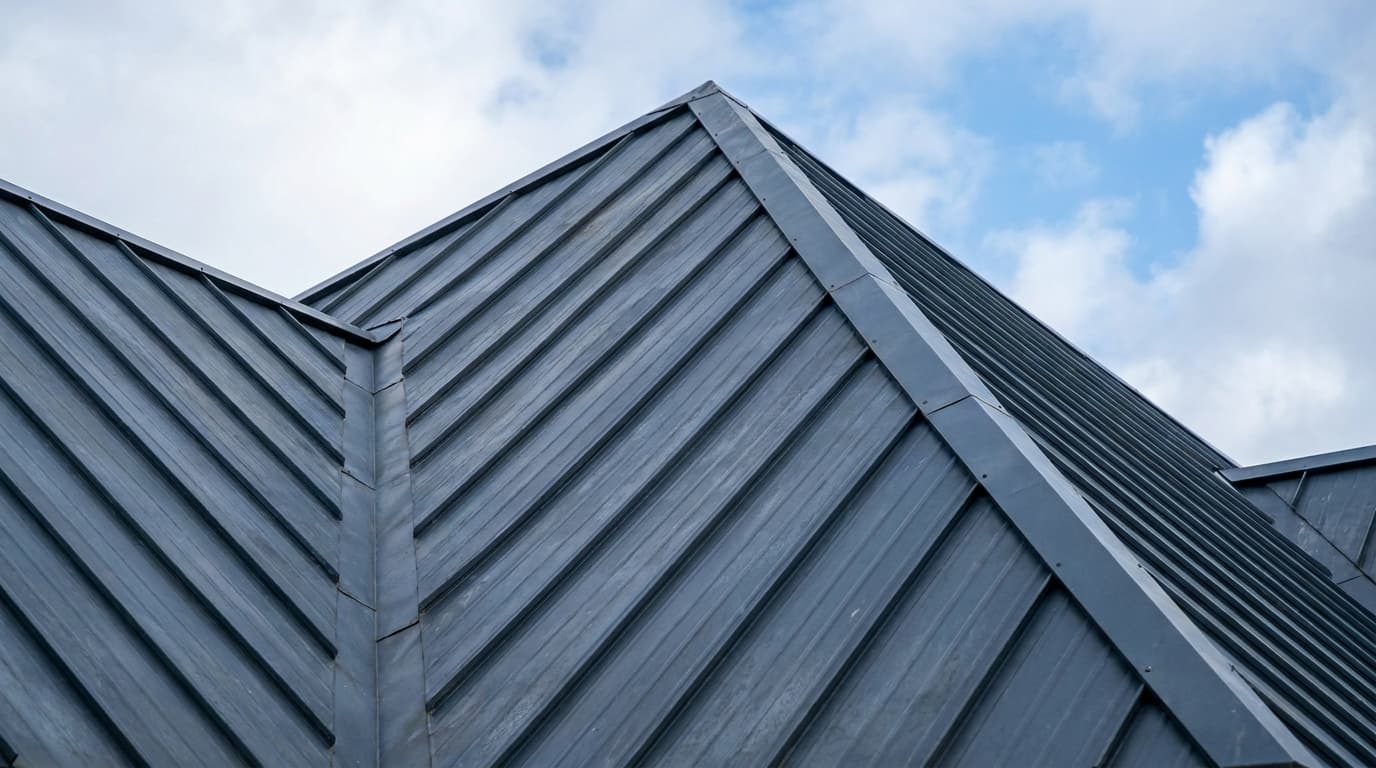
The residential roofing market in the United States is a $56 billion industry — and one segment within it is outpacing everything else. Metal roofing, once considered a niche product reserved for commercial buildings and agricultural structures, has exploded into mainstream residential construction. According to the Metal Roofing Alliance, metal roofing now accounts for approximately 17% of the residential re-roofing market in North America, up from just 4% in 2000. That's a 325% market share increase in roughly two decades, and the trajectory is still climbing. For professional roofers who haven't yet built a metal roofing specialization, that number should be impossible to ignore.
What's driving the surge? Homeowners are getting smarter about total cost of ownership. A quality asphalt shingle roof lasts 20–30 years under ideal conditions. A standing seam metal roof, installed correctly, can last 50–70 years or more. With average re-roofing costs ranging from $8,000 to $25,000+ depending on size and material, homeowners are increasingly willing to pay a premium upfront — often 2 to 3 times the cost of asphalt — for a product they'll never have to replace again. Add in energy efficiency, insurance discounts, and the rising frequency of severe weather events, and the value proposition practically sells itself.
For roofers, this shift represents a significant income opportunity. Metal roofing jobs carry higher per-square margins, attract higher-income homeowners, generate fewer warranty callbacks, and differentiate your business in a crowded market. But breaking into this segment — and scaling it profitably — requires a deliberate strategy around training, pricing, marketing, and business operations. This guide covers all of it.
Understanding the Metal Roofing Market Landscape
Before you build a service offering, you need to understand who's buying metal roofs and why. The market breaks into three primary customer segments: new construction homeowners, re-roofing replacement customers, and storm damage claimants. Each has distinct motivations and a different sales cycle.
New Construction
Builders and custom home buyers at the higher end of the market are increasingly specifying metal roofing in new builds. According to the National Association of Home Builders, homes priced above $500,000 are significantly more likely to feature metal roofing than entry-level new construction. If you can establish relationships with custom home builders and luxury home general contractors in your area, you can generate a consistent pipeline of new installation work.
Re-Roofing Replacement
This is the largest and fastest-growing segment. Homeowners whose asphalt shingles are reaching end-of-life are researching their options more thoroughly than ever before — largely because of YouTube and online review platforms. A homeowner who starts researching 'best roofing materials' will encounter metal roofing within minutes and often arrive at your estimate appointment already pre-sold on the concept. Your job is simply to convert their curiosity into a signed contract.
Storm Damage Claims
Hailstorms, high winds, and severe weather events are increasing in frequency due to climate shifts. The Insurance Information Institute reported that insured losses from severe convective storms exceeded $50 billion in 2023 alone. After a major storm event, many homeowners use the insurance payout to upgrade from shingles to metal — particularly in hail-prone states like Texas, Colorado, Kansas, and Oklahoma. Building relationships with public adjusters and insurance agents in storm-affected markets can unlock a powerful referral channel.
Types of Metal Roofing You Should Know How to Install
Not all metal roofing is the same, and the type of product you install will heavily influence your pricing, labor time, and equipment requirements. Here's a breakdown of the most common residential metal roofing systems.
- Standing Seam Metal Roofing: The premium segment. Panels interlock vertically with concealed fasteners, creating a clean, modern appearance. Requires specialized training and tools. Labor-intensive but commands the highest margins — often $12–$20+ per square foot installed.
- Exposed Fastener Metal Panels (R-Panel, 5-V Crimp): Lower cost, faster to install, and more forgiving for less experienced crews. Common in agricultural and entry-level residential applications. Installed cost typically runs $5–$10 per square foot.
- Metal Shingles and Tiles: Designed to mimic the look of asphalt, slate, or clay tile while offering metal's durability. Popular in HOA-governed communities where standing seam aesthetics may not fit. Mid-range pricing at $8–$14 per square foot installed.
- Corrugated Metal Panels: The original metal roofing product. Still used in residential applications for a rustic or industrial aesthetic. Lower cost but limited in high-end residential appeal.
- Copper and Zinc Roofing: Specialty materials for premium architectural projects. Extremely high margins but require specialized skills and are typically limited to custom home markets.
Pro Tip: Starting with exposed fastener panels and metal shingles allows your crew to build metal roofing experience without the steep learning curve of standing seam. Once you've completed 10–15 jobs, invest in standing seam training and tooling to access the highest-margin segment.
Pricing Metal Roofing Jobs for Maximum Profitability
Pricing is where many roofers leave significant money on the table when entering the metal roofing market. The temptation is to price metal jobs using the same markup formula you apply to shingle work — but that approach ignores the fundamentally different cost structure, skill premium, and market positioning that metal roofing commands.
Understanding Your True Cost Structure
Material costs for metal roofing vary significantly based on product type, gauge, coating, and current steel market prices. As of 2024, Galvalume steel panels typically run $1.50–$3.50 per square foot at the distributor level, while premium standing seam systems from manufacturers like Englert, Petersen, or ATAS can run $4–$8+ per square foot for materials alone. Always get current pricing directly from your distributor and build quotes on actual landed cost, not memory or general estimates.
- 1Calculate your material cost per square foot based on current distributor pricing, including accessories like trim, underlayment, fasteners, sealants, and ridge caps. Never estimate material — always measure and quote precisely.
- 2Estimate labor hours accurately. Metal roofing is slower to install than asphalt for most crews until they've built significant repetition. A 30-square standing seam job that an experienced crew can complete in 2 days may take a newer crew 3–4 days. Price for your actual labor time, not an optimistic projection.
- 3Factor in equipment costs. Seamers, snap-lock tools, and specialty metal cutting equipment represent real capital investment. Amortize these costs into your per-job overhead.
- 4Add your overhead allocation — insurance (metal roofers often see higher liability premiums), vehicle costs, licensing, software, and administrative time.
- 5Apply your target gross margin. In the metal roofing segment, gross margins of 40–55% on materials and labor are achievable for experienced contractors with strong market positioning. Don't underprice to win jobs — the customers who appreciate metal want quality, not the cheapest bid.
The Comparison Sell: Your Most Powerful Pricing Tool
When presenting a metal roofing proposal, never lead with price. Lead with a side-by-side lifecycle cost comparison. A homeowner who pays $12,000 for an asphalt roof today will pay another $14,000 to replace it in 25 years — a total spend of $26,000 over 50 years, not counting maintenance. A metal roof installed today for $28,000 requires no replacement over the same period and may outlast the homeowner's ownership of the home. When framed this way, the metal option often wins even at a higher sticker price. Build this comparison into every proposal document you deliver.
Training and Certification: Building Credibility That Sells
Metal roofing is a specialized trade, and homeowners investing $20,000–$50,000 in a roof want assurance that the person installing it knows what they're doing. Formal training and manufacturer certification aren't just skills investments — they're marketing assets.
- Metal Construction Association (MCA): Offers technical resources, installation guides, and industry-recognized credentials for metal roofing professionals.
- Manufacturer Certification Programs: Companies like Englert, Drexel Metals, and ATAS offer certified installer programs that allow you to offer extended manufacturer warranties — a powerful sales differentiator.
- Metal Roofing Alliance Contractor Locator: MRA-member contractors are listed in a consumer-facing directory actively searched by homeowners researching metal roofing. Membership and listing are worth pursuing early.
- OSHA and Safety Training: Metal roofing involves working with sharp-edged materials at elevation. Ensure your crew has current fall protection training and that your safety program is documented.
- Local Building Code Familiarity: Metal roofing installation requirements vary by jurisdiction. Understand your local wind uplift requirements, code-required underlayments, and permit processes before quoting your first job.
Marketing Your Metal Roofing Services Effectively
Breaking into the metal roofing segment requires intentional marketing — both digital and relationship-based. The good news is that most of your competitors in the local market either don't offer metal roofing or don't market it effectively. That creates a significant first-mover advantage for contractors willing to invest in positioning.
Digital Marketing Fundamentals
Your Google Business Profile is the single most important digital asset for a local roofing contractor. Ensure it is fully completed with your service areas, photos of completed metal roofing projects, and a consistent stream of customer reviews. Google's local search algorithm heavily weights review quantity and recency, so building a systematic review request process should be a top priority after every completed job.
Beyond Google, invest in a dedicated landing page on your website specifically for metal roofing — not just a line item in a general services list. This page should include before-and-after project photos, manufacturer certifications, a lifecycle cost calculator or comparison chart, and a clear call to action for a free estimate. Long-tail search terms like 'standing seam metal roof installation [your city]' or 'metal roof cost [your city]' have high buyer intent and are often less competitive than generic 'roofing contractor' terms.
Before-and-After Content and Social Proof
Metal roofing photographs exceptionally well — the clean lines of standing seam and the dramatic transformation from worn asphalt to a finished metal roof make for compelling visual content. Build a habit of photographing every project from multiple angles at completion. Post this content consistently on Instagram, Facebook, Houzz, and Nextdoor. Neighborhood social platforms like Nextdoor are particularly effective for roofing contractors because roof decisions are hyperlocal and neighbor recommendations carry enormous weight.
Referral and Relationship Marketing
The highest-value leads for metal roofing come through relationships, not paid advertising. Build deliberate referral relationships with real estate agents (who influence buyer decisions on roof upgrades), insurance agents (who can recommend you to policyholders after claim events), custom home builders, and architects. A structured referral program — even a simple gift card or donation to a charity of the referrer's choice — formalizes these relationships and keeps your business top of mind.
Scaling Your Metal Roofing Business
Once you've completed your first dozen metal roofing jobs and refined your installation process, the focus shifts from proving capability to building scalable systems. Scaling a metal roofing specialty requires attention to crew development, supplier relationships, and operational infrastructure.
Building and Training Your Crew
Metal roofing installation is skills-intensive enough that you can't simply add bodies and expect quality output. Develop an internal training program — even an informal one — that takes new hires through material handling, panel cutting, fastener installation, and trim and flashing details before they work on a paying customer's home. Consider sending lead installers to manufacturer training events, which are often offered free or at low cost to certified installer partners.
Supplier Relationships and Volume Pricing
As your metal roofing volume grows, prioritize consolidating your purchases with one or two primary distributors to build toward volume pricing tiers. Many metal roofing distributors offer rebate programs based on annual purchase volume — these rebates can meaningfully improve your net margins without raising prices to customers. Additionally, establish a standing account with a local rollforming shop if custom panel lengths are required for your projects, as roll-formed panels eliminate the waste and seam risk associated with overlapping shorter panels.
Operational Systems That Support Growth
Growing contractors frequently hit a ceiling not because they lack work, but because their operational systems can't keep pace with volume. Estimating, scheduling, customer communication, invoicing, and follow-up need to be systematized before you scale, not after. This is where platforms built for service professionals become genuinely valuable — not just nice-to-have tools.
How VerticalRent Connects Roofers with Landlord Clients at Scale
One of the most underserved client segments for metal roofing contractors is independent landlords and property investors. A landlord with five rental properties who installs metal roofing on one during a roof replacement is an extraordinarily high-value customer — they manage multiple properties, they think in terms of long-term ROI, and if you do excellent work, they'll likely call you for every subsequent roof replacement across their portfolio. The challenge is finding these clients efficiently.
VerticalRent's service professional marketplace is built specifically around this connection. Independent landlords using VerticalRent to manage their rental properties can submit maintenance and improvement requests directly through the platform — including roofing projects — and those requests are dispatched to qualified service professionals in the area. When a landlord submits a roofing job, VerticalRent's AI maintenance triage system evaluates the request, determines urgency and scope, and routes it to relevant professionals in the marketplace. As a listed service professional, you receive the lead directly without competing on a generic bidding platform.
VerticalRent charges service professionals a simple 3% platform fee on jobs completed through the marketplace — no monthly subscription, no pay-to-play lead fees. You only pay when you earn.
The 3% platform fee model is a meaningful structural advantage over traditional lead generation services. Platforms like HomeAdvisor or Angi charge contractors flat fees of $15–$100 per lead — regardless of whether the lead converts to a job. On a $30,000 metal roofing project completed through VerticalRent's marketplace, the platform fee is $900. Compare that to paying $50 per lead at a 20% conversion rate, where you'd spend $250 in lead fees to generate that same single job — and the math favors VerticalRent's model significantly, especially for higher-ticket specialty work like metal roofing.
Beyond the financial structure, the quality of the client relationship matters. Landlords who manage their properties through VerticalRent are organized, financially minded, and relationship-oriented. They're not calling five contractors for the cheapest bid on a $3,000 shingle patch — they're investing in their asset and looking for a reliable partner who can serve their portfolio over time. That's exactly the client profile that makes metal roofing a sustainable specialty business.
AI-Powered Job Dispatch: How It Works for You
VerticalRent's AI maintenance triage system doesn't just log maintenance requests — it intelligently categorizes them by trade, urgency, and scope before routing them to the marketplace. When a landlord reports a roofing issue — whether it's a full replacement inquiry, storm damage assessment request, or maintenance inspection — the AI system evaluates the description, flags urgency indicators, and dispatches to credentialed roofing professionals in the service area. As a listed service pro, your profile data — including your specialty in metal roofing, your service area, and your rating history — is factored into how dispatches are matched. The better your profile and track record on the platform, the more prominently you appear in dispatch matching.
This AI-driven approach eliminates the noise of generic lead platforms where every contractor in a 50-mile radius gets the same lead and races to the bottom on price. VerticalRent's marketplace is designed around quality matching, which means the leads you receive are genuinely relevant to your service offerings — and you're not competing against 12 other contractors who have nothing to do with metal roofing.
The Financial Case for Metal Roofing Specialization
Let's close with the numbers that make the business case concrete. A roofing contractor completing 50 asphalt shingle re-roofing jobs per year at an average ticket of $9,000 generates $450,000 in annual revenue. At a 35% gross margin, that's $157,500 in gross profit. Now consider that same contractor completing 50 jobs per year — but a mix of 30 shingle jobs and 20 metal roofing jobs. The 20 metal jobs average $24,000 each. The 30 shingle jobs generate $270,000; the 20 metal jobs generate $480,000 — total revenue of $750,000. At a 45% gross margin on the metal work and 35% on shingles, total gross profit climbs to $310,500. That's nearly double the gross profit from the same number of jobs — just by shifting 40% of the business toward a higher-value product.
The math is compelling. And it compounds over time as your reputation in the metal roofing segment grows, your crew's efficiency improves, and your marketing presence generates inbound leads rather than requiring paid acquisition. The contractors who begin building this specialization today will be the dominant metal roofing installers in their markets in three to five years — while competitors are still debating whether to make the investment.
The residential metal roofing market is projected to reach $8.1 billion in North America by 2028. The question isn't whether the market is real — it's whether you'll be positioned to capture your share of it.
Start Connecting with Landlord Clients Today
Metal roofing specialization is one of the highest-leverage moves a roofing contractor can make in 2025 and beyond. The market is growing, the margins are strong, and the client profile — particularly property investors and landlords — rewards contractors who deliver quality and reliability over the long term. You've now got the roadmap: understand the product landscape, price confidently, invest in training, build your marketing presence, and systematize operations to support growth.
The final piece is making sure the right clients can find you. VerticalRent's service professional marketplace connects qualified tradespeople — including roofing contractors with metal roofing expertise — directly with independent landlords and property investors managing real assets that need real maintenance. No monthly fees. No pay-per-lead games. Just a straightforward 3% platform fee on completed jobs, and AI-powered dispatch that matches you to relevant work in your service area.
Create your free service professional profile on VerticalRent today at verticalrent.com. List your roofing services, highlight your metal roofing specialization, define your service area, and start receiving dispatched job opportunities from landlords and property investors in your market. It takes less than 10 minutes to set up — and your next high-value metal roofing client could already be on the platform waiting.
Put this into practice
VerticalRent tools related to this guide
Legal Disclaimer
VerticalRent and its authors are not attorneys, CPAs, or licensed legal or financial advisors, and nothing on this site constitutes legal, tax, or professional advice. The information in this article is provided for general educational purposes only. Landlord-tenant laws, eviction procedures, security deposit rules, and tax regulations vary significantly by state, county, and municipality — and change frequently. Nothing on this site creates an attorney-client relationship. Always consult a licensed attorney or qualified professional in your jurisdiction before taking any action based on information you read here.
Co-founded VerticalRent in 2011, growing it from nothing to 100k landlords and renters. Sold it in 2019, then re-acquired it in 2026 to make it better than ever.


