Storm Damage Roofing: Working with Insurance Claims the Right Way
Storm damage roofing jobs are among the most lucrative—and most complex—work available to roofing contractors. Learn how to navigate insurance claims, price jobs correctly, and scale your storm restoration business.

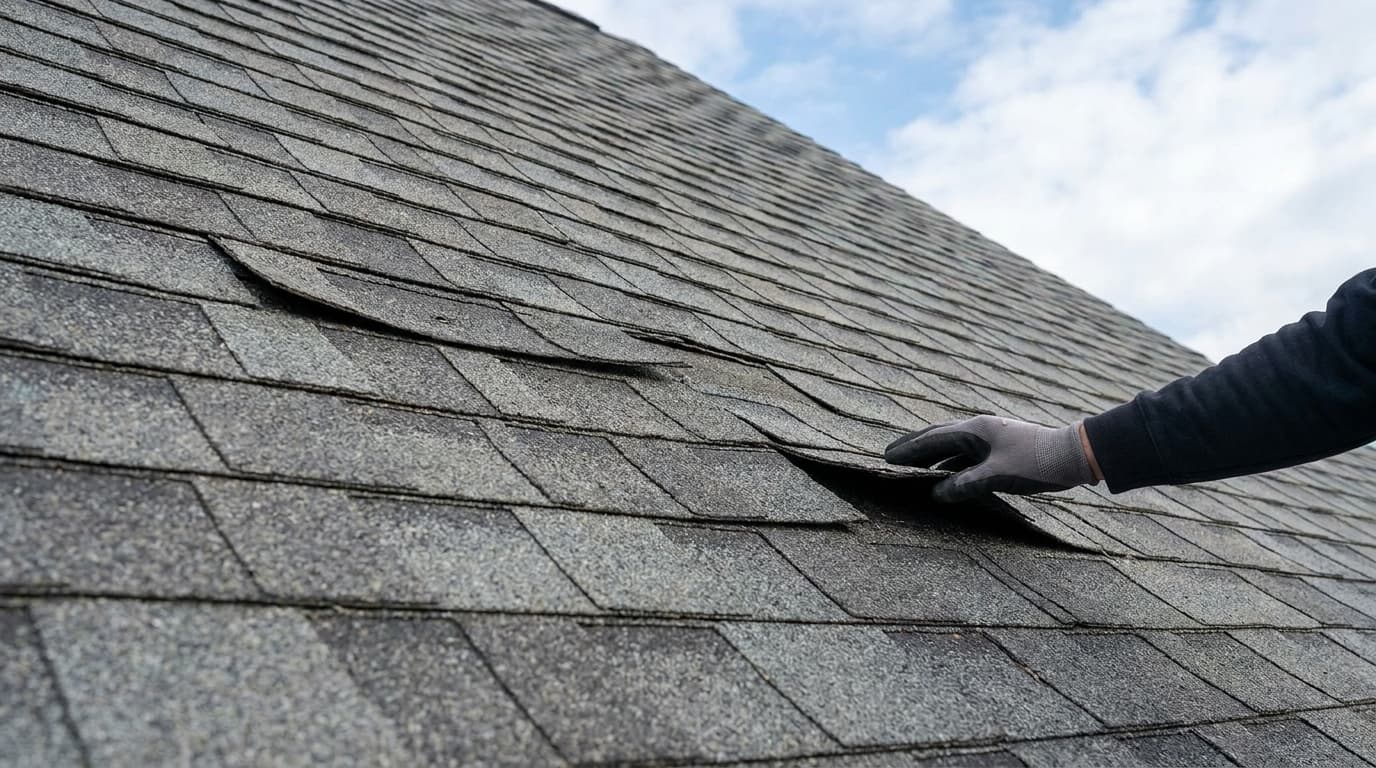
The United States experienced 18 separate billion-dollar weather and climate disasters in 2023 alone, according to NOAA — a figure that has become grimly routine in the modern era of intensifying storm seasons. For roofing professionals, that number represents something else entirely: an enormous, recurring pipeline of legitimate, insurance-backed work. The Insurance Information Institute reports that wind and hail damage accounts for roughly 34% of all homeowner insurance losses paid each year, making it the single largest category of property claims in the country. If you're a roofing contractor who hasn't systematically built your business around storm restoration and insurance claim work, you are leaving significant revenue on the table — and your competitors are picking it up.
But storm damage roofing isn't just about showing up after a hailstorm with a ladder and a business card. The insurance claims process is its own ecosystem — with adjusters, public adjusters, supplement negotiations, Xactimate line items, depreciation holdbacks, and documentation standards that can make or break your profit margin on any given job. Done right, insurance restoration roofing delivers higher average ticket sizes, better cash flow predictability, and deeper relationships with property owners — including landlords and property managers who will call you every single time severe weather rolls through. Done wrong, it exposes you to chargebacks, licensing board complaints, contractor fraud allegations, and unpaid invoices you'll chase for months.
This guide is built for roofing professionals who are ready to take storm restoration seriously as a business model — not just as an occasional windfall. We'll cover how to document damage correctly, how the insurance workflow actually operates, how to price your work so you get paid fairly, how to market yourself to landlords and property managers, and how platforms like VerticalRent are changing the way service professionals connect with the property owners who need them most.
Understanding the Scale of the Storm Roofing Opportunity
Storm restoration roofing is a multi-billion dollar segment of the broader roofing industry, which itself generated approximately $56 billion in U.S. revenue in 2023, per IBISWorld. Unlike new construction or standard re-roofing jobs, storm restoration work is demand-driven by events outside of anyone's control — meaning it doesn't slow down with the housing market the same way discretionary renovation spending does. When a major hailstorm cuts a 200-mile swath through a metro area, every affected homeowner with an insurance policy becomes a potential customer within a 72-hour window.
The average insurance-paid roof replacement claim runs between $8,000 and $15,000 for a standard residential property, according to data from HomeAdvisor and Angi. For multi-unit rental properties — duplexes, triplexes, small apartment buildings — that figure scales accordingly. A 20-unit apartment complex with significant storm damage might represent a $60,000 to $120,000 project. Landlords who own multiple properties across a single metro market can become anchor clients who generate repeat business every storm season, particularly if you've built a reputation for handling the insurance process smoothly.
Industry stat: Hail damage alone accounts for over $14 billion in insured losses annually in the U.S. — and that number has more than doubled in the last 15 years as development expands into higher-risk geographic areas.
The Insurance Claims Workflow: What Every Roofer Needs to Know
The single biggest mistake roofing contractors make on insurance work is treating it like a standard cash job with a slow-paying customer. It isn't. Insurance restoration has its own cadence, documentation standards, and negotiation points. Understanding how the process flows — from first notice of loss to final payment — is what separates contractors who consistently get paid fairly from those who constantly fight for their money.
Step 1: The Initial Inspection and Damage Documentation
Your inspection documentation is the foundation of every insurance claim you'll work on. Adjusters use your documentation — or more often, their own adjuster's documentation — to build the scope of work. If you aren't generating comprehensive inspection reports with timestamped photographs, GPS coordinates, measurements, and specific notation of damage types (impact spatter, bruising, granule displacement, ridge cap damage, flashing damage, fascia damage), you are working at a disadvantage before the claim even starts.
Invest in drone inspection technology if you haven't already. Drones have become table stakes in the storm restoration market — they allow you to safely document steep-pitch or multi-story roofs in detail, capture aerial imagery that clearly shows storm track patterns across a neighborhood, and produce professional PDF reports that carry more weight with adjusters than a handful of smartphone photos. Platforms like EagleView and GAF's QuickMeasure can generate satellite-based measurement reports for around $15–$40 per property, giving you accurate square footage and pitch data before you even climb a ladder.
- Photograph every side of every penetration: chimneys, vents, skylights, pipe boots, and HVAC curbs
- Document impact spatter patterns on soft metals — gutters, downspouts, flashing, AC fins — as corroborating evidence of hail
- Note the date and storm event in every report header; cross-reference with NOAA storm data reports
- Measure and photograph the test squares you core-cut to show bruising through the mat
- Record the age, manufacturer, and approximate condition of the existing shingles before removal
- Use a consistent inspection report template so adjusters learn to trust and read your documentation quickly
Step 2: Working With the Insurance Adjuster
When the property owner files their claim, the insurance carrier will send either a staff adjuster or an independent adjuster (IA) to inspect the property. Your goal is to be present at that inspection. In most states, you have every right to be on-site during the adjuster's visit as the property owner's contractor of record — and your presence meaningfully changes outcomes. A 2022 survey by the National Association of Public Insurance Adjusters found that claims where a contractor or public adjuster was present at the initial inspection resulted in settlement amounts averaging 19% higher than unrepresented claims.
Be professional, not adversarial. Your job at the adjuster meeting is to walk the roof together, point out damage you documented, and answer technical questions. Don't argue — present evidence. If the adjuster misses items or scopes the job below what you believe is accurate, the right move is to document your disagreement, submit your own scope via a supplement, and request a re-inspection if necessary. Insurance companies expect supplementing; it is a standard and legal part of the process.
Step 3: Understanding Xactimate and the Scope of Loss
Most U.S. property insurers use Xactimate software to price claims. Xactimate is a database of labor and material pricing that updates regionally and quarterly — and if you don't understand how it prices roofing work, you will consistently get underpaid. Line items that are routinely missed or under-scoped by adjusters include: starter strip installation, ridge cap shingles (as a separate line item from field shingles), ice and water shield in required zones, drip edge replacement, step flashing replacement at walls and dormers, chimney flashing, pipe boot replacement, disposal fees, and the additional labor costs of steep-pitch surcharges.
There are Xactimate training courses available — including certifications from Xactware itself — that are worth the investment if you're serious about insurance restoration work. Even a basic understanding of how to read an Xactimate summary sheet will help you identify line items the adjuster has included versus excluded, giving you a factual basis for your supplement requests.
Pro tip: The Xactimate pricing database is updated quarterly by geographic area. Always verify that the adjuster's scope reflects current local pricing — outdated estimates are one of the most common reasons legitimate supplements get approved.
Step 4: Depreciation, ACV vs. RCV, and the Recoverable Balance
Most homeowner and landlord insurance policies pay claims on a Replacement Cost Value (RCV) basis, but the initial check is typically issued at Actual Cash Value (ACV) — the replacement cost minus depreciation. The depreciation holdback is released once the work is completed and documented. This is a critical cash flow concept for your business: you will often receive 50–70% of the total approved claim at the start of the job, with the remainder (the recoverable depreciation) issued after completion.
Make sure your contract clearly addresses this payment structure. A strong insurance restoration contract should specify the ACV amount as the initial deposit, outline the customer's responsibility to submit the completion certificate or Certificate of Completion to their carrier, and note that the recoverable depreciation funds are payable to you upon receipt. Many contractors lose the backend payment simply because the homeowner cashes the depreciation check and never contacts them again — having this spelled out contractually protects you.
Pricing Storm Damage Roofing Jobs for Real Profitability
One of the most common pricing mistakes storm chasers make is simply accepting whatever Xactimate number the adjuster produces as the final word. Experienced restoration contractors know that the approved scope is a starting point, not a ceiling. Your pricing strategy on insurance work should account for actual material costs, crew productivity on the specific property, overhead and profit (O&P), disposal, and any legitimate supplements required to bring the scope in line with actual damage.
Building Your Base Price Structure
For standard residential insurance re-roofing, a well-run roofing company should target a gross profit margin of 40–50% before overhead — meaning your material and direct labor costs should not exceed 50–60% of your total job revenue. On a $12,000 approved scope, that means your hard costs should stay below $6,000–$7,200. If local material prices, labor rates, or access conditions push your costs above that threshold, you need to supplement the claim, not absorb the margin hit.
- 1Calculate your actual material costs using current supplier pricing — don't rely on last quarter's numbers, especially in post-storm demand surges when shingle prices spike
- 2Factor in crew size and productivity rate for the specific roof pitch, square footage, and access conditions
- 3Add your overhead allocation: vehicle costs, insurance, licensing, software, marketing, and administrative time
- 4Apply your target margin on top of total costs — not as an afterthought
- 5Compare your total against the Xactimate scope; identify line items you need to supplement
- 6Build a supplement package with photo documentation, material invoices, and written justification before submitting
- 7Track your supplement approval rate by insurance carrier — this data helps you refine your approach over time
Pricing for Landlords and Multi-Unit Properties
Rental property owners — particularly independent landlords who own between 1 and 10 properties — represent one of the most valuable client segments in storm restoration roofing. They have insurance policies, they have ongoing maintenance needs, and they often own multiple properties in the same geographic area. A single landlord who owns four rental houses in a hail corridor can generate $40,000–$60,000 in a single storm season.
When pricing for landlords, emphasize speed and documentation. Landlords aren't just worried about the roof — they're worried about tenant displacement, interior damage liability, and rental income interruption. A contractor who can mobilize quickly, provide emergency tarping within 24–48 hours, and deliver a comprehensive damage report that supports the insurance claim is providing a service worth a premium. Consider offering landlord-specific packages that bundle emergency tarping, full documentation, claim assistance, and priority scheduling into your value proposition.
Marketing Your Storm Roofing Business to Landlords and Property Managers
The best marketing strategy for storm damage roofing is being present before the storm, not just after. When hail or wind events occur, the contractors who win the most business are the ones whose names property owners already recognize and trust. That means building your reputation and relationships during quiet periods so that you're top of mind the moment the weather turns.
Targeting the Independent Landlord Market
Independent landlords — defined as individuals or small LLCs who own fewer than 10 rental units — own approximately 17 million rental units in the United States, according to the Joint Center for Housing Studies at Harvard University. That is a massive, underserved market for roofing contractors who know how to reach them. Unlike large property management companies with procurement departments and preferred vendor lists, independent landlords are responsive to direct outreach, peer referrals, and digital platforms that simplify the hiring process.
- Build a Google Business Profile optimized specifically for storm damage and insurance restoration keywords in your service area
- Create a dedicated landing page on your website for 'insurance claim roofing' that walks property owners through the process step by step
- Develop a landlord referral program — offer a completed inspection report and insurance claim consultation at no charge to landlords who refer you to other property owners
- Partner with local real estate investor groups, REIA chapters, and property management associations — attend their meetings, sponsor their events, and offer educational presentations on storm preparedness
- Build a database of rental property addresses in your service area using county tax records (many are publicly available) and execute targeted direct mail campaigns after storm events
- Ask every satisfied customer for a written review specifically mentioning the insurance claim process — these reviews convert skeptical property owners more effectively than any other marketing asset
Leveraging Property Management Platforms for Lead Generation
The digital property management landscape has shifted dramatically in recent years, and the most forward-thinking roofing contractors are positioning themselves inside the platforms that landlords already use to manage their properties. VerticalRent, an AI-native property management platform built for independent landlords, operates a service professional marketplace that connects vetted contractors — including roofing professionals — directly with property owners who need work done.
VerticalRent's platform charges just a 3% platform fee on completed jobs — significantly lower than lead generation platforms that charge flat fees per lead regardless of whether you win the work. The model is straightforward: you create a free service professional profile, get matched with landlords in your area through AI-powered job dispatch, complete the work, and pay a small percentage of the job value only when you get paid. For a $10,000 storm restoration job, the platform fee is $300 — a fraction of what you'd spend on a Google Ads lead for the same work.
VerticalRent's AI job dispatch matches service professionals with property owners based on trade, location, availability, and ratings — so roofing contractors who maintain strong profiles and response rates consistently receive high-quality job notifications from active landlords.
The advantage of the VerticalRent ecosystem goes beyond lead generation. Because landlords are already using the platform to manage leases, collect rent via automated ACH, screen tenants, and handle maintenance requests, they're highly engaged property owners — not passive homeowners who filed a claim and are now shopping for the cheapest bid. These are business-minded property managers who value professionalism, documentation, and reliable execution. That's exactly the client profile that makes storm restoration work profitable.
Scaling Your Storm Roofing Business
Storm restoration roofing can be highly seasonal and geographically concentrated — which creates both a scaling challenge and a scaling opportunity. The contractors who build the most successful storm restoration businesses don't just chase storms reactively; they build systems that allow them to ramp up capacity quickly after an event and maintain revenue during quiet periods.
Building a Storm-Ready Production System
The biggest constraint in storm restoration is production capacity in the days and weeks immediately following a major event. Every roofer in your market is trying to execute simultaneously, material suppliers get backordered, and crews become scarce. The contractors who win in this environment are those who have pre-established relationships with material suppliers for priority ordering, a roster of trusted subcontract crews who commit to your storm schedule in advance, and a production management system that tracks job status in real time.
- 1Establish a priority customer account with at least two local roofing supply distributors — this often requires meeting a minimum annual purchase threshold but pays off dramatically during surge periods
- 2Build a network of three to five subcontract roofing crews who understand insurance restoration documentation standards and commit to priority availability during storm mobilizations
- 3Implement a job management platform — whether it's AccuLynx, JobNimbus, or another CRM — so you can track every lead, claim status, material order, and payment in a single system
- 4Hire or designate a dedicated insurance supplement specialist — either in-house or outsourced — who handles nothing but scope review, supplement preparation, and adjuster follow-up
- 5Create standardized inspection, scope, and contract templates so every job moves through the same workflow regardless of which crew or project manager handles it
- 6Develop a post-storm communication protocol that allows you to contact your entire database of past customers and warm leads within hours of a significant weather event in your service area
Geographic Expansion and Storm Chasing
Some roofing contractors build highly mobile storm chasing operations — following hail and wind events across multiple states during the spring and summer storm season. This model can generate significant revenue but comes with real operational complexity: licensing requirements vary by state (many require local contractor licensing for roofing work), and operating far from your home market makes quality control, warranty support, and customer relationship management significantly harder.
A more sustainable expansion model is developing strong market presence in two or three adjacent metro areas that experience regular storm activity — establishing local supplier relationships, subcontractor networks, and marketing infrastructure in each market before storm season, rather than parachuting in reactively. This allows you to scale volume without sacrificing the quality and relationship depth that drives referrals and repeat business.
Building the Landlord Relationship for Year-Round Revenue
The most profitable roofing businesses don't just do insurance restoration — they build ongoing maintenance relationships with the property owners they serve. After completing a storm claim for a landlord, the conversation shouldn't end when the final check clears. That landlord has other properties, future storm exposure, annual inspection needs, and ongoing minor repair requirements.
Offer landlords a formal annual inspection program — a flat-fee service that includes a documented roof inspection, written report with photographs, and a prioritized maintenance recommendation list. Priced at $150–$300 per property, an annual inspection program creates predictable recurring revenue during off-season periods and positions you as the contractor of record when the next storm event triggers a new claim. A landlord who owns eight rental properties paying $200 each for annual inspections generates $1,600 in predictable annual revenue before a single emergency repair or insurance claim.
Compliance, Licensing, and Avoiding Common Legal Pitfalls
Storm restoration roofing sits at the intersection of contracting law and insurance law — a combination that creates meaningful legal exposure for contractors who don't operate carefully. The FTC and various state attorneys general have pursued enforcement actions against roofing contractors who misrepresented insurance coverage to homeowners, paid insurance deductibles as an inducement to hire (which is illegal in most states), or signed Assignment of Benefits agreements that created unauthorized claim control issues.
- Never offer to waive, cover, or discount a property owner's insurance deductible — this is explicitly illegal in most U.S. states and can result in license revocation and criminal fraud charges
- Use contracts that clearly define the scope of work, the insurance claim payment structure, and the customer's obligation to submit completion documents to their carrier
- Obtain and maintain all required state and local contractor licenses for every market where you operate — operating unlicensed as a subcontractor under another company's license creates liability exposure for both parties
- Carry adequate general liability insurance (minimum $1 million per occurrence) and workers' compensation — insurance carriers will verify this before releasing final payment on many commercial claims
- Be cautious with Assignment of Benefits (AOB) agreements — while legal in some states, they carry significant regulatory scrutiny and can complicate payment on contested claims
- Document every conversation with adjusters in writing — follow up verbal discussions with a brief email summarizing what was agreed, creating a paper trail if the claim is later disputed
Technology Tools That Give Storm Roofers a Competitive Edge
The storm restoration roofing market has embraced technology faster than almost any other residential contracting segment — driven by the documentation demands of the insurance process, the logistics complexity of surge production environments, and the increasing sophistication of property owners who expect digital-first communication. Roofing contractors who invest in the right technology stack consistently outperform those who rely on manual processes.
AI-powered tools are becoming particularly relevant in property management contexts. VerticalRent's AI maintenance triage feature, for example, helps landlords quickly identify and categorize maintenance issues — including storm damage — routing urgent requests to qualified service professionals with speed and accuracy that manual processes can't match. For roofing contractors on the VerticalRent marketplace, this means emergency storm damage requests reach them faster, with more contextual information about the property and the damage, enabling faster response times and better job preparation.
- Drone inspection platforms (DJI, Skydio) for safe, comprehensive, photographic roof documentation
- Satellite measurement services (EagleView, GAF QuickMeasure, RoofSnap) for accurate square footage and pitch data
- CRM and job management software (AccuLynx, JobNimbus, Roofr) for tracking leads, claims, production, and payments
- Xactimate training and certification to read, prepare, and supplement insurance scopes professionally
- NOAA storm tracking tools and hail mapping services (HailTrace, Verisk) to identify storm-affected areas immediately after events
- Digital contract and e-signature platforms (DocuSign, PandaDoc) to execute contracts quickly in the field
Your Next Step: Building a Presence Where Landlords Are Looking
Storm damage roofing, executed professionally and ethically, is one of the most reliable growth engines available to a skilled roofing contractor. The demand is event-driven and consistent, the ticket sizes are meaningful, and the insurance claim process — once you understand it — is a structured path to fair compensation for quality work. The contractors who thrive in this space aren't the ones who show up fastest after a storm with the lowest bid. They're the ones who have built systems, relationships, and reputations that make them the obvious choice for property owners who want the insurance process handled smoothly and the work done right.
Independent landlords are among the most valuable clients in the storm restoration market — and they're increasingly managing their properties through digital platforms that make it easy to find, hire, and pay vetted service professionals. VerticalRent's service professional marketplace puts your roofing business in front of active landlords in your area through AI-powered job matching, with a transparent 3% platform fee that only applies when you get paid. No monthly subscriptions, no pay-per-lead costs, no competing against a hundred other contractors for the same blasted-out bid request.
Ready to grow your storm roofing business with high-quality landlord clients? Create your free service professional profile on VerticalRent today. Get matched with property owners in your area, showcase your insurance restoration expertise, and start receiving AI-dispatched job notifications — all with a simple 3% platform fee only when you complete paid work. Visit VerticalRent.com and build your profile in minutes.
Put this into practice
VerticalRent tools related to this guide
Legal Disclaimer
VerticalRent and its authors are not attorneys, CPAs, or licensed legal or financial advisors, and nothing on this site constitutes legal, tax, or professional advice. The information in this article is provided for general educational purposes only. Landlord-tenant laws, eviction procedures, security deposit rules, and tax regulations vary significantly by state, county, and municipality — and change frequently. Nothing on this site creates an attorney-client relationship. Always consult a licensed attorney or qualified professional in your jurisdiction before taking any action based on information you read here.
Co-founded VerticalRent in 2011, growing it from nothing to 100k landlords and renters. Sold it in 2019, then re-acquired it in 2026 to make it better than ever.


