Landlord Insurance Costs by State: What to Expect to Pay in 2026
Landlord insurance costs vary wildly by state—from under $800 to over $3,500 annually. Here's what independent landlords need to budget in 2026.

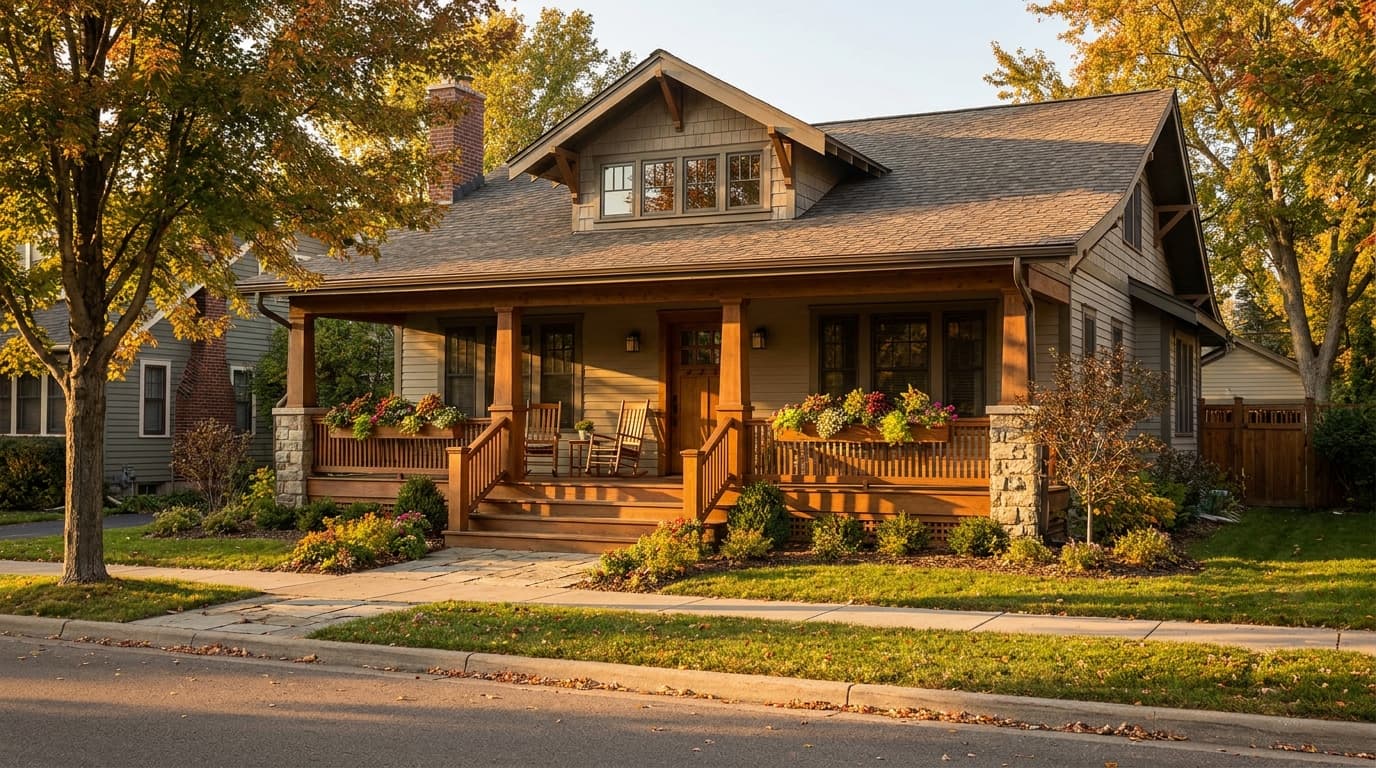
The average landlord insurance policy in the United States costs between $1,200 and $2,000 per year as of 2026 — but that national average masks an enormous range of real-world costs. A landlord in Iowa might pay $780 annually for a solid dwelling fire policy, while a landlord with a comparable single-family rental in Florida or Louisiana could easily spend $3,800 or more. According to the Insurance Information Institute, landlord (or 'dwelling fire') policies cost roughly 15–25% more than standard homeowners insurance on the same property, because rental properties carry elevated risk profiles: tenant-related liability, longer vacancy periods, and deferred maintenance cycles all factor into underwriter pricing. For self-managing independent landlords — especially those with 1 to 20 units spread across different states — understanding the geographic cost landscape isn't just interesting trivia. It's a critical piece of your annual budgeting, your rent pricing strategy, and your ability to stay profitable in a market where insurance premiums jumped an average of 11.3% year-over-year between 2023 and 2025, according to S&P Global Market Intelligence data.
This guide breaks down landlord insurance costs by state, explains the key factors driving premiums in each region, and offers practical guidance on what independent landlords should look for in a policy — and what they can do to keep costs under control without leaving themselves exposed.
Why Landlord Insurance Costs So Much More Than Homeowners Insurance
Before diving into state-by-state numbers, it's worth understanding the structural reasons landlord insurance is priced higher. When an insurance underwriter looks at a rental property, they see a fundamentally different risk profile than an owner-occupied home. First, tenants statistically file more claims per property-year than owner-occupants — they have less financial stake in the property's condition and are less likely to catch and report small maintenance issues before they escalate. Second, rental properties experience more frequent vacancy periods (between tenancies), and vacant properties are dramatically more likely to suffer theft, vandalism, and undetected water damage. Third, landlords carry non-trivial liability exposure: if a tenant or their guest is injured on the property due to a maintenance defect, the landlord faces personal injury liability that can quickly exceed six figures. Standard homeowners insurance doesn't cover any of these risks once the home is rented out — which is why a separate, purpose-built landlord policy is not optional. It's a legal and financial necessity.
Important: Standard homeowners insurance is typically voided the moment you rent your property to a tenant. Operating a rental without a dedicated landlord policy leaves you personally exposed to property damage claims, liability lawsuits, and total loss scenarios with zero coverage.
Landlord Insurance Costs by State: 2026 Estimates
The following figures represent estimated annual premiums for a standard landlord dwelling fire policy (DP-3 form) on a single-family rental home valued at approximately $250,000 with $300,000 in liability coverage. Actual quotes will vary based on your property's age, construction type, local claims history, your loss history, and the specific carrier. These ranges are derived from aggregated quote data, state insurance department filings, and industry reporting from sources including the National Association of Insurance Commissioners (NAIC), ValuePenguin, and Policygenius as of early 2026.
The Most Expensive States for Landlord Insurance
- Florida: $2,800 – $5,500/year. Florida remains the most volatile insurance market in the country. Hurricane exposure, flood risk, and a historically litigious legal environment have driven multiple major carriers to exit the state entirely. Many Florida landlords are now forced onto the state-run Citizens Property Insurance Corporation, which has its own coverage limitations and surcharge policies. South Florida coastal properties routinely exceed $5,000/year for basic landlord coverage, before adding separate flood insurance.
- Louisiana: $2,600 – $4,800/year. Hurricane and tropical storm exposure along the Gulf Coast keeps Louisiana among the most expensive markets. Insurers price in high catastrophic loss frequency — Louisiana averaged more than one federally declared disaster per year between 2018 and 2025.
- Oklahoma: $2,200 – $3,800/year. Tornado alley exposure drives extremely high wind and hail claim frequency. Oklahoma consistently ranks in the top five states for severe convective storm losses on a per-capita basis.
- Texas: $1,900 – $3,500/year. Texas premiums vary enormously by region — coastal Gulf properties carry similar exposures to Louisiana, while North Texas landlords pay primarily for wind/hail. The February 2021 Winter Storm Uri generated an estimated $20+ billion in insured losses, and carriers have repriced Texas risk significantly since.
- Kansas and Nebraska: $1,800 – $3,200/year. Both states sit in the heart of tornado and severe hail territory. Hail damage alone accounts for over 60% of landlord claims in these states.
- California: $1,700 – $3,200/year. Wildfire exposure in the WUI (Wildland-Urban Interface) zones has caused a market crisis in California comparable to Florida's. Major carriers including State Farm and Allstate have paused or restricted new homeowner and landlord policy issuance in high-risk counties. The FAIR Plan (the state's insurer of last resort) has become the only option for many landlords in fire-prone areas, and FAIR Plan premiums can exceed $4,000/year.
Mid-Range States for Landlord Insurance
- Georgia: $1,400 – $2,400/year. Moderate hurricane risk in coastal areas, but inland properties in Atlanta and beyond benefit from lower catastrophic exposure.
- North Carolina: $1,300 – $2,600/year. The wide range reflects the difference between coastal properties (high hurricane risk) and mountain or Piedmont properties (much lower exposure).
- Illinois: $1,200 – $2,000/year. Severe weather risk exists but is more manageable than the southern plains. Chicago landlords often pay toward the higher end due to high liability claim frequency in urban markets.
- Arizona: $1,100 – $1,900/year. Fire risk in rural and mountainous areas is growing, but the Phoenix metro remains relatively insurable. Monsoon-related water damage claims are rising.
- Michigan: $1,000 – $1,800/year. Lower catastrophic risk, but older housing stock in cities like Detroit drives elevated property damage claim frequency.
- Tennessee: $1,100 – $1,900/year. Severe weather and tornado risk in Middle Tennessee has grown, reflected in post-2020 premium increases across the state.
- Colorado: $1,200 – $2,200/year. Hail is the dominant driver — Colorado's Front Range communities regularly see golf-ball-sized hail storms that strip roofs and gut landlord margins.
The Most Affordable States for Landlord Insurance
- Iowa: $750 – $1,200/year. One of the most competitive and affordable landlord insurance markets in the country, driven by low catastrophic risk, stable court environments, and strong carrier competition.
- Wisconsin: $800 – $1,300/year. Similar profile to Iowa — cold winters create freeze/thaw claims but catastrophic event frequency is low.
- Utah: $800 – $1,400/year. Outside of wildfire-risk zones, Utah landlords enjoy relatively affordable premiums with stable market conditions.
- Idaho: $750 – $1,300/year. One of the most affordable markets in the West, though wildfire risk in southern Idaho is a growing concern.
- Vermont and New Hampshire: $850 – $1,400/year. Low population density, low crime rates, and limited catastrophic exposure make northern New England an affordable market.
- Oregon (non-coastal, non-WUI): $900 – $1,500/year. Portland-area landlords pay moderate rates, but rural properties in wildfire zones can see premiums spike dramatically.
- Virginia: $900 – $1,600/year. A stable, competitive market outside of coastal Tidewater areas. Northern Virginia landlords often pay more due to high property values inflating replacement costs.
The 5 Biggest Factors That Move Your Premium
State of location is the single biggest determinant of your base premium — but it's far from the only factor. Once a carrier establishes your geographic risk tier, they apply a series of property- and landlord-specific adjustments that can push your actual quote 30–60% above or below the state average. Understanding these factors gives you real leverage to manage your insurance costs.
- 1Property Age and Construction Type: Homes built before 1980 with original electrical, plumbing, and roofing cost significantly more to insure. Knob-and-tube wiring, galvanized steel pipes, and original wood-shake roofs are red flags for underwriters. Updating these systems before shopping for insurance — or at policy renewal — can materially reduce your premium. Frame construction homes cost more than masonry (brick/block) construction in wind-prone states.
- 2Roof Age and Material: In many high-risk states, the roof is the single most important factor after location. A roof over 15 years old will often trigger a significant surcharge, or cause carriers to refuse to write an ACV (Actual Cash Value) policy and instead offer only a depreciated payout. Metal roofs and impact-resistant shingles (Class 4 rated) can earn 10–25% discounts in hail-prone states.
- 3Your Landlord Claims History: Insurers pull your personal claims history via the CLUE report (Comprehensive Loss Underwriting Exchange). Two or more claims in the past five years — even if you weren't at fault — will push your premium up significantly or cause non-renewal. This is why many experienced landlords pay small claims out of pocket to preserve their loss history.
- 4Rental Use and Vacancy: Short-term rental (STR) properties like Airbnb and VRBO rentals require specialized STR landlord policies — standard landlord policies explicitly exclude short-term use. Properties that sit vacant for more than 30–60 days (depending on carrier) trigger vacancy clause provisions that can reduce or void coverage. If you're in between tenants, notify your insurer and consider a vacancy endorsement.
- 5Liability Limits and Deductible: Most landlord policies include $100,000 in liability coverage as a baseline, but $300,000 to $500,000 is the appropriate minimum for a self-managing landlord in today's liability environment. Higher deductibles ($2,500 or $5,000) versus the standard $1,000 deductible can reduce your annual premium by 10–20%, which makes sense for landlords with solid cash reserves who want to use insurance for true catastrophic losses rather than routine repairs.
Pro Tip: In high-risk states like Florida, Texas, and California, always request separate quotes for wind/hail coverage and flood coverage — these are increasingly sold as separate policies or endorsements, not bundled into the base landlord policy. Skipping either one in the right zip code is a serious financial risk.
What a Standard Landlord Policy (DP-3) Actually Covers
Not all landlord policies are created equal, and the form type matters enormously. There are three main policy forms: DP-1 (basic/named perils only — the cheapest but most limiting), DP-2 (broad form), and DP-3 (special form — open perils, the industry standard). For almost all independent landlords, a DP-3 is the right baseline. Here's what a standard DP-3 landlord policy includes — and critically, what it doesn't.
Typically Covered
- Dwelling/structure coverage: Repairs or rebuilding costs for the physical structure due to fire, wind, hail, lightning, vandalism, and most other 'open perils' (anything not specifically excluded).
- Other structures: Detached garages, fences, sheds on the property — usually covered at 10% of dwelling coverage.
- Landlord personal property: Appliances you own that stay with the rental (refrigerators, stoves, washers/dryers) — typically covered at 10–20% of dwelling coverage.
- Loss of rental income: If the property is uninhabitable due to a covered loss, the insurer pays your lost rent for the period of repair — usually 12–24 months. This is critical coverage that many new landlords overlook.
- Liability coverage: Legal defense and judgment costs if a tenant or visitor is injured on your property and you're found liable.
Typically NOT Covered (Requires Separate Policy or Endorsement)
- Flood damage: No standard landlord policy covers flooding. NFIP (National Flood Insurance Program) or private flood insurance is required separately in any flood-risk area.
- Earthquake damage: Excluded nationwide — requires a separate earthquake endorsement or policy.
- Tenant's personal property: Your policy doesn't cover tenants' belongings. This is why requiring renters insurance is increasingly standard — and legally permitted — landlord practice.
- Routine maintenance and wear-and-tear: Insurance is not a home warranty. A water heater that fails after 12 years isn't a covered claim — it's a maintenance item.
- Short-term rental / Airbnb use: Explicitly excluded on most standard landlord policies. Requires an STR-specific endorsement or a separate STR policy.
- Intentional damage by tenants: Most policies exclude intentional acts — though some carriers offer 'malicious damage by tenants' endorsements in states where this is common.
How to Actually Lower Your Landlord Insurance Premium
Insurance is one of the largest fixed costs in a rental property's operating budget — typically representing 8–15% of gross rents for a single-family rental. Unlike your mortgage payment or property taxes, insurance premiums are genuinely negotiable and manageable through proactive landlord practices. Here are the most effective strategies independent landlords use to control costs.
- 1Bundle Multiple Properties Under One Carrier: If you own 3 or more rental units — even if they're single-family homes in different zip codes — ask carriers for a portfolio or schedule policy. Bundling typically generates 10–20% discounts versus insuring each property individually, and it simplifies your annual renewal process significantly.
- 2Require Renters Insurance in Your Lease: Mandating renters insurance (typically $15–25/month for tenants) reduces the likelihood of tenants filing nuisance claims against your landlord policy for their own personal property losses. It also provides a layer of liability coverage that can intercept smaller claims before they touch your CLUE history. Many independent landlords have made tenant renters insurance a lease condition since the mid-2020s.
- 3Invest in Loss-Prevention Upgrades: Smart smoke detectors, water leak sensors, security systems, and deadbolt locks are all underwriter-friendly upgrades that carriers increasingly offer formal discounts for — typically 3–8% per qualifying upgrade. More importantly, water leak detection devices (like automatic shutoff valves) prevent the kind of slow-leak water damage that represents a disproportionate share of landlord claims in all climates.
- 4Shop the Market Annually: The landlord insurance market is not loyal to long-term customers. Carriers regularly reprice their book of business, and the company that gave you the best rate three years ago may have quietly become 25% above-market. Plan to get competing quotes at every renewal — even if you're happy with your current carrier. Independent insurance agents who specialize in rental property are better positioned than captive agents to shop your risk aggressively.
- 5Raise Your Deductible Strategically: Moving from a $1,000 to a $2,500 or $5,000 deductible can reduce your annual premium by 15–25%. This strategy works best if you maintain a dedicated property reserve fund (a best practice anyway) and are committed to handling claims under $5,000 out of pocket to protect your CLUE history.
- 6Address Roof Age Proactively: In states where hail and wind are primary drivers, an aging roof is the single biggest premium driver outside of location. If your rental's roof is 12–15 years old, getting ahead of a replacement — especially with Class 4 impact-resistant shingles — before your next renewal can generate meaningful long-term savings that often offset the capital cost within 5–7 years.
The Connection Between Tenant Screening and Insurance Costs
Here's something most landlords don't think about when they're reviewing insurance quotes: your tenant selection process directly affects your long-term insurance costs. Bad tenants generate claims. Claims raise premiums. Enough claims and you lose coverage entirely — or get moved to a non-standard carrier at punitive rates. The underwriting cycle is unforgiving, and independent landlords with small portfolios are especially vulnerable because a single large claim on a two-unit property represents a massive percentage of your premium base.
This is one reason rigorous tenant screening isn't just good landlord practice — it's an insurance strategy. VerticalRent's AI-powered risk scoring evaluates rental applications using a combination of TransUnion credit data, eviction history, income verification, and behavioral risk signals to generate a composite applicant risk score. The system flags high-risk applicant patterns — including prior evictions, high debt-to-income ratios, and inconsistent employment history — that correlate statistically with higher property damage rates and lease violations. Placing better-qualified tenants means fewer mid-tenancy maintenance emergencies, fewer property damage claims, and a cleaner CLUE history at renewal time. That's a real, measurable financial benefit that extends well beyond the screening fee.
Landlords who use systematic screening tools reduce their eviction rates by 40–60% compared to landlords who rely on informal gut-check screening, according to industry data from TransUnion's SmartMove rental screening platform. Fewer evictions means less property damage, fewer claims, and lower long-term insurance costs.
Flood Insurance: The Coverage Gap Most Landlords Don't Know They Have
One of the most persistent — and financially devastating — misconceptions in rental property ownership is the belief that landlord insurance covers flood damage. It does not. Not even a little bit. The standard DP-3 policy form explicitly excludes 'surface water, waves, tidal water, overflow of a body of water, or spray from any of these' — language that covers virtually every type of flooding event. In 2024 alone, uninsured flood losses for rental properties across the Southeast exceeded $4 billion, according to FEMA estimates.
If your rental property is in FEMA Flood Zone AE, VE, or any Special Flood Hazard Area (SFHA), you are almost certainly required by your mortgage lender to carry flood insurance. But even properties in Zone X — the 'moderate to low risk' zone — have experienced significant flooding events in recent years as storm drainage systems are overwhelmed by increasing rain intensity across virtually every region of the country. NFIP policies for rental dwelling structures run $700 to $1,400 annually for most properties outside high-risk coastal zones — a cost that many landlords skip because it isn't lender-mandated, and a gap that has financially wiped out unprepared investors.
Building Your Total Insurance Budget for a Rental Property
When you're running your numbers on a rental property — whether you're doing acquisition analysis or annual operating budgets — insurance should be modeled as a layered cost, not a single line item. Here's how a comprehensive insurance budget looks for a mid-range single-family rental in different regional markets.
- Midwest (Iowa, Wisconsin): Landlord DP-3 policy $900–$1,200. Umbrella liability ($1M) $250–$350. Total annual insurance budget: $1,150–$1,550.
- Southeast Non-Coastal (Georgia, Tennessee): Landlord DP-3 $1,400–$2,000. Umbrella $300–$450. Total: $1,700–$2,450.
- Texas (Dallas/Fort Worth): Landlord DP-3 $1,800–$2,800. Hail/wind endorsement (if not bundled) $200–$400. Umbrella $300–$500. Total: $2,300–$3,700.
- Coastal Florida: Landlord DP-3 (or Citizens) $2,500–$4,500. Separate flood insurance (NFIP or private) $900–$2,500. Umbrella $350–$600. Total: $3,750–$7,600.
- California (WUI/fire-prone zone): Landlord DP-3 or FAIR Plan $2,200–$4,500. Wildfire defense endorsement $300–$600. Umbrella $350–$600. Total: $2,850–$5,700.
These budget ranges underscore why insurance cost geography matters so much to landlord profitability. A landlord in coastal Florida needs to generate roughly $400–$600/month in additional gross rent just to cover the insurance premium differential versus an identical property in Iowa. If you're analyzing an acquisition in a high-insurance-cost state and running your pro forma with Midwest insurance assumptions, you're setting yourself up for an unpleasant surprise at the first policy renewal.
How VerticalRent Helps You Manage the Full Financial Picture
Managing a rental property's financial health — including insurance costs — requires staying organized across a lot of moving parts: expense tracking, lease compliance, rent collection, maintenance documentation, and tenant quality. VerticalRent's AI expense categorizer automatically classifies incoming transactions (including insurance premium payments) against the correct IRS Schedule E categories, making year-end tax prep dramatically simpler and ensuring you never miss a deductible insurance expense. Insurance premiums on rental properties are fully deductible as operating expenses — a detail that matters especially in high-premium states where you're paying $3,000+ per property annually.
Beyond expense management, VerticalRent's AI-generated state-compliant leases help you include the clauses that insurers and courts look for — including tenant renters insurance requirements, property maintenance obligations, and notice requirements that protect your rights if you need to address a habitability or liability issue. A well-drafted lease doesn't just reduce your legal exposure — it signals to insurers that you're running a professional operation, which matters when you're negotiating coverage terms.
VerticalRent's AI lease generator produces state-compliant lease agreements in minutes — including renters insurance requirement clauses, maintenance responsibility language, and entry notice provisions that protect both your property and your insurance standing.
The Bottom Line: Budget Realistically, Insure Comprehensively
Landlord insurance is not a place to cut corners. The self-managing independent landlord who skips flood coverage, buys a DP-1 policy because it's $400 cheaper, or forgets to disclose STR use to their carrier is one bad storm — or one slip-and-fall lawsuit — away from a financial outcome that wipes out years of rental income. The landlords who build sustainable, profitable rental portfolios treat insurance as a core operating cost, budget for it accurately based on their specific state and property risk profile, and review coverage annually as market conditions shift.
The 2026 insurance market remains challenging in coastal, wildfire-prone, and severe weather states — but independent landlords who stay informed, maintain their properties proactively, screen tenants rigorously, and work with experienced agents can still find competitive coverage and manage their total insurance burden effectively. Build your budget around realistic state-specific benchmarks, layer your coverage appropriately, and don't let a $300 annual savings decision cost you $300,000 in an uninsured loss.
Ready to run a tighter operation across your entire portfolio? VerticalRent gives independent landlords AI-powered tenant screening, state-compliant lease generation, automated rent collection, and smart expense tracking — all in one platform built for self-managing landlords with 1 to 20 units. Sign up free at VerticalRent.com and see why thousands of independent landlords trust VerticalRent to protect their investments and simplify their business.
Put this into practice
VerticalRent tools related to this guide
Legal Disclaimer
VerticalRent and its authors are not attorneys, CPAs, or licensed legal or financial advisors, and nothing on this site constitutes legal, tax, or professional advice. The information in this article is provided for general educational purposes only. Landlord-tenant laws, eviction procedures, security deposit rules, and tax regulations vary significantly by state, county, and municipality — and change frequently. Nothing on this site creates an attorney-client relationship. Always consult a licensed attorney or qualified professional in your jurisdiction before taking any action based on information you read here.
Co-founded VerticalRent in 2011, growing it from nothing to 100k landlords and renters. Sold it in 2019, then re-acquired it in 2026 to make it better than ever.


