HVAC Maintenance for Rental Properties: A Landlord's Complete Guide
HVAC systems are the most expensive maintenance item in any rental property — and the one most directly tied to habitability. This guide covers landlord HVAC maintenance obligations, seasonal servicing schedules, who pays for filters, and how to budget for replacement.

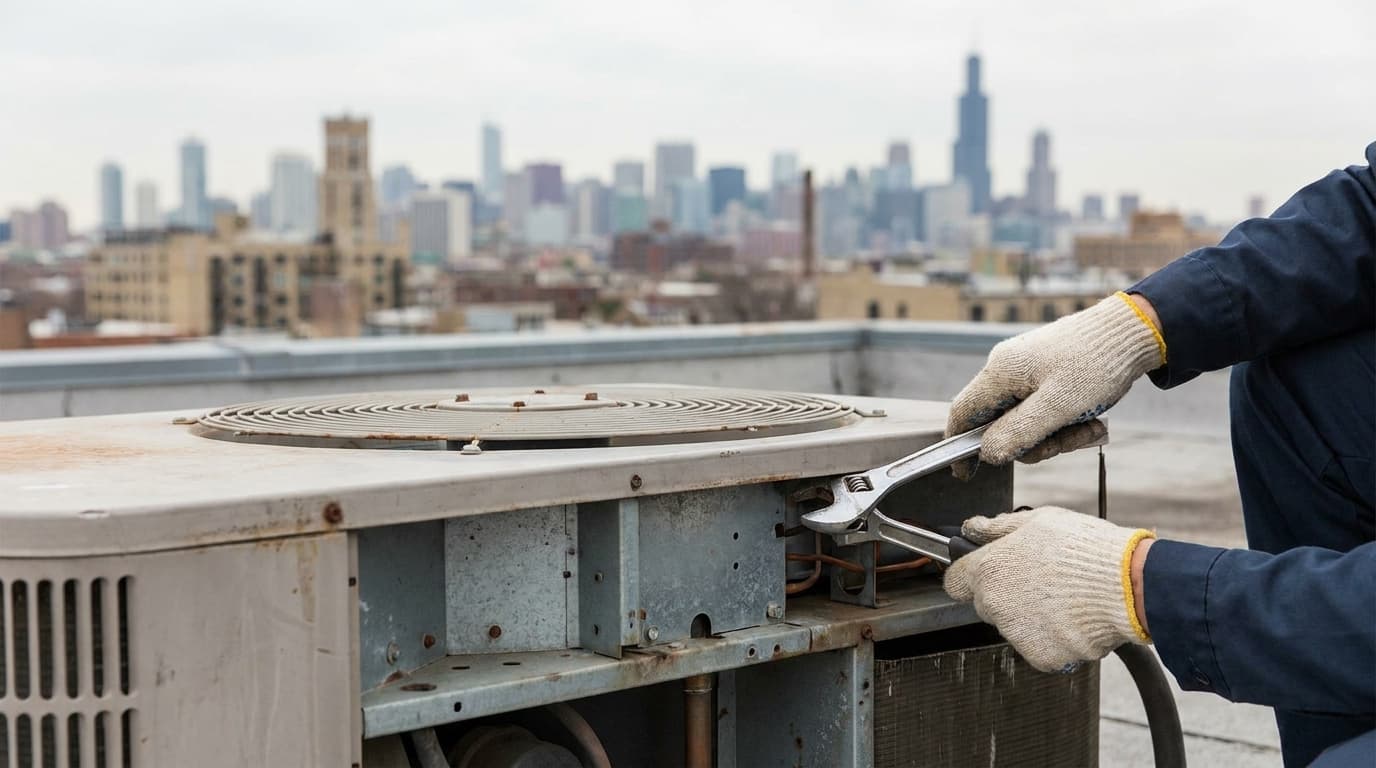
Last February, I received a frantic call from a landlord named David who managed eight rental units across Phoenix. His tenant in unit 4B had been without heat for three days during an unusual cold snap, and the emergency HVAC repair bill had just come in at $4,200. The worst part? A basic $150 maintenance visit six months earlier would have caught the failing capacitor and worn contactor that ultimately destroyed his compressor. This scenario plays out thousands of times each year, and it's exactly why understanding HVAC maintenance for rental properties isn't just about comfort—it's about protecting your investment and your bottom line.
After fifteen years in property management and co-founding VerticalRent, I've seen firsthand how proper HVAC maintenance separates profitable landlords from those constantly hemorrhaging money on emergency repairs. Heating, ventilation, and air conditioning systems represent one of the most expensive mechanical components in any rental property, with replacement costs ranging from $5,000 to $15,000 or more depending on your market and system type. Yet many independent landlords treat these systems reactively, waiting until something breaks before taking action.
The truth is that HVAC systems are remarkably predictable when you understand their maintenance needs. They give warning signs months before major failures, and most catastrophic breakdowns are entirely preventable with systematic care. Whether you own a single-family rental or manage a portfolio of fifteen units, the principles remain the same: proactive maintenance costs less than reactive repairs, tenant comfort directly impacts retention, and well-maintained systems add measurable value to your properties.
In this comprehensive guide, I'll walk you through everything you need to know about maintaining HVAC systems in your rental properties. We'll cover seasonal maintenance schedules, cost-effective strategies for different system types, tenant communication protocols, and how to build relationships with reliable HVAC contractors. By the end, you'll have a complete framework for protecting these critical systems while maximizing your return on investment.
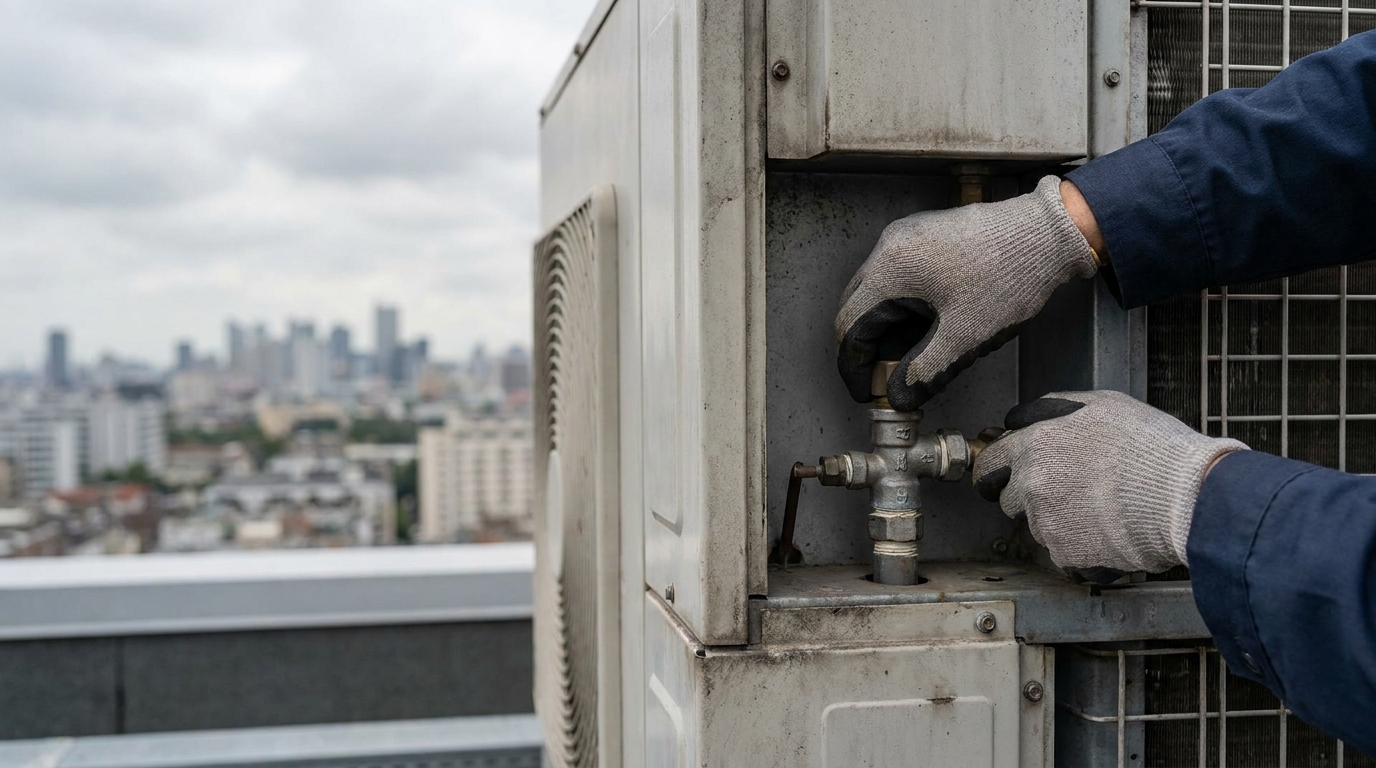
What You'll Learn in This Guide
- How to create a seasonal HVAC maintenance schedule that prevents 80% of emergency repairs and extends system lifespan by 5-10 years
- The true costs of HVAC maintenance versus replacement, including when repair no longer makes financial sense
- Specific maintenance requirements for different system types including central air, heat pumps, mini-splits, and furnaces
- How to establish clear tenant responsibilities for filter changes and basic care without creating legal liability
- Strategies for finding and vetting reliable HVAC contractors who won't overcharge or recommend unnecessary work
- Emergency response protocols that protect both your tenants and your investment during system failures
Understanding HVAC Systems in Rental Properties
Before diving into maintenance specifics, it's essential to understand the different types of HVAC systems commonly found in rental properties and how each operates. This knowledge will help you communicate effectively with contractors, understand repair estimates, and make informed decisions about maintenance priorities. Most residential rental properties use one of four primary system types, each with distinct maintenance requirements and cost profiles.
Central air conditioning systems paired with gas or electric furnaces remain the most common configuration in single-family rentals and larger apartments. These split systems use an outdoor condenser unit containing the compressor and condenser coil, connected via refrigerant lines to an indoor evaporator coil mounted on or near the furnace. The furnace handles heating and houses the blower that circulates air through your ductwork year-round. These systems typically last 15-20 years with proper maintenance, though individual components may need replacement earlier.
Heat pumps have gained significant popularity, especially in moderate climates, because they provide both heating and cooling from a single outdoor unit. Instead of generating heat through combustion, heat pumps transfer heat from outdoor air into your property during winter and reverse the process for cooling in summer. While more energy-efficient than traditional systems in many climates, heat pumps work harder during extreme temperatures and require more frequent maintenance attention. The reversing valve, defrost controls, and auxiliary heat strips are additional components that need regular inspection.
Mini-split systems, also called ductless systems, have become increasingly popular in rental properties, particularly for additions, converted spaces, or properties without existing ductwork. Each indoor unit connects directly to an outdoor compressor, eliminating duct losses and allowing zone-specific temperature control. While mini-splits are generally reliable, they require regular cleaning of the indoor unit's filters and coils, and the outdoor unit needs the same attention as any traditional condenser. Many landlords underestimate the maintenance needs of mini-splits because of their compact size.
Pro Tip: Document your HVAC system details including manufacturer, model number, serial number, installation date, and warranty information for every unit you own. Store this information in a property management platform like VerticalRent where you can access it instantly during emergencies or when obtaining repair quotes.
Window units and portable air conditioners, while less common as primary systems, still appear in many rental properties, especially in older buildings or as supplemental cooling. These units require regular filter cleaning, condensate drain maintenance, and proper winterization. Though they're less expensive to replace than central systems, neglected window units can cause water damage, mold growth, and pest entry points that cost far more than the unit itself to remediate.
The True Cost of HVAC Maintenance vs. Neglect
Understanding the financial impact of HVAC maintenance requires looking beyond the immediate cost of service calls. When I analyze maintenance data across thousands of rental properties through VerticalRent's platform, clear patterns emerge that demonstrate the significant return on investment that systematic maintenance provides. The numbers consistently show that every dollar spent on preventive maintenance saves between four and twelve dollars in avoided repairs, extended equipment life, and reduced energy costs.
Let's break down the actual costs you'll encounter. A comprehensive spring and fall HVAC tune-up typically costs between $80 and $150 per visit, depending on your market and system type. This includes cleaning coils, checking refrigerant levels, testing electrical connections, lubricating moving parts, and inspecting components for wear. For a typical rental property, you're looking at $160 to $300 annually in professional maintenance costs. Add another $50 to $100 for filters throughout the year, and your total annual investment is roughly $250 to $400.
| Component | Average Repair Cost | Preventive Maintenance Cost | Maintenance ROI |
|---|---|---|---|
| Capacitor Replacement | $150 - $400 | $15 (part of inspection) | 10x - 27x |
| Compressor Replacement | $1,500 - $3,000 | $75 (cleaning, refrigerant check) | 20x - 40x |
| Evaporator Coil Replacement | $900 - $2,500 | $50 (coil cleaning) | 18x - 50x |
| Heat Exchanger Replacement | $1,500 - $3,500 | $40 (combustion analysis) | 38x - 88x |
| Blower Motor Replacement | $400 - $900 | $25 (lubrication, amp draw test) | 16x - 36x |
| Full System Replacement | $5,000 - $15,000 | $300/year (extends life 5-10 years) | 17x - 50x over lifespan |
Compare these maintenance costs to common repair scenarios. A failed compressor—often caused by dirty coils that force the system to work harder—runs $1,500 to $3,000 for parts and labor. A cracked heat exchanger, frequently caused by short-cycling from restricted airflow, costs $1,500 to $3,500 to replace or may require complete furnace replacement. These aren't rare occurrences; they're predictable outcomes of deferred maintenance that proper care prevents.
Energy efficiency represents another significant cost factor that many landlords overlook. A well-maintained HVAC system operates 15-25% more efficiently than a neglected one. In a property where you're responsible for utilities or where high energy costs might affect tenant satisfaction and retention, this efficiency difference translates directly to your bottom line. For a system that costs $150 per month to operate during peak season, a 20% efficiency loss means an extra $30 monthly—$180 over a six-month heating or cooling season.
Perhaps most importantly, proper maintenance extends system lifespan significantly. The average central HVAC system lasts 15-20 years with regular maintenance but may fail in just 8-12 years without it. If you're replacing a $10,000 system five years earlier than necessary, you've effectively lost $2,000 per year in accelerated depreciation. When you factor in all these costs—repairs, efficiency, and premature replacement—the case for systematic HVAC maintenance becomes overwhelming. Understanding these dynamics is fundamental to meeting your landlord maintenance responsibilities while maximizing property profitability.
Creating a Seasonal HVAC Maintenance Schedule
Effective HVAC maintenance follows the rhythm of the seasons, with specific tasks aligned to prepare systems for the demands ahead. I've refined this schedule over thousands of property-years of experience, and it's designed specifically for independent landlords who need maximum protection with reasonable time and financial investment. The key is scheduling maintenance before peak seasons when contractors are busiest and when system failures would be most problematic for your tenants.
Spring Maintenance (March-April)
Spring maintenance focuses primarily on preparing your cooling system for summer demands. Schedule professional service in March or early April—before temperatures climb and every landlord in town is competing for technician availability. A spring tune-up should include cleaning the outdoor condenser coils, checking refrigerant levels, testing the capacitor and contactor, inspecting electrical connections, cleaning the evaporator coil, checking the condensate drain, and testing overall system operation. This visit typically costs $80-$150 and takes 60-90 minutes.
Beyond professional service, spring is the time to inspect and potentially replace your condensate drain line. A clogged drain causes water backup that can damage ceilings, walls, and flooring—repairs that far exceed the cost of a simple drain cleaning. If your properties have accessible condensate lines, flushing them with a cup of white vinegar monthly during cooling season prevents algae and slime buildup. Consider installing a condensate overflow switch if your systems don't already have one; this $20-$50 device shuts down the system before overflow occurs.
Summer Monitoring (May-August)
During peak cooling season, your primary maintenance responsibility is ensuring filters are changed regularly and watching for warning signs of trouble. If tenants are responsible for filter changes (and they should be for basic maintenance), build in verification methods. VerticalRent's AI maintenance triage system can send automated reminders to tenants about filter changes and prompt them to confirm completion, creating a maintenance record without requiring property visits.
Train tenants to report early warning signs: unusual noises, weak airflow, inconsistent cooling, ice on the outdoor unit, or unexpected increases in energy usage. Catching problems early prevents the cascade failures that turn a $200 repair into a $2,000 emergency. Respond promptly to any reports—summer HVAC calls during a heat wave can have 24-48 hour wait times, and delayed response creates both tenant dissatisfaction and potential habitability issues.
Fall Maintenance (September-October)
Fall maintenance shifts focus to heating systems while also winterizing cooling components. Schedule professional service in September or early October—again, before demand peaks and while technicians have availability. A fall heating tune-up should include cleaning and inspecting the heat exchanger, testing ignition and safety controls, checking gas connections (for gas furnaces), inspecting the flue pipe, testing carbon monoxide levels, cleaning the blower assembly, and verifying thermostat operation.
Safety Warning: Never skip the fall heating inspection on gas furnaces. A cracked heat exchanger can leak carbon monoxide into your property, creating serious liability and putting tenants' lives at risk. Ensure every property with gas appliances has working carbon monoxide detectors—this is both a safety requirement and a legal mandate in most states.
For the outdoor condensing unit, fall is the time to consider covering it for winter protection (though this is debated among HVAC professionals—if you cover, ensure it allows moisture escape and remove any cover before spring operation). Clear debris from around the unit and trim back any vegetation that grew during summer.
Winter Monitoring (November-February)
Winter maintenance mirrors summer—focus on filter changes and early problem detection. For properties in freezing climates, ensure tenants understand the importance of maintaining minimum temperatures to prevent pipe freezing, which often occurs when heating systems fail. Establish clear protocols: if the heating system stops working, tenants should contact you immediately, and you should have emergency HVAC contacts ready for rapid response.
A comprehensive preventive property maintenance checklist should incorporate all these seasonal HVAC tasks alongside your other property maintenance needs. Building HVAC care into your broader maintenance system ensures nothing falls through the cracks.
Filter Management Strategies for Landlords
Air filters might seem like a minor detail, but they're arguably the single most important factor in day-to-day HVAC health. A clean filter allows proper airflow, which keeps your system operating efficiently and prevents the strain that causes premature component failure. A dirty filter, on the other hand, restricts airflow, causes the system to work harder, increases energy consumption, accelerates wear, and can lead to frozen coils, overheating, and complete system breakdown.
The challenge for landlords is that filter changes occur more frequently than any other maintenance task—every 30-90 days depending on filter type, occupancy, pets, and air quality factors—and typically need to happen between professional service visits. This creates a key decision point: should you or your tenants be responsible for regular filter changes?
Most experienced landlords structure lease agreements to make basic filter changes a tenant responsibility. This approach makes sense for several reasons. First, filters need changing frequently enough that landlord visits become impractical, especially for larger portfolios. Second, tenants are present daily and can respond to the actual conditions rather than a fixed schedule—homes with multiple pets or smokers may need monthly changes, while a single occupant might go 90 days. Third, making tenants responsible creates awareness about the system and encourages reporting of any issues they notice during filter changes.
However, tenant responsibility only works if you set clear expectations and provide the tools for success. Your lease should specify filter change frequency (usually every 30-60 days), filter size and type, and that failure to maintain filters that causes system damage may be charged to the tenant. Provide the first set of filters at move-in and show tenants exactly how to change them. Consider including filters in a move-in packet or providing a year's supply at lease signing—the $50-$100 cost is insignificant compared to the repairs prevented.
| Filter Type | MERV Rating | Cost Per Filter | Change Frequency | Best For |
|---|---|---|---|---|
| Fiberglass | 1-4 | $1-$5 | Every 30 days | Basic protection, minimal restriction |
| Pleated Standard | 5-8 | $5-$15 | Every 60-90 days | Residential rentals (recommended) |
| Pleated High-Efficiency | 9-12 | $15-$30 | Every 90 days | Properties with allergy concerns |
| HEPA-Style | 13-16 | $30-$50+ | Every 90-120 days | Hospitals, clean rooms (not typical rentals) |
| Washable | 1-6 | $30-$80 (reusable) | Clean monthly | Not recommended (tenant reliability concerns) |
For filter selection, I generally recommend pleated filters in the MERV 8-11 range for rental properties. These provide good filtration without excessive restriction that strains your system. Avoid the highest-MERV filters unless specifically recommended by your HVAC technician—better filtration isn't always better for your system. And while washable filters seem economical, they rely on tenants actually cleaning them properly, which rarely happens consistently in rental situations.
Whatever approach you choose, build verification into your system. During routine property inspections, check the filter condition. If you find dirty filters repeatedly, you may need to take over this responsibility and build the cost into your maintenance budget. Some landlords install filter subscription services that ship new filters directly to tenants on a set schedule—a small expense that significantly increases compliance rates.
Working with HVAC Contractors: Finding and Vetting Professionals
Your relationship with HVAC contractors directly impacts both your maintenance costs and repair quality. Finding reliable, honest technicians who understand rental property needs is one of the most valuable investments you can make as a landlord. Unlike homeowners who might use an HVAC company once every few years, landlords represent ongoing business opportunity for contractors—use this leverage to build mutually beneficial relationships.
Start by gathering referrals from other landlords in your area. Local landlord associations, real estate investment groups, and property management networking events are excellent sources. Ask specifically about contractors who work well with rental properties—understanding tenant communication protocols, providing prompt service during emergencies, and offering reasonable pricing for volume work. The contractor who does premium work for owner-occupied homes might not be the best fit for your rental portfolio.
When evaluating potential contractors, verify essential credentials first. They should be licensed and insured in your state, with insurance certificates available upon request. For any work involving refrigerants, technicians need EPA Section 608 certification. Ask about warranty coverage on both parts and labor, and understand their guarantee policy if problems arise after service. A reputable contractor stands behind their work.
Expert Insight: When vetting HVAC contractors, request references specifically from other landlords, not just homeowners. Rental property maintenance involves unique considerations—working around tenant schedules, maintaining cost-effectiveness across multiple units, and understanding habitability requirements—that homeowner references won't address.
Pricing structure matters significantly for landlords with multiple properties. Many HVAC companies offer maintenance agreements or service contracts that provide discounted rates for routine maintenance, priority scheduling for repairs, and sometimes reduced diagnostic fees. These agreements often make sense for portfolio landlords—a 15-20% discount on service calls adds up quickly across multiple properties, and priority scheduling can be invaluable during peak season emergencies.
Understand the difference between time-and-materials pricing versus flat-rate pricing. Time-and-materials charges separately for labor hours and parts used, which can lead to unpredictable bills but may cost less for simple repairs. Flat-rate pricing offers a fixed price per repair type, providing predictability but sometimes costing more for straightforward work. Many landlords prefer flat-rate for major repairs (knowing the cost upfront) and time-and-materials for maintenance visits.
For more detailed guidance on evaluating and managing contractor relationships, see our complete guide to Hiring Contractors for Rental Properties. Building these relationships before emergencies occur ensures you're not scrambling to find help when a system fails.
Once you've established reliable contractors, maintain those relationships. Pay promptly, be respectful of their time, and provide clear access instructions for your properties. Contractors prioritize good clients when everyone needs service simultaneously during heat waves or cold snaps. And within VerticalRent, you can store contractor information, track service history, and even coordinate access for maintenance visits—keeping everything organized and accessible when you need it most.
Tenant Communication and Education Protocols
Effective tenant communication around HVAC systems serves multiple purposes: it ensures tenants know how to operate systems properly, establishes clear expectations about maintenance responsibilities, creates reporting channels for early problem detection, and protects you legally by documenting that tenants received appropriate instructions. The communication framework you establish at move-in sets the tone for the entire tenancy.
Move-in orientation should include a walkthrough of HVAC system operation. Show tenants where the thermostat is located, how to adjust temperature settings, what temperature range is appropriate (many landlords specify maintaining at least 55-65°F in winter to prevent pipe freezing), and how to switch between heating and cooling modes. Demonstrate the filter location and removal process, explain the expected change frequency, and provide the first set of replacement filters. Document that this orientation occurred—a simple checklist signed by the tenant provides valuable protection.
Create a simple reference document that stays with the property. This should include the thermostat location and basic operation, filter size and recommended change frequency, warning signs to report (strange noises, weak airflow, ice formation, water leaks, unusual smells), and emergency contact information for HVAC issues. Many landlords laminate this document and post it near the thermostat or inside the filter cabinet. VerticalRent allows you to attach property documents to tenant portals, making this information digitally accessible as well.
Establish clear reporting protocols for HVAC concerns. Tenants should understand that early reporting of minor issues prevents major problems, and that prompt communication is expected and appreciated—not a burden. Provide multiple reporting channels: phone, text, email, or through your property management platform's maintenance request system. VerticalRent's AI maintenance triage can automatically categorize and prioritize HVAC reports, distinguishing between emergencies requiring immediate response and routine matters that can wait for scheduled service.
Address seasonal transitions proactively. Before each major season change, send tenants a brief reminder about HVAC operation. In spring, remind them about switching to cooling mode and ensuring outdoor units are clear of debris. In fall, remind them about switching to heating mode and checking that vents aren't blocked by furniture. These touchpoints keep HVAC maintenance top of mind and prevent simple oversights that can cause problems.
When issues do arise, communication becomes even more critical. Keep tenants informed about repair scheduling, expected timelines, and any temporary measures they should take. If repairs require system downtime during extreme weather, provide alternatives when possible—space heaters during heating system repairs, window units during cooling system repairs. Document all communications to protect yourself if disputes arise later about response times or repair quality.
Emergency HVAC Situations: Response Protocols
Despite your best maintenance efforts, HVAC emergencies will occasionally occur. How you respond determines both tenant satisfaction and your legal exposure. Heating and cooling systems are considered essential services in most jurisdictions, and prolonged failures can create habitability issues with significant legal implications. Having clear protocols in place before emergencies occur allows you to respond quickly and effectively.
Define what constitutes an HVAC emergency versus a non-urgent issue. Generally, emergencies include complete heating system failure when outdoor temperatures are below 55°F, complete cooling system failure when temperatures exceed 90°F (especially with vulnerable tenants), any HVAC issue accompanied by burning smells or suspected gas leaks, and water actively leaking from the system causing property damage. Non-urgent issues—thermostat programming questions, minor airflow concerns, noise that doesn't indicate imminent failure—can wait for scheduled service.
For true emergencies, have 24/7 contractor contacts established in advance. Most HVAC companies offer emergency service with premium pricing, typically 1.5x to 2x standard rates for after-hours calls. While expensive, emergency service is far less costly than tenant complaints to housing authorities, potential hotel reimbursements, or legal action. Factor emergency call potential into your operating budget—a reserve of $500-$1,000 per property for unexpected HVAC issues provides peace of mind.
Establish temporary measures for extended repair situations. If a system needs parts that won't arrive for several days, what options can you provide? Space heaters and portable air conditioners are reasonable temporary solutions for brief outages. For extended problems, you may need to offer rent credits, hotel accommodations, or temporary relocation. Know your state and local laws regarding habitability requirements and landlord responsibilities during essential system failures.
Document everything during emergency situations. Note when the tenant first reported the issue, what troubleshooting was attempted, when you contacted contractors, when service was scheduled and completed, and what interim measures were provided. This documentation protects you against claims of negligence or delayed response. VerticalRent automatically timestamps all maintenance communications and service records, creating an audit trail without extra effort on your part.
Budget Planning for HVAC Costs
Effective financial planning for HVAC expenses requires understanding both predictable costs and unpredictable variables, then building reserves adequate to handle both. Too many independent landlords operate without HVAC reserves, creating financial stress when major repairs or replacements occur. A systematic approach to budgeting protects both your cash flow and your ability to maintain properties properly.
Start with known annual costs. Routine maintenance—typically two professional visits per year—costs $160-$300 annually per system. Filter costs add $50-$100 per year. Minor repairs (capacitors, contactors, thermostats) occur periodically and average $200-$400 when they happen. You can reasonably budget $400-$600 annually per property for routine HVAC maintenance and minor repairs. This is your baseline—the minimum you should expect to spend.
Beyond routine costs, you need capital reserves for major repairs and eventual replacement. The general rule is to reserve 1-2% of property value annually for all capital expenditures, but for targeted HVAC planning, consider the specific system. A new central HVAC system costs $5,000-$15,000 depending on size and efficiency. If your system is ten years into a 15-year expected lifespan, you should be setting aside $1,000-$3,000 annually specifically for HVAC replacement, building a fund to cover the eventual expense.
System age significantly impacts budgeting requirements. Properties with newer systems (under 5 years old) typically need only routine maintenance budgeting. Systems in the 5-10 year range may need medium repairs as components age—budget an extra $500-$1,000 annually in reserves. Systems over 10 years old should trigger serious replacement planning—increase reserves significantly and begin evaluating whether proactive replacement makes more sense than waiting for failure.
Consider the timing advantages of planned versus emergency replacement. Emergency replacement during peak season often costs 10-20% more than off-season installation—contractors are busier, and you have no time to get competitive quotes. If your system is approaching end-of-life, proactive replacement during spring or fall allows you to schedule optimally, compare contractors and quotes, select your preferred equipment, and potentially negotiate better pricing. VerticalRent's property records help you track system ages across your portfolio, alerting you to units approaching replacement thresholds.
Geographic factors also affect budgeting. Properties in extreme climates—hot Southern states, cold Northern regions—work their HVAC systems harder than mild-climate properties. Systems may need more frequent maintenance and have shorter lifespans. Adjust your budgets accordingly, and consider whether higher-efficiency systems justify their premium costs through reduced operating expenses and longer service life.
Energy Efficiency Upgrades and Long-Term Planning
While maintaining existing systems is your immediate priority, smart landlords also consider the long-term trajectory of their HVAC infrastructure. Energy efficiency upgrades, when timed correctly, can reduce operating costs, increase property values, attract quality tenants, and potentially qualify for tax incentives or utility rebates. Understanding when and how to upgrade ensures you capture these benefits without overspending.
Evaluate upgrade timing against system age and condition. Upgrading a well-functioning 5-year-old system rarely makes financial sense, even if newer technology offers efficiency gains. But when a system approaches end-of-life or needs major repairs costing more than 50% of replacement value, upgrading to current high-efficiency equipment becomes attractive. The incremental cost of choosing a high-efficiency replacement over a basic model is often modest compared to the lifetime efficiency savings.
Focus on efficiency ratings that matter for your climate. SEER (Seasonal Energy Efficiency Ratio) ratings measure cooling efficiency—minimum standards are now 14-15 SEER, with high-efficiency units reaching 20-25 SEER. AFUE (Annual Fuel Utilization Efficiency) ratings measure heating efficiency for furnaces—standard units run 80-83%, while high-efficiency condensing furnaces reach 90-98%. In cooling-dominated climates, prioritize SEER ratings. In heating-dominated climates, AFUE matters more. In moderate climates, heat pump efficiency (measured by HSPF for heating) often provides the best overall value.
Smart thermostats represent a relatively low-cost upgrade with meaningful impact. Programmable and smart thermostats can reduce HVAC energy consumption by 10-15% through automatic temperature setbacks when properties are unoccupied. For landlords who pay utilities, this translates directly to cost savings. For tenant-paid utilities, smart thermostats become an amenity that attracts energy-conscious tenants and supports higher rents. Installation costs run $100-$300 including labor, with payback periods often under two years.
Investment Tip: Research local utility rebates and federal tax incentives before major HVAC upgrades. Many utility companies offer $200-$1,000 rebates for high-efficiency equipment installation, and federal energy credits may further reduce your costs. These incentives change regularly, so verify current offerings when planning replacements.
Ductwork often represents an overlooked efficiency opportunity. Leaky or poorly insulated ducts can waste 20-30% of conditioned air before it reaches living spaces. Duct sealing and insulation improvements typically cost $1,000-$3,000 but can dramatically improve system efficiency and comfort. When replacing HVAC equipment, always have the ductwork evaluated and address any issues simultaneously.
For multi-property portfolios, consider economies of scale in upgrade planning. Replacing systems across multiple properties simultaneously may qualify for contractor volume discounts on both equipment and labor. Establishing a regular replacement cycle—perhaps upgrading 2-3 systems per year in a 15-unit portfolio—smooths capital expenditure requirements and ensures you're never facing multiple emergency replacements simultaneously.
Legal and Liability Considerations for Rental HVAC Systems
HVAC maintenance intersects with landlord legal obligations in several important ways. Understanding these requirements protects you from liability, ensures tenant safety, and keeps you compliant with housing codes and tenant rights laws. While specific requirements vary by state and locality, certain principles apply broadly across jurisdictions.
Habitability requirements form the core legal framework. Most states recognize that functioning heating is essential for habitable housing—this obligation typically means maintaining temperatures of at least 65-68°F during heating season. Air conditioning requirements are less universal but are expanding, particularly in hot climates where cooling failures can create dangerous conditions. Know your specific state and local requirements, and maintain systems to meet these minimums reliably.
Repair response timelines often have legal teeth. Many jurisdictions mandate response within 24-72 hours for essential system failures, with escalating tenant remedies if landlords fail to act. Tenants may have rights to repair-and-deduct, rent withholding, or lease termination if HVAC problems persist. Document your response efforts carefully—showing that you contacted contractors promptly, even if they couldn't arrive immediately, demonstrates good faith compliance with your obligations.
Carbon monoxide detection is now legally required in most states for properties with combustion appliances, including gas furnaces. Ensure every applicable property has working CO detectors, test them regularly, and replace batteries and units according to manufacturer specifications. CO poisoning from cracked heat exchangers represents one of the most serious HVAC-related risks, and proper detection provides essential protection for both tenants and landlords.
Lease provisions regarding HVAC responsibilities should be clear and legally compliant. You can typically require tenants to perform basic maintenance like filter changes, but you cannot contract away your fundamental obligations to maintain habitable conditions. Have your lease reviewed by a local real estate attorney to ensure HVAC provisions are enforceable in your jurisdiction. Overly aggressive attempts to shift maintenance responsibility to tenants may be deemed unconsc
Put this into practice
VerticalRent tools related to this guide
Legal Disclaimer
VerticalRent and its authors are not attorneys, CPAs, or licensed legal or financial advisors, and nothing on this site constitutes legal, tax, or professional advice. The information in this article is provided for general educational purposes only. Landlord-tenant laws, eviction procedures, security deposit rules, and tax regulations vary significantly by state, county, and municipality — and change frequently. Nothing on this site creates an attorney-client relationship. Always consult a licensed attorney or qualified professional in your jurisdiction before taking any action based on information you read here.
Co-founded VerticalRent in 2011, growing it from nothing to 100k landlords and renters. Sold it in 2019, then re-acquired it in 2026 to make it better than ever.


