Preventive Property Maintenance Checklist for Landlords
Preventive maintenance is the only maintenance strategy that actually saves money. This guide provides a complete seasonal maintenance checklist for landlords — covering HVAC, plumbing, roof, electrical, exterior, and appliances — with estimated costs and scheduling tips.

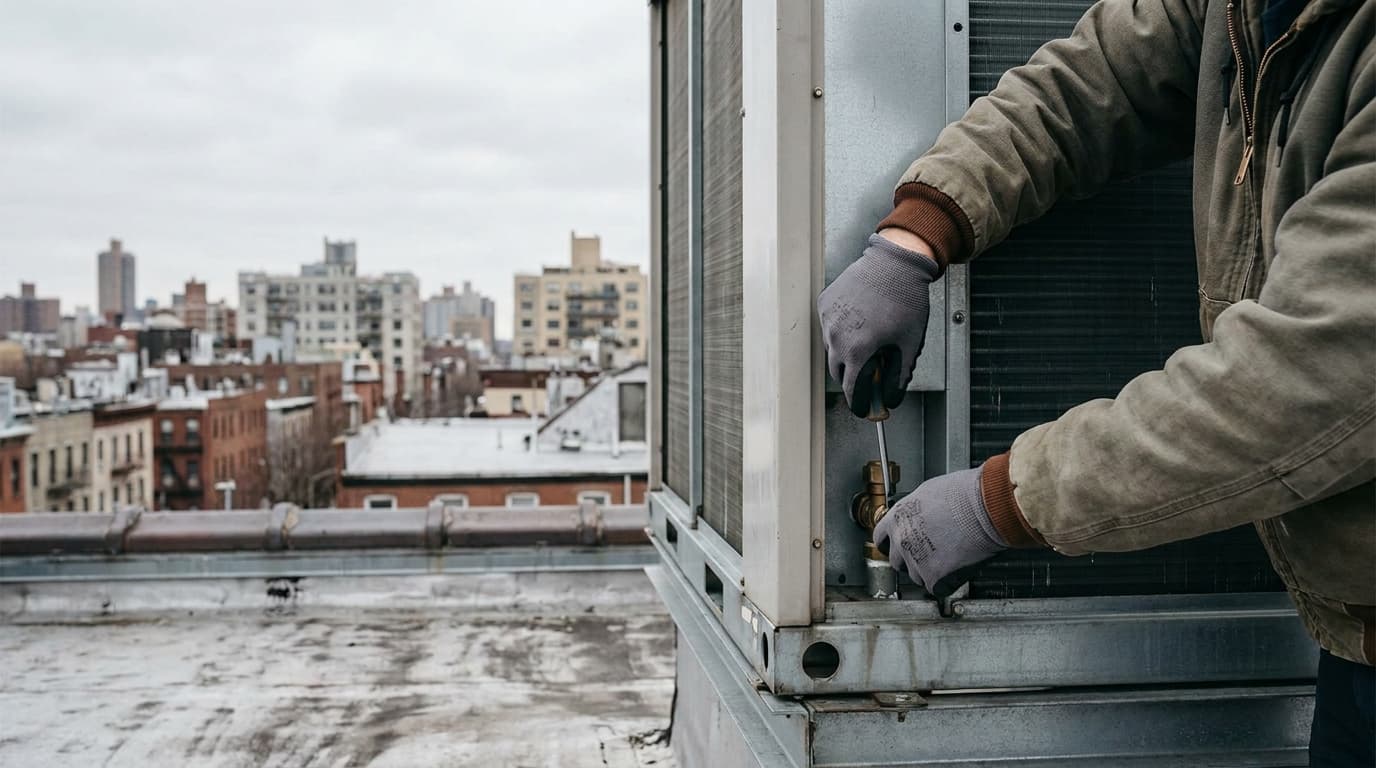
Last spring, I received a frantic call from a landlord named David who had just discovered a catastrophic water leak in the ceiling of his rental property. The damage was extensive—warped hardwood floors, ruined drywall, and the beginnings of mold growth that would eventually cost him over $18,000 to remediate. The worst part? A simple $15 inspection of his roof flashing six months earlier would have caught the deteriorating seal that allowed water to seep into the attic space. David learned the hard way what I've been telling landlords for over 15 years: a comprehensive preventive property maintenance checklist isn't just a nice-to-have organizational tool—it's the single most effective insurance policy you can implement to protect your investment. Throughout my career in property management and now as co-founder of VerticalRent, I've seen this scenario play out hundreds of times. Independent landlords, especially those managing between one and fifteen properties, often get caught up in the reactive cycle of fixing problems as they arise rather than preventing them in the first place. They're busy professionals, accidental landlords, or investors trying to build wealth while juggling other responsibilities. Preventive maintenance falls to the bottom of the priority list until a small issue becomes a financial disaster. This guide is designed to change that pattern entirely. Over the following sections, I'll walk you through everything you need to know about creating, implementing, and maintaining a preventive maintenance system that protects your properties, satisfies your tenants, and ultimately maximizes your rental income. We'll cover seasonal checklists, system-specific maintenance schedules, cost-benefit analyses, and practical strategies for staying organized across multiple properties. Whether you're a first-time landlord or a seasoned investor looking to systematize your approach, this comprehensive guide will transform how you think about property maintenance.
What You'll Learn in This Guide
- How to create a customized seasonal maintenance checklist that prevents costly repairs and extends the lifespan of major property systems
- The specific maintenance tasks required for each major property system—HVAC, plumbing, electrical, roofing, and structural components—including frequency and estimated costs
- How to calculate the true ROI of preventive maintenance and build a realistic annual maintenance budget for your rental properties
- Strategies for coordinating maintenance across multiple properties while minimizing tenant disruption and maximizing contractor efficiency
- Technology solutions and organizational systems that help independent landlords stay on top of maintenance schedules without becoming overwhelmed
- How to document maintenance activities properly to protect yourself legally and create a valuable property history record
Why Preventive Maintenance Matters More Than You Think
The financial case for preventive maintenance is overwhelming when you examine the numbers closely. According to research from the National Apartment Association, every dollar spent on preventive maintenance saves between $4 and $8 in emergency repairs and capital expenditures over a property's lifecycle. For independent landlords operating on tighter margins than institutional investors, these savings can mean the difference between profitable operations and negative cash flow.
Consider the real costs of reactive maintenance. When a furnace fails in January, you're not just paying for the repair—you're paying emergency service premiums that can be 50-100% higher than standard rates. You're potentially compensating tenants for uninhabitable conditions. You're dealing with the stress and time consumption of emergency vendor coordination. And if the tenant decides to move out because of repeated maintenance issues, you're facing vacancy costs, turnover expenses, and the time investment of finding new tenants. Understanding your landlord maintenance responsibilities is the first step toward building a proactive approach that eliminates these costly scenarios.
Beyond the financial implications, preventive maintenance directly impacts tenant satisfaction and retention. Studies consistently show that maintenance responsiveness is the number one factor tenants consider when deciding whether to renew their lease. A tenant who experiences multiple preventable maintenance emergencies during their tenancy is statistically unlikely to renew, regardless of how quickly you respond to those emergencies. The landlords I've seen achieve the highest retention rates are invariably those who prevent problems before tenants even notice them.
There's also a legal dimension that many landlords overlook. In most jurisdictions, landlords have a legal obligation to maintain rental properties in habitable condition under the implied warranty of habitability. Failure to perform necessary maintenance can expose you to lawsuits, rent withholding, and in severe cases, condemnation proceedings. A documented preventive maintenance program demonstrates good faith efforts to maintain your property and can be invaluable evidence if disputes arise.
Expert Insight: The most successful landlords I've worked with treat preventive maintenance not as an expense, but as an investment with measurable returns. Track every preventive maintenance task and every emergency repair separately. After one year, you'll have concrete data showing how prevention impacts your bottom line—and that data will motivate you to maintain consistent habits.
The Complete Seasonal Maintenance Framework
Organizing your preventive maintenance around seasonal cycles makes the process manageable and ensures you're addressing weather-related vulnerabilities at the right time. Each season presents unique challenges and opportunities for property maintenance, and aligning your checklist with these natural rhythms helps you stay proactive rather than reactive.
Spring Maintenance Priorities
Spring is the ideal time for comprehensive exterior inspections after winter weather has potentially caused damage. Start with the roof—look for missing, cracked, or curling shingles, and inspect flashing around chimneys, vents, and skylights. Check gutters and downspouts for debris accumulation and proper drainage away from the foundation. Winter freeze-thaw cycles can cause significant foundation issues, so walk the perimeter looking for new cracks, settling, or water pooling near the foundation walls.
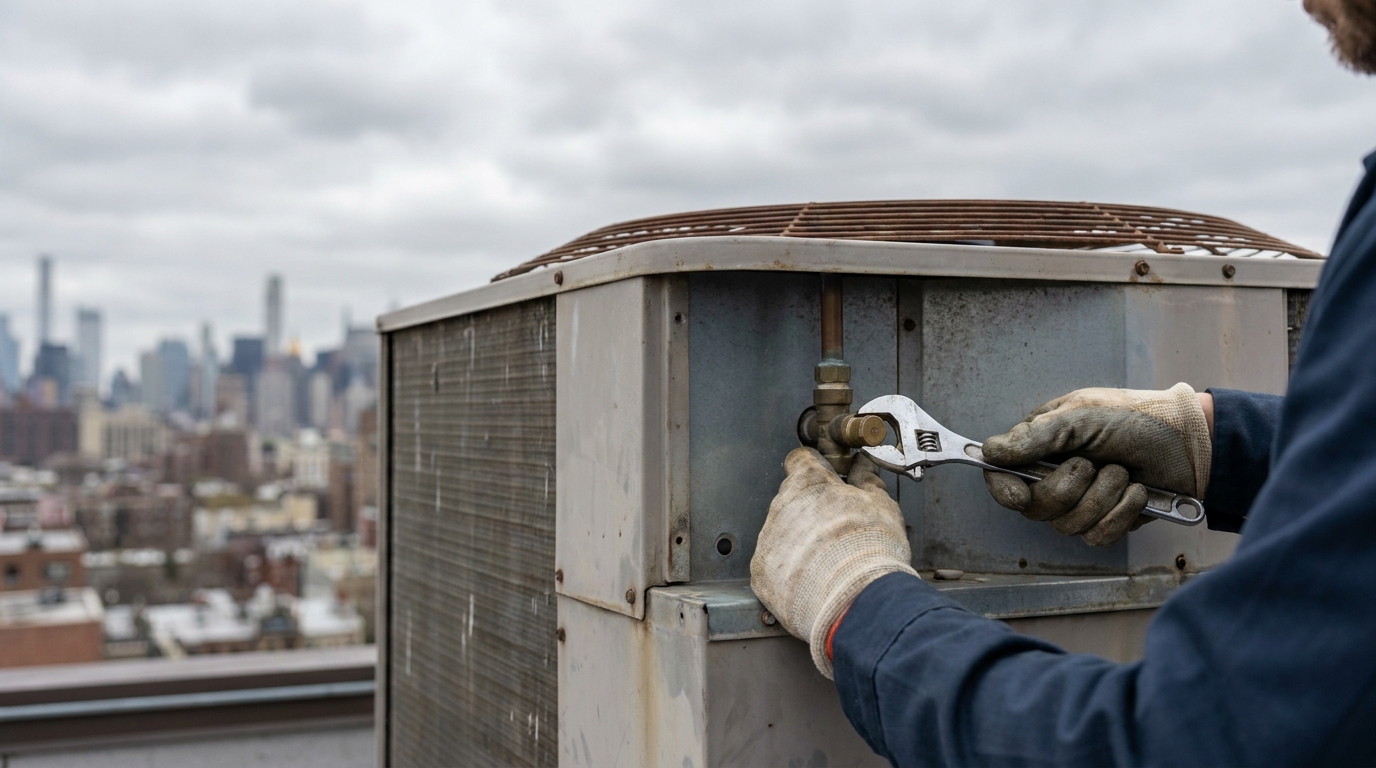
This is also the perfect time to service air conditioning systems before they're needed. A professional HVAC technician should clean coils, check refrigerant levels, inspect electrical connections, and verify thermostat calibration. The cost of a spring AC tune-up typically runs $75-150, compared to $300-500 or more for emergency repairs during a summer heat wave. Schedule exterior painting touch-ups now before summer heat makes the work more difficult and expensive.
Summer Maintenance Focus
Summer maintenance emphasizes landscaping, pest control, and preparation for increased HVAC usage. Trim trees and shrubs away from the building—branches should be at least three feet from exterior walls and roof surfaces. This prevents moisture retention against siding, reduces pest pathways into the structure, and eliminates potential damage during summer storms. Inspect and treat for pests, as summer is peak season for ants, wasps, and other insects that can cause structural damage or create tenant complaints.
Check all exterior caulking and weatherstripping, which can deteriorate in summer heat. Inspect deck and patio surfaces for splintering, loose boards, or structural issues. Test all outdoor electrical outlets and lighting fixtures. This is also an excellent time to pressure wash siding, driveways, and walkways to prevent permanent staining and maintain curb appeal.
Fall Preparation Tasks
Fall maintenance is primarily about preparing for winter and preventing cold-weather emergencies. Have heating systems professionally serviced before the first cold snap—this includes furnace inspection, filter replacement, heat exchanger examination, and carbon monoxide testing. Clean chimneys and inspect flue systems if the property has a fireplace or wood stove. A chimney fire can destroy a property, and carbon monoxide poisoning is a genuine life-safety risk.
Winterize exterior plumbing by draining and disconnecting hoses, shutting off exterior faucet supply lines, and insulating any exposed pipes in unheated areas. Clean gutters thoroughly after leaves have fallen—clogged gutters can cause ice dams that damage roofs and lead to interior water intrusion. Inspect weather stripping on all doors and windows, replacing any that's worn or damaged to prevent heat loss and pest entry.
Winter Monitoring Requirements
Winter maintenance shifts toward monitoring and rapid response rather than major projects. Check heating system filters monthly during heavy use periods. Monitor for ice dams on roofs and remove snow accumulation if it exceeds safe loads for the roof structure. Keep walkways and driveways clear of ice and snow to prevent slip-and-fall liability. In vacant properties or during tenant vacations, ensure heat is maintained at a minimum of 55°F to prevent pipe freezing.
| Season | Primary Focus Areas | Estimated Time Investment | Typical Cost Range (per unit) |
|---|---|---|---|
| Spring | Roof, gutters, foundation, AC service, exterior paint | 4-6 hours | $200-$500 |
| Summer | Landscaping, pest control, caulking, decks, pressure washing | 3-5 hours | $150-$400 |
| Fall | Heating service, chimney, winterization, gutters, weatherstripping | 4-6 hours | $250-$600 |
| Winter | Filter changes, ice dam monitoring, snow removal, vacant unit checks | 2-4 hours monthly | $100-$300 |
HVAC Systems: Your Most Critical Maintenance Priority
Heating, ventilation, and air conditioning systems represent the largest maintenance investment in most rental properties, and they're also the source of the most expensive emergency repairs. A properly maintained HVAC system can last 15-25 years, while a neglected system may fail in as few as 8-10 years. Given that replacement costs range from $5,000 to $15,000 depending on the system and property size, the financial incentive for proper maintenance is substantial.
Monthly filter changes or cleanings are the single most important HVAC maintenance task, yet they're frequently overlooked. A dirty filter forces the system to work harder, increasing energy consumption by 5-15% and accelerating wear on the blower motor, compressor, and other components. For properties with tenants, educate them on filter changes and consider providing filters directly—the small cost is far less than the repair bills from neglected filters. VerticalRent's tenant communication features make it easy to send automated reminders about filter changes and other tenant-performed maintenance tasks.
Professional HVAC service should occur twice annually—once for the cooling system in spring and once for heating in fall. A qualified technician will perform tasks that go far beyond what most landlords can do themselves: checking refrigerant levels and testing for leaks, measuring airflow across the evaporator coil, inspecting heat exchangers for cracks that could leak carbon monoxide, testing electrical connections and safety controls, and verifying thermostat accuracy. These inspections frequently catch developing problems while they're still minor repairs rather than system replacements.
Beyond the primary heating and cooling equipment, don't neglect the ductwork. Leaky ducts can waste 20-30% of conditioned air, dramatically increasing utility costs and reducing tenant comfort. Have ducts professionally inspected every 3-5 years, and seal any leaks discovered. In older properties, consider duct cleaning if there's visible debris accumulation, evidence of pest infestation, or unexplained respiratory issues among tenants.
Cost-Saving Tip: Establish a relationship with a reliable HVAC contractor and negotiate a maintenance contract covering all your properties. Most contractors offer 10-20% discounts for annual service agreements, plus priority scheduling during busy seasons. This relationship also means you'll have a trusted partner for emergency repairs rather than scrambling to find someone reliable during a crisis.
Plumbing Maintenance: Preventing Water Damage Disasters
Water damage is the most common and most expensive type of property damage landlords face. The average water damage insurance claim exceeds $10,000, and many water damage incidents aren't covered by standard landlord policies—particularly slow leaks that develop over time. A robust plumbing maintenance program is essential for protecting your investment.
Start with water heater maintenance, as these appliances are responsible for a disproportionate share of water damage incidents. Drain and flush the tank annually to remove sediment accumulation that reduces efficiency and accelerates tank corrosion. Test the temperature and pressure relief valve by lifting the lever and verifying water flows freely—a failed T&P valve can lead to tank rupture or explosion. Inspect the anode rod every 2-3 years and replace it when significantly corroded; this sacrificial component protects the tank from rust and extends water heater life significantly. Most water heaters last 10-15 years, but those with proper maintenance often exceed 15 years of reliable service.
Toilet maintenance is frequently overlooked but critically important. A running toilet can waste 200 gallons of water per day, creating massive utility bills and potential water damage from overflow. Inspect toilet components annually, replacing flappers, fill valves, and wax rings as needed. Check for base leaks by looking for water stains or soft flooring around the toilet—these indicate wax ring failure that can lead to subfloor rot and expensive structural repairs.
Under-sink inspections should occur during every property visit. Look for moisture, corrosion, or mineral deposits on supply lines and drain connections. Replace braided stainless steel supply lines every 8-10 years even if they appear functional—the internal rubber deteriorates over time and can fail suddenly. Install leak detection devices or smart water monitors in high-risk areas; VerticalRent's AI maintenance triage system can even help prioritize and categorize any water-related issues tenants report, ensuring potential leaks get immediate attention.
Don't forget exterior plumbing maintenance. Inspect hose bibs for leaks and proper anti-siphon valve function. Check irrigation systems for leaks, broken heads, and proper coverage—an undetected irrigation leak can waste thousands of gallons and cause landscape damage or foundation issues. Clean main sewer lines every 1-2 years in older properties to prevent backup from root intrusion or debris accumulation.
Roof and Exterior Envelope Maintenance
Your property's exterior envelope—the roof, siding, windows, and foundation—is the primary defense against weather and the elements. Failures in any of these systems quickly lead to interior damage, tenant complaints, and expensive repairs. Regular inspection and maintenance of the exterior envelope should be a top priority in your preventive maintenance checklist.
Roof Inspection and Maintenance
Roof inspections should occur twice annually, ideally in spring and fall, plus after any severe weather event. For sloped roofs, look for missing, cracked, curling, or granule-depleted shingles. Examine flashing around chimneys, vents, skylights, and roof edges for rust, separation, or improper sealing. Check for moss or algae growth, which can trap moisture and accelerate shingle deterioration. On flat or low-slope roofs, look for ponding water, membrane damage, and deteriorated seams or penetration seals.
From inside the attic, look for daylight penetration, water stains, and signs of moisture or mold. Check that insulation is dry and properly distributed, and verify that roof vents are clear and functional. Poor attic ventilation accelerates shingle wear and can lead to ice dam formation in cold climates.
Professional roof inspections every 2-3 years complement your own observations. A qualified roofer can identify subtle issues you might miss and provide estimates for remaining roof life. This information is invaluable for capital planning and budgeting.
Siding and Windows
Inspect siding annually for cracks, holes, warping, or loose sections. For wood siding, look for rot, particularly at corners, joints, and near the foundation. Vinyl and aluminum siding require less maintenance but should be checked for impact damage and loose panels. Clean siding annually to remove dirt, mildew, and organic growth that can cause permanent staining or damage.
Window maintenance includes checking caulking and weatherstripping, testing operation of all windows, and inspecting frames for rot or damage. Replace deteriorated glazing compound on older windows. Clean weep holes in vinyl and aluminum windows to ensure proper drainage. Consider applying low-E window film to older single-pane windows to improve energy efficiency without the cost of replacement.
Foundation and Drainage
Walk the foundation perimeter annually, looking for new cracks, settlement, or water intrusion signs. Small hairline cracks are normal in concrete, but cracks wider than 1/4 inch or showing displacement require professional evaluation. Ensure the ground slopes away from the foundation—a minimum slope of 6 inches over the first 10 feet prevents water pooling against foundation walls.
Check that gutters and downspouts direct water at least 4-6 feet away from the foundation. Underground drainage systems should be tested by running water through gutters and verifying it emerges at the outlet. In properties with basement or crawlspace sump pumps, test the pump annually by pouring water into the pit and verifying proper operation.
Electrical System Safety and Maintenance
Electrical systems require less routine maintenance than other property systems, but the consequences of electrical failures can be severe—including fire, electrocution, and significant property damage. A proactive approach to electrical maintenance focuses on inspection, testing, and addressing issues before they become dangerous.
Annual electrical inspections should include testing all GFCI outlets (ground fault circuit interrupters) using the test/reset buttons. These devices are required in bathrooms, kitchens, garages, and outdoor areas, and they prevent electrocution by cutting power when they detect ground faults. GFCIs have a limited lifespan and should be replaced if they fail to trip properly during testing. Similarly, AFCI breakers (arc fault circuit interrupters), required in bedrooms and living areas in newer construction, should be tested monthly according to manufacturer instructions.
Smoke detectors and carbon monoxide alarms are life-safety devices that require regular testing and maintenance. Test all alarms monthly by pressing the test button, and replace batteries annually—many landlords do this during fall time changes or annual inspections. Replace smoke detectors entirely every 10 years and CO detectors per manufacturer recommendations, typically 5-7 years. Document all testing and replacement to demonstrate compliance with life-safety requirements.
Inspect the electrical panel annually for signs of problems: burning smell, scorch marks, buzzing sounds, or breakers that trip frequently. These symptoms indicate potentially dangerous conditions requiring immediate professional attention. In older properties with fuse boxes or undersized panels, budget for panel upgrades to accommodate modern electrical loads safely.
Outlet and switch inspections should occur during property visits. Look for cracked or broken cover plates, outlets that don't grip plugs firmly, switches that spark when operated, or any signs of heat damage or discoloration. These issues often indicate loose connections that can cause fires. Replace damaged outlets and switches promptly—they're inexpensive components, and the labor to install them is minimal compared to the risk they present.
Important Warning: Electrical work beyond basic outlet and switch replacement should only be performed by licensed electricians. Improper electrical work creates fire hazards and can void your insurance coverage. Always pull required permits for electrical work and have it inspected by local authorities. The documentation protects you legally and ensures the work meets safety codes.
Appliance Maintenance for Extended Lifespan
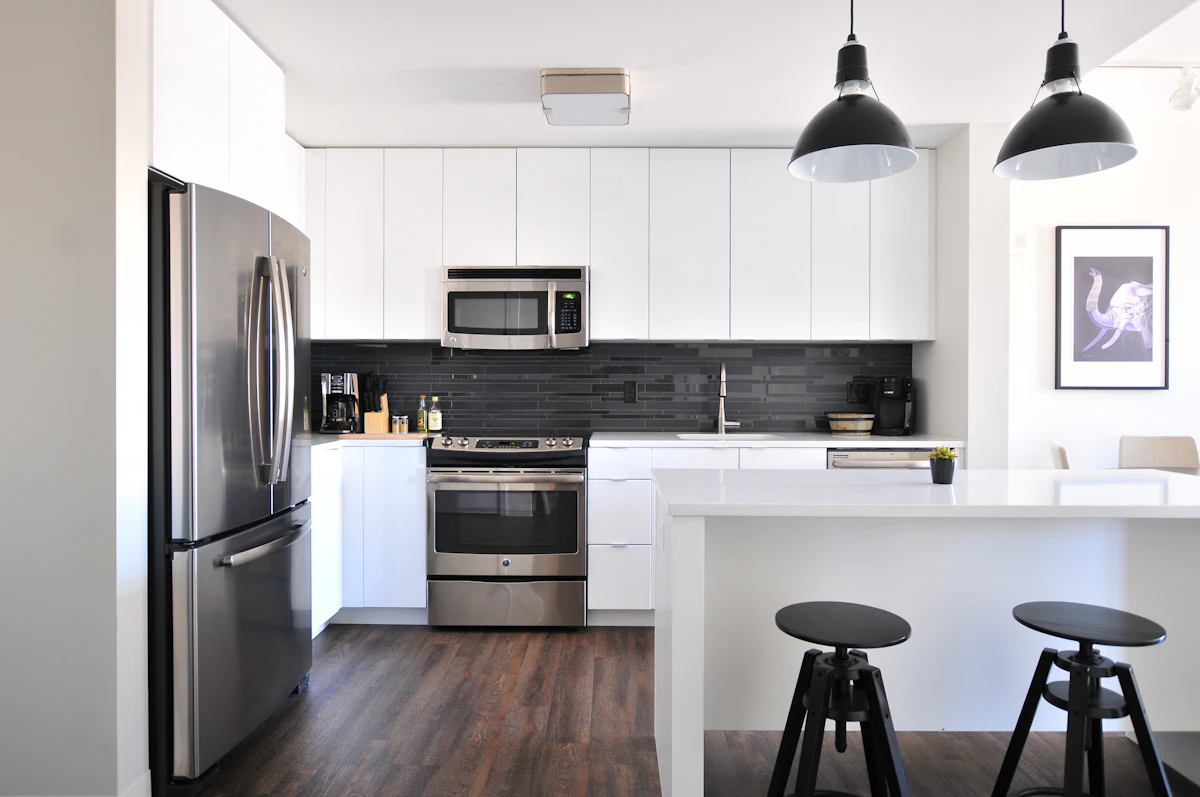
Rental property appliances experience heavier use than owner-occupied home appliances, making maintenance even more critical for longevity. A systematic approach to appliance maintenance can easily double the service life of major appliances, delaying expensive replacements and reducing tenant complaints.
Refrigerator Maintenance
Refrigerators are generally reliable, but they do require maintenance. Clean condenser coils annually—these are typically located behind or beneath the refrigerator and accumulate dust that forces the compressor to work harder. A coil cleaning brush and vacuum make this a 15-minute task that can extend refrigerator life by years. Check door gaskets for proper seal by closing the door on a dollar bill; if the bill pulls out easily, the gasket needs replacement. Verify that the refrigerator is level, as improper leveling can affect door seal and compressor operation.
Dishwasher Maintenance
Dishwashers require regular attention to prevent performance issues and water damage. Clean the filter monthly—most modern dishwashers have a removable filter that catches food debris and needs regular cleaning for proper drainage. Inspect the door gasket for mold and damage, cleaning it monthly with a vinegar solution. Run an empty cycle with a dishwasher cleaner or two cups of vinegar quarterly to remove mineral buildup and odors. Check the supply line and drain hose annually for leaks or deterioration.
Washing Machine Maintenance
Washing machines are a leading source of water damage claims due to supply line failures. Replace rubber supply hoses every 3-5 years with braided stainless steel hoses, which are far more resistant to bursting. Clean the lint filter (in machines that have one) and run a cleaning cycle monthly using washing machine cleaner or bleach. Inspect the drain hose for kinks or clogs, and ensure it's properly secured to prevent displacement during the spin cycle. For front-loading machines, leave the door ajar between uses to prevent mold growth in the gasket, and clean the gasket monthly.
Dryer Maintenance
Dryer maintenance is critical for fire prevention. Lint accumulation in the exhaust duct is a leading cause of house fires. Clean the lint trap after every use—this is typically a tenant responsibility, but include it in your tenant orientation. Professionally clean the entire exhaust duct annually, or more frequently for heavy-use properties. Verify that the exterior vent flap opens properly during operation and closes when the dryer is off. Ensure the dryer is properly vented to the exterior—never into an attic, crawlspace, or garage.
| Appliance | Average Lifespan (Years) | With Proper Maintenance | Replacement Cost Range | Key Maintenance Tasks |
|---|---|---|---|---|
| Refrigerator | 10-13 | 15-20 | $800-$2,500 | Coil cleaning, gasket inspection, leveling |
| Dishwasher | 7-10 | 12-15 | $400-$1,200 | Filter cleaning, gasket maintenance, supply line check |
| Washing Machine | 8-12 | 14-18 | $500-$1,500 | Hose replacement, cleaning cycles, gasket care |
| Dryer | 10-13 | 15-20 | $400-$1,200 | Vent cleaning, lint trap maintenance, duct inspection |
| Range/Oven | 13-15 | 18-22 | $600-$2,000 | Burner cleaning, gasket check, hood filter cleaning |
| Garbage Disposal | 8-12 | 12-15 | $150-$400 | Regular use, ice cube cleaning, avoiding problem items |
Coordinating Maintenance Across Multiple Properties
For landlords managing more than a handful of properties, the challenge isn't knowing what maintenance to perform—it's systematically tracking and executing maintenance across all units without letting anything fall through the cracks. Effective organization and leveraging technology are essential for scaling your maintenance program.
Geographic clustering of properties simplifies maintenance coordination significantly. When possible, schedule similar maintenance tasks across multiple properties on the same day or during the same week. This approach reduces contractor mobilization costs, allows you to negotiate volume discounts, and makes better use of your own time when performing inspections or oversight. For example, scheduling all HVAC spring tune-ups during a single week allows you to get better pricing and ensures consistent service across your portfolio.
Building relationships with reliable contractors is perhaps the most valuable investment you can make in your maintenance program. Identify skilled, responsive professionals for each trade—HVAC, plumbing, electrical, general handyman work—and use them consistently. These relationships yield multiple benefits: better pricing through loyalty, priority scheduling during emergencies, honest assessments rather than unnecessary upselling, and contractors who become familiar with your properties and can identify developing issues. Ask for property management references specifically, as residential contractors don't always understand the unique requirements of rental property work.
Technology platforms designed for property management dramatically simplify maintenance tracking. VerticalRent, for example, allows you to schedule recurring maintenance tasks, receive automated reminders when service is due, track maintenance history for each property, and store contractor information centrally. When a tenant reports an issue, you can quickly review maintenance history to identify patterns or determine warranty coverage. The platform's AI maintenance triage feature can automatically categorize and prioritize incoming maintenance requests, helping you identify urgent issues immediately while organizing routine items for batch handling.
Using a comprehensive Property Inspection Checklist during regular property visits ensures you're evaluating the same criteria consistently across all properties. This systematic approach prevents the common problem of different inspection rigor at different properties based on memory or attention at the moment. Document your findings digitally with photos and notes, creating a searchable history that proves invaluable for insurance claims, security deposit disputes, and capital planning.
Handling Emergency Maintenance Within a Preventive Framework
Even the best preventive maintenance program won't eliminate all emergencies. Equipment fails unexpectedly, severe weather causes damage, and tenants sometimes create problems through misuse or negligence. The goal of preventive maintenance is to dramatically reduce emergency frequency while establishing systems that enable rapid, effective response when emergencies do occur.
Clear communication with tenants about what constitutes an emergency is essential. Provide tenants with written guidelines distinguishing true emergencies—situations presenting immediate safety hazards or causing ongoing property damage—from urgent issues that need prompt attention but can wait for normal business hours. True emergencies include gas leaks, flooding or major water leaks, complete heating failure in cold weather, electrical hazards, and security compromises like broken locks or windows. Understanding how to handle emergency maintenance requests landlords receive is crucial for both protecting your property and meeting your legal obligations.
Establish an emergency response protocol before you need it. Maintain an updated list of emergency contractors for each trade, including after-hours contact information. Understand your utility company's emergency procedures for gas leaks and electrical hazards. Know where water and gas shutoffs are located at each property, and ensure tenants know as well. Consider whether your insurance policy covers emergency response services and temporary housing if units become uninhabitable.
Document emergency incidents thoroughly. Record the date and time of the report, the nature of the problem, your response timeline, contractors used, costs incurred, and the resolution. This documentation protects you from liability claims, supports insurance reimbursement requests, and provides valuable data for improving your preventive maintenance program. If the same type of emergency recurs, that's a signal to add or modify preventive maintenance procedures.
Post-emergency analysis should become standard practice. After any significant emergency, ask what could have prevented it, whether your response was optimal, and what system or process changes would improve future handling. This continuous improvement mindset transforms emergencies from pure losses into learning opportunities that strengthen your overall maintenance program.
Budgeting for Preventive Maintenance Success
Effective preventive maintenance requires financial commitment, and many landlords underestimate the appropriate maintenance budget. Industry standards suggest allocating 1-2% of property value annually for maintenance, but this rule of thumb doesn't account for property age, condition, or local cost variations. A more nuanced approach considers specific property characteristics and historical data.
For newer properties under 10 years old, maintenance budgets can typically fall at the lower end of the range—around 1% of property value. These properties have newer systems, remaining warranty coverage on many components, and fewer deferred maintenance issues. As properties age, maintenance budgets should increase accordingly. Properties 20+ years old often require 2% or more of value annually, particularly if major systems like roofs, HVAC, or water heaters are approaching end of life.
Build your budget bottom-up by listing all anticipated maintenance tasks and their costs. Include professional service contracts (HVAC, pest control, landscaping), seasonal maintenance supplies and contractor costs, inspection expenses, and a contingency fund for unexpected issues. Track actual spending against budget monthly, adjusting as you develop accurate data for your specific properties.
Capital reserves for major replacements should be separate from your operating maintenance budget. A roof replacement, HVAC system installation, or foundation repair isn't routine maintenance—it's a capital expenditure that requires advance planning. Estimate remaining useful life for major components and begin setting aside funds years before replacement is needed. This approach prevents financial strain when major expenses arise and allows you to schedule replacements proactively rather than in emergency conditions.
Consider the tax implications of your maintenance approach. Routine maintenance expenses are generally deductible in the year incurred, while capital improvements must be depreciated over time. Consult with a tax professional familiar with real estate to optimize your maintenance strategy for tax efficiency while meeting property needs.
Creating Your Customized Maintenance Schedule
A comprehensive maintenance schedule transforms good intentions into consistent action. This section provides a framework for creating a schedule tailored to your specific properties and circumstances.
- Inventory all property systems and components. For each property, list every system requiring maintenance: HVAC equipment, water heaters, appliances, roof type, siding material, plumbing fixtures, electrical systems, and exterior elements like decks, fences, and irrigation. Include model numbers and installation dates when available, as this information helps predict maintenance needs and verify warranty coverage.
- Research manufacturer maintenance requirements. Review owner's manuals and manufacturer websites for each major component. Manufacturers specify required maintenance to maintain warranty coverage and optimal performance. These requirements form the baseline for your maintenance schedule.
- Add property-specific considerations. Climate, property age, construction quality, and tenant population all affect maintenance needs. Properties in humid climates need more frequent mold and mildew attention. Older properties require more frequent inspections. Rental units with families and pets may need more frequent carpet cleaning and HVAC filter changes.
- Assign task frequencies and timing. Categorize each maintenance task as monthly, quarterly, semi-annual, annual, or multi-year. Assign specific months or seasons for time-sensitive tasks like HVAC servicing and winterization. Spread tasks throughout the year to avoid overwhelming any single period.
- Determine responsibility for each task. Identify whether each task will be handled by you, a tenant, or a contractor. Clearly communicate tenant responsibilities in the lease and through regular reminders. For contractor tasks, identify preferred vendors and establish service relationships in advance.
- Implement tracking and reminder systems. Use property management software like VerticalRent to create recurring maintenance events with automated reminders. The platform can notify you when tasks are due, track completion, and maintain historical records. This systematic approach ensures nothing falls through the cracks even as your portfolio grows.
- Schedule regular review and updates. Quarterly, review your maintenance schedule against actual property conditions and adjust as needed. Annual reviews should incorporate lessons learned, changing property conditions, and any new best practices or requirements you've discovered.
Pro Tip: Don't try to implement a perfect maintenance system overnight. Start with the highest-priority items—HVAC servicing, water heater maintenance, smoke detector testing—and add additional elements gradually. A simple system you actually follow beats a complex system you abandon after two months.
Documentation: Protecting Yourself and Adding Value
Proper documentation of maintenance activities serves multiple critical purposes: legal protection, insurance support, property value enhancement, and operational efficiency. Many landlords underestimate the importance of documentation until they need it—at which point incomplete records create significant problems.
For legal protection, documented maintenance history demonstrates that you've met your obligations under landlord-tenant law. If a tenant claims you've neglected maintenance responsibilities, comprehensive records refute those claims. If a tenant causes damage through misuse of a properly maintained system, your maintenance records support your position in security deposit disputes. In personal injury claims, documented maintenance proves you've exercised reasonable care
Put this into practice
VerticalRent tools related to this guide
Legal Disclaimer
VerticalRent and its authors are not attorneys, CPAs, or licensed legal or financial advisors, and nothing on this site constitutes legal, tax, or professional advice. The information in this article is provided for general educational purposes only. Landlord-tenant laws, eviction procedures, security deposit rules, and tax regulations vary significantly by state, county, and municipality — and change frequently. Nothing on this site creates an attorney-client relationship. Always consult a licensed attorney or qualified professional in your jurisdiction before taking any action based on information you read here.
Co-founded VerticalRent in 2011, growing it from nothing to 100k landlords and renters. Sold it in 2019, then re-acquired it in 2026 to make it better than ever.


