Landlord Maintenance Responsibilities: What Are You Legally Required to Fix?
Every state imposes an implied warranty of habitability — meaning landlords must maintain rentals in livable condition or face rent withholding, repair-and-deduct, and lawsuit exposure. This guide breaks down exactly what landlords are required to fix, and what tenants are responsible for.

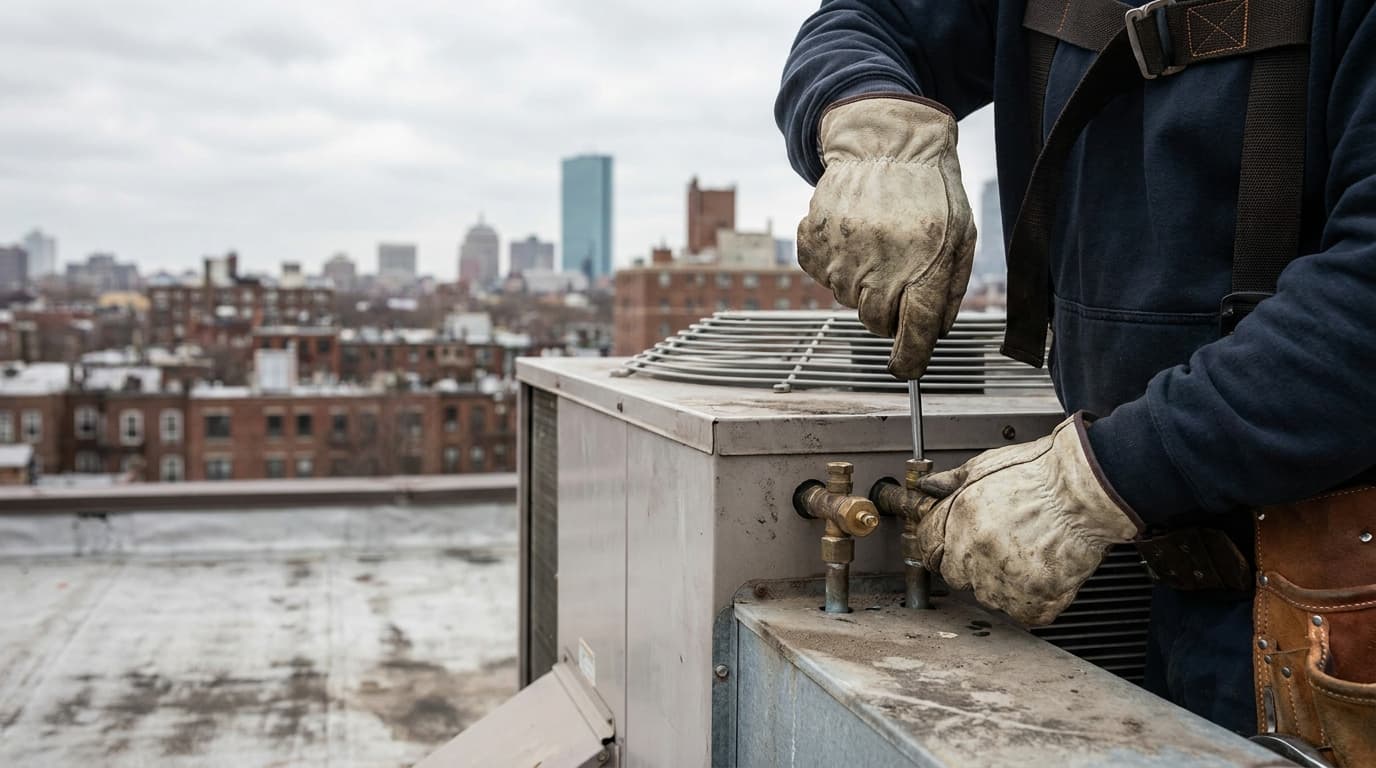
Last month, I received a panicked call from a landlord in our VerticalRent community who had just been served with a lawsuit. His tenant was suing him for $15,000 in damages because a persistent roof leak had caused mold to spread throughout the bedroom ceiling. The landlord's defense? He claimed the tenant never formally reported the issue in writing. The tenant's counter? She had texted him photos three separate times over four months. Understanding your landlord maintenance responsibilities isn't just about being a good property owner—it's about protecting yourself from devastating legal and financial consequences that can wipe out years of rental income in a single judgment.
The reality is that maintenance obligations represent one of the most misunderstood aspects of being an independent landlord. I've spent over fifteen years in the property management industry, and I've watched countless landlords—smart, well-intentioned people—stumble into legal trouble simply because they didn't understand the difference between what they're legally required to fix versus what's merely a courtesy repair. The line between these two categories isn't always obvious, and it varies significantly depending on your state, your lease terms, and the specific circumstances of each situation.
What makes this topic particularly challenging for independent landlords managing anywhere from one to fifteen properties is the lack of institutional support. Unlike corporate property management companies with legal teams on retainer, you're often making maintenance decisions on your own, sometimes in the middle of the night, without clear guidance on what the law actually requires. A wrong decision—either ignoring something you should fix or spending thousands on something that was actually the tenant's responsibility—can dramatically impact your bottom line and your peace of mind.
In this comprehensive guide, I'll walk you through everything you need to know about your legal maintenance obligations as a landlord. We'll cover federal and state requirements, examine the critical concept of habitability, break down which repairs fall on your shoulders versus your tenants', and give you practical systems for managing maintenance efficiently. By the end, you'll have a clear framework for handling any maintenance situation that comes your way.
What You'll Learn in This Guide
- The federal and state laws that define your baseline maintenance obligations and how they apply to your specific properties
- How the implied warranty of habitability works and which repairs you absolutely cannot ignore without facing legal consequences
- A clear breakdown of landlord responsibilities versus tenant responsibilities, including gray areas that often cause disputes
- State-by-state variations in maintenance laws and how to ensure you're compliant in your jurisdiction
- Practical response timeframes for different types of maintenance issues, from emergencies to routine repairs
- How to document maintenance properly to protect yourself legally while maintaining positive tenant relationships
Understanding the Legal Foundation of Landlord Maintenance Duties
Before we dive into specific repair categories, it's essential to understand why landlords have maintenance obligations in the first place. The legal framework governing rental property maintenance has evolved significantly over the past century, moving from a "buyer beware" approach where tenants took properties as-is to a comprehensive system of landlord accountability. This evolution reflects society's recognition that housing isn't just another consumer product—it's a fundamental necessity that directly impacts human health, safety, and wellbeing.
At the federal level, landlords must comply with the Fair Housing Act, which prohibits discrimination in housing-related decisions, including maintenance. If you consistently perform repairs quickly for some tenants while ignoring requests from others based on protected characteristics like race, religion, family status, or disability, you're violating federal law. Additionally, properties built before 1978 fall under EPA lead paint disclosure requirements, and landlords must address lead paint hazards according to federal standards. The Americans with Disabilities Act also comes into play for common areas in multi-unit buildings, requiring landlords to maintain accessible pathways and accommodations.
State laws provide the primary framework for maintenance obligations through what's called the "implied warranty of habitability." This legal doctrine, now recognized in virtually every state, establishes that landlords implicitly promise tenants a livable dwelling regardless of what the lease says. You cannot waive these obligations through lease language. Even if a tenant signs a lease accepting the property "as-is" or agreeing to handle all repairs, courts will not enforce provisions that violate habitability standards. Understanding these habitability standards landlords must meet is fundamental to compliant property management.
Local building codes and housing codes add another layer of requirements. Many cities have adopted the International Property Maintenance Code or similar standards that specify everything from minimum ceiling heights to required electrical outlets per room. These codes are typically enforced through periodic inspections or in response to tenant complaints. Violations can result in fines, orders to repair, or in extreme cases, condemnation of the property. As an independent landlord, you need to familiarize yourself with the specific codes that apply in your municipality, as these can be more stringent than state law.
Critical Legal Insight: The implied warranty of habitability cannot be waived by lease provisions. Even if your tenant signs an agreement accepting responsibility for repairs that legally fall on you, courts will not enforce it. This means you cannot contract your way out of habitability obligations—they exist regardless of what your lease says.
Court interpretations of these laws continue to evolve, generally expanding landlord responsibilities over time. Recent trends include increased focus on mold remediation, pest control, and even internet connectivity in some jurisdictions. Staying current on legal developments in your area is essential. At VerticalRent, we regularly update our compliance resources to reflect changing regulations, helping landlords stay informed without needing a law degree.
The Implied Warranty of Habitability: Your Non-Negotiable Obligations
The implied warranty of habitability represents the core of your maintenance responsibilities. While specific standards vary by state, this legal doctrine consistently requires landlords to maintain rental properties in a condition fit for human habitation. Understanding what this means in practice is crucial because habitability violations can trigger powerful tenant remedies including rent withholding, repair-and-deduct actions, or lease termination without penalty.
At minimum, habitable housing must have functioning structural components. This includes a weatherproof roof and walls, secure windows and doors, and a solid foundation. If water intrudes when it rains, if walls have holes that expose insulation or allow pest entry, or if floors are unstable or rotting, you're likely in violation of habitability standards. These structural issues aren't just inconveniences—they create conditions that can damage tenant belongings, encourage pest infestations, and cause health problems through mold growth and poor air quality.
Essential utilities form another cornerstone of habitability. You must maintain functional plumbing that provides running water (both hot and cold in most jurisdictions), a working sewage or septic system, and electricity that meets safety codes. Heating systems must keep the property at a reasonable temperature during cold months—typically at least 68°F during daytime hours and 60°F at night. While air conditioning requirements are less common, some states now mandate landlords maintain cooling systems in regions where summer heat poses health risks.
Sanitary conditions are equally important. The property must be free from serious pest infestations including rodents, cockroaches, bed bugs, and other vermin that can spread disease or cause allergic reactions. Garbage and waste must have proper disposal facilities. Bathroom fixtures must work correctly, and kitchens must have functioning appliances if they were provided as part of the rental. Accumulated filth, sewage backup, or persistent pest problems that you fail to address violate habitability standards even if the tenant's cleanliness contributed to the situation.
Health and Safety Standards Within Habitability
Beyond basic structural and utility requirements, habitability encompasses broader health and safety concerns. Working smoke detectors are universally required, with many states mandating landlord installation and maintenance rather than leaving this to tenants. Carbon monoxide detectors are similarly required in most states, particularly for properties with gas appliances or attached garages. Fire extinguisher requirements vary but are becoming more common, especially in multi-unit buildings.
Lead paint represents a significant habitability concern in older properties. If your building was constructed before 1978, you must not only disclose the presence of lead paint but also address deteriorating paint that creates exposure hazards. Chipping, peeling, or flaking lead paint must be remediated according to EPA standards. This isn't optional—children exposed to lead can suffer permanent neurological damage, and courts take these violations extremely seriously.
| Habitability Component | Legal Requirement | Typical Repair Timeframe | Consequence of Non-Compliance |
|---|---|---|---|
| Heating System | Must maintain 68°F+ during day | 24-72 hours (seasonal) | Rent withholding, lease termination |
| Running Water | Hot and cold water required | 24 hours for complete outage | Emergency repair-and-deduct |
| Electrical System | Safe, code-compliant wiring | 24 hours for total outage | Code enforcement, fines |
| Weatherproofing | Roof, walls, windows intact | Varies by severity | Tenant remedies, damage liability |
| Pest Control | Property free of infestations | 72 hours to begin treatment | Health department involvement |
| Smoke/CO Detectors | Functional detectors required | 24 hours | Criminal liability if injury occurs |
| Locks and Security | Functional locks on doors/windows | 24-48 hours | Liability for break-ins |
Mold presents an increasingly important habitability concern. While not all states have specific mold statutes, courts consistently hold landlords responsible for addressing moisture intrusion that leads to mold growth. Toxic black mold (Stachybotrys) can cause serious respiratory illness, and landlords who ignore tenant reports of musty smells, visible mold, or water damage may face substantial liability. The key is addressing moisture problems promptly—mold cannot grow without water, so fixing leaks and improving ventilation prevents the problem from developing.
Landlord Responsibilities vs. Tenant Responsibilities: Drawing Clear Lines
One of the most common sources of landlord-tenant conflict is disagreement over who's responsible for a particular repair. While the implied warranty of habitability establishes your baseline obligations, many maintenance issues fall outside this clear-cut category. Understanding the distinction between landlord responsibilities, tenant responsibilities, and negotiable items helps you manage expectations and avoid disputes.
As a landlord, you're generally responsible for maintaining everything that was part of the property when the tenant moved in. This includes appliances you provided (refrigerator, stove, dishwasher, washer/dryer), flooring and carpeting (normal wear excepted), built-in features like cabinets and countertops, and all mechanical systems including HVAC, plumbing, and electrical. You must also maintain common areas in multi-unit buildings, including hallways, stairs, parking areas, and landscaping. The principle is straightforward: if you provided it or it's attached to the property, you're responsible for keeping it functional.
Tenants are typically responsible for maintaining the cleanliness of their unit, using all fixtures and appliances properly, and avoiding damage beyond normal wear and tear. They must report maintenance issues promptly—failure to do so can shift liability from you to them if their delay causes additional damage. Tenants should change HVAC filters regularly, test smoke detector batteries, keep drains clear of hair and debris, and maintain any outdoor areas assigned exclusively to them. These expectations should be clearly stated in your lease.
Pro Tip: Create a maintenance responsibility checklist and review it with every tenant at move-in. This simple step prevents most maintenance disputes. VerticalRent's AI-powered lease generation tool automatically includes jurisdiction-appropriate maintenance clauses, clearly delineating responsibilities so both parties understand their obligations from day one.
The Gray Areas: Negotiable and Situation-Dependent Repairs
Many maintenance issues don't fall neatly into landlord or tenant categories. Light bulb replacement is a common example—while tenants typically replace bulbs in standard fixtures, specialty bulbs in high ceilings or custom fixtures often become landlord responsibility. Pest control is another gray area: you're responsible for pre-existing infestations, but ants attracted by tenant's food storage habits might reasonably be their problem. Window treatments, if not provided, are generally tenant responsibility, but if you provide blinds that break through normal use, replacement falls on you.
Damage caused by tenant negligence or intentional acts is the tenant's responsibility to repair or pay for. A clogged toilet caused by flushing inappropriate items, a broken window caused by rough play, or appliance damage from misuse are all tenant responsibilities. However, proving negligence can be difficult, which is why thorough move-in inspections with photographic documentation are essential. VerticalRent's property inspection tools help landlords create detailed, timestamped records that can definitively establish property condition at each tenancy milestone.
The key to managing gray areas is clear lease language and consistent policies. Specify exactly what tenants are responsible for, provide guidelines for proper use of appliances and fixtures, and establish clear procedures for reporting issues. When disputes arise, your documented policies and move-in/move-out inspections provide the evidence needed to resolve them fairly.
State-by-State Variations in Maintenance Laws
While the implied warranty of habitability exists nationwide, specific maintenance requirements vary dramatically between states. What's legally required in California might not apply in Texas, and landlords operating in multiple states must navigate these differences carefully. Understanding your state's specific requirements isn't optional—it's essential for legal compliance.
Some states provide comprehensive landlord-tenant codes that spell out maintenance obligations in detail. California, for example, has Civil Code Section 1941 requiring landlords to maintain properties in "fit for habitation" condition, with specific requirements for weatherproofing, plumbing, heating, electricity, sanitation, trash receptacles, flooring, stairways, and locks. Massachusetts has similar detailed requirements through its Sanitary Code. These states leave little ambiguity about landlord obligations.
Other states take a more general approach, establishing broad habitability standards without specific requirements. In these jurisdictions, courts interpret habitability on a case-by-case basis, considering community standards, the age and type of property, lease terms, and specific circumstances. This flexibility can work for or against landlords depending on the situation, but it also creates uncertainty about exactly what's required.
| State | Habitability Statute | Key Requirements | Repair-and-Deduct Allowed | Rent Withholding Allowed |
|---|---|---|---|---|
| California | Civil Code § 1941-1942 | Detailed statutory requirements | Yes, up to one month's rent | Yes, with notice |
| Texas | Property Code § 92.052 | Basic habitability only | Yes, with specific procedures | Limited circumstances |
| New York | Real Property Law § 235-b | Comprehensive requirements | Yes, with court approval | Yes, through HPD complaints |
| Florida | F.S. § 83.51 | Code compliance required | No explicit provision | Yes, 7-day notice required |
| Illinois | 765 ILCS 735/2 | Case law interpretation | Yes, after notice | Yes, in Chicago specifically |
| Pennsylvania | Case law only | Court-determined standards | Limited case law support | Not explicitly authorized |
| Ohio | ORC § 5321.04 | Statutory checklist | Yes, with conditions | Yes, with escrow account |
| Georgia | OCGA § 44-7-13 | Minimal requirements | No statutory provision | No statutory provision |
Tenant remedies also vary significantly by state. In California, tenants can use "repair and deduct," spending up to one month's rent on habitability repairs and deducting the cost from rent, after giving proper notice. Some states allow rent withholding, where tenants can stop paying rent (often into an escrow account) until repairs are made. Other states require tenants to go through lengthy court processes before obtaining relief. Understanding what remedies your tenants have access to helps you prioritize repairs appropriately.
Local ordinances can add additional requirements on top of state law. Many cities have rental registration programs with periodic inspection requirements. Some municipalities mandate specific amenities like window guards in units where children reside or require landlords to provide recycling facilities. Before acquiring properties in new jurisdictions, research both state and local requirements thoroughly. VerticalRent maintains a comprehensive compliance database that helps landlords understand their obligations in any U.S. location.
Response Timeframes: How Quickly Must You Address Issues?
Understanding appropriate response times for different types of maintenance issues is crucial for both legal compliance and tenant satisfaction. While emergencies demand immediate attention, routine repairs allow more flexibility. Establishing clear response protocols helps you allocate resources efficiently while meeting your legal obligations.
Emergency maintenance issues require immediate response—typically within hours, not days. Complete loss of water or electricity, sewage backup, gas leaks, heating failure during winter, security compromises like broken locks or doors, flooding, fire damage, and any situation posing immediate health or safety risks all qualify as emergencies. For these issues, you should have 24/7 response capability, even if that means having a reliable contractor on call. Learning to handle emergency maintenance requests landlords receive is critical for protecting both your tenants and your investment.
Urgent but non-emergency issues typically require response within 24-72 hours. This category includes problems that don't pose immediate danger but significantly impact livability: air conditioning failure during heat waves (where not legally an emergency), refrigerator malfunction, oven or stove not working, hot water heater issues in warm weather, and significant plumbing problems that don't constitute complete system failure. These issues need prompt attention but allow time for scheduling appropriate repairs.
Routine Repair Timelines and Best Practices
Routine maintenance requests generally allow 7-14 days for completion, though responsiveness builds tenant goodwill and reduces turnover. This category includes minor plumbing issues like dripping faucets, cosmetic concerns, appliance issues that don't prevent use, weather stripping replacement, and similar non-urgent repairs. While you're not legally required to fix a slow-draining sink within 24 hours, addressing routine issues promptly signals that you care about tenant comfort and property maintenance.
Documentation of response times is essential. When a tenant reports an issue, record the date and time, the nature of the problem, your response, and the ultimate resolution date. This documentation protects you if disputes arise later. VerticalRent's maintenance tracking system automatically timestamps all communications and creates a complete audit trail for every maintenance request, making it easy to demonstrate compliance with response requirements.
Important Warning: State law may specify exact response timeframes that override general guidelines. Texas, for example, requires landlords to make a "diligent effort" to repair conditions materially affecting health and safety within a reasonable time—typically interpreted as 7 days after written notice for non-emergencies. Always verify your state's specific requirements rather than relying on general rules.
Consider establishing a tiered response system. Many successful independent landlords I've worked with use a three-tier approach: Tier 1 (emergency) gets immediate response and same-day resolution; Tier 2 (urgent) gets response within 24 hours and resolution within 72 hours; Tier 3 (routine) gets acknowledgment within 48 hours and resolution within 14 days. VerticalRent's AI maintenance triage system can automatically categorize incoming requests, helping you prioritize appropriately even when managing multiple properties.
Handling Major System Repairs: HVAC, Plumbing, and Electrical
Major building systems require special attention because failures can quickly escalate into habitability violations, cause extensive property damage, and pose serious safety risks. Understanding your obligations for these critical systems helps you plan maintenance budgets, establish contractor relationships, and respond appropriately when problems occur.
HVAC systems demand proactive maintenance to function reliably. You should schedule professional inspections at least annually—ideally in spring for air conditioning and fall for heating. Regular filter changes (quarterly at minimum, monthly during heavy use periods) extend system life and improve efficiency. When HVAC systems fail, response requirements depend on weather conditions: heating failures during winter are emergencies in most jurisdictions, while air conditioning failures may be emergencies in areas with extreme summer heat but not in moderate climates.
When major HVAC repairs are needed, communicate clearly with tenants about expected timelines. If repairs will take multiple days during extreme weather, consider providing alternative accommodation or portable heating/cooling units. Document all communications and efforts. Courts generally give landlords reasonable time to complete complex repairs, but only if you demonstrate good faith efforts and maintain communication with affected tenants.
Plumbing systems range from simple fixtures to complex supply and drain lines. You're responsible for maintaining all plumbing that serves your property, including supply lines, drain systems, water heaters, and fixtures you provided. Tenants are generally responsible only for keeping drains clear and using plumbing appropriately. When plumbing emergencies occur—burst pipes, sewage backup, complete water loss—you must respond immediately to prevent both property damage and habitability violations.
Electrical System Safety and Compliance
Electrical systems present unique hazards including fire risk and electrocution. You must maintain safe, code-compliant electrical service throughout your properties. This includes the service panel, all wiring, outlets, switches, and light fixtures. While tenants can replace light bulbs and operate breaker panels for simple trips, any repair work beyond basic user-serviceable tasks is landlord responsibility and typically requires licensed electricians.
Older properties present particular electrical challenges. Knob-and-tube wiring, while not automatically illegal, may not support modern electrical loads safely. Ungrounded outlets create shock risks. Insufficient circuit capacity can lead to overloaded circuits and fire hazards. While you're not necessarily required to upgrade functional electrical systems to current code, you must ensure existing systems operate safely. When making repairs, most jurisdictions require bringing affected portions up to current code.
For all major systems, build relationships with reliable contractors before emergencies occur. Having trusted HVAC, plumbing, and electrical professionals you can call at any hour proves invaluable when problems arise. The Hiring Contractors for Rental Properties guide provides detailed guidance on finding, vetting, and managing contractor relationships effectively. VerticalRent's contractor network feature helps landlords connect with pre-vetted professionals in their area, streamlining the process of building your repair team.

Video Resource
Watch a related guide on YouTube
Search YouTube: landlord maintenance responsibilities what are required to fix →Common Appliance and Fixture Maintenance Obligations
Beyond major systems, landlords must maintain all appliances and fixtures provided as part of the rental. This includes kitchen appliances, bathroom fixtures, and any amenities like garage door openers, ceiling fans, or built-in vacuum systems. Understanding your obligations for these items helps you budget appropriately and respond correctly when issues arise.
Kitchen appliances represent a significant maintenance category for most landlords. Refrigerators, stoves, ovens, dishwashers, and garbage disposals all require attention. Your obligation is to maintain these appliances in working condition—not to upgrade to the latest models or replace items that function adequately but aren't preferred by tenants. When appliances fail despite normal use, replacement or repair is your responsibility. When failure results from tenant misuse (running a dishwasher without water, overloading a garbage disposal with inappropriate items), the tenant may be responsible for repair costs.
Establish clear policies about appliance care in your lease. Specify that tenants must clean refrigerator coils periodically, not abuse garbage disposals, keep ovens reasonably clean, and report malfunctions promptly. These provisions both protect your appliances and establish tenant accountability when damage results from improper use. Document appliance condition at move-in, including photographs of each appliance and notation of any existing issues.
Bathroom fixtures including toilets, sinks, showers, and bathtubs must remain functional throughout the tenancy. Dripping faucets, running toilets, and clogged drains are among the most common maintenance requests. While a single service call to fix a clogged drain is typically landlord responsibility, repeated clogs caused by tenant misuse (flushing inappropriate items, allowing hair accumulation) may justify tenant charges. Provide drain covers and clear guidelines about what can and cannot go down drains.
Addressing Fixture Age and Wear
All fixtures and appliances have limited lifespans, and planning for replacement is essential. Standard appliance lifetimes range from 10-15 years for refrigerators, 13-15 years for electric stoves, 9-12 years for dishwashers, and 12-15 years for garbage disposals. Tracking appliance ages and budgeting for replacement helps avoid emergency spending when failures occur. Consider annual inspections to assess fixture condition and anticipate upcoming replacement needs.
When appliances or fixtures reach end of life, replacement is your obligation regardless of why they failed. A 20-year-old refrigerator that dies isn't the tenant's fault, and they're entitled to a functional replacement within reasonable time. While you're not required to provide identical or upgraded replacements, the new appliance must be functionally equivalent to what the lease promised. If you advertised "stainless steel appliances," replacing them with basic white models might violate lease terms even if functionally acceptable.
Document all appliance replacements and major repairs. Maintain records of model numbers, installation dates, warranties, and service history. This information helps you track maintenance patterns, identify problematic brands or models, and provide documentation if disputes arise. VerticalRent's property management system includes inventory tracking features that make maintaining these records simple and accessible.
Exterior and Common Area Maintenance Requirements
Landlord responsibilities extend beyond individual units to include building exteriors and common areas. These shared spaces significantly impact tenant satisfaction and safety, and neglecting them can create both legal liability and habitability concerns for all residents. Understanding your exterior and common area obligations helps you maintain safe, attractive properties.
Building exteriors must remain weathertight and structurally sound. Roofing requires regular inspection and prompt repair of any damage. Siding and external walls must remain intact, free from gaps that allow moisture or pest intrusion. Windows and exterior doors must operate properly, lock securely, and seal adequately against weather. Foundation issues must be addressed promptly as they can affect the entire structure. Gutters and drainage systems must function properly to direct water away from the building.
Parking areas and driveways present significant liability exposure. Potholes, cracked pavement, inadequate lighting, and poor snow/ice removal create slip-and-fall hazards that can result in expensive lawsuits. Maintain smooth driving and walking surfaces, ensure adequate lighting throughout parking areas, and establish clear snow removal protocols if you're in a cold-weather climate. Document maintenance activities—if someone does slip and fall, evidence of regular maintenance supports your defense.
Landscaping obligations vary by lease terms and property type. In single-family rentals, lawn maintenance is often tenant responsibility as specified in the lease. In multi-unit properties, common area landscaping typically falls on landlords. Regardless of who handles routine care, you're responsible for addressing safety hazards like dead trees that could fall on people or property, broken branches, or overgrown vegetation that obscures lighting or creates concealment areas.
Common Area Maintenance in Multi-Unit Buildings
Multi-unit buildings present additional common area obligations. Hallways, stairways, lobbies, laundry rooms, fitness centers, pools, and other shared amenities all require landlord maintenance. These areas must meet all safety codes, remain clean and functional, and be accessible to all residents entitled to use them. Security in common areas—adequate lighting, functional locks, secure entry systems—is essential.
Stairways and walkways demand particular attention because falls are among the most common and serious residential injuries. Ensure handrails are secure, treads are even and non-slippery, and lighting is adequate. Address any uneven surfaces, loose carpet, or damaged flooring immediately. Document regular inspections of these areas and maintain repair records.
Shared laundry facilities must remain functional if promised in the lease. While you're not necessarily obligated to provide free laundry, any machines you make available must work properly. Establish maintenance protocols with your laundry equipment vendor, post clear instructions for use, and respond promptly to malfunction reports. Similar principles apply to fitness centers, pools, and other amenities—if you offer them, you must maintain them.
Dealing with Pest Control and Mold Remediation
Pest infestations and mold growth present special maintenance challenges because they affect health, create emotional distress for tenants, and can spread rapidly if not addressed properly. Understanding your obligations and best practices for these issues helps you respond effectively while minimizing cost and liability.
Pest control obligations begin before tenants move in. Properties must be pest-free at lease commencement. If new tenants discover existing infestations, you're responsible for remediation regardless of lease terms. Once tenants occupy the property, responsibility for new infestations depends on the source. Bed bugs, for example, often arrive with tenants or their belongings, but many states still hold landlords responsible for remediation in multi-unit buildings because pests can spread between units regardless of origin.
For serious infestations, professional pest control is almost always necessary. Over-the-counter remedies rarely eliminate established populations of cockroaches, bed bugs, mice, or other significant pests. The cost of professional treatment typically ranges from $150-300 for basic pest control to $1,000-5,000 for bed bug remediation depending on infestation severity. Budget for these expenses and establish relationships with reliable pest control companies before you need emergency service.
Prevention is far more cost-effective than remediation. Seal entry points for pests, maintain clean common areas in multi-unit buildings, require tenants to maintain sanitary conditions, and schedule preventive treatments where appropriate. In multi-unit buildings, consider including preventive pest control in common area maintenance schedules. VerticalRent's property maintenance scheduling features help landlords stay on top of preventive pest control along with other recurring maintenance needs.
Mold: Prevention, Detection, and Response
Mold remediation has become increasingly contentious and expensive. While not all mold is dangerous, some species cause serious respiratory illness, and tenant awareness of mold hazards has increased dramatically. Your best strategy is prevention: address moisture intrusion promptly, ensure adequate ventilation in bathrooms and kitchens, and respond quickly to any reports of musty odors or visible mold.
When mold is discovered, assess the scope before responding. Small amounts of surface mold in bathrooms (common due to shower moisture) can often be addressed with proper cleaning and improved ventilation. Larger areas of mold growth, mold behind walls, or mold associated with water intrusion typically require professional remediation. Costs range widely—from a few hundred dollars for minor issues to tens of thousands for extensive contamination requiring wall removal and structural repairs.
Document mold issues thoroughly. Photograph affected areas, record dates of discovery and remediation, and retain invoices from remediation professionals. If tenant actions contributed to mold growth (blocking ventilation, failing to report leaks, excessive moisture from activities), document this as well. While you're typically still responsible for remediation, tenant contribution to the problem may affect deposit deductions or other tenant charges.
Mold Prevention Protocol: The single most effective mold prevention measure is addressing water intrusion immediately. A small roof leak or plumbing
Put this into practice
VerticalRent tools related to this guide
Legal Disclaimer
VerticalRent and its authors are not attorneys, CPAs, or licensed legal or financial advisors, and nothing on this site constitutes legal, tax, or professional advice. The information in this article is provided for general educational purposes only. Landlord-tenant laws, eviction procedures, security deposit rules, and tax regulations vary significantly by state, county, and municipality — and change frequently. Nothing on this site creates an attorney-client relationship. Always consult a licensed attorney or qualified professional in your jurisdiction before taking any action based on information you read here.
Co-founded VerticalRent in 2011, growing it from nothing to 100k landlords and renters. Sold it in 2019, then re-acquired it in 2026 to make it better than ever.


