Habitability Standards in North Dakota: What Your Rental Must Legally Provide
North Dakota renters have legal rights to safe, livable housing — but many don't know what landlords are required to provide. Learn the state's habitability standards and how to protect yourself.

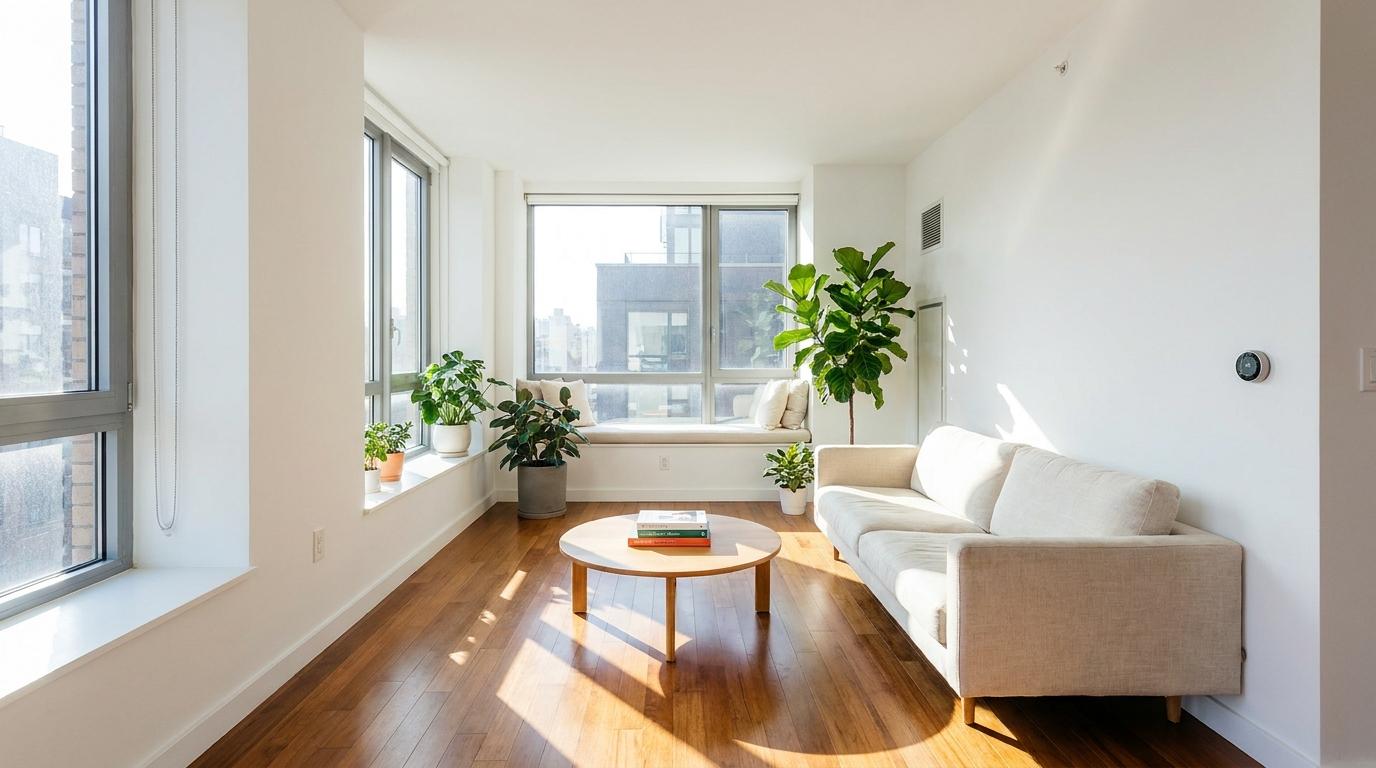
Imagine moving into a new apartment in Fargo in the middle of January — temperatures outside are sitting at -15°F — and discovering your furnace barely works. Or picture a Bismarck rental where the roof leaks every time it rains and the landlord keeps saying they'll 'get to it.' These aren't hypothetical horror stories. According to the American Housing Survey, approximately 6% of occupied rental units nationwide have moderate to severe physical problems — and rural, colder states like North Dakota can see conditions that make those problems life-threatening. If you're renting in North Dakota, understanding exactly what your landlord is legally required to provide isn't just useful knowledge — it could protect your health, your safety, and your wallet.
North Dakota's landlord-tenant law is codified primarily under Chapter 47-16 of the North Dakota Century Code (NDCC). Unlike some states with expansive tenant protection statutes, North Dakota takes a relatively balanced approach — but the habitability requirements written into state law are real, enforceable, and more comprehensive than many renters realize. This guide breaks down every major habitability standard North Dakota law imposes on landlords, explains what your options are when those standards aren't met, and helps you navigate one of the most critical aspects of your lease: the implied warranty of habitability.
What Is the Implied Warranty of Habitability?
The implied warranty of habitability is a legal doctrine that exists in virtually every U.S. state. It means that regardless of what your lease says — or doesn't say — your landlord is required by law to provide and maintain a rental unit that is fit for human habitation. You don't need a clause in your lease spelling it out. The warranty is implied the moment you sign a rental agreement.
In North Dakota, this warranty is reflected directly in the statutory obligations placed on landlords under NDCC § 47-16-13.1. The law requires landlords to maintain rental property in a condition that is safe, sanitary, and fit for the use intended by the parties. This statutory language might sound bureaucratic, but it has real teeth when applied correctly.
Key Fact: North Dakota Century Code § 47-16-13.1 is the primary statute governing landlord maintenance obligations. Any lease clause attempting to waive these landlord duties is considered void and unenforceable under North Dakota law.
Specific Landlord Obligations Under North Dakota Law
Let's get specific. NDCC § 47-16-13.1 outlines several concrete obligations that every landlord in North Dakota must fulfill for every residential rental unit. These aren't optional upgrades or nice-to-haves — they're legal minimums.
1. Structural Integrity and Safe Premises
Landlords must keep the dwelling unit and all common areas in a safe condition. This means structural components — floors, walls, ceilings, staircases, roofs, and foundations — must be maintained so they don't pose a hazard to occupants. A staircase with broken treads, a ceiling with water damage that could collapse, or a foundation crack allowing significant moisture intrusion are all potential habitability violations. North Dakota winters create particularly intense freeze-thaw cycles that can accelerate structural damage, making this provision especially relevant for older rental stock in cities like Grand Forks and Minot.
2. Plumbing and Sanitation
The law requires landlords to maintain all plumbing fixtures and facilities in working order. This includes toilets, sinks, showers, bathtubs, and the pipes connecting them to water and sewer systems. Hot and cold running water must be available. Sewage disposal must be functional. If your toilet is backing up consistently, your water heater has stopped working, or your pipes have burst — these are legally actionable habitability failures, not inconveniences you have to simply endure while waiting for a slow landlord.
3. Heating
This is perhaps the most critical habitability standard in a state like North Dakota, where average January temperatures in Bismarck hover around 10°F and can dip well below zero. Landlords are required to provide and maintain heating facilities capable of keeping the rental unit at a minimum of 70°F during the heating season. Some local municipalities set their own minimums — always check with your city housing department. A landlord who allows a furnace to fail and refuses to repair it promptly during a North Dakota winter isn't just being negligent; they may be exposing a tenant to genuinely dangerous conditions.
Winter Emergency: If your heat fails in North Dakota, document everything immediately — take photos, text your landlord in writing, and contact your local housing authority or city health department. In extreme cold, habitability violations can become emergency health situations within hours.
4. Electrical Systems
Landlords must maintain electrical systems in good and safe working order. This means functional outlets, properly grounded wiring, adequate electrical panels, and no exposed or hazardous wiring. Faulty electrical systems are one of the leading causes of residential fires in the United States — the U.S. Fire Administration estimates that electrical fires account for approximately 6.3% of all residential fires nationwide. In North Dakota's cold climate, where heating systems are running hard all winter, an overtaxed or defective electrical system is a serious risk.
5. Pest and Rodent Infestations
Landlords are responsible for exterminating pests, insects, and rodents when an infestation exists at the start of a tenancy or when the infestation was caused by conditions within the landlord's control — such as cracks in the building's exterior, gaps in plumbing penetrations, or poor garbage facilities. If you move in and discover cockroaches or mice on day one, that is squarely a landlord problem. If you let garbage pile up and attract pests over time, the analysis gets more complicated — but the initial disclosure and responsibility for pre-existing conditions is on the landlord.
6. Common Areas
Landlords of multi-unit buildings must maintain all common areas — hallways, lobbies, laundry rooms, parking areas, exterior walkways — in a clean, safe, and sanitary condition. Icy exterior walkways in a North Dakota winter that aren't salted or cleared by the landlord can represent both a habitability violation and a personal injury liability issue.
7. Garbage and Waste Removal
Landlords must provide adequate garbage receptacles and arrange for waste removal where local ordinance requires it. In rural areas of North Dakota without municipal waste collection, the landlord's obligations may differ, but the basic requirement to provide sanitary waste disposal facilities remains.
Smoke Detectors and Carbon Monoxide Detectors in North Dakota
North Dakota law requires that residential dwellings be equipped with functioning smoke detectors. Under NDCC § 18-10-11, landlords are required to install smoke detection devices in rental properties. Carbon monoxide detectors are also required in dwellings that have fuel-burning appliances — which, given that most North Dakota rentals have gas furnaces or other combustion heating systems, means CO detectors are practically universal requirements in the state.
This is not a small technicality. The CDC estimates that approximately 400 Americans die each year from unintentional, non-fire-related carbon monoxide poisoning. In a state where furnaces run for five to six months of the year, a malfunctioning furnace without a working CO detector is a potentially fatal combination. If your smoke or carbon monoxide detectors are missing or non-functional when you move in, notify your landlord in writing immediately.
- Smoke detectors must be installed on each level of the dwelling and outside sleeping areas
- Carbon monoxide detectors are required when fuel-burning appliances are present
- Landlords must ensure detectors are operational at the start of each tenancy
- Tenants are typically responsible for replacing batteries during the tenancy but should notify landlords of malfunctioning units
Tenant Responsibilities: Your Side of the Habitability Equation
Habitability is not a one-way street. Under NDCC § 47-16-13.2, tenants also have legally defined obligations that must be met for the implied warranty of habitability to remain fully enforceable. Understanding your own duties is important — both to protect your rights and to avoid giving a landlord ammunition to argue that any habitability problems were caused by you.
- Keep the unit clean and sanitary to the extent that your actions determine cleanliness
- Dispose of garbage and waste in a clean and safe manner
- Use all plumbing, electrical, heating, and other facilities reasonably and properly
- Avoid deliberately or negligently damaging or destroying any part of the premises
- Do not remove, damage, or disable smoke or carbon monoxide detectors
- Notify the landlord promptly in writing of any conditions that require repair or maintenance
That last point — written notification — is critical. If you discover a maintenance issue and simply tell your landlord verbally, and they later dispute it, you have no proof. Always send maintenance requests via text message, email, or a property management platform that creates a timestamp. If your landlord uses a platform that includes maintenance tracking, use it. If not, send an email and keep a copy.
What Happens When Your Landlord Fails to Maintain Habitability?
So what do you actually do when your landlord isn't meeting their legal obligations? North Dakota law provides several remedies — but they come with procedural requirements you must follow carefully. Skipping steps can undermine your legal position.
Step 1: Written Notice to the Landlord
Your first step in almost every habitability situation is to notify your landlord in writing of the specific condition that needs repair. Be specific — describe the problem, the location in the unit, when it started, and any safety risks it poses. Send this via a method you can document: email with a read receipt, certified mail, or through a written maintenance request system. Keep a copy.
Step 2: Reasonable Time to Repair
After receiving written notice, North Dakota landlords are given a reasonable time to make repairs. What's 'reasonable' depends on the severity and urgency of the issue. A broken furnace in January is an emergency requiring action within hours or a day at most. A leaky faucet might allow a week or two. Courts evaluate reasonableness based on the circumstances. Under NDCC § 47-16-13.4, if the landlord fails to act within a reasonable time after receiving written notice, the tenant gains the right to pursue legal remedies.
Step 3: Your Legal Remedies
If a landlord fails to act after proper written notice, North Dakota law provides tenants with the following remedies:
- 1Terminate the lease: If the habitability failure is substantial, the tenant may be entitled to terminate the lease and vacate without penalty, treating the landlord's failure as a constructive eviction.
- 2Repair and deduct: Under NDCC § 47-16-13.4, tenants may arrange for essential repairs themselves and deduct the cost from rent — but only after proper written notice, only if the landlord has failed to act within a reasonable time, and only up to the limit established by statute (currently one month's rent per repair event). This remedy must be used carefully and sparingly.
- 3Rent withholding / rent escrow: North Dakota does not have a formal rent escrow statute like some other states, making rent withholding legally risky. Consult an attorney before withholding rent, as it can expose you to eviction if not done under the right circumstances.
- 4Sue for damages: Tenants can file a civil action against a landlord for breach of the implied warranty of habitability, seeking a reduction in rent proportional to the diminished value of the unit, plus any actual damages caused by the habitability failure.
- 5Report to local authorities: Many North Dakota cities have housing inspection programs. Reporting habitability violations to your city's housing department or health department can trigger an official inspection and citation against the landlord.
Important: North Dakota law prohibits retaliatory eviction. Under NDCC § 47-16-18.1, a landlord cannot evict you, raise your rent, or reduce services in retaliation for exercising your legal rights — including reporting habitability violations to government agencies or requesting repairs in writing.
Local Ordinances and Codes: When North Dakota Cities Go Further
State law sets the floor — cities and counties can go further. In North Dakota's larger cities, local housing and building codes may impose additional requirements on landlords that go beyond the state minimum standards.
Fargo
Fargo, North Dakota's largest city with over 130,000 residents, has its own rental property maintenance standards enforced through the Inspections Department. Fargo requires rental properties to meet specific standards for weatherproofing, ventilation, electrical capacity, and sanitation. Landlords of rental properties in Fargo may be subject to periodic rental inspections. Tenants in Fargo can file complaints with the city's Inspections Department, which can trigger an official inspection.
Bismarck
Bismarck enforces its International Property Maintenance Code (IPMC), which sets detailed standards for structural condition, interior surfaces, heating, plumbing, and mechanical systems. The city's Building Services Department handles housing complaints and can issue orders to landlords requiring corrective action.
Grand Forks and Minot
Both Grand Forks and Minot maintain housing inspection programs. Tenants in these cities should contact their local Building Inspection offices if state-law remedies alone aren't producing results. Local inspection citations can carry fines that motivate landlords to act more quickly than the threat of a tenant lawsuit.
Mold and Air Quality: A Growing Habitability Issue
Mold is increasingly recognized as a serious habitability issue nationwide — and North Dakota's cycle of snow, ice, and spring thaws creates conditions where moisture intrusion and mold growth are real risks in older housing stock. While North Dakota does not have a specific standalone mold statute, mold growth caused by a landlord's failure to maintain the structure — through roof leaks, plumbing leaks, inadequate weatherproofing, or improper ventilation — falls squarely within the general habitability obligations under NDCC § 47-16-13.1.
The EPA notes that mold exposure can cause nasal and sinus congestion, respiratory problems, headaches, and in people with compromised immune systems or mold allergies, more severe reactions. If you discover mold in your rental, document it with photos and timestamps, notify your landlord in writing immediately, and request remediation. If the mold was caused by a structural defect or leak under the landlord's control, the remediation cost is a landlord responsibility.
Security Deposits and Habitability: What You Need to Know
North Dakota limits security deposits to one month's rent for most residential leases (NDCC § 47-16-07.1). At move-out, landlords have 30 days to return the security deposit or provide an itemized written statement of deductions. Critically, landlords cannot charge you for pre-existing damage or conditions that were already present when you moved in — which is exactly why a thorough move-in inspection, with photos and a written checklist signed by both parties, is so important.
If a landlord attempts to charge you for repairing something that was actually an ongoing habitability failure — a leaky window, water stains from a roof that was always leaking, worn flooring from inadequate maintenance — you have grounds to dispute those deductions. Courts look poorly on landlords who simultaneously failed to maintain habitability and then try to bill tenants for the resulting damage.
- Take timestamped photos of every room and every existing damage point on move-in day
- Complete a written move-in inspection checklist and get the landlord to sign it
- Document all maintenance requests and landlord responses in writing throughout your tenancy
- Take timestamped photos again at move-out before returning keys
- If deductions seem improper, send a written dispute letter within 30 days and consider small claims court
How Technology Is Changing the Habitability Game for Renters
One of the biggest challenges renters face in habitability disputes is documentation. Proving that you notified your landlord of a problem, that they failed to respond, and that the problem caused you harm requires a paper trail. Modern property management platforms are making this easier for both renters and landlords — and when landlords use them properly, they actually create better records for everyone.
Platforms like VerticalRent include AI-powered maintenance triage tools that allow tenants to submit maintenance requests with photos directly through the platform. The AI maintenance triage feature helps categorize and prioritize repair requests, automatically timestamping every submission and landlord response. This kind of built-in documentation means that if a dispute ever arises about whether a landlord was notified of a habitability issue — and when — there's a clear, objective record. For renters, this is a significant advantage. If your landlord uses a platform with this capability, use the maintenance request system religiously, every single time.
Getting Help: North Dakota Resources for Renters
If you're dealing with a habitability issue and need help, you don't have to navigate it alone. North Dakota has several resources available to renters.
- North Dakota Legal Services (NDLS): Provides free civil legal assistance to low-income North Dakotans, including landlord-tenant matters. Visit ndlegalservices.org or call 1-800-634-5263.
- North Dakota Attorney General's Consumer Protection Division: Can provide information about tenant rights and landlord obligations. Visit ag.nd.gov.
- Local City Housing/Inspections Departments: Fargo, Bismarck, Grand Forks, and Minot all have building inspection offices that handle housing complaints.
- Community Action Agencies: Organizations like Community Action Partnership of North Dakota (CAPND) can connect renters with housing assistance and legal resources.
- Small Claims Court: For disputes under $15,000 (the North Dakota small claims limit as of recent statute), tenants can represent themselves without an attorney to recover damages for habitability violations.
Quick Reference: North Dakota Habitability Checklist
Use this checklist to evaluate your current rental unit against North Dakota's legal habitability standards. If you check 'no' on any of these items, you may have grounds to request repairs or pursue legal remedies.
- 1Structural integrity: Are floors, walls, ceilings, roof, and stairs free of hazardous defects?
- 2Heating: Does the heating system function and can it maintain 70°F during the heating season?
- 3Plumbing: Is hot and cold running water available, and are toilets and drains functioning properly?
- 4Electrical: Is the electrical system safe, with functioning outlets and no exposed wiring?
- 5Weatherproofing: Are windows, doors, and the exterior envelope properly sealed against weather?
- 6Smoke detectors: Are smoke detectors installed on every level and outside sleeping areas?
- 7Carbon monoxide detectors: If fuel-burning appliances are present, is a CO detector installed and functioning?
- 8Sanitation: Are garbage facilities adequate, and is the unit free of pests or rodents?
- 9Common areas: Are hallways, stairwells, and exterior walkways safe and maintained?
The Bottom Line for North Dakota Renters
North Dakota renters have real legal rights, and those rights exist independently of whatever your lease does or doesn't say. The implied warranty of habitability means your landlord must provide and maintain a safe, sanitary, and livable rental unit — full stop. In a state with one of the harshest winter climates in the continental United States, habitability isn't just a legal concept; it's a matter of physical safety.
The most important thing you can do as a renter in North Dakota is to document everything. Know the law, know your rights, put every maintenance request in writing, photograph conditions that concern you, and don't let verbal assurances substitute for action. When landlords fail to maintain habitable conditions after written notice, you have remedies — repair and deduct, lease termination, civil suit, and local housing authority complaints. Use them.
And if you're ever unsure about whether your situation rises to the level of a habitability violation, or what your best course of action is, consult a licensed North Dakota attorney. North Dakota Legal Services can help low-income renters access free legal advice, and many attorneys offer low-cost initial consultations.
Are you a North Dakota renter or landlord looking for a smarter way to manage maintenance requests, rent payments, and lease agreements? VerticalRent's AI-powered platform includes built-in maintenance triage, automated ACH rent collection, and AI-generated state-compliant leases — giving both renters and landlords the documentation and tools they need to handle habitability issues before they become legal problems. Visit VerticalRent.com to learn more and get started for free.
**Legal Disclaimer** *The information in this article is provided for educational purposes only and does not constitute legal advice. Tenant-landlord laws vary significantly by state, county, and city and may have changed since this article was written. VerticalRent is not a law firm and the author is not an attorney. If you have a specific legal situation, please consult a licensed attorney in your jurisdiction.*
Put this into practice
VerticalRent tools related to this guide
Legal Disclaimer
VerticalRent and its authors are not attorneys, CPAs, or licensed legal or financial advisors, and nothing on this site constitutes legal, tax, or professional advice. The information in this article is provided for general educational purposes only. Landlord-tenant laws, eviction procedures, security deposit rules, and tax regulations vary significantly by state, county, and municipality — and change frequently. Nothing on this site creates an attorney-client relationship. Always consult a licensed attorney or qualified professional in your jurisdiction before taking any action based on information you read here.
Co-founded VerticalRent in 2011, growing it from nothing to 100k landlords and renters. Sold it in 2019, then re-acquired it in 2026 to make it better than ever.


