Anti-Discrimination Protections for Renters in Missouri
Missouri renters are protected by both federal and state fair housing laws. Learn your rights, what discrimination looks like, and how to fight back.

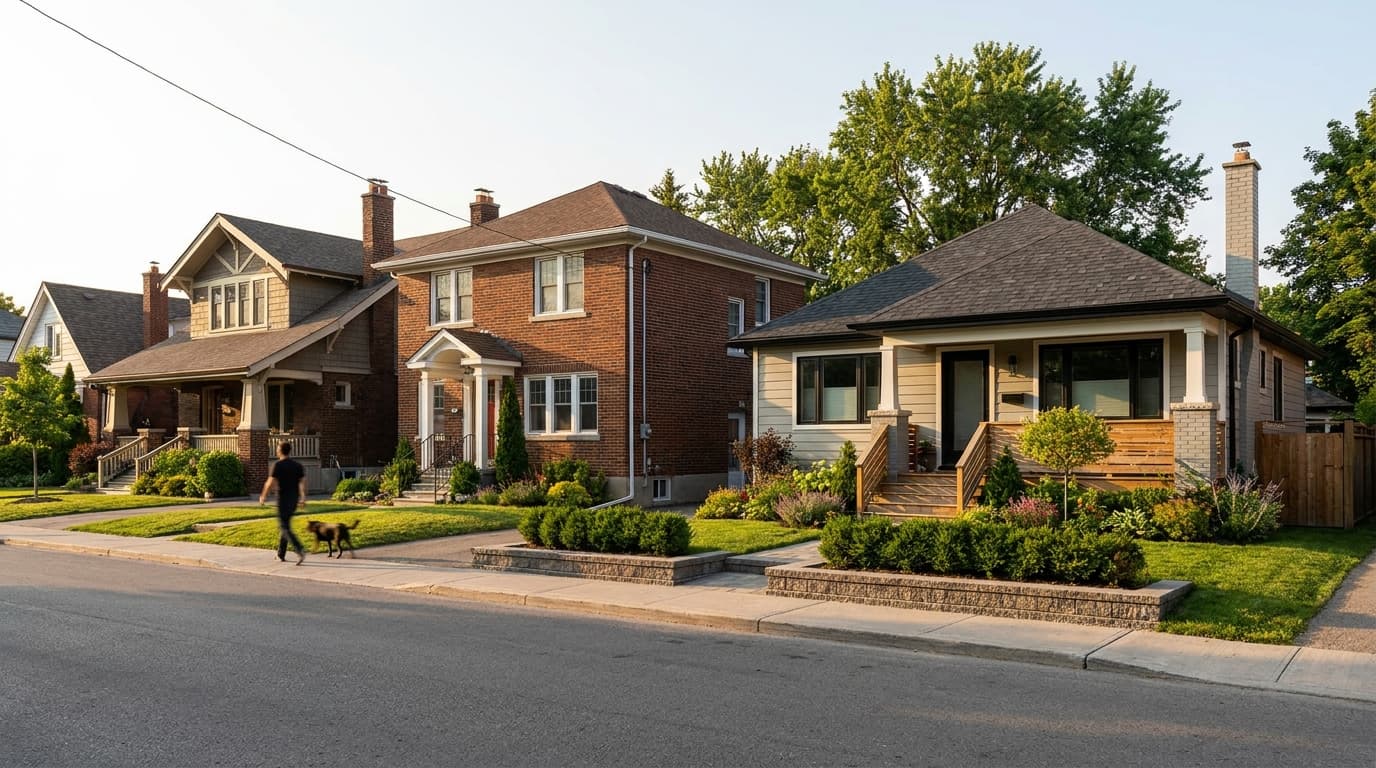
Housing discrimination is not a relic of the past. According to the National Fair Housing Alliance's 2023 Fair Housing Trends Report, over 33,000 fair housing complaints were filed across the United States in a single year — and experts widely agree that number represents only a fraction of the discrimination that actually occurs, since most victims never report it. In Missouri alone, the Missouri Commission on Human Rights (MCHR) receives hundreds of housing-related discrimination complaints annually. If you are renting or trying to rent in the Show-Me State, understanding your anti-discrimination rights isn't just useful knowledge — it could be the difference between securing a safe home and being unlawfully turned away from one.
Missouri renters benefit from a layered system of protections. At the foundation sits the federal Fair Housing Act. Layered on top is the Missouri Human Rights Act. And depending on where you live, local city or county ordinances may extend those protections even further. This guide breaks all of it down in plain language so you know exactly where you stand — and exactly what to do if a landlord treats you unfairly.
The Federal Foundation: The Fair Housing Act of 1968
The federal Fair Housing Act (FHA), passed as part of the Civil Rights Act of 1968, prohibits discrimination in the sale, rental, and financing of housing based on seven protected classes. These federal protections apply to virtually every landlord in Missouri, with very narrow exceptions (such as owner-occupied buildings with four or fewer units where the owner lives on-site, sometimes called the 'Mrs. Murphy exemption').
The Seven Federal Protected Classes
- Race — A landlord cannot refuse to rent to you, charge you different rent, or treat you differently in any aspect of housing because of your race.
- Color — Discrimination based on the color of a person's skin is prohibited separately from race.
- National Origin — You cannot be denied housing because of where you were born, where your family is from, or because you have a foreign-sounding name or accent.
- Religion — A landlord cannot use religion as a basis for housing decisions, whether that means refusing to rent to someone of a particular faith or imposing religious requirements.
- Sex — This covers discrimination based on gender, and federal courts and the U.S. Department of Housing and Urban Development (HUD) have interpreted this to include sexual harassment by landlords or property managers.
- Disability — Landlords must not only avoid discrimination against people with disabilities but must also provide reasonable accommodations and allow reasonable modifications to the unit.
- Familial Status — This protects families with children under 18, including pregnant women and people in the process of gaining legal custody of a child. A landlord cannot refuse to rent to you simply because you have kids.
The FHA covers the full lifecycle of renting — from how a property is advertised (discriminatory listings are illegal) to whether you are approved, what terms you are offered, how repairs are handled, and whether you are evicted. Discrimination at any stage is prohibited.
Missouri's Own Law: The Missouri Human Rights Act
Missouri has its own fair housing law built into the Missouri Human Rights Act (MHRA), codified at Missouri Revised Statutes Chapter 213. The MHRA largely mirrors the federal Fair Housing Act but is enforced at the state level through the Missouri Commission on Human Rights (MCHR). What this means practically is that Missouri renters have two separate avenues to pursue a complaint — one through HUD and one through MCHR — and in many cases you can file with both simultaneously.
The MHRA prohibits discrimination in housing based on the same seven protected classes as the federal law: race, color, national origin, religion, sex, disability, and familial status. The state law applies to housing transactions across Missouri, including rentals, sales, and financing, and it covers advertising, application processes, lease terms, services, and evictions.
How Missouri Enforcement Works
When you file a housing discrimination complaint with the MCHR, the agency investigates your claim. The MCHR has the authority to hold public hearings, issue subpoenas, and impose remedies including requiring a landlord to rent to you, awarding damages for out-of-pocket losses and emotional distress, and imposing civil penalties. Under Section 213.111 of Missouri Revised Statutes, if the MCHR cannot resolve the complaint through conciliation, it may certify the case to the Missouri Attorney General's office for further action. Complainants also retain the right to file a lawsuit in circuit court after receiving a 'right to sue' letter from the MCHR.
Important Deadline: In Missouri, you must file a housing discrimination complaint with the MCHR within 180 days of the discriminatory act. For federal HUD complaints, the deadline is also 1 year. Missing these deadlines can forfeit your right to relief — so act quickly if you believe your rights have been violated.
Disability Rights: Going Beyond 'No Discrimination'
For renters with disabilities, the law goes further than just prohibiting outright refusal. Both the FHA and the MHRA impose affirmative obligations on landlords that are critical to understand.
Reasonable Accommodations
A reasonable accommodation is a change in a landlord's rules, policies, practices, or services that allows a person with a disability to fully use and enjoy their housing. The key word is 'reasonable' — accommodations that would impose an undue financial or administrative burden on a landlord, or fundamentally change the nature of their housing program, are not legally required. But the vast majority of requests fall well within what is reasonable.
- Allowing an assistance or emotional support animal even if the property has a no-pets policy — a landlord cannot charge a pet deposit for a verified assistance animal.
- Assigning a reserved parking space closer to the unit for a tenant who uses a wheelchair.
- Allowing a tenant to transfer to a ground-floor unit if mobility issues make stairs dangerous.
- Permitting a live-in aide or caregiver to reside in the unit even if the lease would otherwise prohibit additional occupants.
- Waiving late fees when a disability-related circumstance caused a payment delay, if properly documented.
Reasonable Modifications
A reasonable modification is a physical change to the unit or common areas that a person with a disability needs to fully use the housing. Under federal and Missouri law, landlords must allow reasonable modifications, though in private housing (non-federally assisted) the landlord can require the tenant to pay for the modification and, in some cases, to restore the unit to its original condition when they leave. Examples include installing grab bars in a bathroom, widening a doorway for wheelchair access, or adding a ramp at the unit entrance.
Local Protections: Kansas City and St. Louis Go Further
One of the most important things Missouri renters need to understand is that local ordinances in some cities extend fair housing protections well beyond what state and federal law require. If you rent in Kansas City or St. Louis, you have additional classes of protection that landlords in rural Missouri are not necessarily bound by.
Kansas City
Kansas City's Human Relations Ordinance (Chapter 38 of the Kansas City Code of Ordinances) expands fair housing protections to include several additional protected classes. Kansas City landlords cannot discriminate based on sexual orientation, gender identity, source of income (such as housing vouchers, including Section 8), age, and ancestry. The source-of-income protection is particularly significant. In cities without this protection, landlords can legally refuse to accept Section 8 Housing Choice Vouchers. In Kansas City, they cannot. If you hold a voucher and a Kansas City landlord refuses to consider your application solely because of the voucher, that is a violation of local law. Complaints in Kansas City can be filed with the Kansas City Human Relations Department.
St. Louis City
St. Louis City's civil rights ordinance (Chapter 3.44 of the City Code) also covers additional protected classes beyond federal and state law. St. Louis prohibits housing discrimination based on sexual orientation, gender identity, disability (mirroring state and federal protections but with local enforcement), age, and marital status. Complaints in St. Louis City can be filed with the St. Louis Agency on Training and Employment (SLATE) or pursued through the City's civil rights enforcement mechanisms. Note that St. Louis County (the separate jurisdiction surrounding the city) has its own human rights commission and may provide additional protections as well — renters in the county should verify current local ordinances.
Did You Know? Missouri state law does not currently include sexual orientation or gender identity as protected classes in housing at the state level. However, in 2020, the U.S. Supreme Court ruled in Bostock v. Clayton County that federal sex discrimination protections extend to LGBTQ+ individuals in the employment context, and HUD has issued guidance applying similar reasoning to housing under the FHA. LGBTQ+ renters in Missouri still have meaningful federal protections and strong local protections in Kansas City and St. Louis.
What Discrimination Actually Looks Like: Real-World Examples
Discrimination rarely announces itself with an explicit statement. In the real world, it tends to be subtle, coded, or hidden behind pretextual reasons. Here are examples of the types of conduct that can constitute illegal housing discrimination in Missouri:
During the Application and Screening Process
- A landlord tells a Hispanic applicant the unit is already rented, but then shows it to a white applicant who calls the next day.
- A property manager applies stricter income or credit requirements to Black applicants than to similarly situated white applicants.
- A landlord asks a woman if she is pregnant or planning to have children during a rental application interview.
- A landlord refuses to accept a completed application from a family with three children, claiming the two-bedroom unit is 'too small for that many people' — occupancy standards cannot be used as a pretext to exclude families with children.
- A landlord requires an applicant with a disability to provide more documentation or undergo additional verification steps not required of other applicants.
- A landlord in Kansas City refuses to process an application from a Section 8 voucher holder without any other stated reason.
In Advertising and Listings
Discriminatory advertising is illegal under the FHA and MHRA. This includes phrases like 'perfect for young professionals' (which can signal age or familial status discrimination), 'ideal for couples' (which can exclude families with children), references to specific religious communities in ways that suggest exclusivity, or using photos in marketing materials that signal a preference for tenants of a particular race or national origin. The HUD has published extensive guidance on what language in listings can constitute illegal advertising, and this applies to online listings on Zillow, Craigslist, Facebook Marketplace, and any other platform.
During Tenancy
- Delaying or refusing to make repairs for tenants of a particular race or national origin while promptly addressing the same issues for other tenants.
- Selectively enforcing lease rules against tenants of a particular religion while ignoring the same behavior from other tenants.
- Subjecting female tenants to unwanted sexual comments, propositions, or touching — sexual harassment by a landlord or property manager is a form of sex discrimination under the FHA.
- Refusing to allow a disabled tenant to have an emotional support animal despite receiving proper documentation.
- Threatening or carrying out eviction as retaliation for a tenant exercising fair housing rights or filing a complaint.
The Role of Disparate Impact: Discrimination Doesn't Have to Be Intentional
One of the most important legal concepts in fair housing is 'disparate impact.' Under this doctrine, a landlord's policy or practice can be illegal even if the landlord had no discriminatory intent, if the policy has a disproportionately negative effect on members of a protected class and the landlord cannot show that the policy is necessary to achieve a legitimate business purpose.
A classic example: a landlord refuses to rent to anyone with a criminal record. While this policy is race-neutral on its face, because Black and Hispanic Americans are incarcerated at significantly higher rates than white Americans due to systemic inequities in the criminal justice system, such a blanket policy could have a disparate impact on racial minorities. HUD guidance issued in 2016 (and reaffirmed in subsequent years) advises landlords to conduct individualized assessments rather than applying blanket criminal history bans. Missouri renters who believe a facially neutral policy has harmed them disproportionately because of their protected class status can raise a disparate impact argument in a fair housing complaint.
Filing a Fair Housing Complaint in Missouri: Step by Step
If you believe you have been the victim of housing discrimination in Missouri, you have multiple avenues available to you. Here's how to navigate the process:
- 1Document everything immediately. Save all written communications with the landlord — emails, texts, letters. Write down dates, times, and details of any verbal conversations or incidents as soon as they occur. Note the names of any witnesses. If you received a denial letter or any written communication, keep it.
- 2File with HUD. You can file a complaint online at hud.gov/fairhousing, by calling HUD's toll-free hotline at 1-800-669-9777 (TTY: 1-800-927-9275), or by visiting a local HUD office. The federal deadline is one year from the date of the discriminatory act.
- 3File with the Missouri Commission on Human Rights (MCHR). You can file online at labor.mo.gov/mohumanrights or by contacting the MCHR directly. The state deadline is 180 days from the act of discrimination. Filing with the MCHR is free.
- 4Contact your local human rights agency if applicable. If you are in Kansas City or St. Louis, your local human relations department has jurisdiction over local ordinance violations and can be a faster avenue for relief.
- 5Consult a fair housing attorney or organization. Missouri has several fair housing organizations that provide free counseling and legal assistance. Kansas City's The Metropolitan Organization to Counter Sexual Assault (MOCSA) and the Metropolitan Tenants Organization in St. Louis are resources, as are legal aid organizations like Legal Aid of Western Missouri and Legal Services of Eastern Missouri.
- 6Consider filing a private lawsuit. If you do not want to go through administrative channels, or if the MCHR issues you a right-to-sue letter, you can file a private lawsuit in Missouri circuit court or federal district court. Private plaintiffs can recover actual damages, punitive damages, attorney's fees, and injunctive relief.
Free Resource: HUD-approved housing counselors can provide guidance on fair housing rights and help you navigate the complaint process at no cost. Find a HUD-approved agency in Missouri at hud.gov/housingcounseling.
Retaliation Is Also Illegal
Both federal and Missouri law prohibit a landlord from retaliating against you for exercising your fair housing rights. Retaliation includes raising your rent, refusing to renew your lease, threatening eviction, filing a retaliatory eviction lawsuit, or harassing you — all because you filed a fair housing complaint, assisted someone else who filed a complaint, or simply asserted your rights. If a landlord retaliates against you, that retaliation itself is an independent fair housing violation you can report and pursue separately.
Under Missouri law, there is a presumption of retaliation if a landlord takes adverse action against a tenant within a certain period after the tenant has engaged in a protected activity (such as filing a complaint or organizing with other tenants). Keeping a dated record of when you filed your complaint and any subsequent actions by your landlord is essential to establishing a retaliation claim.
Potential Remedies: What You Can Recover
Victims of housing discrimination in Missouri can receive meaningful relief. The specific remedies available depend on whether you pursue a HUD/MCHR administrative complaint or a private lawsuit, but they include:
- Injunctive relief — the landlord may be ordered to rent to you, stop discriminatory practices, or provide a reasonable accommodation.
- Compensatory damages — money to compensate you for out-of-pocket losses (like increased rent you paid elsewhere, moving costs, or application fees) as well as emotional distress damages.
- Punitive damages — additional damages designed to punish particularly egregious discrimination; available in private lawsuits under the FHA.
- Civil penalties — in HUD-adjudicated cases, civil money penalties can be assessed against the landlord: up to $21,410 for a first violation and up to $107,050 for repeated violations (amounts adjusted periodically for inflation).
- Attorney's fees and costs — a prevailing plaintiff in a fair housing lawsuit can recover their attorney's fees from the defendant landlord, which is a major incentive for attorneys to take these cases on contingency.
Fair Housing and the Rental Application Process: What Landlords Can and Cannot Ask
Many discrimination complaints in Missouri originate during the rental application process. Understanding what a landlord can legally ask — and what crosses the line — is one of the most practical things a renter can know.
Landlords in Missouri are legally entitled to evaluate your financial qualifications. They can ask for proof of income, run a credit check, verify rental history, and — with the limitations discussed above regarding disparate impact — review criminal history. They can set objective, consistently applied standards for income-to-rent ratios and minimum credit scores, provided those standards apply equally to all applicants.
What landlords cannot do is ask questions designed to elicit information about your protected class status and use that information in their decision. Questions like 'Where are you from originally?', 'Do you go to church?', 'Are you planning to have children?', 'Do you have any health conditions?' or 'What country were you born in?' are red flags. While not every landlord who asks a naive question is a bad actor, you are under no legal obligation to answer questions about your protected class characteristics, and the asking of such questions can be documented as evidence in a fair housing complaint.
How Technology Is Changing the Application Process
Modern property management platforms are reshaping how rental applications are screened. At VerticalRent, our AI risk scoring system is built to evaluate applicants based on objective financial and rental history data — income verification, credit history, past eviction records — while applying consistent standards across all applicants. This kind of standardized, documented screening process not only helps landlords make better decisions but also creates a transparent record that protects both landlords and applicants. When a landlord uses VerticalRent's screening tools (powered by our TransUnion partnership), every applicant is evaluated against the same criteria, reducing the opportunity for subjective biases to influence the outcome.
Key Resources for Missouri Renters Facing Discrimination
- Missouri Commission on Human Rights (MCHR): labor.mo.gov/mohumanrights | 573-751-3325
- HUD Fair Housing Complaint Portal: hud.gov/fairhousing | 1-800-669-9777
- Legal Aid of Western Missouri (Kansas City area): lawmo.org | 816-474-6750
- Legal Services of Eastern Missouri (St. Louis area): lsem.org | 314-534-4200
- Kansas City Human Relations Department: kcmo.gov/humanrelations | 816-513-1836
- St. Louis Agency on Training and Employment (SLATE): stlouis-mo.gov/government/departments/slate
- National Fair Housing Alliance: nationalfairhousing.org
- Missouri Tenants' Rights Handbook: Available through Missouri Legal Services
Your Rights Are Worth Asserting
Housing is not a luxury. For most people, where they live determines where their children go to school, how long their commute is, what healthcare facilities they can access, and whether they feel safe. Discrimination in housing is not just a legal violation — it compounds every other inequality a person faces. The good news for Missouri renters is that the legal framework protecting you is robust, the enforcement agencies are accessible, and the remedies available are meaningful.
The single biggest barrier to enforcing fair housing rights is not the law — it is awareness. Too many renters accept discriminatory treatment because they do not know they have rights, do not know where to report violations, or fear retaliation. Understanding that the law is on your side, that filing a complaint is free, and that retaliation itself is illegal removes the most significant obstacles to asserting your rights.
Whether you are applying for your first apartment in Kansas City, renewing a lease in Springfield, or dealing with a landlord in rural Missouri who is treating you differently from other tenants, you have a legal right to fair housing. Document what happens to you, know your deadlines, and do not hesitate to use the resources that exist specifically to protect you.
VerticalRent is built on the belief that the rental market works better when it works fairly. Our platform helps independent landlords screen applicants consistently, generate state-compliant leases in minutes with our AI lease generation tool, and manage properties transparently — creating better outcomes for renters and landlords alike. If you are a renter looking for a landlord who uses professional, fair, and transparent processes, or a landlord who wants to run your properties the right way, visit VerticalRent.com to learn more.
**Legal Disclaimer** *The information in this article is provided for educational purposes only and does not constitute legal advice. Tenant-landlord laws vary significantly by state, county, and city and may have changed since this article was written. VerticalRent is not a law firm and the author is not an attorney. If you have a specific legal situation, please consult a licensed attorney in your jurisdiction.*
Put this into practice
VerticalRent tools related to this guide
Legal Disclaimer
VerticalRent and its authors are not attorneys, CPAs, or licensed legal or financial advisors, and nothing on this site constitutes legal, tax, or professional advice. The information in this article is provided for general educational purposes only. Landlord-tenant laws, eviction procedures, security deposit rules, and tax regulations vary significantly by state, county, and municipality — and change frequently. Nothing on this site creates an attorney-client relationship. Always consult a licensed attorney or qualified professional in your jurisdiction before taking any action based on information you read here.
Co-founded VerticalRent in 2011, growing it from nothing to 100k landlords and renters. Sold it in 2019, then re-acquired it in 2026 to make it better than ever.


