Vacant Property Insurance: Protecting Rentals Between Tenants
Standard landlord insurance stops covering your rental the moment it sits empty. Learn what vacant property insurance is, when you need it, and how to minimize costly vacancy gaps.

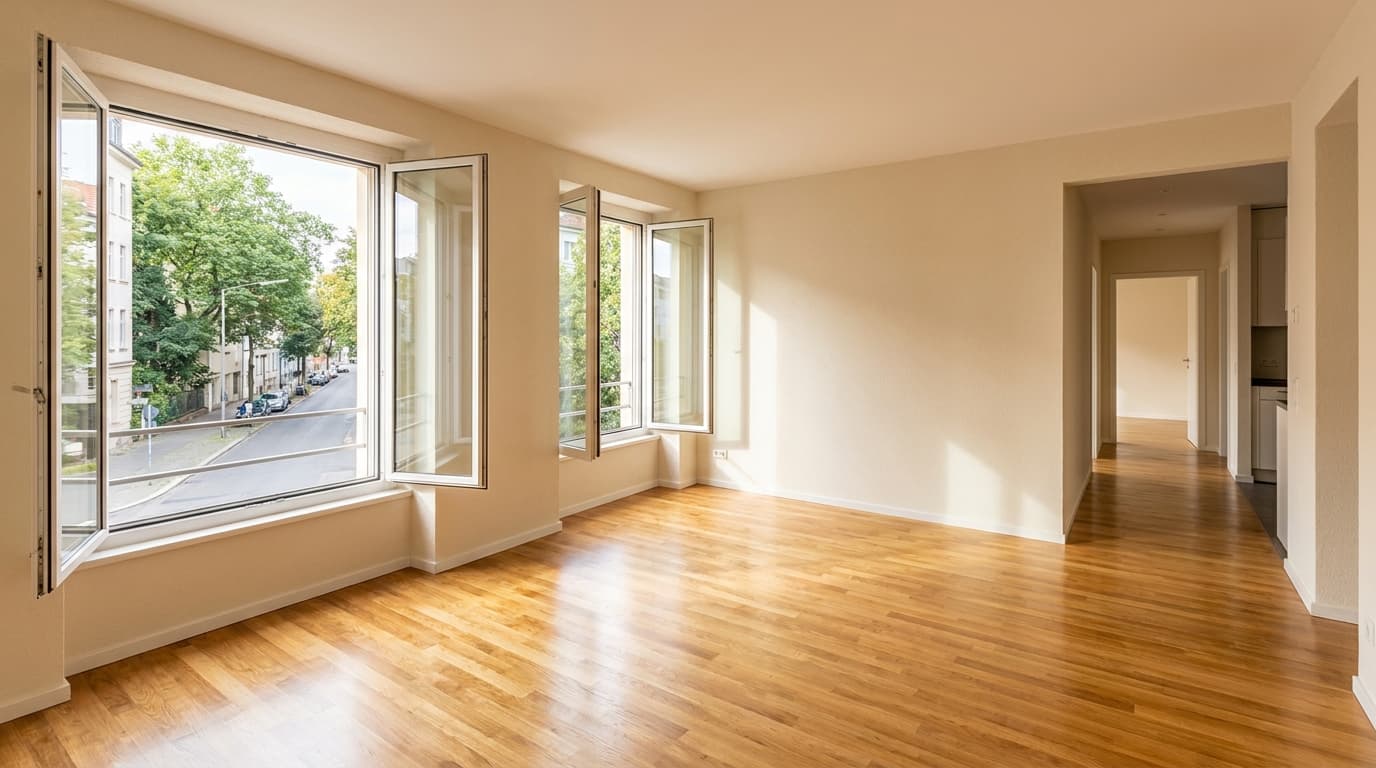
Here is a number that should stop every independent landlord cold: according to the Insurance Information Institute, standard landlord dwelling policies typically exclude or severely limit coverage after a rental property has been unoccupied for just 30 to 60 consecutive days. Yet the average rental vacancy period in the United States stretched to 42 days in 2023, according to the U.S. Census Bureau's Housing Vacancy Survey — meaning the typical turnover cycle lands squarely in the danger zone where your standard policy goes dark. For landlords managing one to twenty units without a property management company absorbing the risk, that gap is not a technicality. It is a potential financial catastrophe sitting quietly behind a locked door.
A pipe bursts in January. A vandal kicks in the back door in February. A small electrical fire smolders in March. Any of these events during a vacancy could result in a five- or six-figure loss — and if your insurer discovers the unit was unoccupied beyond their threshold, you could be left holding every dollar of that bill. This article breaks down exactly what vacant property insurance is, how it differs from standard landlord coverage, what it costs, and how smart landlords structure their coverage strategy to stay fully protected through every turn of the tenant cycle.
Why Standard Landlord Insurance Fails You During Vacancies
Most landlords purchase a dwelling fire policy or a landlord package policy when they first rent out a property. These products are designed around an operating assumption: the unit is occupied, generating rent, and under the passive supervision of a tenant who will notice a leaking pipe, smell smoke, or call about a break-in. The moment that assumption breaks down — the moment the unit is empty — insurers view the risk profile as dramatically different, and their policy language reflects that view.
The vacancy clause, buried in nearly every standard landlord policy, typically reads something like: 'Coverage is suspended for loss caused by vandalism, glass breakage, and certain water damage after the building has been vacant for 60 consecutive days.' Some insurers tighten that threshold to 30 days. Others void the policy entirely for fire and theft if vacancy is discovered at the time of claim. The exact language varies by carrier and state, but the underlying logic is uniform: an empty building is a higher-risk building.
CRITICAL FACT: If you file a claim and your insurer discovers the property was vacant beyond their policy threshold — even by a single day — they can legally deny your claim in most states. This denial can occur even if the vacancy had nothing to do with the cause of loss.
The Risks That Spike During Vacancy
Insurers are not being arbitrary when they restrict vacant property coverage. Actuarial data consistently shows that unoccupied properties experience higher loss frequency and severity across nearly every peril category. Understanding why helps landlords take the right preventive steps alongside their insurance strategy.
- Vandalism and malicious mischief: The FBI's Uniform Crime Reporting data shows that vacant properties are targeted for vandalism at a rate roughly three times higher than occupied structures. Broken windows, graffiti, and intentional damage to HVAC or plumbing systems are common.
- Theft and copper theft: Vacant homes are prime targets for scrap metal theft, particularly copper piping and wiring. The National Insurance Crime Bureau estimates copper theft causes over $1 billion in annual losses to properties, infrastructure, and businesses — with vacant structures disproportionately represented.
- Water damage: Without a tenant to notice a dripping faucet, a slow pipe leak can run for weeks before discovery. A burst pipe in a vacant home during a cold snap can cause tens of thousands in structural damage in 24 hours.
- Fire: Vacant properties are more likely to be used for illegal activities including arson. The National Fire Protection Association has documented that vacant structures account for a significant portion of all structure fires, with higher fatality rates for firefighters who encounter unexpected occupants.
- Liability exposure: If an unauthorized person enters a vacant property and is injured, the landlord may face premises liability claims, and a standard policy may not respond if vacancy exclusions apply.
- Mold and pest infestation: Without regular inspection, moisture intrusion and pest entry go undetected. What could be a simple fix becomes a remediation project measured in thousands of dollars.
What Is Vacant Property Insurance?
Vacant property insurance — sometimes called vacant home insurance or unoccupied property insurance — is a specialized policy designed to provide the coverage your standard landlord policy withdraws the moment occupancy ends. It is not a rider or endorsement in most cases; it is a standalone product written specifically for the risk profile of an empty building.
These policies are offered by both specialty admitted carriers and surplus lines insurers, depending on the property's location, condition, and the duration of anticipated vacancy. Coverage is typically written on a month-to-month or short-term basis, which makes sense given that most landlords cannot predict exactly how long a unit will sit between tenants.
What Vacant Property Insurance Typically Covers
- Fire and lightning: Core peril coverage almost always included, though coverage may be on an actual cash value basis rather than replacement cost.
- Vandalism and malicious mischief: Specifically added back in after the standard policy exclusion kicks in — this is often the primary reason landlords purchase vacant coverage.
- Wind and hail: Exterior damage from weather events is typically covered, though hurricane-zone properties may face higher deductibles or exclusions.
- Water damage from burst pipes: Many vacant policies cover sudden and accidental discharge from plumbing, though gradual leaks may still be excluded.
- Glass breakage: Windows and doors broken by vandals or weather are usually covered.
- Liability coverage: Premises liability for third-party bodily injury or property damage occurring on the vacant property is commonly included or available as an add-on.
- Optional loss of rents: Some vacant property policies offer limited loss-of-rents coverage if the property becomes uninhabitable due to a covered loss — a benefit that bridges into your next tenancy.
What Vacant Property Insurance Typically Excludes
- Theft of personal property: Contents coverage is usually limited or excluded entirely since vacant properties should have minimal personal property inside.
- Gradual deterioration: Slow leaks, settling, wear and tear, and maintenance-related damage are not covered.
- Flood: Standard flood exclusion applies; NFIP or private flood coverage is separate.
- Earthquake: Seismic events require separate coverage in most markets.
- Mechanical or electrical breakdown: HVAC, water heater, and appliance failures are not covered.
- Properties in disrepair: Most carriers require the property to be in reasonable condition — a property slated for major renovation may require a builder's risk or renovation policy instead.
Vacant vs. Unoccupied: A Distinction That Matters
Insurance professionals draw a meaningful distinction between 'vacant' and 'unoccupied,' and understanding it can affect which policy you need and how much you pay. An unoccupied property is one where the owner or tenant is temporarily away but personal property and furnishings remain present — a landlord traveling for an extended period, or a tenant who has abandoned belongings. A vacant property is one that has been emptied of furnishings and personal property, with no regular use or occupancy.
For rental property purposes, a freshly turned-over unit — cleaned out by a departing tenant and awaiting the next lease — typically qualifies as vacant in the insurance definition. Some carriers will treat a furnished but tenant-free property differently, so always disclose the exact condition of the property when seeking coverage.
How Much Does Vacant Property Insurance Cost?
Vacant property insurance carries a meaningful premium above standard landlord coverage — typically 50% to 150% more per month than your regular dwelling policy on a comparable property. The cost is driven by the elevated risk profile, the short-term nature of the coverage, and the administrative overhead of writing short-duration policies. However, when you do the math against a single uninsured loss, the premium almost always pencils out.
As a benchmark, landlords in 2024 reported paying roughly $150 to $400 per month for vacant property insurance on a single-family home with $250,000 in dwelling coverage, depending on location, construction type, and deductible selected. Multi-unit property owners often benefit from blanket or portfolio policies that reduce the per-unit cost during vacancy periods.
Factors That Affect Your Vacant Property Premium
- Location and crime statistics: Properties in higher-crime zip codes pay more, particularly for vandalism and theft coverage.
- Duration of anticipated vacancy: Short-term policies (30–90 days) are priced differently than longer-duration vacant coverage.
- Property age and construction: Older homes with knob-and-tube wiring, galvanized plumbing, or wood shake roofs attract higher premiums.
- Security measures in place: Deadbolts, alarm systems, motion-sensor lighting, and regular inspection schedules can earn premium discounts with many carriers.
- Claim history: A history of prior claims on the property — particularly water or fire claims — will increase pricing.
- Coverage limits and deductible: Choosing actual cash value over replacement cost, or accepting a higher deductible, reduces premium but increases your out-of-pocket exposure at claim time.
When Do You Actually Need Vacant Property Insurance?
The answer is simpler than most landlords expect: you need vacant property insurance the moment your standard policy's vacancy threshold is reached, or sooner if you want uninterrupted protection. Most experienced landlords purchase vacant coverage at lease-end or the moment they know a tenant is moving out, rather than waiting until the standard policy exclusion kicks in. The administrative hassle of a mid-vacancy claim denial is far worse than the cost of a month's vacant policy premium.
- 1Tenant turnover between leases: The most common trigger. Even a short gap between a departing and incoming tenant can push you past the 30-day threshold if the unit needs repairs or cleaning before re-renting.
- 2Extended renovation or rehabilitation: If you are updating the kitchen, repainting throughout, or replacing flooring before re-renting, the renovation period extends your vacancy exposure significantly. Some renovation projects require builder's risk coverage rather than standard vacant property insurance.
- 3Inherited property or estate settlement: If you have inherited a rental property that is currently empty while estate matters are resolved, vacant coverage is essential — these situations commonly extend beyond 60 days.
- 4Relocation vacancy: If you have moved and your former personal residence is now vacant while being prepped for rental, your homeowners policy has almost certainly already triggered its vacancy exclusion.
- 5Tenant abandonment: If a tenant stops paying, stops communicating, and you suspect abandonment, the legal eviction or abandonment process can take weeks. During that time, if the unit is effectively empty, your vacancy clock may be running.
- 6Seasonal rental off-season: Landlords with short-term or seasonal rental properties face extended vacancy periods during the off-season. Standard policies are rarely designed for this use pattern.
- 7Property in legal dispute: If ownership or occupancy rights are being contested, the property may sit empty during legal proceedings — another period requiring specialized coverage.
How to Minimize Vacancy Periods — and Your Insurance Exposure
The best way to manage the cost and risk of vacant property insurance is to aggressively shorten the vacancy window. Every week a unit sits empty is not just lost rent — it is also a week of vacant property premium, compounding utility costs, and elevated risk. Landlords who consistently minimize vacancy periods have a distinct financial advantage over those who treat turnover casually.
One of the highest-leverage tools available to independent landlords today is AI-powered listing optimization. VerticalRent's AI listing description writer analyzes your property details, local market conditions, and search behavior patterns to generate compelling, keyword-rich rental listings in minutes — the kind of listings that attract qualified applicants faster and reduce days-on-market significantly. Paired with AI risk scoring on incoming applications, landlords can move from listing to approved tenant in days rather than weeks, directly compressing the vacancy window.
Practical Steps to Reduce Vacancy Duration
- 1List the property before the current tenant vacates: Give 60 days' notice requirements to your departing tenant in writing, then list immediately. Many landlords schedule showings for the final weeks of occupancy with tenant cooperation.
- 2Have your application process ready to move fast: A ready application, screening criteria, and a tenant screening partnership (VerticalRent works with TransUnion to deliver full credit, criminal, and eviction reports quickly) means you are not losing days waiting on background checks.
- 3Price competitively from day one: Overpricing a vacant unit costs far more in extended vacancy than the additional monthly rent would earn. Use current comps and adjust within the first two weeks if traffic is low.
- 4Pre-schedule repairs and maintenance: Know what needs to be done before the tenant leaves and have your service professionals scheduled and ready. VerticalRent's service professional marketplace connects landlords with vetted pros at a 3% platform fee — so you can get work done quickly without scrambling for contractors during the critical turnover window.
- 5Streamline lease execution: Once you have an approved applicant, do not slow down with paperwork delays. VerticalRent's AI lease generation tool creates state-compliant lease agreements in minutes, reducing the time between approval and signed lease to the same business day in many cases.
- 6Conduct move-in inspections efficiently: Document property condition thoroughly with photos and a signed move-in checklist. This protects you at the end of the next tenancy and avoids disputes that can delay future turnovers.
How to Purchase Vacant Property Insurance: A Step-by-Step Approach
Buying vacant property insurance is not as simple as calling your standard landlord policy carrier and adding a rider. Many standard carriers either do not offer vacant property coverage or will direct you to a specialty division with different underwriting requirements. Here is how to navigate the process efficiently.
- 1Contact your current landlord policy carrier first: Ask specifically whether your current policy has a vacancy clause, what the threshold is, and whether they offer a vacancy endorsement or standalone vacant property policy. Get the answer in writing.
- 2Work with an independent insurance agent or broker: Agents who specialize in landlord or commercial property insurance typically have access to multiple carriers and surplus lines markets. They can shop your vacancy risk effectively and find the best combination of coverage and price.
- 3Gather property details before you shop: Carriers will want to know the year built, square footage, construction type, roof age, heating system type, current condition of the property, security measures in place, and the reason for and anticipated duration of the vacancy.
- 4Disclose everything accurately: Misrepresentation on a vacant property application — particularly about property condition, prior claims, or the nature of the vacancy — can result in claim denial or policy rescission. Be thorough and honest.
- 5Review the policy declarations page carefully: Confirm what perils are covered, what the exclusions are, whether coverage is replacement cost or actual cash value, and what the deductible is for each covered peril.
- 6Set a calendar reminder to reassess coverage: If the vacancy extends beyond your initial policy period, renew or extend before expiration. Do not assume automatic renewal on short-term vacant policies.
- 7Notify your carrier immediately when a new tenant moves in: Return to your standard landlord policy at that point. Overlapping coverage is wasteful, and failing to notify can create complications if a claim arises.
Property Management Best Practices During Vacancy
Insurance coverage is your financial backstop — but it does not replace active property stewardship during a vacancy period. Insurers may require, and good landlords should independently adopt, a consistent inspection and maintenance regimen for any empty unit. Some vacant property policies explicitly require documented regular inspections as a condition of coverage.
- Conduct physical inspections at least weekly, or bi-weekly at minimum. Walk through the property, check for signs of entry, water intrusion, or pest activity, and document your visits with dated photos.
- Maintain utilities strategically: Keep water, heat, and power active during vacancy. Shutting off heat to save money during winter months is one of the most common triggers for burst pipe claims in vacant properties.
- Secure all entry points: Rekey or change access codes after every tenant departure. Check all windows, sliding doors, and basement access points. Consider temporary security cameras or alarm monitoring.
- Maintain exterior appearance: Overgrown grass, uncollected mail, and dark windows are signals that a property is vacant. Keep the exterior maintained to deter vandalism and unauthorized entry.
- Winterize if appropriate: In freeze-risk climates, winterizing procedures for vacant properties — including draining pipes, adding antifreeze to traps, and maintaining minimum heat — can be the difference between a minor cost and a catastrophic loss.
- Document your inspection activity: Keep a simple log of inspection dates, findings, and any corrective actions taken. This documentation becomes valuable if you ever need to demonstrate to an insurer that the property was actively managed during the vacancy period.
The Financial Math: What a Single Uninsured Vacancy Loss Costs
It is worth making the financial case explicit, because some landlords hesitate at vacant property insurance premiums and decide to self-insure the risk. Consider a representative scenario: a single-family rental in the Midwest sits vacant for 45 days between tenants during January and February. A water supply line to the washing machine hookup develops a pinhole leak. With no tenant present to notice, the leak runs for two weeks before the landlord's next scheduled inspection.
By the time it is discovered, the subflooring in the laundry room has begun to buckle, the drywall on the adjacent wall shows mold growth, and the kitchen ceiling below has water staining. Remediation, drywall replacement, flooring repair, and mold treatment come to $18,400. The standard landlord policy denies the claim — the unit had been vacant for 43 days, exceeding their 30-day vacancy clause threshold. The $200 per month vacant property insurance premium that could have covered this scenario for the entire gap cost would have been $300 total. The math is not complicated.
RULE OF THUMB: The annual premium for vacant property insurance on a typical single-family rental is almost always less than 3% of the average single covered loss. For independent landlords without deep cash reserves, that ratio makes vacant coverage non-negotiable during any turnover period.
Building a Complete Insurance Strategy for Independent Landlords
Vacant property insurance is one component of a layered risk management strategy that every independent landlord should maintain. The full picture includes your standard landlord dwelling policy with appropriate liability limits, an umbrella policy for excess liability exposure above your base policy limits, vacant property coverage during all turnover and extended vacancy periods, and potentially a landlord contents rider if you rent furnished units.
Beyond insurance, technology plays an increasingly important role in risk reduction. VerticalRent's AI maintenance triage tool helps landlords respond to tenant-reported maintenance issues faster and more systematically — which means problems are caught and addressed before small issues become major losses. Faster maintenance response also means better tenant retention, which is the single most effective vacancy prevention strategy available to any landlord.
When tenants do turn over, having a platform that keeps your entire operation running efficiently — from listing to screening to lease signing to rent collection — compresses every phase of the turnover cycle. Automated ACH rent collection through VerticalRent means that the moment a new tenant's lease begins, rent flows reliably without manual follow-up. Fewer administrative friction points mean faster move-ins, shorter vacancies, and less time spent in the insurance exposure window you just spent this article learning about.
Key Takeaways for Independent Landlords
- Your standard landlord policy almost certainly has a vacancy clause that limits or eliminates coverage after 30 to 60 days of unoccupancy — read your policy declarations and know your threshold.
- Vacant property insurance is a separate, specialized product that restores coverage for the risks that matter most during turnover: vandalism, water damage, fire, and liability.
- The average U.S. rental vacancy period of 42 days puts most landlords squarely in the danger zone of their standard policy exclusions — making vacant coverage standard practice, not an edge case.
- Premiums typically run $150–$400 per month for a single-family home, a fraction of the cost of a single uninsured loss.
- The best strategy combines proper vacant coverage with aggressive vacancy reduction — fast listing, efficient screening, rapid lease execution, and reliable maintenance response.
- Document everything during vacancy periods: your inspections, utility maintenance, and security measures. This documentation protects you both at claim time and during policy renewal.
- Work with an independent insurance agent who understands landlord risk to ensure your coverage is continuous and correctly structured through every phase of the tenancy cycle.
VerticalRent is the AI-native property management platform built for independent landlords like you. From AI-powered listing descriptions that fill vacancies faster to state-compliant AI lease generation, TransUnion tenant screening, and automated ACH rent collection — VerticalRent gives you the tools to minimize vacancy gaps and protect your investment at every turn. Sign up free at verticalrent.com and see how much faster your next turnover can be.
Put this into practice
VerticalRent tools related to this guide
Legal Disclaimer
VerticalRent and its authors are not attorneys, CPAs, or licensed legal or financial advisors, and nothing on this site constitutes legal, tax, or professional advice. The information in this article is provided for general educational purposes only. Landlord-tenant laws, eviction procedures, security deposit rules, and tax regulations vary significantly by state, county, and municipality — and change frequently. Nothing on this site creates an attorney-client relationship. Always consult a licensed attorney or qualified professional in your jurisdiction before taking any action based on information you read here.
Co-founded VerticalRent in 2011, growing it from nothing to 100k landlords and renters. Sold it in 2019, then re-acquired it in 2026 to make it better than ever.


