Tenant Rights in Alaska: What Every Renter Needs to Know
Alaska has some of the most tenant-friendly rental laws in the United States, with strong protections around habitability, security deposits, and eviction procedures. Understanding your rights as an Alaskan renter is essential to protecting yourself from landlord overreach and ensuring you live in safe, legal housing.

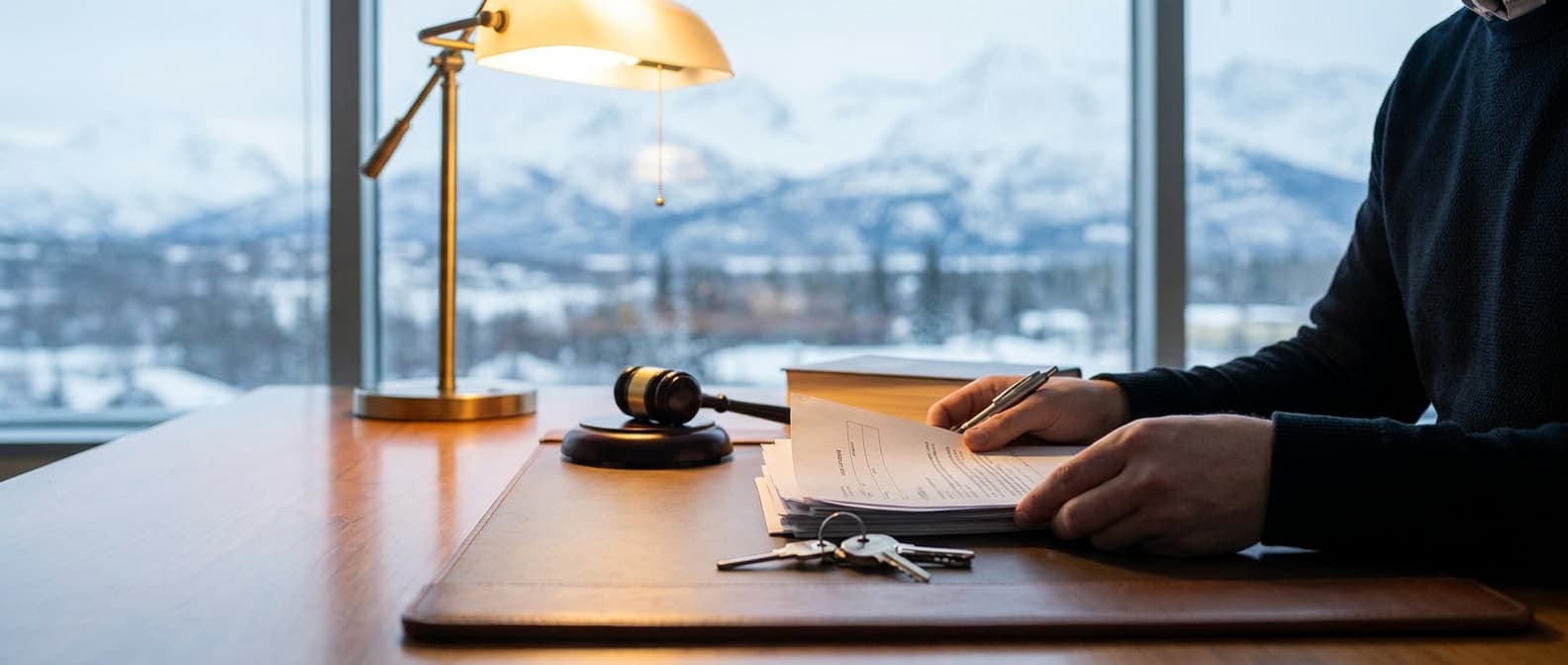
If you're renting in Alaska, you're living in a state with notably robust tenant protections. Alaska Statute Chapter 34 governs residential tenancies, and it's packed with provisions that favor tenants in ways many other states don't. Whether you're renting in Anchorage, Fairbanks, Juneau, or any other Alaskan city, knowing your rights can save you thousands of dollars, prevent illegal evictions, and ensure your living conditions meet legal standards. This comprehensive guide breaks down the essential tenant rights you need to know in Alaska.
The Right to Habitable Housing in Alaska
Alaska's implied warranty of habitability is one of the strongest in the nation. Under AS 34.03.010, landlords are required to maintain rental properties in a condition fit for human occupancy. This isn't a suggestion—it's a legal mandate. The statute specifically requires that landlords maintain the structure in compliance with applicable building, housing, and health codes, and ensure that all facilities and common areas are safe, clean, and in good working order.
What does 'habitable' actually mean in Alaska? It includes: functioning heating systems (critical in a state where winter temperatures regularly drop below zero), safe electrical systems, working plumbing and hot water, weatherproofing against Alaska's harsh climate, pest-free conditions, and adequate light and ventilation. Landlords must also maintain common areas, hallways, stairs, and parking areas in safe condition. If your landlord fails to maintain these conditions and doesn't remedy the issue within a reasonable timeframe (typically 14 days after written notice), you may have grounds to withhold rent, repair-and-deduct, or break your lease without penalty.
Pro Tip: In Alaska, if your landlord fails to provide habitable housing, you can deduct reasonable repair costs from your rent without breaching your lease. Document everything with photos and written notices to your landlord.
Security Deposits: Alaska's Strict Rules
Alaska has some of the most tenant-protective security deposit laws in America. Under AS 34.03.070, landlords must handle security deposits with extreme care, or face significant penalties. Here's what you need to know:
- Maximum amount: Landlords can charge no more than two months' rent as a security deposit
- Interest accrual: Any deposit held for longer than one year must accrue interest at the rate of 5% per annum (this is a significant protection—Alaska requires landlords to pay you interest)
- Separate account: Deposits must be held in a separate account and cannot be commingled with the landlord's operating funds
- Itemized return: Within 30 days of lease termination, landlords must return your deposit with an itemized written explanation of any deductions
- Deduction limitations: Deductions can only cover unpaid rent, actual damages (beyond normal wear and tear), or cleaning costs if the property is left in unreasonable condition
One crucial distinction: normal wear and tear is explicitly protected in Alaska. Your landlord cannot deduct for carpet fading, minor scuffs on walls, worn flooring, or other normal consequences of living in the space. They can only deduct for damage that exceeds what would normally occur with reasonable use. If your landlord fails to return your deposit within 30 days or makes illegal deductions, you can sue for the deposit amount plus damages up to twice the wrongfully withheld amount, plus attorney's fees and court costs. In 2023, an average Alaska renter receiving wrongfully withheld deposits recovered between $800-$2,000 in actual damages plus penalties.
Rent Increase and Notice Requirements
Alaska doesn't have rent control laws, meaning landlords can technically raise rent to any amount they choose. However, they must provide proper notice. For tenants on month-to-month leases, landlords must provide at least 30 days' written notice before implementing a rent increase. This is one of the longest notice periods in the nation—many states only require 14-20 days. For fixed-term leases, rent increases only take effect when the lease renews, unless your lease specifically allows mid-term increases.
The notice requirement is your critical protection. Landlords cannot implement surprise rent increases or use them as retaliation for asserting your rights. If you've recently reported housing code violations, requested repairs, or filed a complaint, a sudden rent increase within 30 days can be considered illegal retaliation under AS 34.03.100.
Eviction Protections and Legal Procedures
Alaska requires landlords to follow strict eviction procedures—they cannot simply lock you out or change locks. According to AS 34.03.020, eviction must proceed through the courts, and landlords must have legal cause. The primary grounds for eviction in Alaska include:
- Non-payment of rent (landlord must provide 10-day notice to pay or quit)
- Material violation of the lease (landlord must provide 14-day notice to cure or quit)
- Nuisance or illegal activity (landlord must provide immediate notice, though court process still required)
- End of tenancy (landlord must provide 30 days' notice for month-to-month tenancies)
- Lease expiration (must follow proper notice procedures)
What makes Alaska particularly tenant-protective: landlords cannot evict based on race, color, religion, national origin, sex, disability, age, or familial status. Additionally, landlords cannot evict tenants for asserting their legal rights—this is the retaliation protection mentioned above. If you're evicted within 30 days of reporting violations, requesting repairs, or filing complaints, it's presumed retaliatory and illegal. Even if a landlord technically waits 31 days, courts scrutinize the timing closely.
The court process itself provides significant protection. Landlords must file in District Court and follow formal procedures. You have the right to appear, contest the eviction, and present evidence. Alaska courts have consistently ruled that eviction proceedings must strictly comply with statutory requirements, and technical violations favor tenants. An eviction notice with incorrect dates, improper service, or insufficient cause can be dismissed entirely.
Critical: If you receive an eviction notice in Alaska, respond immediately. Failure to appear in court can result in a default judgment, but showing up and contesting the eviction significantly improves your position.
Rights Related to Entry and Privacy
Your rental unit is your home, and Alaska law protects your right to exclusive possession and privacy. Under AS 34.03.150, landlords cannot enter without proper notice, except in genuine emergencies. The law requires landlords to provide at least two days' written notice before entry, except in true emergencies (fire, gas leak, flooding, etc.). Landlords can only enter for legitimate purposes: making repairs, showing the property to prospective tenants or buyers, conducting inspections, or addressing emergencies.
Entry requests at unreasonable hours (early morning, late night, weekends without agreement) can be refused. Landlords engaging in harassing, excessive, or pretextual entry attempts may be liable for damages. Tenants have successfully sued for invasion of privacy when landlords entered without proper notice or for improper purposes. If your landlord is entering without notice or for suspicious reasons, document each instance with dates, times, and any evidence of the entry (visible signs of entry, altered items, etc.).
Repairs and Maintenance: Your Right to Request Them
You have the statutory right to request repairs for any conditions that violate the habitability standard. This isn't discretionary—it's mandatory. When you report a repair need, provide written notice to your landlord specifying the problem. Landlords have a reasonable timeframe (typically 14 days) to make non-emergency repairs. For emergency repairs (no heat in winter, no water, electrical hazards), the timeline is much shorter—often 24 hours or less.
If your landlord ignores repair requests and the issue affects habitability, you have several remedies under Alaska law: repair-and-deduct (hire a contractor and deduct reasonable costs from rent), withhold rent until repairs are made, break the lease without penalty, or sue for damages. Many Alaskan tenants have successfully used the repair-and-deduct remedy for issues like heating system failures, water damage, and electrical problems. The key is proper documentation: send notice in writing (email works), keep records of the problem, photograph the issue, get quotes for repair, and retain invoices if you repair-and-deduct.
Lease Termination and Move-Out Procedures
When your lease ends in Alaska, both you and your landlord have obligations. Landlords must return security deposits within 30 days with itemized deductions. You must return the property in clean, undamaged condition (normal wear and tear excepted) and provide forwarding address information for your deposit return. If you break a lease early without legal cause (like uninhabitable conditions or landlord retaliation), you may be liable for remaining rent minus what the landlord recovers from re-renting the unit.
However, Alaska law protects tenants in certain situations. If you're breaking a lease due to domestic violence, the lease can be terminated with 30 days' notice without penalty. Similarly, if the landlord has failed to maintain habitability and refused to fix issues, breaking the lease is protected. Some lease breaches also allow penalty-free exit: if the landlord materially breaches the lease, if the property becomes unsuitable for occupancy, or if the landlord fails to mitigate damages in other ways.
Discrimination and Fair Housing Protections
Alaska's fair housing laws, enforced by the Alaska Human Rights Commission, prohibit landlord discrimination based on protected characteristics. These include race, color, national origin, sex, disability, age, religion, and familial status. Additionally, Alaska goes further than federal law in some respects—landlords cannot discriminate based on sexual orientation or marital status.
Discrimination can take many forms: denying rental applications based on protected status, charging different prices to different applicants, providing different lease terms, refusing reasonable accommodations for disabilities, or harassing tenants based on protected characteristics. If you experience discrimination, file a complaint with the Alaska Human Rights Commission within one year. The commission investigates free of charge, and if discrimination is found, remedies can include back rent, damages, attorney's fees, and injunctive relief.
Service animals also receive special protection in Alaska. Under the Fair Housing Act and Alaska law, landlords must allow trained service animals even if they have no-pet policies. Emotional support animals receive slightly less protection—landlords can require reasonable documentation—but discrimination against people with disabilities who need service or support animals is illegal.
Retaliation Protections: Your Safety Net
One of Alaska's strongest tenant protections is the retaliation statute, AS 34.03.100. If you assert your legal rights—requesting repairs, reporting code violations, complaining to government agencies, or organizing with other tenants—your landlord cannot retaliate. Retaliatory actions include eviction, rent increases, decreased services, harassment, or negative references.
The statute creates a presumption of retaliation if adverse action occurs within 30 days of protected activity. If action occurs 30-90 days after protected activity, retaliation is presumed unless the landlord has clear, independent, non-retaliatory grounds. After 90 days, the presumption disappears, but you can still prove retaliation through circumstances. This gives tenants significant breathing room to assert their rights without fear of immediate consequences.
Remember: Reporting uninhabitable conditions is your legal right. Landlords who retaliate against you are breaking the law and can face damages, attorney's fees, and court orders.
Specific Alaska Considerations: Remote and Rural Housing
Alaska's geography creates unique rental challenges. Many communities are only accessible by plane or boat, and housing costs in remote areas significantly exceed national averages. In Anchorage, the median rent for a one-bedroom apartment is approximately $1,400 monthly. In smaller communities like Fairbanks, prices range from $1,200-$1,500. Remote villages may have even fewer options and limited enforcement mechanisms.
Despite these challenges, the same tenant rights laws apply everywhere in Alaska. Whether you're renting in Juneau, Ketchikan, or a small interior community, your landlord must provide habitable housing, honor proper notice requirements, and follow eviction procedures. However, enforcement can be more challenging in remote areas. Document everything carefully, use written communication exclusively, and consider involving local legal aid organizations or the Alaska Tenants Advocate if disputes arise.
Practical Steps for Alaska Tenants
- Document everything: Take move-in photos and videos showing the property's condition before you live there, with timestamps. Keep these records
- Communicate in writing: Always request repairs and repairs decisions via email or certified mail. Verbal requests leave no evidence
- Know the timeline: Understand when notice periods expire and when deadlines occur. Mark them on your calendar
- Understand your lease: Read every clause before signing. Many illegal provisions get included, and knowing them helps you assert your rights
- Keep records: Store all lease documents, notices, rent receipts, repair requests, and communications in a safe, organized system
- Report violations: If you experience illegal conditions, report them to your landlord in writing and to relevant agencies (housing authority, health department)
- Seek help early: Contact legal aid organizations or tenant advocacy groups if you face disputes. Early intervention often prevents escalation
- Know your exit strategies: Understand repair-and-deduct, rent withholding, lease termination, and other remedies available to you
Resources for Alaska Tenants
Alaska has several organizations dedicated to tenant protection. The Alaska Tenants Advocate provides education and support for renters statewide. Legal aid organizations in Anchorage, Fairbanks, and Juneau offer free or low-cost legal services. The Alaska Department of Community and Economic Development oversees housing standards and can address code violations. Your municipality's housing authority can provide information about local regulations that may exceed state minimums.
The Alaska Attorney General's Consumer Protection Section investigates landlord violations and has taken action against landlords engaged in systematic illegal practices. If you encounter a predatory landlord, reporting to the Attorney General's office can help protect other tenants and may result in enforcement action.
Streamlining Tenant Management: Technology Solutions
Modern rental technology can protect both tenants and landlords by creating clear documentation and efficient communication. Digital platforms that facilitate maintenance requests, rent collection, and lease management create the written records that tenant rights laws require. When landlords use digital systems with audit trails, it becomes clear whether maintenance requests were received, how quickly they were addressed, and whether proper notice was given. Tenants benefit from having proof of communication and request status at their fingertips.
For Alaskan renters, leveraging technology means using documented communication methods, maintaining digital records, and using platforms that provide evidence of transactions. This becomes especially important in dispute situations where your documentation directly supports your legal position. Platforms offering transparent maintenance triage, clear lease terms, and audit-trail documentation help tenants understand their rights and provide landlords with tools to comply with Alaska's strict requirements.
Conclusion: Know Your Rights and Assert Them Responsibly
Alaska offers some of America's strongest tenant protections. Your right to habitable housing is not negotiable, your security deposit is protected, your privacy is legally secured, and your ability to assert these rights without retaliation is guaranteed. Understanding these protections and knowing how to use them makes you a more informed, empowered renter.
The key is taking action. Document problems, communicate in writing, understand your deadlines, and know which remedies apply to your situation. Whether you're dealing with repair issues, deposit disputes, harassment, or eviction threats, Alaska law gives you tools to protect yourself. Use them wisely, and don't hesitate to seek professional help from legal aid organizations or tenant advocates when you need it.
Your rights as a tenant in Alaska are substantial, specific, and enforceable. Whether you're renting in Anchorage's urban landscape or a small community miles from the nearest road, you deserve safe, habitable housing and fair treatment from your landlord. Know your rights, document everything, and stand firm in asserting the protections Alaska law provides.
Ready to protect your tenancy with clear documentation and transparent communication? VerticalRent's platform helps renters and landlords alike maintain the detailed records that Alaska's robust tenant laws require. From rent collection to maintenance request tracking to lease documentation, VerticalRent creates the digital trail that protects your legal position. Learn how modern rental technology can give you peace of mind and clear evidence of compliance. Visit VerticalRent.com today to see how we're transforming residential leasing in Alaska and beyond.
Legal Disclaimer
This article is provided for informational purposes only and does not constitute legal advice. While we've made every effort to ensure the accuracy of the information regarding Alaska tenant rights and housing laws, regulations change, and legal situations are fact-specific and complex. This content should not be relied upon as a substitute for consultation with a qualified attorney licensed to practice in Alaska. For legal advice regarding your specific situation, please consult an attorney or contact a legal aid organization in Alaska. VerticalRent does not provide legal services and cannot advise on specific rental disputes, lease terms, or legal remedies. The examples and statistics provided are illustrative and may not reflect current conditions in all Alaska markets. Always verify current legal requirements with official government sources and qualified legal professionals before taking action on rental matters.
Put this into practice
VerticalRent tools related to this guide
Legal Disclaimer
VerticalRent and its authors are not attorneys, CPAs, or licensed legal or financial advisors, and nothing on this site constitutes legal, tax, or professional advice. The information in this article is provided for general educational purposes only. Landlord-tenant laws, eviction procedures, security deposit rules, and tax regulations vary significantly by state, county, and municipality — and change frequently. Nothing on this site creates an attorney-client relationship. Always consult a licensed attorney or qualified professional in your jurisdiction before taking any action based on information you read here.
Co-founded VerticalRent in 2011, growing it from nothing to 100k landlords and renters. Sold it in 2019, then re-acquired it in 2026 to make it better than ever.


