Understanding Normal Wear and Tear Definition in Rentals
Get the definitive normal wear and tear definition for rentals. Distinguish wear from damage, protect your security deposit, & document correctly.

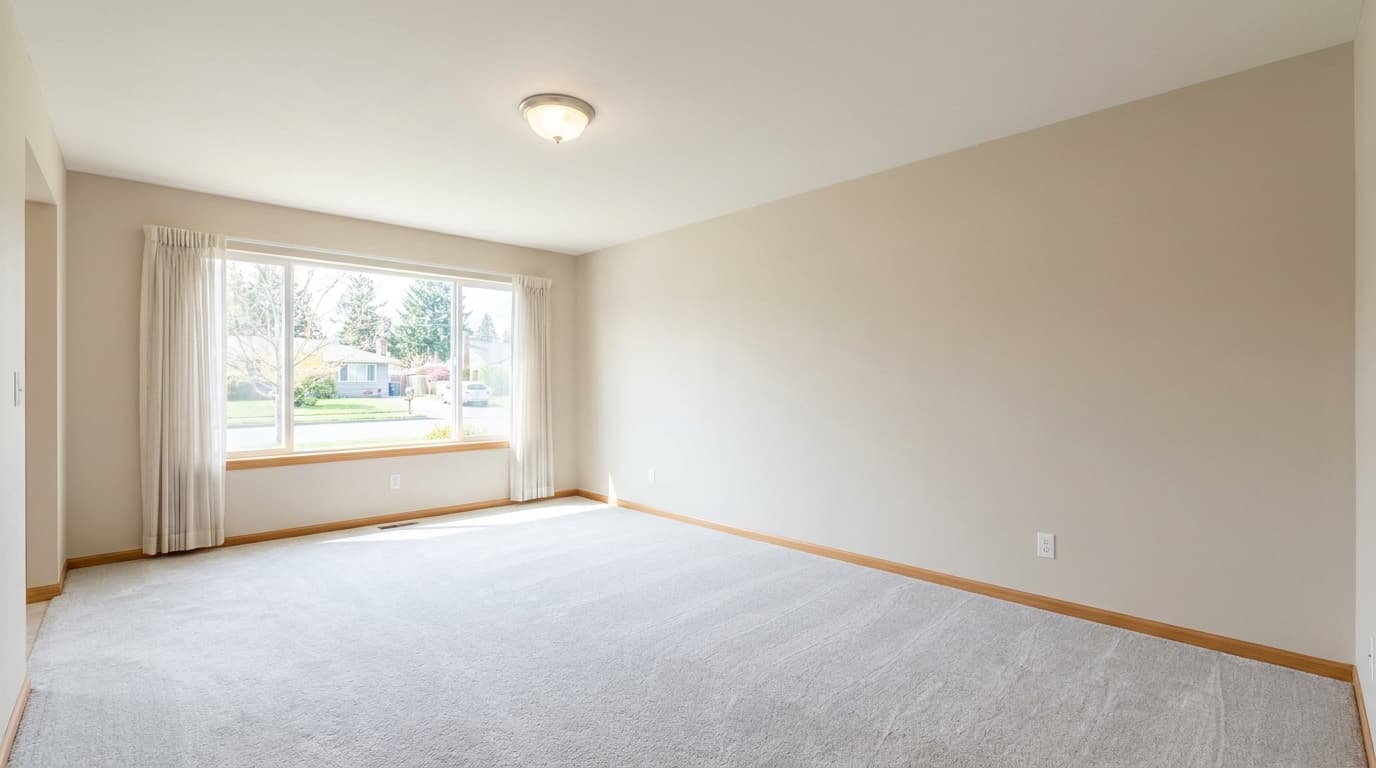
A tenant has just handed back the keys. The unit looks decent at first glance, then the details start to show up. The hallway carpet is flattened. The living room paint is faded near the windows. There's a loose cabinet pull in the kitchen and a cluster of wall marks where furniture rubbed for months.
This is the moment landlords get into trouble. If you treat every defect as tenant damage, you risk an avoidable security deposit fight. If you shrug off actual damage as ordinary aging, you absorb repair costs that should never come out of your pocket. The normal wear and tear definition matters because it sits right at the line between lawful deduction and wrongful withholding.
Landlord-tenant law has long separated ordinary depreciation from tenant-caused damage. In major markets, that distinction isn't optional. Chicago and Cook County, for example, explicitly prohibit deductions for normal wear and tear under their residential landlord-tenant rules, as discussed in this guide on Chicago and Cook County wear and tear rules.
The Move-Out Moment Every Landlord Faces
The hardest part of a move-out inspection isn't spotting defects. It's deciding which ones are yours to absorb as a cost of ownership and which ones belong to the tenant.
A seasoned landlord learns quickly that the unit never leaves a tenancy in showroom condition. Paint dulls. Carpet paths appear. Hinges loosen. The legal issue isn't whether the property changed. It did. The issue is why it changed.
That distinction has roots in landlord-tenant law. The whole point of the normal wear and tear definition is to separate ordinary depreciation from tenant-caused damage. That line controls whether you can touch the security deposit at all.
Why this moment is financially dangerous
Most disputes don't start with dramatic damage. They start with borderline calls. A landlord charges for repainting an entire room because of scattered scuffs. A tenant argues those marks came from ordinary living. Both sides dig in.
Practical rule: If you can't explain both the cause of the condition and why it exceeds ordinary use, you're not ready to deduct for it.
I've seen landlords lose otherwise valid claims because they treated a judgment call like a certainty. Courts and hearing officers usually care less about your frustration and more about your documentation, your consistency, and whether the condition looks like aging or misuse.
What works and what doesn't
What works is a disciplined approach:
- Compare condition over time. Don't judge the unit in isolation.
- Tie charges to specific damage. General “refresh” costs are risky.
- Separate turnover expenses from tenant liability. Re-renting a unit often requires work that no tenant should pay for.
What doesn't work is using the deposit as a renovation fund. If the item got older through normal use, that cost generally stays with the landlord.
Defining Normal Wear and Tear
The simplest way to understand the normal wear and tear definition is to think about a pair of shoes you wear every day. The soles wear down gradually, even if you use them carefully. That decline is expected. It comes from ordinary use over time, not abuse.
Rental housing works the same way. Normal wear and tear is the gradual, unavoidable deterioration that happens when a tenant uses the property in a reasonable way and time passes.

The working definition landlords should use
A widely cited legal definition from NOLO describes it as damage or loss resulting from ordinary use and exposure over time. See NOLO's discussion of reasonable wear and tear in rental property.
That sounds simple, but landlords need a field-ready version. Use this one:
Normal wear and tear is deterioration you should reasonably expect when a tenant lives in the property as intended and doesn't misuse it.
That standard is practical because it keeps your focus on expectation, not annoyance. Plenty of conditions look unattractive at move-out but still fall within ordinary use.
If you're also managing cleaning expectations across different legal systems, it helps to navigate end of tenancy cleaning rules with the same mindset. Cleaning disputes often overlap with wear disputes, especially when landlords confuse ordinary lived-in condition with neglect.
The three factors that control the call
Housing guidance treats wear and tear as a matter of expected deterioration over time, not a fixed calendar formula. The longer the tenancy, the more wear is expected, and landlords typically may only deduct the loss in value caused by damage beyond ordinary use.
Use three factors every time you assess an item:
- Length of tenancy. A wall after a long tenancy will usually show more fading, pin holes, and minor scuffing than a wall after a short occupancy.
- Age and starting condition. Old carpet and old paint don't become new again just because a tenant moved in.
- Intensity of use. A hallway, entry, and kitchen floor will age faster than a guest room.
What landlords often get wrong
Landlords get into trouble when they apply a fixed rule where the law expects judgment. There isn't one calendar point where carpet wear suddenly becomes deductible damage. The condition must be tied to abnormal use, not just visible use.
A tenant who lived carefully in the unit for years will still leave signs of life behind. That's not a breach. That's occupancy.
Damage vs Wear and Tear A Visual Guide
Lists help, but comparison works better. When landlords are standing in a vacant unit, they need quick distinctions they can apply room by room.
A side-by-side comparison landlords can actually use
Housing guidance generally treats cosmetic surface deterioration as normal wear, while material failure or structural impairment points toward damage. Examples often place faded paint, nail or pin holes, and worn carpet on the wear side, while large wall holes, broken windows, and pet stains land on the damage side. This breakdown is summarized in RentSpree's guide to normal wear and tear examples for landlords.
| Item/Area | Normal Wear and Tear (Not Deductible) | Tenant Damage (Deductible) |
|---|---|---|
| Walls | Light scuffs, faded paint, small nail or pin holes | Large holes, unauthorized paint colors, drywall damage |
| Flooring | Worn carpet in traffic paths, light surface scuffing | Pet stains, deep gouges, burns, torn flooring |
| Windows and screens | Minor aging of materials | Broken windows, torn screens |
| Fixtures | Loosening from age or ordinary use | Missing fixtures, broken components from misuse |
| Grout and finishes | Loose grouting, surface aging | Severe neglect requiring major repair scope |
| Wallpaper or wall coverings | Minor aging or fading | Severely ruined wallpaper |
This is the table I use mentally during inspections. If the condition looks cosmetic and expected, it usually belongs on the landlord side. If it materially impairs the item or expands repair scope, it moves toward deductible damage.
The replacement test that clears up gray areas
One of the most useful benchmarks is this: if the remedy requires full replacement instead of routine patching, repainting, or minor repair, it is more likely damage.
That doesn't mean every replacement is chargeable. Age still matters. But it does help you classify the type of condition you're looking at.
A small nail hole usually points to ordinary occupancy. A cluster of torn-out anchor holes that requires drywall repair is a different category entirely.
For high-contact furnishings in furnished rentals, prevention matters as much as classification. Some landlords reduce avoidable upholstery claims by using durable machine washable slipcovers that can be cleaned or replaced more easily than the underlying furniture finish.
Here's a practical way to think about common gray zones:
- Scuffs on painted walls. Usually wear if they clean off or need light touch-up.
- Heavy marks, gouges, or holes. Usually damage if patching and repainting become substantial.
- Carpet flattening in walkways. Wear.
- Embedded stains or odors. Damage if they go beyond ordinary use.
- Loose hardware. Often wear when caused by age and routine use.
- Missing or snapped hardware. Usually damage.
The mistake isn't being strict. The mistake is being imprecise. Charge only for what you can classify clearly.
How Wear and Tear Impacts Security Deposits
The security deposit is where legal theory turns into money. This is also where many landlords make preventable errors.

A deposit isn't a maintenance reserve. It isn't a turnover fund. It exists to cover lawful charges, and normal wear and tear isn't one of them.
The legal test is causation
From a landlord-tenant accounting standpoint, the key question is causation. Normal wear comes from ordinary use over time. Chargeable damage comes from neglect, misuse, abuse, or accident. Tobener Ravenscroft explains that in California, landlords who withhold for damage must provide a written itemized statement and supporting receipts or good-faith estimates, and the charges must relate to damage beyond normal wear and tear. Their summary of California security deposit rules on wear and tear is a good example of how this principle gets enforced.
The practical consequence is straightforward. You have to prove the deduction belongs in the damage category.
A deduction is much easier to defend when you can answer all of these:
- What exactly was damaged
- How it differed from move-in condition
- Why the condition exceeds ordinary aging
- What it cost to repair or replace
- How age affected the charge
For landlords trying to think through those decisions before sending the accounting, a move-out deduction calculator can help organize the reasoning.
What good deposit accounting looks like
A strong deduction file is boring in the best way. It contains photos, a signed condition report, invoices or receipts, and a written explanation that ties each charge to specific damage.
Here is the standard to aim for:
- Describe the item clearly. “Bedroom wall with large patched hole” is better than “wall damage.”
- Reference the baseline. Point back to the move-in condition.
- Show the change. Use move-out photos from the same angle where possible.
- Attach cost support. Receipts, contractor invoices, or lawful estimates.
- Apply depreciation where appropriate. Don't default to full replacement cost.
The video below gives a useful overview of how these disputes often play out in practice.
Bottom line: If your records only show that the unit needed work after move-out, that isn't enough. Your records need to show that the tenant caused damage beyond ordinary use.
Landlords usually lose deposit disputes for one of two reasons. Either they charged for non-deductible wear, or they had a valid charge but weak proof. Both are avoidable.
Mastering Move-In and Move-Out Inspections
Documentation wins disputes before they start. Most landlords don't have a wear-and-tear problem. They have a proof problem.

Build the baseline before the tenant settles in
A move-in inspection should happen before the tenant fully occupies the property. If you skip that step or keep it vague, you've made every future deduction harder to defend.
Your baseline file should include:
- Wide-angle room photos. Show the whole room first.
- Close-ups of existing defects. Chips, scratches, stains, worn flooring, appliance blemishes.
- Written notes by surface and fixture. Walls, doors, windows, flooring, appliances, counters, plumbing fixtures.
- Signatures and dates. Both sides should acknowledge the report.
If you want a structured framework, use a detailed move-in inspection checklist for landlords and adapt it to your unit type.
The best reports are specific. “Living room north wall has two nail holes and light scuffing near outlet” beats “good condition” every time.
Use the move-out inspection as a comparison exercise
At move-out, don't inspect emotionally. Inspect comparatively. You're not asking whether the unit is perfect. You're asking what changed, why it changed, and whether the change falls outside ordinary use.
I recommend this order:
- Start empty. Inspect after the tenant has removed belongings.
- Follow the same sequence as move-in. Room by room, item by item.
- Retake matching photos. Similar angles make differences obvious.
- Flag gray areas separately. Don't decide on the spot if you need more review.
- Collect repair support quickly. Estimates and invoices are easiest to obtain while the damage is current.
Good inspection practice isn't about taking more photos. It's about taking photos that answer the legal question later.
Flooring often creates the biggest disputes because wear accumulates gradually. For owners trying to reduce that problem at the source, Buff & Coat's property maintenance advice has practical reminders on routine upkeep, especially for surfaces that show age and misuse differently.
What landlords should document every time
Some items deserve special attention because they generate repeat arguments:
| Inspection focus | Why it matters |
|---|---|
| Wall holes and paint condition | Distinguishes minor occupancy marks from repair-level damage |
| Carpet and flooring | Helps separate traffic wear from stains, burns, and gouges |
| Windows, blinds, and screens | Breakage is easier to prove with clear before-and-after images |
| Appliances | Age and prior condition matter when a tenant claims the item was already failing |
| Cabinets and hardware | Loose from use is different from broken or missing |
Store everything in one place. The landlord who can pull up the signed report, photos, invoices, and correspondence in minutes is the landlord who usually resolves disputes fastest.
Writing an Ironclad Lease Clause
A lease can't rewrite state law. It can't turn ordinary wear into tenant liability. What it can do is reduce ambiguity before the tenancy starts.

What the lease should do
A strong clause sets expectations about cleanliness, reporting, basic care, and unauthorized alterations. That matters because many deposit disputes grow out of silence. The tenant didn't report a leak. The tenant painted a wall without permission. The tenant assumed replacing filters or lightbulbs wasn't their problem.
Your lease should state that the tenant must:
- keep the premises reasonably clean,
- promptly report maintenance issues and accidental damage,
- avoid unauthorized alterations,
- return the property in substantially the same condition except for ordinary wear and tear.
If you need a starting point, review a landlord lease agreement template and tailor the maintenance language to your jurisdiction.
Sample clause language
Property Condition and Maintenance
Tenant accepts the premises in the condition documented at move-in. Tenant must maintain the premises in a clean and sanitary manner, use fixtures and appliances in a reasonable manner, promptly notify Landlord of any maintenance issue or damage, and may not make alterations, paint, install fixtures, or modify the property without written consent. Tenant is responsible for damage caused by negligence, misuse, abuse, accident, or unauthorized alterations by Tenant, occupants, or guests. Tenant is not responsible for ordinary wear and tear resulting from normal residential use and aging.
That clause won't win a dispute by itself. But it gives you a cleaner record and better expectations from day one.
Landlord FAQ Answering the Gray Areas
The hardest questions usually involve items that are partly worn and partly damaged. That's where landlords need judgment, not slogans.
Are nail holes normal wear and tear
Usually, small nail or pin holes fall within ordinary wear. They are commonly associated with normal occupancy. The issue changes when holes are larger, repeated, or severe enough to tear drywall or require broader wall repair.
If the fix is minor patching and routine paint touch-up, you're usually in wear territory. If the wall needs meaningful repair work, the argument for damage gets stronger.
How should landlords handle depreciation
Many guides fall short, as Zillow notes that the overlooked issue is the age and lifecycle problem. Many explainers list examples, but they don't answer when an older item has reached the point where replacement is effectively the landlord's responsibility or how proportional charges should be assessed for worn flooring and similar items. See Zillow's discussion of normal wear and tear and depreciation questions.
Use a common-sense approach:
- Older item near the end of useful life. Be cautious about charging much, if anything, for replacement.
- Mid-life item with isolated tenant-caused damage. A prorated charge is often more defensible than full replacement.
- Recently installed item with abnormal damage. A larger share may be reasonable if you can document age and condition.
The right question isn't “What does a new one cost?” It's “What value did the tenant actually destroy?”
What if the tenant disputes the deduction
Don't answer with emotion. Answer with records.
Send or re-send the signed inspection, photos, itemized statement, and cost support. If the tenant raises a fair point about pre-existing condition, age, or ordinary wear, review it fairly. Some disputes should be defended. Others should be narrowed before they become expensive distractions.
A good landlord protects the asset, but also knows when a weak deduction isn't worth fighting for.
VerticalRent helps independent landlords handle the parts of renting that most often lead to disputes: screening, leases, rent collection, maintenance tracking, and clean records that are easier to organize when move-out questions come up. If you want one place to run the operational side of your rentals with less friction, take a look at VerticalRent.
Put this into practice
VerticalRent tools related to this guide
Legal Disclaimer
VerticalRent and its authors are not attorneys, CPAs, or licensed legal or financial advisors, and nothing on this site constitutes legal, tax, or professional advice. The information in this article is provided for general educational purposes only. Landlord-tenant laws, eviction procedures, security deposit rules, and tax regulations vary significantly by state, county, and municipality — and change frequently. Nothing on this site creates an attorney-client relationship. Always consult a licensed attorney or qualified professional in your jurisdiction before taking any action based on information you read here.
Co-founded VerticalRent in 2011, growing it from nothing to 100k landlords and renters. Sold it in 2019, then re-acquired it in 2026 to make it better than ever.


