Rent Control and Stabilization Laws in Mississippi: What Renters Need to Know
Mississippi has no rent control laws, leaving renters vulnerable to unlimited increases. Learn your actual rights, what protections exist, and how to navigate the rental market.

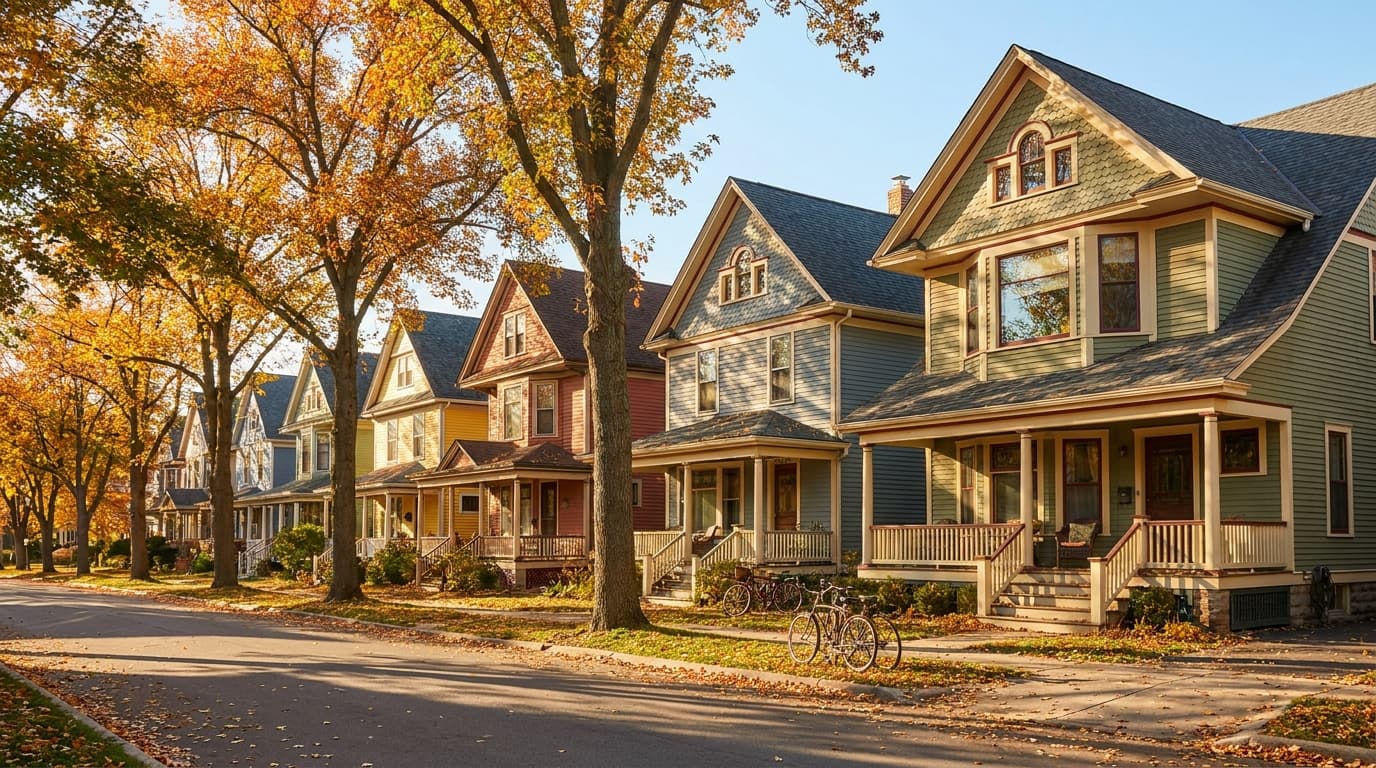
If you're renting in Mississippi and you've just received a notice that your rent is going up — significantly — you might be wondering what your rights are and whether your landlord can really do that. The short and difficult answer is: in most cases, yes. Mississippi is one of the majority of U.S. states that has no rent control or rent stabilization laws at either the state or local level. In fact, Mississippi goes a step further than many states by actively prohibiting local governments from enacting their own rent control ordinances. That means cities like Jackson, Biloxi, Gulfport, and Hattiesburg cannot protect you with local rent caps, even if they wanted to. For the roughly 30% of Mississippi households that rent their homes — approximately 340,000 renter households according to U.S. Census Bureau estimates — understanding this legal landscape isn't just useful. It's essential.
This article is a comprehensive guide for Mississippi renters who want to understand the full picture: what rent control is, why Mississippi doesn't have it, what limited protections do exist under state law, how to protect yourself practically, and what resources are available if you're facing a rent spike or potential eviction. The goal isn't to alarm you — it's to equip you with the information you need to make smart decisions about your housing.
What Is Rent Control and Rent Stabilization?
Before diving into Mississippi's specific laws, it helps to understand the terminology. Rent control and rent stabilization are often used interchangeably, but they have distinct meanings in housing policy. Rent control typically refers to hard caps on the maximum rent a landlord can charge — a policy most commonly associated with older buildings in cities like New York and San Francisco. Rent stabilization is a softer form that limits how much rent can increase each year, often tied to an inflation index or a fixed percentage. Both policies are designed to preserve housing affordability for existing tenants, particularly in high-demand urban markets where rents can rise sharply in short periods.
According to the National Multifamily Housing Council, as of 2024, only about 182 jurisdictions across the United States have active rent control or rent stabilization policies. That's a relatively small number given there are over 19,000 incorporated municipalities in the country. The majority of states — including Mississippi — have either no laws on the subject or have passed preemption statutes that actively block local governments from creating such policies.
Mississippi's Legal Position: No Rent Control, and Local Bans Are Preempted
Mississippi has never enacted statewide rent control or rent stabilization legislation. There is no maximum rent amount set by state law, no annual increase cap, and no requirement that landlords justify rent increases with cost data or inflation indices. But the state's position goes further than simple inaction.
Under Mississippi Code Annotated § 89-8-25, the state has established that local governments — cities, counties, municipalities — are prohibited from enacting any ordinance, resolution, or regulation that controls or stabilizes the amount of rent charged for residential rental property. This is called a rent control preemption statute. It was enacted in part to protect property owners' rights and to ensure a uniform statewide approach to landlord-tenant relationships. The practical effect is that even the most progressive city council in Mississippi cannot pass a local rent control ordinance. Period.
Key Fact: Under Mississippi Code § 89-8-25, no city or county in Mississippi can pass a rent control or rent stabilization ordinance. This means renters in Jackson, Biloxi, Gulfport, Hattiesburg, and every other municipality in the state have zero local-level rent increase protections.
This puts Mississippi in company with states like Florida, Texas, Arizona, Georgia, and about 30 others that have passed similar preemption laws. The political argument for preemption is that rent control reduces the housing supply by discouraging new construction and can lead to deterioration of existing housing stock. Critics counter that without any protections, low-income renters — who are disproportionately Black, Latino, and elderly in states like Mississippi — are left exposed to market volatility with few legal remedies.
So What Can a Mississippi Landlord Actually Do?
Rent Increases During a Lease
If you have an active written lease in Mississippi — whether for six months, one year, or another fixed term — your landlord generally cannot raise your rent during that lease period unless the lease itself contains a clause explicitly allowing for mid-lease increases. Most standard leases do not include such clauses because it would be unusual and potentially difficult to enforce. So if you signed a 12-month lease at $900 per month, your landlord must honor that rate for the full lease term. Your lease is a binding contract, and that rent amount is locked in.
Rent Increases When the Lease Expires or for Month-to-Month Tenants
Here is where Mississippi renters face the most exposure. When a fixed-term lease expires — or if you're renting on a month-to-month basis — a landlord can raise your rent to any amount they choose. There is no cap, no percentage limit, and no requirement to justify the increase. The only legal requirement is notice.
Under Mississippi's Residential Landlord and Tenant Act (Mississippi Code §§ 89-8-1 through 89-8-27), for a month-to-month tenancy, a landlord must provide at least 30 days' written notice before a rent increase takes effect. For weekly tenancies, the notice period is seven days. The landlord can provide this notice by delivering it in person, mailing it to the rental address, or posting it in a visible location on the property if in-person delivery isn't possible.
- Fixed-term lease: Rent cannot increase during the lease term unless the lease explicitly allows it
- Month-to-month tenancy: Landlord must give at least 30 days' written notice before raising rent
- Weekly tenancy: Landlord must give at least 7 days' written notice before raising rent
- There is no cap on how much rent can be increased — the only restriction is the notice period
- Landlords are not required to explain or justify the reason for a rent increase
- You can accept the new rent, negotiate, or choose not to renew — but you cannot legally compel the landlord to maintain the old rate
What Protections Do Mississippi Renters Actually Have?
While rent control doesn't exist in Mississippi, there are real legal protections available to tenants under state law. Understanding these can make a meaningful difference in how you navigate your rental relationship.
The Implied Warranty of Habitability
Under Mississippi Code § 89-8-23, landlords are required to maintain rental properties in a fit and habitable condition. This includes keeping the premises structurally safe, maintaining working plumbing and electrical systems, providing functioning heat and air conditioning where applicable, ensuring adequate weatherproofing, and maintaining common areas in a clean and safe condition. If a landlord fails to meet these obligations, a tenant may have legal remedies — including the right to repair the issue and deduct the cost from rent, or in serious cases, to terminate the lease.
Anti-Retaliation Protections
One of the most important protections for renters is Mississippi's anti-retaliation provision. Under § 89-8-17, a landlord cannot retaliate against a tenant for exercising their legal rights. Specifically, a landlord cannot raise your rent, reduce services, or attempt to evict you in retaliation for: (1) complaining to the landlord about habitability issues, (2) complaining to a governmental agency such as a code enforcement office, (3) organizing or joining a tenants' union, or (4) exercising any other rights protected under the Landlord and Tenant Act.
This is significant. If you reported a rodent infestation to Jackson's code enforcement office on January 1st and received a rent increase notice on January 15th, that suspicious timing could support a retaliation claim. The burden of proof matters here — courts will look at timing, the landlord's stated reason for the increase, and the history of the tenancy. If the landlord cannot show a legitimate business reason for the increase, retaliation may be established.
Fair Housing Protections
Even without rent control, federal and state fair housing laws provide critical protections. Under the federal Fair Housing Act of 1968 and Mississippi's own fair housing laws, a landlord cannot raise your rent based on your race, color, national origin, religion, sex, disability, or familial status (such as having children). If you believe a rent increase is being applied selectively based on one of these protected characteristics — for example, if your landlord is raising rent only for tenants of a particular ethnicity — that could constitute illegal housing discrimination. The U.S. Department of Housing and Urban Development (HUD) investigates these complaints, and Mississippi also has the Mississippi Home Corporation and the Jackson-Hinds Library System's civil rights resources as points of contact.
Important Reminder: Mississippi's anti-retaliation law (§ 89-8-17) means your landlord cannot legally raise your rent as punishment for reporting a habitability problem or exercising your tenant rights. If you suspect retaliation, document everything with dates, photos, and written records.
Security Deposit Protections
Mississippi does not set a statutory maximum on how much a landlord can charge for a security deposit — another area where the state offers less protection than many others. However, under § 89-8-21, a landlord must return your security deposit within 45 days after you vacate the property, along with an itemized list of any deductions. Failure to comply can result in the landlord forfeiting their right to keep any portion of the deposit. Renters should document the condition of their unit with photos and video at both move-in and move-out to protect against wrongful deduction claims.
The Eviction Process in Mississippi: Timelines and Tenant Rights
When a tenant cannot or will not pay an increased rent, the potential end point is eviction. Understanding Mississippi's eviction process is critical for renters in this situation. Mississippi landlords must follow a specific legal process to remove a tenant — they cannot change locks, remove belongings, or shut off utilities as a form of self-help eviction, which is illegal under § 89-8-15.
- 1Notice to Vacate or Pay: For nonpayment of rent, the landlord must first serve a written 3-day notice demanding payment or vacating the premises.
- 2Filing an Unlawful Detainer Action: If the tenant does not comply, the landlord files an eviction lawsuit (called an unlawful detainer action) in the county justice court where the property is located.
- 3Court Hearing: The tenant has the right to appear and present a defense at the court hearing. This is your opportunity to contest the eviction or raise issues like retaliation or habitability.
- 4Judgment and Writ of Possession: If the court rules in the landlord's favor, a writ of possession is issued. The landlord then works with the sheriff to enforce removal — typically with 5 to 10 additional days before physical removal occurs.
- 5Appeal Rights: In Mississippi, tenants have the right to appeal an eviction judgment, but they typically must pay any unpaid rent into the court registry to stay in the property during the appeal.
The entire eviction process in Mississippi, from initial notice to physical removal, can take anywhere from three to six weeks in straightforward cases, and longer if contested. This is faster than many states, which is another reason renters should act quickly when facing housing instability — not waiting until the last moment to seek legal advice or financial assistance.
Mississippi Rental Market Reality: Why This Matters Right Now
You might wonder: if Mississippi has low overall housing costs compared to coastal cities, does rent control really matter here? The answer is nuanced. Mississippi's median gross rent was approximately $830 per month according to the 2022 American Community Survey — well below the national median of around $1,100. However, Mississippi also has the lowest median household income in the United States, hovering around $52,000 per year according to the U.S. Census Bureau. When you factor in income relative to rent, Mississippi renters can face as much financial strain as renters in higher-cost cities.
Additionally, in the post-pandemic period, Mississippi — like virtually every state — experienced significant rent inflation. Between 2020 and 2023, rents in metros like Jackson, Biloxi, and Gulfport increased by 15% to 25% in some submarkets, according to CoStar Group data. For renters earning $30,000 to $40,000 per year — a common income range in Mississippi — even a $100 to $150 per month rent increase can represent a serious budget disruption. And without any legal ceiling on increases, landlords in competitive markets can and do raise rents substantially at lease renewal.
Mississippi has the lowest median household income in the U.S. at approximately $52,000, yet renters have zero legal protection against rent increases of any size. A landlord can legally double your rent with just 30 days' notice on a month-to-month lease.
Practical Strategies for Mississippi Renters Facing Rent Increases
Since legal protections are limited, your best tools as a Mississippi renter are preparation, documentation, and negotiation. Here are concrete steps you can take to protect your housing stability.
1. Know Your Lease Inside and Out
Read your lease carefully before signing and again before your renewal date. Look for clauses about rent increases, renewal terms, and notice requirements. Some landlords include automatic renewal clauses or built-in annual escalation clauses — understanding these in advance gives you negotiating power or the ability to plan ahead.
2. Communicate in Writing
Whenever you communicate with your landlord about rent, repairs, or any issue, do it in writing — email or text are both acceptable. This creates a paper trail that could be critical if a dispute arises. If you have a phone conversation, follow it up with a written summary sent to your landlord.
3. Negotiate Your Lease Renewal
Landlords often prefer keeping a good tenant over dealing with vacancy costs — turnover can cost a landlord one to two months of lost rent plus cleaning and repair expenses. If you're a reliable, on-time-paying tenant, you have leverage. Don't be afraid to politely push back on a proposed increase, offer to sign a longer lease in exchange for a smaller increase, or ask for a phased increase over multiple years.
4. Research Comparable Rents
Before accepting or rejecting a rent increase, research what comparable units are renting for in your area using platforms like Zillow, Apartments.com, or Redfin. If your landlord is proposing $1,100 for a two-bedroom but the market average is $950, you have concrete data to support a counter-offer.
5. Document the Condition of Your Unit
Photograph and video-record your rental unit at move-in, regularly during tenancy, and at move-out. This protects your security deposit and, if habitability issues arise, gives you evidence to support a complaint or a retaliation defense.
6. Know When to Seek Legal Help
Mississippi Legal Services (also known as North Mississippi Rural Legal Services and Central Mississippi Legal Services, depending on your region) provides free civil legal assistance to low-income residents, including help with landlord-tenant disputes. The Mississippi Bar's Lawyer Referral Service can also connect you with a licensed attorney for a reduced-cost initial consultation.
Financial Assistance Resources for Mississippi Renters
If you're struggling to afford a rent increase, financial assistance programs may help bridge the gap while you stabilize your situation.
- Mississippi Home Corporation (MHC): Administers federal housing assistance programs including the Housing Choice Voucher Program (Section 8), which helps qualifying low-income renters pay for housing in the private market
- Emergency Solutions Grants (ESG): Federal funding distributed through Mississippi that can provide short-term rental assistance for renters facing homelessness
- Community Action Agencies: Mississippi has a network of local community action agencies that provide emergency rent and utility assistance — find yours at the Mississippi Association of Community Action Agencies (MACAA)
- 2-1-1 Mississippi: Dial 2-1-1 or visit 211ms.org for a statewide directory of social services, including rental and housing assistance programs in your county
- Salvation Army and Catholic Charities: Both organizations operate in Mississippi and provide emergency rental assistance based on need
- Mississippi Department of Human Services: Offers various assistance programs that can free up household income for housing costs
Comparing Mississippi to Nearby States: A Regional Perspective
Mississippi is not alone in its lack of tenant protections in the South, but it's useful to understand how it compares regionally. None of Mississippi's neighboring states — Alabama, Tennessee, Arkansas, or Louisiana — have rent control laws either. All have similar preemption statutes or simply never enacted local rent control. In contrast, states like California, New York, Oregon, and New Jersey have comprehensive statewide rent stabilization frameworks. Oregon, for example, enacted the first statewide rent control law in the nation in 2019, capping annual rent increases at 7% plus the consumer price index (CPI). California's AB 1482 caps annual increases at 5% plus local CPI for most buildings more than 15 years old. Minnesota enacted rent stabilization authority for cities in 2023. These laws don't eliminate rent increases — they moderate them and give renters predictability.
The political will for similar legislation in Mississippi is not currently present, and given the state legislature's historical support for property rights and free-market principles, meaningful change is unlikely in the near term. This is not a partisan critique — it's a factual assessment of the legislative landscape. Mississippi renters should plan their housing decisions accordingly, without assuming legal protections will emerge in the near future.
What Advocates Are Saying: The Case for Stronger Tenant Protections
Housing advocates in Mississippi, including groups affiliated with the Southern Poverty Law Center and local legal aid organizations, have long argued that the state's renter population — disproportionately Black, elderly, and low-income — needs stronger legislative protection. Mississippi has a poverty rate of approximately 19%, the highest in the nation according to the U.S. Census Bureau's 2022 data. Nearly one in five Mississippians lives below the poverty line, and housing instability is closely correlated with poverty. When a low-income renter faces a $200 per month rent increase with only 30 days' notice and no legal recourse, the consequences can include displacement, homelessness, and cascading effects on children's schooling, employment, and health.
While this article doesn't advocate for any particular political position, it's important for renters to understand that these policy conversations are ongoing. Engaging with local housing advocacy organizations, attending city council meetings, and staying informed about legislative sessions are all ways renters can participate in shaping the policies that affect their daily lives.
How Technology Is Empowering Renters and Landlords to Find Common Ground
One underappreciated solution to the friction between landlords and renters is transparency enabled by technology. When renters and landlords can communicate clearly, sign leases that are fair and legally sound, and manage payments and maintenance efficiently, disputes are less likely to escalate. Platforms like VerticalRent are designed with exactly this in mind — helping both sides of the rental relationship operate with less friction and more clarity.
For example, VerticalRent's AI lease generation tool produces state-compliant leases in minutes, which means a Mississippi renter signing a lease through the platform can have confidence that the document complies with Mississippi's Residential Landlord and Tenant Act. Clear, legally sound leases reduce ambiguity about rent amounts, notice requirements, and renewal terms — protecting both parties. Similarly, VerticalRent's AI maintenance triage system helps document and track maintenance requests, creating a clear record that can support a tenant's habitability claim or retaliation defense if needed. Frank, VerticalRent's AI assistant, can help renters understand their lease terms and answer basic questions about their rights — a particularly valuable resource in a state like Mississippi where access to legal aid is limited.
Summary: What Mississippi Renters Must Remember
- 1Mississippi has no rent control or rent stabilization laws — a landlord can raise your rent to any amount with the required notice period.
- 2Local governments are legally prohibited from enacting rent control ordinances under Mississippi Code § 89-8-25.
- 3For month-to-month tenants, 30 days' written notice is required before a rent increase takes effect.
- 4Your rent is locked during a fixed-term lease unless the lease explicitly allows mid-term increases.
- 5Retaliatory rent increases are illegal under Mississippi's anti-retaliation statute (§ 89-8-17).
- 6Fair housing laws protect you from rent increases based on race, religion, national origin, sex, disability, or familial status.
- 7Landlords cannot use self-help eviction tactics like changing locks or cutting off utilities.
- 8Legal and financial assistance is available through Mississippi Legal Services, 2-1-1 Mississippi, and the Mississippi Home Corporation.
- 9Document everything in writing, photograph your unit, and know your lease terms before and after signing.
- 10Negotiation is often your most powerful practical tool — a good tenant has real leverage at lease renewal.
If you're a renter in Mississippi, your best protection is knowledge. Know your lease, know your notice rights, know the anti-retaliation law, and know where to turn for help. You may not have rent control — but you do have rights.
Manage Your Rental Experience Smarter with VerticalRent
Whether you're a renter trying to understand your lease, or a landlord looking to manage your Mississippi properties more professionally, VerticalRent was built to make the rental relationship work better for everyone. Our AI-powered platform generates state-compliant leases in minutes, offers transparent rent collection via automated ACH, and provides Frank — our AI assistant — to answer questions and help navigate common rental issues. Renters benefit when their landlord uses a professional, transparent platform. And landlords benefit from tools that reduce disputes, document everything clearly, and keep them legally compliant. Explore VerticalRent at verticalrent.com and discover a smarter way to rent in Mississippi and across the United States.
**Legal Disclaimer** *The information in this article is provided for educational purposes only and does not constitute legal advice. Tenant-landlord laws vary significantly by state, county, and city and may have changed since this article was written. VerticalRent is not a law firm and the author is not an attorney. If you have a specific legal situation, please consult a licensed attorney in your jurisdiction.*
Put this into practice
VerticalRent tools related to this guide
Legal Disclaimer
VerticalRent and its authors are not attorneys, CPAs, or licensed legal or financial advisors, and nothing on this site constitutes legal, tax, or professional advice. The information in this article is provided for general educational purposes only. Landlord-tenant laws, eviction procedures, security deposit rules, and tax regulations vary significantly by state, county, and municipality — and change frequently. Nothing on this site creates an attorney-client relationship. Always consult a licensed attorney or qualified professional in your jurisdiction before taking any action based on information you read here.
Co-founded VerticalRent in 2011, growing it from nothing to 100k landlords and renters. Sold it in 2019, then re-acquired it in 2026 to make it better than ever.


