How to Reduce Tenant Turnover: Proven Strategies to Keep Great Renters Longer
Every tenant turnover costs landlords $1,000–$5,000+ in vacancy, cleaning, repairs, and re-leasing. This guide covers the specific strategies that make tenants want to stay — including responsive maintenance, proactive communication, lease renewal incentives, and fair rent increases.

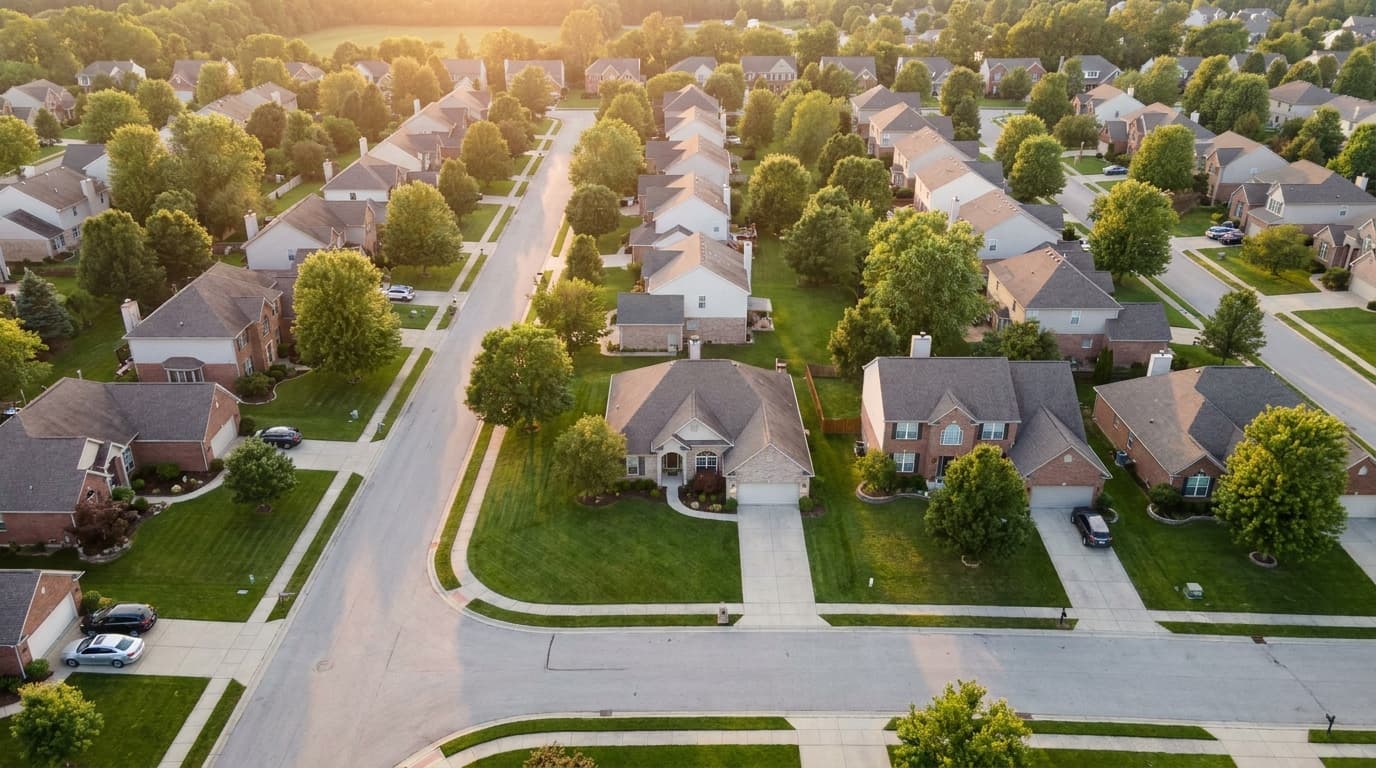
Last month, I received an email from a landlord named Sarah who manages four rental properties in Austin. She had just lost her best tenant of six years—a quiet professional who always paid rent early and kept the property immaculate. The tenant didn't leave because of a problem; she left because a competing property offered a small gym and flexible lease terms. Sarah calculated that between the lost rent, turnover costs, and time spent finding a new tenant, she was out nearly $8,000. "I never even knew she was thinking about leaving," Sarah wrote. "If I'd known what she wanted, I would have made changes in a heartbeat." This scenario plays out thousands of times every month across the country, and it's exactly why learning to reduce tenant turnover landlords face is one of the most valuable skills you can develop as a property owner.
After fifteen years in property management and co-founding VerticalRent, I've seen firsthand how tenant turnover can devastate rental income and consume countless hours of a landlord's time. The average cost of turning over a rental unit now exceeds $3,500 when you factor in vacancy loss, marketing, cleaning, repairs, and administrative time. For independent landlords managing a handful of properties, losing even one good tenant per year can wipe out months of profit. Yet I've also worked with landlords who maintain 90%+ retention rates year after year, and the strategies they use aren't complicated—they're just intentional.
In this comprehensive guide, I'll share everything I've learned about keeping great tenants longer. We'll cover the true cost of turnover that most landlords underestimate, the psychology behind why tenants actually leave, and proven strategies ranging from communication techniques to property improvements that deliver the highest retention ROI. Whether you're managing your first rental property or your fifteenth, these actionable tactics will help you build a portfolio of long-term, reliable tenants who treat your property like their home.

What You'll Learn in This Guide
- The complete financial impact of tenant turnover, including hidden costs most landlords overlook
- The top reasons great tenants leave—and which ones are entirely within your control
- Communication strategies that build tenant loyalty and surface problems before they become move-out decisions
- Property improvements and amenities that deliver the highest retention ROI for independent landlords
- How to structure lease renewals, rent increases, and incentives that encourage long-term stays
- Technology tools and systems that streamline property management while improving tenant satisfaction
Understanding the True Cost of Tenant Turnover
Most landlords significantly underestimate what it actually costs when a tenant moves out. They think about the obvious expenses—maybe a month of vacancy and some fresh paint—but the true financial impact runs much deeper. Understanding these costs is the first step in recognizing why tenant retention deserves serious attention in your property management strategy.
Let's break down the complete cost picture for a typical turnover scenario. If you're renting a property for $1,800 per month and experience an average 30-day vacancy between tenants, you've already lost $1,800 in rent. Add in the make-ready costs: professional cleaning ($200-400), carpet cleaning or replacement ($150-800), paint touch-ups or full repainting ($300-1,200), minor repairs and maintenance ($200-500), and landscaping refresh ($100-300). We're now at $2,750-$5,000 before you've even started looking for the next tenant.
Then come the marketing and leasing costs. Listing fees on premium platforms can run $50-200, professional photos cost $100-300, and if you use a leasing agent or property management company to find tenants, you're often paying 50-100% of one month's rent. Even if you handle everything yourself, there's your time—showing the property, screening applicants, processing applications, and conducting move-in inspections. At a conservative $50/hour valuation for your time, most landlords invest 15-25 hours in this process, adding another $750-1,250 in opportunity cost.
| Cost Category | Low Estimate | High Estimate | Average |
|---|---|---|---|
| Vacancy Loss (30 days at $1,800/mo) | $1,800 | $1,800 | $1,800 |
| Cleaning & Make-Ready | $350 | $1,200 | $650 |
| Painting | $300 | $1,200 | $600 |
| Carpet/Flooring | $150 | $800 | $400 |
| Minor Repairs | $200 | $500 | $350 |
| Marketing & Listing Fees | $50 | $500 | $200 |
| Landlord Time (15-25 hours) | $750 | $1,250 | $1,000 |
| Administrative Costs | $100 | $300 | $200 |
| Total Turnover Cost | $3,700 | $7,550 | $5,200 |
Beyond the direct costs, there are hidden impacts that compound over time. Every time you place a new tenant, you reset the relationship clock—building trust, establishing communication patterns, and learning each other's expectations takes months. New tenants are statistically more likely to report minor issues as maintenance requests, more likely to pay late during their first few months, and more likely to leave after their initial lease term. When you can reduce rental vacancy rates through better retention, you're not just saving turnover costs—you're building a more stable, predictable rental business.
Why Good Tenants Actually Leave: Data and Research
To solve the tenant turnover problem, we need to understand why tenants leave in the first place. Industry surveys and academic research have identified consistent patterns, and the findings might surprise you. While many landlords assume tenants leave primarily for factors outside their control—job relocations, life changes, home purchases—the data tells a different story.
According to a comprehensive survey by the National Apartment Association combined with data from property management software providers, approximately 60% of tenant move-outs are influenced by factors landlords can directly address. Only about 25% of moves are driven by genuine life changes like job relocations, family needs, or purchasing a home. The remaining 15% cite financial factors like rent increases, but even these decisions are often influenced by the overall value perception—tenants will accept reasonable rent increases when they feel they're getting good value and good service.
Key Insight: The #1 preventable reason tenants leave is poor communication with their landlord. Tenants who report feeling "ignored" or "undervalued" are 3.5 times more likely to move at lease end than tenants who feel their landlord is responsive and respectful.
Let's examine the controllable factors in detail. Poor maintenance response is the second-leading cause of preventable turnover—when tenants submit repair requests and experience delays, poor quality work, or dismissive attitudes, they start looking for alternatives. Privacy violations and excessive landlord intrusions rank third, followed by unresolved neighbor issues, lack of property improvements or updates, and inflexible policies that don't accommodate reasonable tenant needs. Each of these represents an opportunity for landlords to differentiate themselves and build tenant loyalty.
The research also reveals what tenants value most when deciding whether to renew. Responsive communication tops the list, followed by fair treatment and respect, well-maintained property condition, reasonable rent relative to market value, and flexibility on minor requests. Notice that price isn't at the top—tenants are willing to pay fair market rent when the overall experience is positive. This is crucial information for independent landlords who might assume they need to undercut market prices to retain tenants.
Understanding these patterns helps you focus your retention efforts where they'll have the greatest impact. Instead of worrying about factors you can't control, you can build systems and habits around the controllable factors that drive 60% of move-out decisions. The following sections will show you exactly how to do this.
Communication Strategies That Build Tenant Loyalty
If poor communication is the leading cause of preventable tenant turnover, then excellent communication is your most powerful retention tool. But what does "excellent communication" actually look like in practice? It's not about sending more messages—it's about the right communication at the right times, delivered in the right tone.
Start with establishing clear expectations from day one. During the lease signing and move-in process, explain exactly how tenants should contact you for different situations: routine questions, maintenance requests, emergencies. Provide multiple channels—email, phone, text, a tenant portal—and let tenants choose their preference. I've found that tenants who have clear, reliable communication channels are significantly more patient when issues arise because they trust the process will work.
Response Time Standards That Set You Apart
Set explicit response time commitments and stick to them. For emergency maintenance (water leaks, no heat in winter, security issues), aim for a response within 1 hour and action within 4 hours. For urgent but non-emergency requests (broken appliances, HVAC issues in moderate weather), respond within 4 hours and resolve within 24-48 hours. For routine maintenance and general questions, respond within 24 hours and resolve within 3-5 business days. These standards aren't just operational guidelines—communicate them to your tenants so they know what to expect.
Proactive communication is even more powerful than reactive responsiveness. Reach out to tenants regularly even when nothing is wrong. Send a brief check-in message 30 days after move-in asking if everything is working well and if they have any questions. Follow up quarterly with a simple "hope everything is going well—please let us know if you need anything" message. Notify tenants in advance of any scheduled maintenance, inspections, or property visits with at least 48 hours notice. Share relevant information like neighborhood updates, seasonal maintenance tips, or upcoming community events.
VerticalRent's platform automates much of this proactive communication through scheduled tenant touchpoints and automated notifications. The system can send move-in check-ins, seasonal maintenance reminders, and lease renewal initiation messages automatically while maintaining a personal, human tone. This consistency is especially valuable for landlords managing multiple properties who might otherwise let tenant communication slip through the cracks.
Pro Tip: Keep a simple log of every tenant interaction—even brief ones. Note any personal details they share (job, hobbies, family) and reference them in future communications. This personal touch shows tenants they're more than just a rent check, and it's incredibly effective for building loyalty.
When problems arise, your communication approach matters as much as the solution itself. Acknowledge the issue immediately, even if you can't solve it right away. Provide a clear timeline for resolution and stick to it—or proactively update the tenant if circumstances change. Follow up after resolution to confirm satisfaction. A well-handled problem can actually increase tenant loyalty because it demonstrates that you're reliable when things go wrong.
Maintenance Excellence: The Foundation of Tenant Retention
After communication, maintenance response is the most significant factor in tenant satisfaction and retention. Tenants don't expect perfection—things break in every home—but they expect problems to be addressed promptly, professionally, and completely. Your maintenance approach either builds trust or erodes it with every single request.
Create a systematic maintenance workflow that ensures nothing falls through the cracks. Every request should be acknowledged within hours, categorized by urgency, assigned to the appropriate contractor or handled personally, tracked to completion, and followed up to confirm tenant satisfaction. This might sound complicated, but modern property management tools make it straightforward. VerticalRent's AI maintenance triage feature automatically categorizes incoming requests by urgency, suggests appropriate vendors from your network, and tracks the entire resolution process so nothing gets lost.
Building Your Contractor Network
Your contractor relationships directly impact your tenant retention. Unreliable contractors who miss appointments, do shoddy work, or behave unprofessionally in tenants' homes will drive tenants away regardless of how well you communicate. Invest time in building relationships with 2-3 reliable contractors in each category: plumbing, electrical, HVAC, general handyman, and appliance repair. Pay them fairly and promptly, and they'll prioritize your calls when you need them.
When evaluating contractors for your network, consider their response time to your calls, communication quality with you and your tenants, quality of workmanship, pricing fairness, and professionalism in occupied homes. A slightly more expensive contractor who shows up on time, communicates clearly, and does the job right the first time is infinitely more valuable than a cheap contractor who frustrates your tenants.
Preventive maintenance is the often-overlooked secret to tenant satisfaction. Schedule annual HVAC servicing, replace air filters quarterly, service water heaters before they fail, inspect roof and gutters seasonally, and test smoke detectors and carbon monoxide alarms regularly. These proactive measures prevent emergency calls, extend the life of your systems, and signal to tenants that you care about the property and their comfort. Include these scheduled services in your annual calendar and notify tenants in advance.
Document everything. Keep records of all maintenance requests, actions taken, costs incurred, and tenant communications. This documentation protects you legally, helps you track patterns (a unit that needs frequent plumbing repairs might have an underlying issue worth addressing), and demonstrates professionalism to tenants who can see their requests are being handled systematically.
Strategic Property Improvements That Drive Retention
Not all property improvements are created equal when it comes to tenant retention. Some upgrades deliver significant satisfaction gains at modest cost, while others are expensive and barely noticed. Understanding which improvements matter most helps you invest wisely while maximizing tenant loyalty.
The highest-impact retention improvements typically fall into the "daily comfort" category—things tenants interact with every day. Modern, efficient HVAC systems top the list, particularly in regions with extreme temperatures. In-unit laundry connections or appliances are consistently cited as a top feature tenants want. Updated kitchens with modern appliances, good lighting, and functional storage make daily life more pleasant. Quality flooring that's clean, undamaged, and appropriate for the space matters more than most landlords realize.
| Improvement | Typical Cost | Retention Impact | ROI Timeframe |
|---|---|---|---|
| Smart Thermostat | $150-250 | High | 6-12 months |
| In-Unit Washer/Dryer | $800-1,500 | Very High | 12-18 months |
| Updated Lighting Fixtures | $200-500 | Medium | 6-12 months |
| USB Outlet Installation | $100-200 | Medium | 3-6 months |
| Fresh Interior Paint | $500-1,500 | High | 12-18 months |
| New Kitchen Appliances | $1,500-3,000 | Very High | 18-24 months |
| Luxury Vinyl Plank Flooring | $2,000-4,000 | High | 24-36 months |
| Enhanced Security (Smart Lock, Cameras) | $300-600 | High | 6-12 months |
Small Touches That Make a Big Difference
Sometimes the smallest improvements create the most goodwill. Fresh caulk in bathrooms and kitchens costs almost nothing but makes spaces feel cleaner and well-maintained. Upgraded cabinet hardware can modernize a dated kitchen for under $100. High-quality, matching outlet covers and switch plates create a cohesive, cared-for appearance. Fresh weather stripping on doors improves comfort and shows attention to detail.
Consider tenant-requested improvements carefully. When a long-term tenant asks if they can install ceiling fans, add a garden bed, or make other modifications, your default response should be "let's figure out how to make that work" rather than "no." Accommodating reasonable requests demonstrates flexibility and invests the tenant emotionally in the property. You might even offer to pay for materials if they'll do the work, or split the cost of improvements that increase property value.
Timing your improvements strategically also matters. Making visible improvements shortly before lease renewal reminds tenants of the value they're getting and demonstrates your ongoing investment in the property. A fresh coat of paint in the living room, new kitchen faucet, or upgraded light fixtures a month or two before you discuss renewal sends a powerful message about your commitment to the property.
For those just starting their investment journey, understanding which improvements deliver the best returns is essential. Our guide on How to Find Your First Rental Property covers evaluating properties for improvement potential and building value over time.
Lease Renewal Strategies That Maximize Retention
The lease renewal process is your most critical retention opportunity, yet many landlords approach it haphazardly—sending a generic renewal notice 30 days before expiration and hoping for the best. A strategic lease renewal process landlords develop intentionally can dramatically improve retention rates.
Start the renewal conversation early—90 days before lease expiration is ideal. This timing gives you leverage and flexibility that disappears as the expiration date approaches. At 90 days, you have time to address any tenant concerns, negotiate terms thoughtfully, and find a new tenant if necessary without facing vacancy. Contact your tenant with a friendly message expressing your hope that they'll renew and asking if there's anything they'd like to discuss about their continued tenancy.
Structuring Renewal Offers That Encourage Commitment
Create renewal offers that reward longer commitments. If your standard lease is 12 months, offer a modest discount (perhaps $25-50/month) for tenants who commit to 24 months. The savings seem significant to tenants while costing you far less than a turnover would. You might also offer "early renewal" incentives—tenants who confirm renewal 60+ days before expiration receive a smaller rent increase than those who wait until the last minute.
When it comes to rent increases, transparency and justification matter enormously. Don't just announce a rent increase—explain the reasoning. Share that property taxes increased, insurance costs rose, or market rents have climbed significantly while you're proposing a more modest increase. Provide context: "Market rents for comparable units in the area average $2,100, and we're renewing at $1,950 in recognition of your excellent tenancy." Tenants who understand the rationale are more likely to accept increases gracefully.
Retention Strategy: Consider a "loyalty escalation" approach where long-term tenants receive progressively smaller rent increases over time. Year 1 to Year 2 might see a standard market increase, Year 2 to Year 3 a smaller increase, and Year 3+ only minimal adjustments tied to actual cost increases. This rewards loyalty while still allowing rent growth.
The lease renewal meeting (whether in person, by phone, or video call) is an opportunity to strengthen the relationship. Thank the tenant specifically for things they've done well—paying on time, maintaining the property, being a good neighbor. Ask what would make their experience even better in the coming year. Listen carefully to any concerns and address them directly. This conversation often surfaces small issues that are easy to fix but might otherwise fester into move-out decisions.
VerticalRent's AI lease generation feature streamlines the renewal documentation process, automatically incorporating any agreed-upon changes and preparing renewal documents for e-signature. This efficiency allows you to close renewal agreements quickly once terms are agreed, reducing the chance that tenants reconsider or receive competing offers during a lengthy paperwork process.
Handling Rent Increases Without Losing Tenants
Rent increases are necessary for maintaining profitable rental properties, but they're also the most common trigger for tenants to reconsider their living situation. Handled poorly, a rent increase letter sends tenants straight to Zillow to see what else is available. Handled well, rent increases are accepted as a normal part of the landlord-tenant relationship without damaging retention.
First, establish the right mindset: your goal isn't to avoid rent increases, it's to structure them fairly and communicate them effectively. Tenants who feel they're being treated fairly will accept reasonable increases. Tenants who feel they're being gouged or taken advantage of will leave—even if the new rent is still below market rate.
Research comparable rents thoroughly before deciding on your increase. Know exactly what similar units in your area are renting for, and be prepared to share this information with tenants. If you're raising rent from $1,800 to $1,900 while comparable units rent for $2,000-2,100, that's a strong position. If you're raising to $1,950 when comparables are at $1,850, you're likely to face resistance and turnover.
The Timing and Delivery of Rent Increases
Never surprise tenants with rent increases at renewal time. Mention in your initial renewal conversation (90 days out) that you're reviewing rents and will have specific numbers to share soon. This gives tenants mental preparation time. Then deliver the specific increase proposal at 60 days out with a clear, warm cover message that emphasizes the value they're receiving and your desire to continue the tenancy.
Consider the timing of increases in relation to local rental market cycles. In many markets, advertising a unit in spring attracts more applicants than advertising in winter. If your lease expires in November and you're proposing a significant increase, the tenant knows you'd struggle to fill the unit quickly if they leave. This weakens your position. Conversely, a June lease expiration during peak rental season gives you more leverage—but also more competition for your tenant's attention.
Offer alternatives when possible. Instead of a single take-it-or-leave-it rent increase, present options: "We can renew at $1,900/month for 12 months, or $1,850/month if you'd like to commit to 24 months." This gives tenants agency in the decision and often leads to longer lease terms. Some landlords offer to hold rent flat in exchange for the tenant handling certain minor maintenance tasks or grounds keeping—a creative solution that serves both parties.
If a tenant pushes back on a rent increase, listen to their concerns without immediately capitulating. Sometimes tenants simply need to express frustration before accepting. Other times, they have legitimate financial constraints you might accommodate with a smaller increase or phased implementation. Losing a great tenant over $50/month when turnover would cost you $5,000+ is poor economics.

Building Community and Tenant Engagement
Tenants who feel connected to their living environment—both the physical property and the community around it—are significantly less likely to move. While community building might seem more relevant to apartment complexes with shared spaces, independent landlords managing single-family homes and small properties can also create meaningful connections that improve retention.
Start with the basics of neighbor relations. When conflicts arise between your tenants and neighbors—noise complaints, parking disputes, pet issues—your involvement and mediation can make the difference between a tolerable situation and a move-out trigger. Take complaints seriously, investigate fairly, and work toward genuine solutions rather than just warning letters. Tenants who feel you have their back in difficult situations develop stronger loyalty.
Share useful local information periodically. When you learn about a new restaurant opening nearby, a community event happening in the neighborhood, or a new public transit option, pass that information along to tenants. This positions you as a resource rather than just a rent collector and reinforces that you're invested in the area where they live.
Small Gestures That Build Connection
Holiday and seasonal touches create goodwill at minimal cost. A small gift card to a local coffee shop at the holidays, a brief note acknowledging a lease anniversary, or a summer treat during a heat wave all signal that you see your tenant as a person rather than just an account number. These gestures don't need to be expensive—$20-30 once or twice a year generates significant goodwill.
Recognize and reward positive tenant behavior. When a tenant reports a small maintenance issue before it becomes a big problem, thank them specifically. When they refer a friend who becomes a tenant, offer a meaningful referral bonus ($200-500 is common). When they make improvements or maintain the property exceptionally well, acknowledge it. Recognition reinforces the behaviors you want while making tenants feel valued.
For landlords with multiple properties in the same area, consider organizing occasional tenant gatherings—an annual summer barbecue, a holiday party, or a neighborhood cleanup event. These create community among your tenants, strengthen their connection to you, and generate organic word-of-mouth referrals when vacancies do occur.
VerticalRent helps facilitate this tenant engagement through its built-in communication tools and tenant portal, which allow you to send personalized messages, share community updates, and maintain that human connection even as you scale your property management. The platform's automated rent collection and maintenance tracking handle the operational tasks, freeing your time for the relationship-building activities that drive retention.
Pet Policies That Balance Retention and Risk
Pet policy is one of the most significant retention factors for a growing segment of tenants, yet many landlords maintain blanket "no pets" policies that cost them excellent tenants. According to the American Pet Products Association, 66% of U.S. households own at least one pet—mostly dogs and cats. A no-pets policy immediately excludes two-thirds of the rental market and virtually guarantees turnover when pet-free tenants acquire pets during their tenancy.
A thoughtful pet policy balances legitimate landlord concerns—property damage, noise, liability—against the retention benefits of accommodating pet owners. The data strongly supports being pet-friendly: pet owners are willing to pay higher rents, tend to stay longer (because finding pet-friendly housing is difficult), and often make excellent tenants who treat properties carefully because they fear losing their pet-friendly home.
Structure your pet policy to mitigate risks while saying "yes" to responsible pet owners. Require a pet screening process that evaluates the specific animal rather than blanket breed or size restrictions. Charge a reasonable pet deposit (check your state's limits on security deposits) and consider pet rent ($25-50/month is typical) to cover accelerated wear. Require proof of vaccinations, licensing, and renter's insurance that covers pet liability.
Managing Pet-Related Risks Effectively
Conduct a pet interview before approving any animal. Meet the pet, observe its behavior, and assess the owner's apparent responsibility level. A well-trained 80-pound dog with a responsible owner is often less risky than an untrained 20-pound dog with an owner who seems careless. This individualized approach catches the actual risks rather than using arbitrary restrictions that reject good tenants.
Include clear pet-related clauses in your lease: expectations for waste cleanup, noise control, leashing in common areas, and liability for any damage. Specify consequences for violations, including potential removal of pet privileges. These clear expectations help responsible pet owners succeed while giving you grounds for action if problems arise.
Consider a trial period for new pets. Allow tenants to bring a pet on a 90-day provisional basis with an inspection scheduled at the end. This gives you an opportunity to assess how the pet actually impacts the property before making a permanent commitment. Many tenants appreciate this approach because it demonstrates your reasonableness while still protecting your property.
For tenants who acquire pets during their tenancy (often a new puppy or rescued animal), be flexible. The alternative—rigidly enforcing a no-pet clause—almost always results in the tenant moving. If they're otherwise excellent tenants, finding a way to accommodate the pet preserves the tenancy and demonstrates the kind of flexibility that generates lasting loyalty.
Using Technology to Improve Tenant Experience
Modern tenants expect digital convenience in their rental experience. Property management technology isn't just about making your life easier as a landlord—it directly improves tenant satisfaction by providing the seamless, responsive experience tenants receive from every other service in their lives.
Online rent payment is now a baseline expectation rather than a perk. Tenants want to pay rent with a few clicks, set up autopay, and receive automatic receipts—not mail checks and wonder when they'll be cashed. If you're still collecting rent manually, you're creating unnecessary friction that makes your properties feel outdated compared to competitors.
Maintenance request portals dramatically improve tenant satisfaction. When tenants can submit requests online with photos and descriptions, track the status of their request, and communicate with you through a central system, they feel heard and informed. Compare this to the traditional approach of calling or texting and wondering if the message was received or when someone will respond. VerticalRent's maintenance portal gives tenants this modern experience while providing you with organized tracking and documentation.
Smart Home Features Tenants Value
Smart home technology is increasingly expected in rental properties, particularly in higher-rent brackets. Smart thermostats top the list—they save tenants money on utilities while providing convenient app-based control. Smart locks provide keyless entry, easy guest access, and no lockout emergencies. Video doorbells enhance security and package delivery management. Smart smoke and carbon monoxide detectors provide better safety with less nuisance from false alarms.
These features aren't just tenant conveniences—they benefit you as well. Smart thermostats let you monitor for temperature extremes that might indicate HVAC failure or frozen pipes. Smart locks eliminate the cost and hassle of rekeying between tenants. Video doorbells reduce package theft, a common tenant complaint. The initial investment quickly pays off through reduced maintenance issues, lower turnover costs, and the ability to command slightly higher rents.
VerticalRent's AI risk scoring uses technology to improve the tenant screening process, helping you select reliable tenants who are more likely to stay long-term from the beginning. The platform analyzes application data to predict tenant quality beyond simple credit scores, identifying applicants with characteristics associated with longer tenancies and better payment histories. Starting with better-matched tenants is the foundation of any retention strategy.
Communication technology also matters. Tenants appreciate the option to communicate through their preferred channel—text, email, app messaging, or phone. They expect quick acknowledgment of messages even if the full response takes longer. Automated read receipts, confirmation messages, and status updates provide the responsiveness tenants experience from other services and now expect from their landlord.
Addressing Problems Before They Become Move-Out Decisions
Most tenant move-outs don't happen suddenly—they result from accumulated frustrations that reach a tipping point. By the time a tenant tells you they're not renewing, the decision has usually been made weeks or months earlier. Your best retention strategy is identifying and addressing problems before they compound into move-out decisions.
Conduct regular check-ins that go beyond maintenance issues. A quarterly email asking "How is everything going? Is there anything we could do to improve your experience?" invites feedback on issues tenants might not otherwise raise. Some landlords schedule brief annual "satisfaction conversations" at the mid-point of each lease term—a 15-minute phone call focused entirely on the tenant's experience and any concerns.
Pay attention to behavioral signals that indicate dissatisfaction. A tenant who suddenly starts paying rent on the last possible day instead of early might be experiencing financial stress or reduced commitment. A tenant who stops responding promptly to your messages might be disengaging from the relationship. A tenant who submits multiple maintenance requests in rapid succession might be documenting issues in preparation for a
Put this into practice
VerticalRent tools related to this guide
Legal Disclaimer
VerticalRent and its authors are not attorneys, CPAs, or licensed legal or financial advisors, and nothing on this site constitutes legal, tax, or professional advice. The information in this article is provided for general educational purposes only. Landlord-tenant laws, eviction procedures, security deposit rules, and tax regulations vary significantly by state, county, and municipality — and change frequently. Nothing on this site creates an attorney-client relationship. Always consult a licensed attorney or qualified professional in your jurisdiction before taking any action based on information you read here.
Co-founded VerticalRent in 2011, growing it from nothing to 100k landlords and renters. Sold it in 2019, then re-acquired it in 2026 to make it better than ever.


