How to Find Your First Rental Property: A First-Time Landlord's Complete Guide
Buying your first rental property is one of the most consequential financial decisions you'll make. This guide walks first-time landlords through every step — from defining your investment criteria and analyzing deals to financing, due diligence, and what to do in your first 90 days as a landlord.

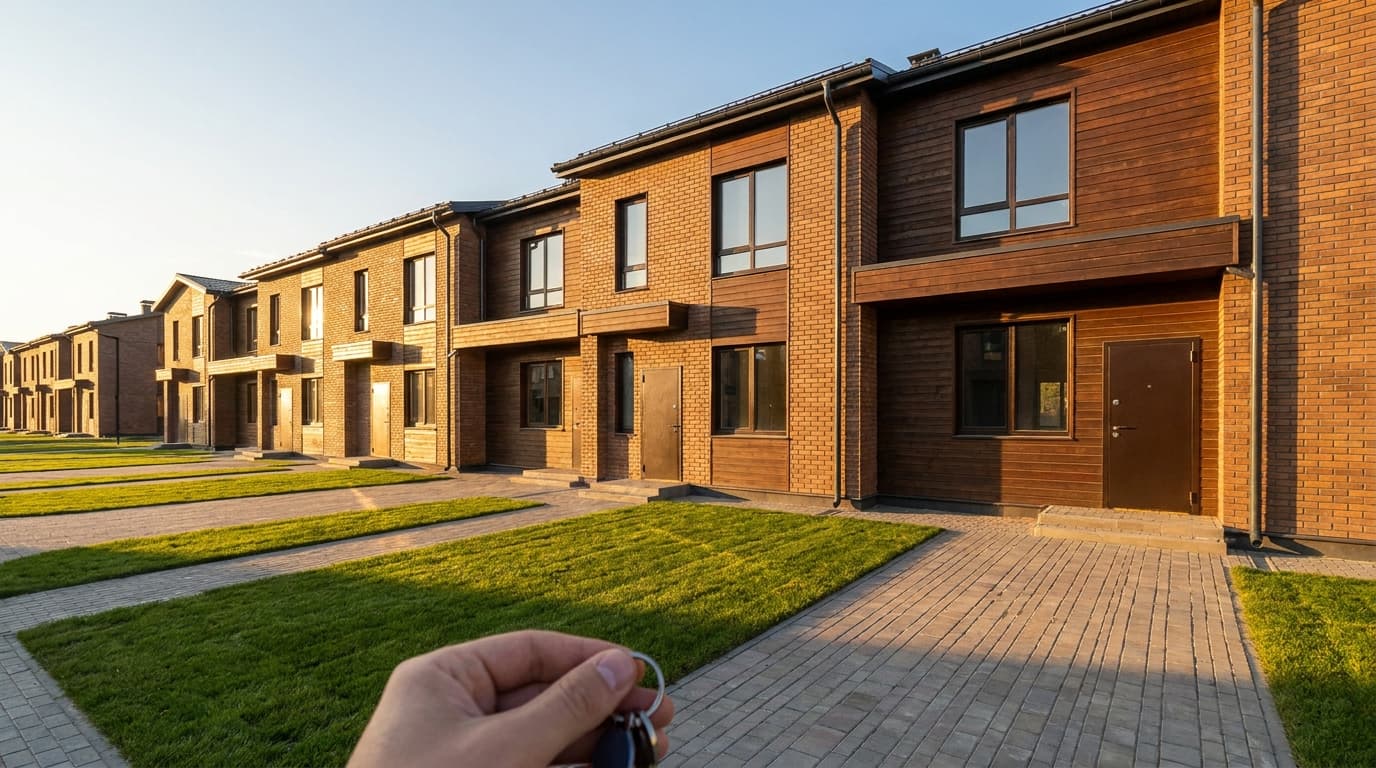
I still remember the nervous excitement I felt when I was searching for my first rental property back in 2008. I had saved diligently for three years, read every real estate investing book I could find, and attended countless weekend seminars promising the secrets to wealth through rental properties. Yet when I finally stood in front of a modest duplex in a working-class neighborhood, spreadsheet in hand and heart pounding, I realized that no amount of theoretical knowledge had fully prepared me for that moment. Would this be the decision that set me on the path to financial freedom, or would it become an expensive lesson in what not to do? If you're reading this first rental property guide, you're likely standing at a similar crossroads right now—and I want to help you navigate it successfully.
The truth is, finding your first rental property is simultaneously one of the most exciting and overwhelming experiences you'll have as an aspiring landlord. There are financing options to understand, markets to analyze, properties to evaluate, and numbers to crunch. One wrong calculation or overlooked detail can turn a promising investment into a money pit. But here's what I've learned after 15+ years in this industry and helping thousands of landlords through VerticalRent: with the right framework, proper due diligence, and realistic expectations, first-time investors can absolutely find properties that generate positive cash flow from day one.
In this comprehensive guide, I'll walk you through everything you need to know about finding, evaluating, and purchasing your first rental property. We'll cover how to assess your financial readiness, choose the right market, analyze potential investments, navigate the purchasing process, and set yourself up for long-term success. Whether you're looking at single-family homes, duplexes, or small multifamily properties, the principles in this guide will give you the confidence to make informed decisions.

What You'll Learn in This Guide
- How to honestly assess your financial readiness and determine exactly how much you can afford to invest in your first rental property
- The key factors to consider when selecting a rental market, including how to identify neighborhoods with strong rental demand and appreciation potential
- A step-by-step framework for analyzing potential investment properties, including calculating cash flow, cap rate, and cash-on-cash return
- The different financing options available to first-time real estate investors, from conventional mortgages to creative strategies
- How to conduct thorough due diligence to avoid costly surprises and negotiate effectively on your purchase
- Essential steps to take immediately after closing to set your rental property up for success
Assessing Your Financial Readiness for Rental Property Investment
Before you start browsing listings or attending open houses, you need to take an honest look at your financial situation. I've seen too many first-time investors jump into real estate before they're truly ready, only to find themselves stretched thin when unexpected expenses arise. Your first rental property should strengthen your financial position, not jeopardize it.
Start by examining your personal finances with a critical eye. Do you have an emergency fund covering at least six months of your personal living expenses? This is non-negotiable. Your rental property emergency fund should be separate from your personal safety net. I recommend having at least $10,000 to $15,000 set aside specifically for your first rental property to cover unexpected repairs, vacancies, or other surprises. The last thing you want is to be forced to sell your investment at a loss because you couldn't cover a $5,000 HVAC replacement.
Next, evaluate your debt-to-income ratio. Most lenders want to see a DTI below 43% for investment property loans, though some will go up to 50% with compensating factors like strong credit scores or significant cash reserves. Calculate your monthly debt payments (including your primary residence mortgage, car payments, student loans, and minimum credit card payments) and divide by your gross monthly income. If you're close to the limit, you may need to pay down some debt before pursuing your first rental.
Expert Tip: Your credit score significantly impacts the interest rate you'll receive on investment property loans. A score above 740 will typically qualify you for the best rates, while scores below 680 may result in rates 0.5% to 1% higher—which can mean thousands of dollars over the life of your loan. If your score needs work, consider spending six months to a year improving it before purchasing.
Finally, think about your time availability. Managing a rental property requires consistent attention, especially in the first year as you establish systems and learn the ropes. If you're working 60-hour weeks at your day job and have significant family obligations, you'll need to factor in the cost of professional property management or use technology solutions like VerticalRent's AI-powered platform to automate many of the time-consuming tasks landlords face.
Understanding Your Investment Goals and Strategy
Not all rental property investments are created equal, and the "best" property for you depends entirely on your specific goals. Before you search for properties, you need to clearly define what you're trying to achieve. Are you primarily focused on monthly cash flow? Long-term appreciation? Building equity through forced appreciation? Tax benefits? Your answer will significantly influence the type of property and market you should target.
Cash flow investors prioritize properties that generate positive monthly income after all expenses are paid. This strategy typically leads investors toward markets with lower property prices relative to rents—often found in Midwest cities like Indianapolis, Cleveland, or Kansas City. These markets may not see dramatic appreciation, but they can produce reliable monthly income. If you're looking to replace your current income or supplement your retirement, cash flow should be your primary focus.
| Investment Strategy | Primary Focus | Typical Markets | Risk Level | Best For |
|---|---|---|---|---|
| Cash Flow | Monthly income | Midwest, Southeast | Lower | Income replacement, passive income |
| Appreciation | Property value growth | Coastal cities, tech hubs | Higher | Long-term wealth building |
| Hybrid | Balance of both | Growing secondary markets | Moderate | Balanced portfolio growth |
| House Hacking | Reduced living expenses | Any market | Lower | First-time investors |
| BRRRR | Forced appreciation | Any market with distressed inventory | Higher | Experienced investors, contractors |
Appreciation investors are willing to accept lower (or even negative) monthly cash flow in exchange for the potential of significant property value increases over time. This approach works best in high-growth markets like Austin, Nashville, or Phoenix, where job growth and population influx drive housing demand. However, appreciation investing requires more patience and deeper cash reserves to weather periods of negative cash flow.
For most first-time investors, I recommend a hybrid approach that prioritizes positive cash flow while positioning yourself in a market with reasonable appreciation potential. This gives you the best of both worlds: reliable income to build your confidence and cover unexpected expenses, plus the wealth-building benefits of property value growth over time. As you build rental property portfolio experience, you can adjust your strategy based on what you learn about your preferences and risk tolerance.
Choosing the Right Market for Your First Rental Property
Location matters more than almost any other factor in real estate investing. A great property in a declining market will underperform a mediocre property in a thriving one. When evaluating potential markets for your first rental property, you need to look at both macro-level factors (citywide trends) and micro-level factors (specific neighborhoods).
Start with population and job growth. Markets with growing populations and diverse employment bases tend to have strong rental demand. Look for cities adding jobs in multiple sectors—not just one industry that could collapse and take the local economy with it. The U.S. Census Bureau and Bureau of Labor Statistics provide free data on population changes and employment trends. Avoid markets that are heavily dependent on a single employer or industry, as a downturn could devastate your rental income.
Key Market Indicators to Research
Beyond population and employment, examine rent-to-price ratios across different markets. The "1% rule" suggests that a property should rent for at least 1% of its purchase price monthly to generate positive cash flow. While this rule is increasingly difficult to meet in many markets, it provides a useful benchmark. Markets where average rent-to-price ratios fall below 0.6% will be challenging for cash flow-focused investors.
Landlord-friendliness is another crucial consideration. Some states and cities have tenant-friendly laws that make evictions lengthy and expensive, limit your ability to screen tenants effectively, or impose rent control that restricts your income potential. Texas, Florida, Arizona, and most Southeastern states tend to be more landlord-friendly, while California, New York, and parts of the Pacific Northwest present more regulatory challenges.
Important Warning: Don't invest in a market you've never visited or researched thoroughly. Out-of-state investing can work well once you have experience, but for your first rental property, strongly consider investing within a two-hour drive of where you live. You'll be able to personally inspect properties, meet with contractors, and handle emergencies without costly travel.
Once you've identified a promising city, drill down to the neighborhood level. Look at school district ratings (even if you're not targeting families, good schools support property values), crime statistics, proximity to employment centers, and recent investment in the area. Drive or walk through potential neighborhoods at different times of day and different days of the week. Talk to local property managers, real estate agents who specialize in investment properties, and if possible, other landlords in the area.
Understanding Rental Property Financing Options
Financing your first rental property differs significantly from financing a primary residence. Lenders view investment properties as higher risk because borrowers are more likely to default on an investment property than their home during financial hardship. This means higher down payment requirements, higher interest rates, and stricter qualification criteria.
Conventional investment property loans typically require 20-25% down, though some lenders may go as low as 15% with private mortgage insurance. Interest rates are usually 0.5% to 0.75% higher than owner-occupied rates, and you'll need cash reserves equal to six months of mortgage payments (on both your primary residence and the investment property) in addition to your down payment and closing costs.
| Financing Option | Min. Down Payment | Interest Rate | Requirements | Best For |
|---|---|---|---|---|
| Conventional Investment Loan | 15-25% | Market + 0.5-0.75% | Good credit, low DTI | Traditional investors with savings |
| FHA (House Hacking) | 3.5% | Market rate | Owner-occupancy required | First-time investors willing to live in property |
| VA Loan (House Hacking) | 0% | Below market | Military service, owner-occupancy | Eligible veterans |
| Portfolio Loan | 20-30% | Varies widely | Relationship with local bank | Self-employed, complex situations |
| DSCR Loan | 20-25% | Higher than conventional | Property cash flow | Investors with low W-2 income |
| Seller Financing | Negotiable | Negotiable | Willing seller | Creative deal structures |
House Hacking: The First-Time Investor's Secret Weapon
If you're willing to live in your first investment property, house hacking opens up significantly better financing options. Purchase a duplex, triplex, or fourplex as your primary residence, and you can use FHA financing with as little as 3.5% down or VA financing with zero down if you're a veteran. You'll get better interest rates, lower cash reserve requirements, and can use projected rental income from the other units to help you qualify.
I house hacked my first property—that duplex I mentioned earlier—and it remains one of the smartest financial decisions I've ever made. Living in one unit while renting the other reduced my living expenses to nearly zero and gave me hands-on landlord experience without the full financial commitment of a pure investment property. Within two years, I refinanced into a conventional loan, moved out, rented both units, and used the equity I'd built to fund my second purchase.
For first-time investors, understanding the different financing scenarios is essential for accurate analysis. Our detailed guide on cash flow analysis rental property calculations walks you through exactly how different loan structures impact your returns.
Analyzing Potential Investment Properties
Once you've identified your target market and understand your financing options, it's time to analyze specific properties. This is where many first-time investors make costly mistakes—either by relying on overly optimistic projections provided by sellers or agents, or by failing to account for all the expenses associated with property ownership.
Start with rental income projections. Research comparable rentals in the immediate area using sites like Zillow, Rentometer, or local Craigslist listings. Talk to property managers who work in the neighborhood about realistic rent expectations. Be conservative—use the lower end of the range for your projections. If similar units rent for $1,200 to $1,400, base your analysis on $1,200.
The Complete Expense Picture
Expenses are where most first-time investors underestimate. Beyond your mortgage payment (principal, interest, taxes, and insurance), you need to account for:
- Vacancy: Even in hot rental markets, plan for 5-8% vacancy. This accounts for turnover time between tenants and occasional longer vacancies.
- Maintenance and repairs: Budget 8-12% of gross rent for ongoing maintenance and repairs. Older properties require more; newer properties less.
- Capital expenditures: Set aside 5-10% for major systems replacements—roof, HVAC, water heater, appliances.
- Property management: Even if you plan to self-manage, include 8-10% for management. You may eventually want to outsource this, and it provides a more accurate picture of the property's true returns.
- Utilities: If you're paying any utilities (common in multifamily), research actual costs with the utility companies.
- Lawn care, snow removal, HOA fees: Don't forget these often-overlooked expenses.
Pro Tip: Use the "50% rule" as a quick screening tool. This rule of thumb suggests that operating expenses (everything except your mortgage) will average about 50% of gross rent over time. If a property rents for $1,500/month, assume $750 in expenses, leaving $750 to cover your mortgage payment and provide profit. Properties that don't work under this conservative analysis probably aren't worth pursuing further.
After accounting for all expenses, calculate your key investment metrics. Cash flow is your monthly income minus all expenses including mortgage. Cash-on-cash return divides your annual cash flow by your total cash invested (down payment, closing costs, and any immediate repairs). Cap rate divides your net operating income (before mortgage payments) by the property's purchase price. Aim for positive cash flow of at least $100-200 per unit, cash-on-cash return above 8%, and cap rate aligned with your local market (typically 5-10%).

Finding and Identifying Investment Property Opportunities
With your analysis framework in place, you need to find properties worth analyzing. The best deals rarely come from simply browsing the MLS—they require proactive effort and relationship building. However, as a first-time investor, don't get too caught up chasing "off-market" deals before you've developed the skills to evaluate them properly.
Start with the MLS and online marketplaces. While competition is fierce for listed properties, you can still find good deals, especially if you're willing to act quickly and make competitive offers. Set up alerts on Zillow, Redfin, and Realtor.com for properties meeting your criteria. Check listings daily and be prepared to view promising properties within 24-48 hours of listing.
Building Your Deal Flow Pipeline
Network with real estate professionals who regularly work with investors. Find a buyer's agent who specializes in investment properties—they'll hear about deals before they hit the market and can provide valuable local insight. Connect with wholesalers who contract properties and sell their purchase rights to investors. Attend local real estate investment association (REIA) meetings to build relationships with other investors who may partner on deals or refer opportunities they can't pursue.
As your confidence grows, you can pursue more proactive strategies. Driving for dollars—literally driving through target neighborhoods looking for distressed properties—can uncover motivated sellers. Direct mail campaigns to absentee owners, probate lists, or pre-foreclosure lists generate leads, though response rates are typically 1-3%. Online marketing through targeted Facebook ads or a simple "We Buy Houses" website can attract sellers.
For your first property, I recommend focusing on properties that need minor cosmetic updates rather than major renovations. A property needing paint, flooring, and landscaping can be purchased below market value and improved with predictable costs. Properties requiring foundation work, major electrical upgrades, or significant structural repairs should wait until you have more experience and contractor relationships.
Conducting Thorough Due Diligence
Once you've found a promising property and have an accepted offer, due diligence becomes critical. This is your opportunity to verify everything you've been told about the property and uncover problems that could affect your investment. Don't skip steps to save money or accelerate closing—the few hundred dollars you spend on inspections could save you tens of thousands in unexpected repairs.
Always get a professional property inspection, even if you have construction experience. Inspectors see things that untrained eyes miss and can identify problems that aren't immediately visible. For properties with specific concerns, bring in specialists—a structural engineer for foundation issues, a licensed plumber for old pipes, or a roofer for aging roofs. Request documentation of the property's repair history from the seller.
Verifying Rental Income and Expenses
For occupied properties, verify the current rental income and lease terms. Request copies of all leases, rent rolls showing payment history for at least 12 months, and documentation of any security deposits you'll be responsible for. Contact current tenants (with the seller's permission) to verify lease terms and learn about any issues with the property.
Research actual expenses beyond what the seller provides. Utility companies will often provide average bills for a property. Insurance agents can provide quotes before closing. Contact the county assessor's office to verify property taxes and check for any planned reassessments that could significantly increase your tax burden after purchase.
- Order a title search to ensure clear ownership and identify any liens or encumbrances
- Review the property survey to verify boundaries and identify any easements
- Check for any pending or planned city assessments (sidewalks, sewers) that could add costs
- Research any HOA or neighborhood restrictions that could limit your rental activities
- Verify zoning allows your intended use, especially for short-term rentals
- Research the property's flood zone status and factor in flood insurance costs if applicable
Document everything you find during due diligence. This information will be valuable for renegotiating the purchase price if significant issues arise, and it provides a baseline for your property records going forward. At VerticalRent, we encourage landlords to store all property documentation digitally from day one—our platform makes it easy to organize and access important documents whenever you need them.
Navigating the Purchase and Closing Process
Purchasing an investment property follows a similar process to buying a primary residence, but with some important differences. Understanding these distinctions helps you prepare properly and avoid delays that could jeopardize your deal.
When making offers on investment properties, your approach should be more analytical and less emotional than with a home purchase. Base your offer strictly on the numbers—what you can pay while still achieving your target returns—not on how much you "love" the property. Be prepared to walk away if negotiations don't reach an acceptable price. There will always be other deals.
Negotiation Strategies for Investment Properties
Use information gathered during due diligence to negotiate. If the inspection reveals needed repairs, request a price reduction or seller credit. If actual expenses are higher than represented, adjust your offer accordingly. Don't be afraid to make lower offers, especially in slow markets or for properties that have been listed for extended periods.
Include appropriate contingencies in your contract—financing, inspection, and appraisal contingencies protect you from losing your earnest money if issues arise. However, recognize that removing contingencies can make your offer more competitive in hot markets. Evaluate the trade-offs based on your risk tolerance and confidence in your analysis.
Prepare for a longer closing timeline than primary residence purchases. Investment property loans often take 45-60 days to close, and lenders require extensive documentation. Have your tax returns, bank statements, profit/loss statements (if self-employed), and other financial documents organized and ready before you start the loan process.
At closing, review all documents carefully—especially the closing disclosure showing your actual costs and loan terms. Verify that the numbers match what you were quoted and that there are no unexpected fees. Bring a cashier's check or arrange wire transfer for your down payment and closing costs, and be prepared to sign a lot of paperwork.
Setting Up Your First Rental Property for Success
Closing day is exciting, but your work is just beginning. The steps you take in the first few weeks of ownership set the foundation for your property's long-term success. Don't rush into finding tenants before you've properly prepared the property and your management systems.
If the property needs any work, complete repairs and improvements before marketing for tenants. Fresh paint, clean carpets (or new flooring), and professional landscaping create strong first impressions that attract quality tenants and justify market-rate rents. Take detailed photos of the property's condition before any tenants move in—these protect you if disputes arise about damage when tenants move out.
Establishing Your Management Systems
Set up proper business infrastructure from the start. Open a separate bank account for your rental property—never commingle personal and rental funds. Consider forming an LLC for liability protection, though consult with a real estate attorney and accountant about the best structure for your situation. Establish a record-keeping system for income, expenses, and property documents.
This is where technology becomes your best friend. Modern property management platforms like VerticalRent allow you to automate rent collection, screen tenants using AI risk scoring, generate legally compliant leases, and manage maintenance requests—all from your phone. When you're self-managing your first property, having the right tools can save hours of work each month and help you avoid costly mistakes.
Create your tenant screening criteria before you start marketing. Establish minimum credit score requirements, income-to-rent ratios (typically 3x monthly rent), and background check parameters. Document these criteria to ensure consistent, non-discriminatory application to all applicants. Understanding whether you'll be Self-Managing Rental Property vs. Hiring a Property Manager is an important decision to make before your first tenant moves in.
Build your team of reliable contractors before you need them. Identify a trusted handyman for small repairs, licensed plumbers and electricians for specialized work, and a general contractor for larger projects. Having these relationships established before emergencies arise prevents panic decisions and overcharging when something breaks at 2 AM.
Understanding Landlord Legal Obligations
As a landlord, you take on significant legal responsibilities. Ignorance of the law is not a defense, and violations can result in lawsuits, fines, and criminal charges in extreme cases. Educate yourself on federal fair housing laws and your state's specific landlord-tenant regulations before placing your first tenant.
Fair housing laws prohibit discrimination based on race, color, national origin, religion, sex, familial status, and disability. Many states and cities add protected classes such as sexual orientation, gender identity, age, or source of income. These laws apply to advertising, tenant screening, lease terms, and all interactions with tenants. Even unintentional discrimination can result in costly complaints and lawsuits.
Key Legal Requirements for Landlords
Security deposit laws vary dramatically by state and are a common source of landlord-tenant disputes. Know your state's limits on deposit amounts, requirements for how deposits must be held, timeframes for returning deposits after move-out, and documentation required to make deductions. Violating security deposit laws can result in penalties of two or three times the deposit amount in many states.
Habitability standards require landlords to maintain rental properties in safe, livable condition. This includes working plumbing, heating, electrical systems, and structural integrity. Failing to make necessary repairs can expose you to lawsuits, allow tenants to withhold rent, or trigger "repair and deduct" remedies. Respond to maintenance requests promptly and document all repairs.
- Lead-based paint disclosure is required for properties built before 1978
- Smoke and carbon monoxide detectors are mandated in most jurisdictions
- Move-in/move-out inspection procedures may be legally required
- Written leases must comply with state requirements and can't include illegal provisions
- Entry notice requirements specify how much advance warning you must give before entering
- Eviction procedures must be followed exactly—self-help evictions are illegal everywhere
Consider working with a local real estate attorney to review your lease agreement and ensure compliance with all applicable laws. VerticalRent's AI lease generation feature creates state-specific leases that include all legally required disclosures and provisions, but having an attorney review your documents before using them is always a smart investment.
Managing Your First Rental Property Successfully
Effective property management separates profitable landlords from those who sell their properties in frustration after a few years. While there's no substitute for experience, following best practices from the start can help you avoid common pitfalls and establish positive landlord-tenant relationships.
Communication is the foundation of successful property management. Establish clear expectations with tenants from the beginning—how to submit maintenance requests, when rent is due, what behavior is expected. Respond to tenant communications promptly, even if just to acknowledge receipt and set a timeline for resolution. Most tenant complaints and disputes stem from poor communication rather than the underlying issues themselves.
Rent Collection Best Practices
Make paying rent as easy as possible for your tenants. Online payment options increase on-time payments significantly compared to check-only systems. VerticalRent's automated rent collection feature allows tenants to set up automatic payments and provides landlords with instant visibility into payment status. Establish clear late fee policies and enforce them consistently—inconsistent enforcement trains tenants that due dates are suggestions.
When tenants do fall behind on rent, address it immediately. A friendly reminder on day two or three often resolves the situation. By day five or six, make direct contact to understand what's happening and establish a plan. Don't let tenants fall multiple months behind—the further behind they get, the less likely you are to collect and the more expensive the eventual eviction.
Routine property inspections protect your investment and catch small problems before they become major expenses. Most lease agreements allow inspections with proper notice (typically 24-48 hours). Conduct inspections at least twice yearly, more often for newer tenants. Use these visits to check for lease violations, deferred maintenance, and signs of unauthorized occupants or pets.
Document everything. Keep records of all communications with tenants, photographs of property condition, receipts for repairs and improvements, and copies of all notices served. This documentation protects you in disputes and provides valuable information for tax preparation. VerticalRent's platform centralizes all property documentation and communications, creating an automatic paper trail that many landlords fail to maintain with manual systems.
Your First Rental Property Action Plan: Step-by-Step Implementation Checklist
Now that you understand the complete process, let's break it down into a clear action plan. Following these steps systematically will help you move from aspiring landlord to actual property owner within three to six months, depending on your starting point and market conditions.
- Assess your current financial position (Week 1): Calculate your debt-to-income ratio, review your credit report, and determine your available funds for down payment, closing costs, and reserves. If deficiencies exist, create a plan to address them before proceeding.
- Define your investment criteria (Week 2): Determine your target investment strategy (cash flow, appreciation, or hybrid), property type (single-family, duplex, etc.), maximum purchase price, minimum acceptable cash flow, and geographic target area.
- Research and select your target market (Weeks 2-3): Analyze population trends, employment data, rent-to-price ratios, and landlord-tenant laws for potential markets. Drive or walk through target neighborhoods at different times to evaluate firsthand.
- Get pre-approved for financing (Week 3): Contact multiple lenders to compare rates and terms. Provide all requested documentation and receive pre-approval letters specifying your maximum purchase price.
- Assemble your investment team (Weeks 3-4): Identify and interview buyer's agents specializing in investment properties, real estate attorneys, accountants familiar with rental properties, and insurance agents. Begin building contractor relationships.
- Begin property search (Weeks 4-12): Set up MLS alerts for properties meeting your criteria. Attend open houses and schedule viewings. Analyze at least 10-20 properties using your established criteria before making offers.
- Make offers and negotiate (Timing varies): Submit offers on properties that meet your investment criteria. Be prepared for rejection and continue searching while offers are pending. Negotiate based on comparable sales data and property condition.
- Conduct due diligence (3-4 weeks after accepted offer): Schedule inspections, verify rental income and expenses, research title, and review all documentation. Use findings to renegotiate if necessary or walk away from problematic deals.
- Complete financing and close (4-6 weeks after accepted offer): Provide all lender-requested documentation promptly. Review closing disclosure carefully. Complete final walkthrough. Close on your property.
- Prepare property for tenants (Weeks 1-3 after closing): Complete any necessary repairs or improvements. Take detailed condition photos. Set up your property management systems—banking, record-keeping, and software like VerticalRent.
- Market the property and screen tenants (Weeks 2-4 after closing): Create compelling listings with quality photos. Show the property to prospective tenants. Run comprehensive screening on all applicants using consistent criteria.
- Execute lease and move tenant in (Week 3-5 after closing): Complete lease signing with all required disclosures. Conduct move-in inspection with tenant. Collect first month's rent and security deposit. Hand over keys and begin your journey as a landlord.
Final Thoughts: Taking Action on Your First Rental Property Investment
Finding and purchasing your first rental property is one of the most significant financial decisions you'll make. It's natural to feel nervous, to wonder if you're ready, or to question whether now is the right time. I've spoken with thousands of landlords over my 15+ years in
Put this into practice
VerticalRent tools related to this guide
Legal Disclaimer
VerticalRent and its authors are not attorneys, CPAs, or licensed legal or financial advisors, and nothing on this site constitutes legal, tax, or professional advice. The information in this article is provided for general educational purposes only. Landlord-tenant laws, eviction procedures, security deposit rules, and tax regulations vary significantly by state, county, and municipality — and change frequently. Nothing on this site creates an attorney-client relationship. Always consult a licensed attorney or qualified professional in your jurisdiction before taking any action based on information you read here.
Co-founded VerticalRent in 2011, growing it from nothing to 100k landlords and renters. Sold it in 2019, then re-acquired it in 2026 to make it better than ever.


