Property Description Examples: 8 Templates by Type
Property Description Examples for 8 rental types, with word-count targets, SEO tips, and AI prompts you can adapt to fill vacancies faster.


A two-bedroom apartment has been vacant for six weeks. The listing gets clicks, but few qualified applications. Before you pay for better photos, look at the description: does it tell renters what the home offers, use the terms they search for, and explain the rules without implying who should live there?
The right copy depends on the property. A compact, fact-first listing works well for fast scanning; a feature-and-benefit format can make useful amenities easier to understand. Below are eight property description examples, each with a word-count target, an SEO placement note, a compliance check, and an adaptable AI prompt. Treat the target as a guide, not a character limit.
AI can help organize verified facts into readable copy, but it can also invent features or introduce risky language. Review every detail before publishing, and use these real estate listing description tips as a starting point for making the copy clear and useful.
1. Feature-Benefit Listing Description
Target length: about 270 words. This format pairs a physical feature with a practical benefit. Instead of stacking amenities in a list, explain why each one matters to someone deciding whether to apply.
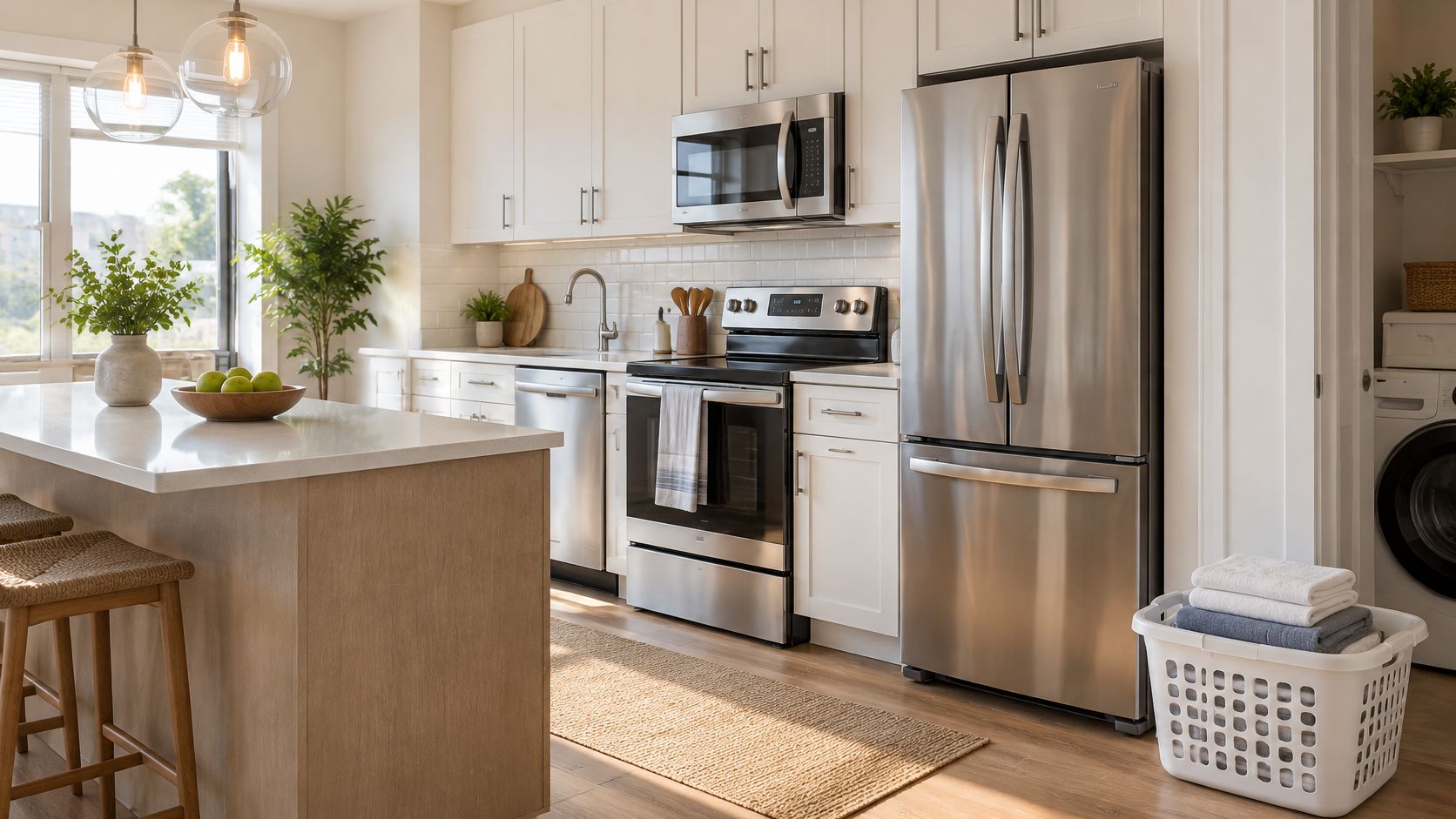
Practical rule: Lead with the feature your likely renter will search for, then connect it to everyday use.
For example: “Updated kitchen with stainless steel appliances and a central island, giving you prep space for weeknight meals.” Or: “Off-street parking for one car, so you won't need to search for street parking after work.” The benefit should follow naturally from the feature. Don't promise a result you can't guarantee, such as “stress-free parking” if spaces are shared or availability varies.
SEO placement: Put the property type, bedroom count, and city or neighborhood in the opening sentence. Use a specific feature phrase, such as “in-unit washer and dryer” or “off-street parking,” where it fits naturally. Avoid repeating the same keyword in every sentence.
Compliance check: Confirm each amenity, finish, and policy against the unit and lease. Replace “spacious” with a measured area when you have reliable measurements. Don't let an AI draft turn a feature into an unsupported claim about the property or its surroundings.
Adaptable AI prompt: “Write a rental description of about 270 words using only these verified facts: [bedrooms, location, measurements, features, policies]. Pair each feature with a practical renter benefit. Put [priority feature] first. Don't invent details, use demographic language, or make claims that aren't in the facts.”
2. Concise MLS-Style Bullet Description
Target length: about 270 words, though a particular listing platform may require a shorter version. A field-based format helps renters scan the essentials and makes it easier to keep details consistent when posting across multiple sites.
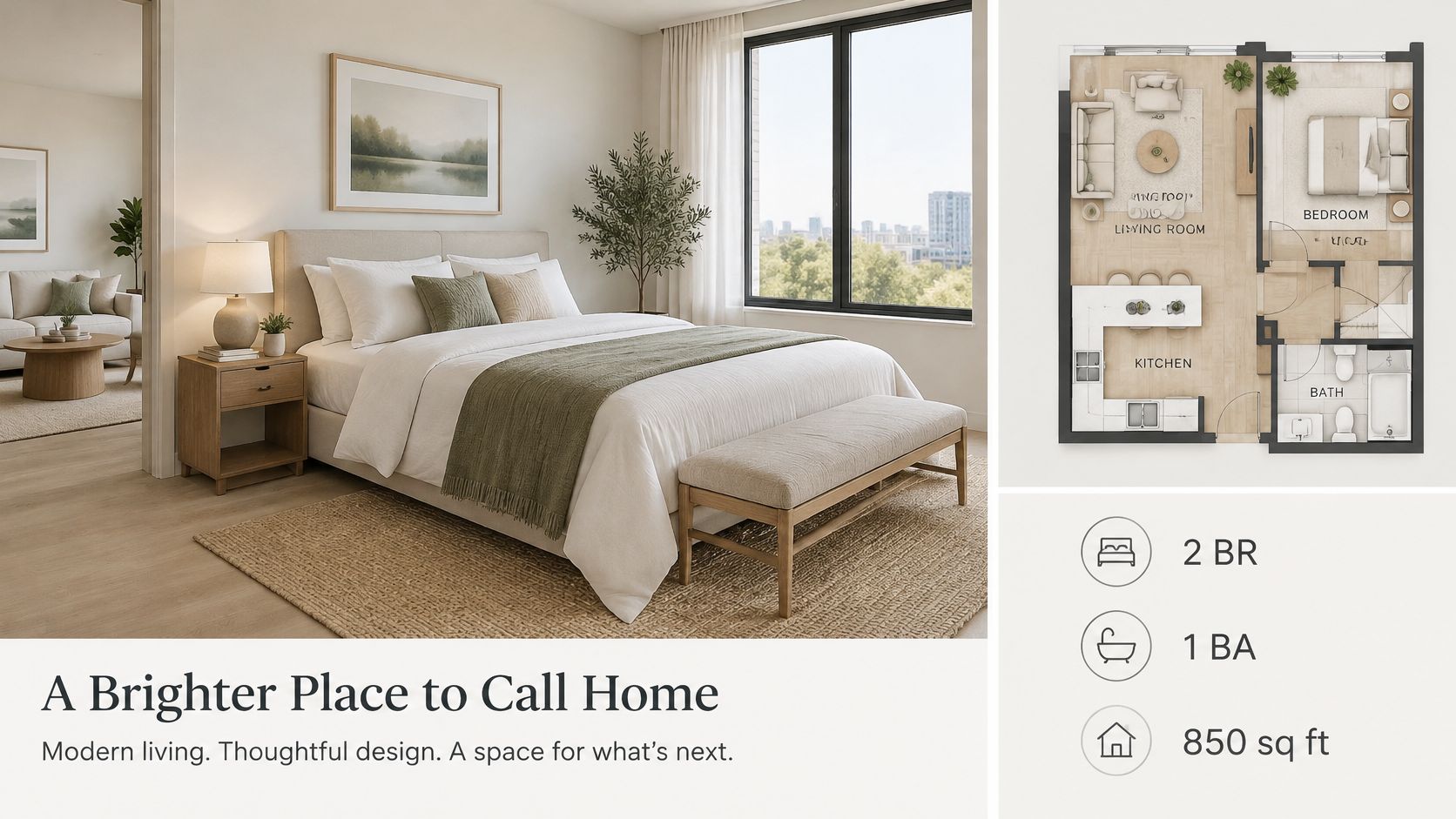
A compact example might read: “Two-bedroom, one-bath apartment. Hardwood floors. Washer and dryer hookups. Gas heat. Water and trash included. Pets considered under the written policy.” Add verified square footage, parking details, and available date if the platform and your records support them.
SEO placement: Put the main search terms in the first sentence: rental type, bedroom count, and location. Keep important included services near the top rather than burying them after a string of abbreviations. Spell out terms on first use if renters might not recognize them.
Use the same field order for each listing you manage. A repeatable order, such as rooms, size, laundry, utilities, parking, and pet policy, helps you catch omissions and lets prospective renters compare the details quickly. For practical guidance on structuring rental copy, see this guide to writing a rental listing.
Compliance check: Keep every fact current and use the same wording across platforms. “Pets considered” should match the actual policy, not suggest approval is automatic.
Adaptable AI prompt: “Format these verified facts as a concise, scan-friendly rental listing: [facts]. Use this order: bedrooms and bathrooms, size, appliances, utilities, parking, pet policy. Expand abbreviations on first mention. Do not add missing details or make claims about who should rent the unit.”
3. Neighborhood and Lifestyle Description
A location-focused description can help renters judge whether the property fits their routine. Say what's nearby and how to reach it, rather than describing the people who live there.
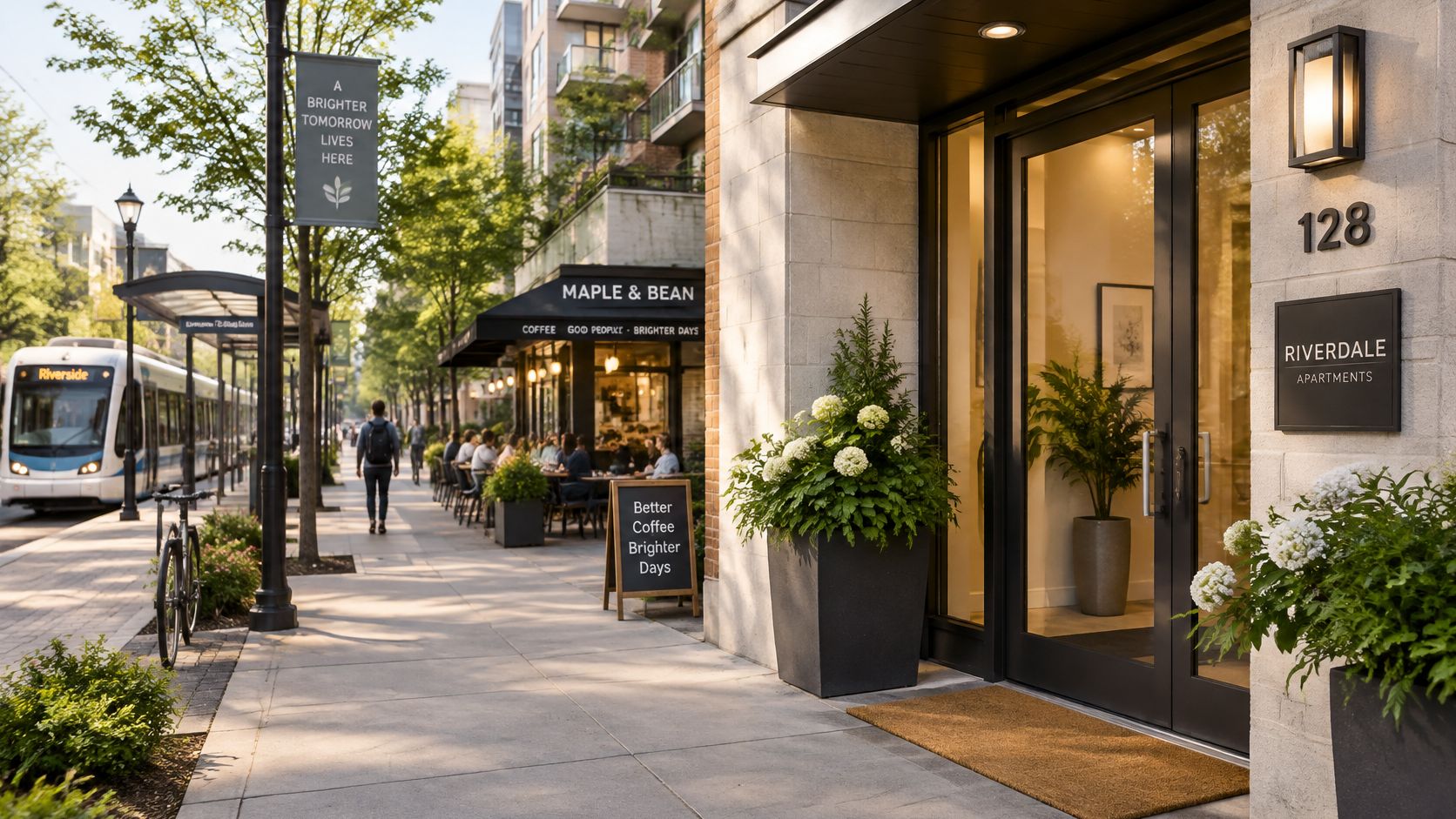
For example: “The apartment is near the Maple Street light rail stop, with a weekend farmers market a short walk away.” If you use a travel time or distance, check it yourself and state the starting point and method clearly. Walking time can change with the route, construction, or pace, so don't present an estimate as a guarantee.
Target length: about 270 words. Give the home's own features priority, then add a few useful location details. A long directory of nearby places distracts from the unit and goes out of date quickly.
SEO placement: Use the city or neighborhood name naturally near the beginning. Add factual location terms renters may search, such as a transit stop or nearby park, only when they're accurate and relevant.
Compliance check: Describe amenities and access, not resident demographics or a preferred type of neighbor. Avoid phrases that signal who belongs in an area. Recheck routes and nearby businesses before renewing an old listing.
“A useful location detail answers a renter's practical question. It doesn't guess who they'll meet there.”
Adaptable AI prompt: “Write about the property and these verified nearby places: [location facts]. Use the neighborhood name once naturally. Describe transit, shops, parks, and services accurately. Do not characterize residents, claim a place is safe or ideal, or invent distances and travel times.”
4. Storytelling Description
A short narrative can help renters picture a distinctive feature in use. Keep it anchored to something they can verify, such as morning light from an east-facing window or a private balcony that opens from the living room.
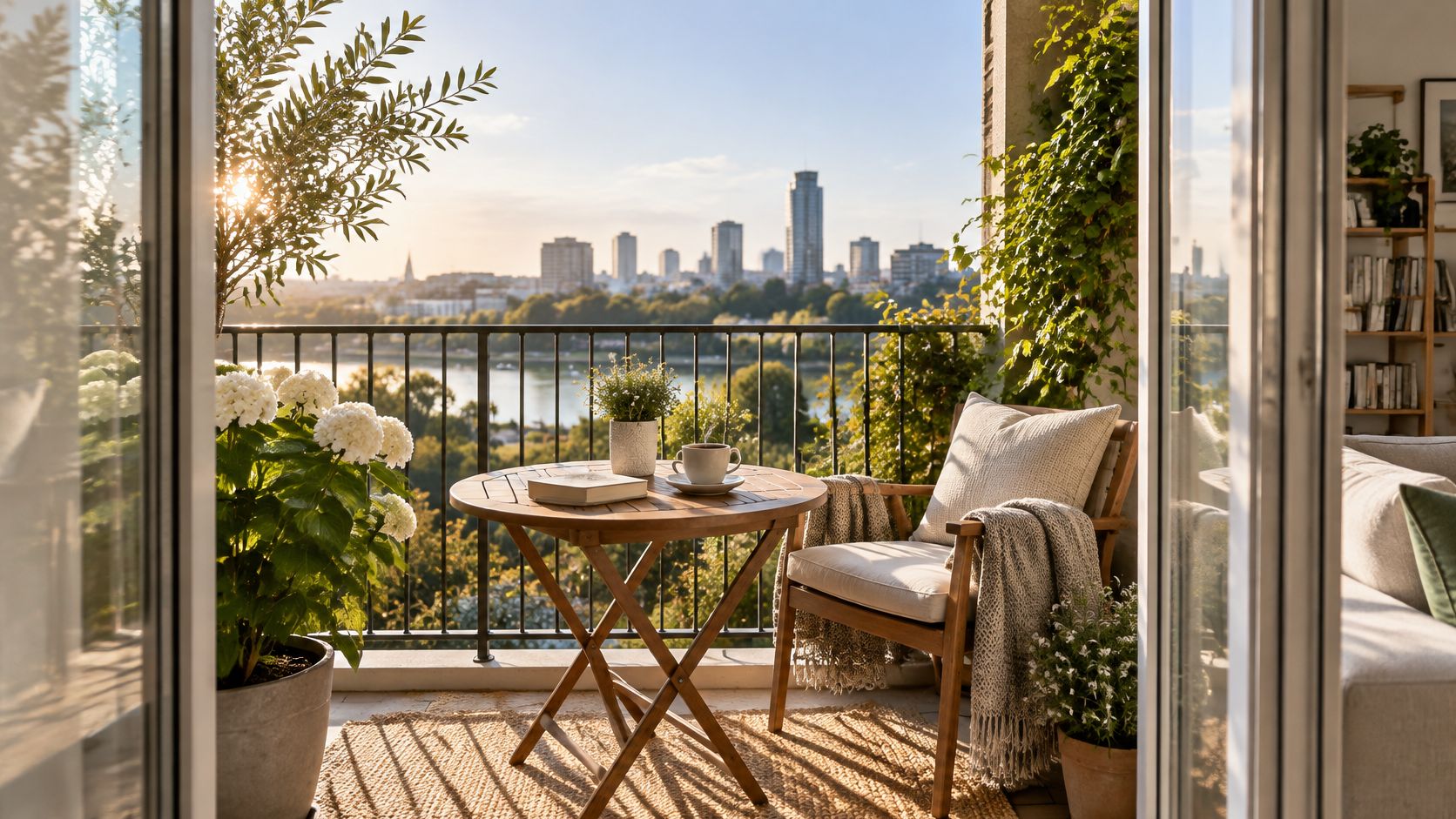
One example: “Start the day with sunlight through the east-facing windows, then step onto the private balcony with your coffee. Inside, the living room connects to the kitchen, with two bedrooms and one bathroom down the hall.” The first sentence gives a sense of the space; the second returns to concrete facts.
Target length: about 270 words. The narrative doesn't need to fill every available line. For a straightforward unit, a few vivid sentences alongside the facts are usually more useful than a long imagined routine.
SEO placement: Put the property type, bedroom count, and location in the opening or closing paragraph. Don't make the keyword placement so conspicuous that it interrupts the description.
Compliance check: Don't write a fictional scene that assumes a renter's household, habits, or needs. “A sunny nook beside the window” describes a feature; “the perfect place for a young couple” describes a preferred occupant. Keep the line clear.
Adaptable AI prompt: “Draft a rental description of about 270 words using only these confirmed details: [facts]. Open with one distinctive physical feature and connect it to a plausible everyday use without assuming who will rent the home. Include the key specifications in a separate sentence. Avoid invented views, routines, or amenities.”
5. Pet and Policy-Focused Description
Put important lease conditions where renters can find them before they apply. A clear policy description can reduce avoidable misunderstandings, but it must match the signed agreement and applicable rules.
For example: “Cats are permitted under the written pet policy. Contact the landlord about dog restrictions before applying. The lease also sets out the smoking policy, parking terms, and utilities included in rent.” Use exact terms for deposits, fees, limits, and approval conditions only after checking the current lease.
Target length: about 270 words. You don't need to spend the whole description on rules. Lead with the most decision-relevant policies, then explain the unit's features and location.
SEO placement: Include the property type and location near the start. If pets are a key search consideration, state the actual policy plainly in the first part of the listing, rather than relying on “pet-friendly,” which may be too vague.
Compliance check: Assistance animals aren't pets, so don't apply pet fees or weight limits to them. Keep that distinction clear and have local counsel review policy language where rules may vary. Compare your wording with the signed lease before posting. For help distinguishing common charges, consult this guide to pet deposits and pet fees.
Adaptable AI prompt: “Write a rental description of about 270 words from these facts and exact lease terms: [details]. State pet, smoking, parking, and utility policies accurately and neutrally. Do not treat assistance animals as pets, invent fees, or describe a preferred renter.”
6. Investor and Income-Focused Description
When marketing a rental property to potential investors, distinguish what the records show from what you expect a buyer might achieve. That separation makes the description more credible than a headline built around projected returns.
A sample might read: “Four-unit building with separate utility meters. Current rent roll and operating records are available for review. The roof was replaced in 2022; ask for the supporting documentation. Income figures reflect the records dated [date], while any future rent assumptions are projections.” The sample date is a fill-in field, not a claim about a real property.
Target length: about 270 words. Use the space to explain the building, documented upgrades, current income information, and what records are available. Don't inflate the copy with financial language that the records can't support.
SEO placement: Identify the property type and location early. Use terms such as “multifamily building” or “separately metered units” only if they accurately describe the property and suit the audience.
Compliance check: Support financial claims with a rent roll, ledger, or other relevant records. Date the figures and label income as actual or projected. Keep the description consistent with the documents you provide to interested buyers.
Adaptable AI prompt: “Draft an investor-facing property description using only these verified records: [property facts, dated rent roll, expenses, documented upgrades]. Clearly separate actual figures from projections, include the record date, and flag any missing information instead of filling it in. Do not promise a return.”
7. Accessibility and Feature-Specific Description
Describe access features in measurable, objective terms. Renters shouldn't have to infer whether there's a step at the entrance or whether a bathroom feature is present from a broad phrase like “accessible home.”
For example: “Step-free path from the parking area to the entrance. The bathroom doorway measures 32 inches wide. The shower has grab bars.” Use measurements only after checking them, and explain what isn't confirmed. A feature description isn't a guarantee that a dwelling meets every accessibility standard or a particular person's needs.
Target length: about 270 words. Include the details renters may need to assess access before arranging a viewing: entrance route, doorways, bathroom features, elevator availability, parking, lighting, and any known barriers. Offer a floor plan or video walkthrough if you have one, and make sure it represents the current unit.
SEO placement: Add the city or neighborhood and property type in the opening, then use specific feature terms where relevant. Don't use “accessible” as a blanket label unless the claim is accurate and appropriately supported.
Compliance check: Measure and document features. Avoid suggesting that only certain people should apply, and don't infer a renter's requirements. Guidance on accessible image descriptions and listing details can help make visual information more useful for people using assistive technology.
Clear bathroom details also matter for renters comparing storage, fixtures, and movement around the room. These bathroom storage ideas can help you identify useful features to describe without making assumptions about who needs them.
Adaptable AI prompt: “Write a factual description of these measured features: [entrance, route, doorway widths, bathroom, elevator, parking, lighting, known barriers]. Separate confirmed facts from unknowns. Don't call the entire dwelling accessible unless that claim is verified, and don't assume a renter's needs.”
8. Compliance-Aware Fair Housing Description
Fair-housing review applies to every listing style, including short bullets, warm narratives, and AI-generated drafts. Describe the home and its terms. Don't suggest a preference or limitation based on protected characteristics.
Replace “ideal for a quiet family” with “Two-bedroom unit with a fenced yard.” The second phrase gives a concrete property fact without signaling a preferred household. Likewise, describe proximity to a park or transit stop factually; don't imply that a home is suited to one age group, religion, family type, or other protected class.
Target length: about 270 words. That's enough room to explain the property and its terms clearly, but compliance isn't a separate paragraph you add at the end. Check every sentence, including headlines and captions.
SEO placement: Put the property type, bedroom count, and location in ordinary, factual language. Search terms don't justify wording that steers applicants toward or away from a home.
Compliance check: Review federal, state, and local requirements because protected categories and rules can vary by jurisdiction. Use a consistent review process for every listing. For help identifying common advertising risks, see this guidance on fair housing advertising rules.
Adaptable AI prompt: “Review this draft against the verified property facts and applicable fair-housing requirements: [draft and facts]. Remove language that expresses a preference for or against a protected group. Replace it with objective details about the property, location, and lease terms. Don't add new claims. Flag wording that needs human review.”
How the eight property description types compare
Use about 270 words for each type. That target keeps the keyword and location terms, the compliance check, and the AI prompt working the same way across the library. Shorter copy saves time. It also drops facts renters need to decide.
| Item | Typical Length | Best For | Main Drawback |
|---|---|---|---|
| Feature-Benefit Listing Description | About 270 words | Units with standout features | Can sound generic without measured facts |
| Concise MLS-Style Bullet Description | About 270 words, in short bullets | Fast scanning and multi-platform listings | Less persuasive, abbreviations may confuse |
| Neighborhood and Lifestyle Description | About 270 words, split between unit and area | Rentals where location is a major selling point | Area claims must stay accurate and avoid steering language |
| Storytelling Description | About 270 words, as a brief narrative | Unique or characterful properties | Can bury key facts and is hard to produce consistently |
| Pet and Policy-Focused Description | About 270 words, policies up front | Clarifying lease rules and filtering mismatched applicants | Strict terms can cut inquiries, review for fair housing risk |
| Investor and Income-Focused Description | About 270 words, with operating detail | Multifamily or single-family rentals marketed to investors | Requires accurate, documented financials |
| Accessibility and Feature-Specific Description | About 270 words, with measurements | Helping renters assess fit before visiting | Requires verified measurements and plain terms |
| Compliance-Aware Fair Housing Description | About 270 words, neutral wording throughout | Keeping listings neutral and reducing legal risk | Requires line review, rules out common marketing phrases |
I recommend you pick one row as the base, then borrow one move from another. A feature-led draft with the policy block up front covers most vacancies without a rewrite.
Turn These Templates Into a Listing Routine
Start by choosing the format that fits the property and the platform. A feature-and-benefit description works when the home has strong practical amenities. Bullets suit renters who need to scan the essentials. A neighborhood-led format helps when transit or nearby services are central to the property's appeal. You can combine approaches, but keep the core facts easy to find.
Write from records, not memory. Confirm the bedroom count, measurements, appliances, included utilities, pet policy, parking terms, and location details before drafting. For investor listings, date financial figures and separate documented income from projections. For accessibility details, verify measurements and describe known barriers as carefully as the features.
Use AI to organize facts, not to supply them. Give it the confirmed details, specify the word-count target, and tell it to avoid demographic language and unsupported claims. Then read the finished draft line by line. Check every amenity, travel time, policy, and financial statement against its source. A polished sentence can still be wrong.
Keep the listing current: Update it when the lease terms, availability, nearby routes, or other described details change.
Standardize the process across your vacancies. Save a preferred field order and review prompt, then use the same accuracy and fair-housing review for each listing. That reduces repeated work and helps applicants compare homes based on clear information. If you're preparing a property for photos or a walkthrough, these home staging tips for local realtors can help you present the space clearly.
VerticalRent lets landlords post vacancy listings for free, and its lease language is lawyer-reviewed state by state. Use the same policy wording in the listing and the signed agreement, then republish the description when the facts change.
VerticalRent helps landlords turn property details into SEO-optimized listing copy and manage rental tasks in one platform. Build your description from verified features, then visit VerticalRent to post a vacancy listing for free.
Put this into practice
VerticalRent tools related to this guide
Legal Disclaimer
VerticalRent and its authors are not attorneys, CPAs, or licensed legal or financial advisors, and nothing on this site constitutes legal, tax, or professional advice. The information in this article is provided for general educational purposes only. Landlord-tenant laws, eviction procedures, security deposit rules, and tax regulations vary significantly by state, county, and municipality — and change frequently. Nothing on this site creates an attorney-client relationship. Always consult a licensed attorney or qualified professional in your jurisdiction before taking any action based on information you read here.
Co-founded VerticalRent in 2011, growing it from nothing to 100k landlords and renters. Sold it in 2019, then re-acquired it in 2026 to make it better than ever.


