Protect Your Rental: Landlord Insurance Coverage
Protect your rental with landlord insurance coverage. Understand property, liability, costs, and exclusions to find your best policy.

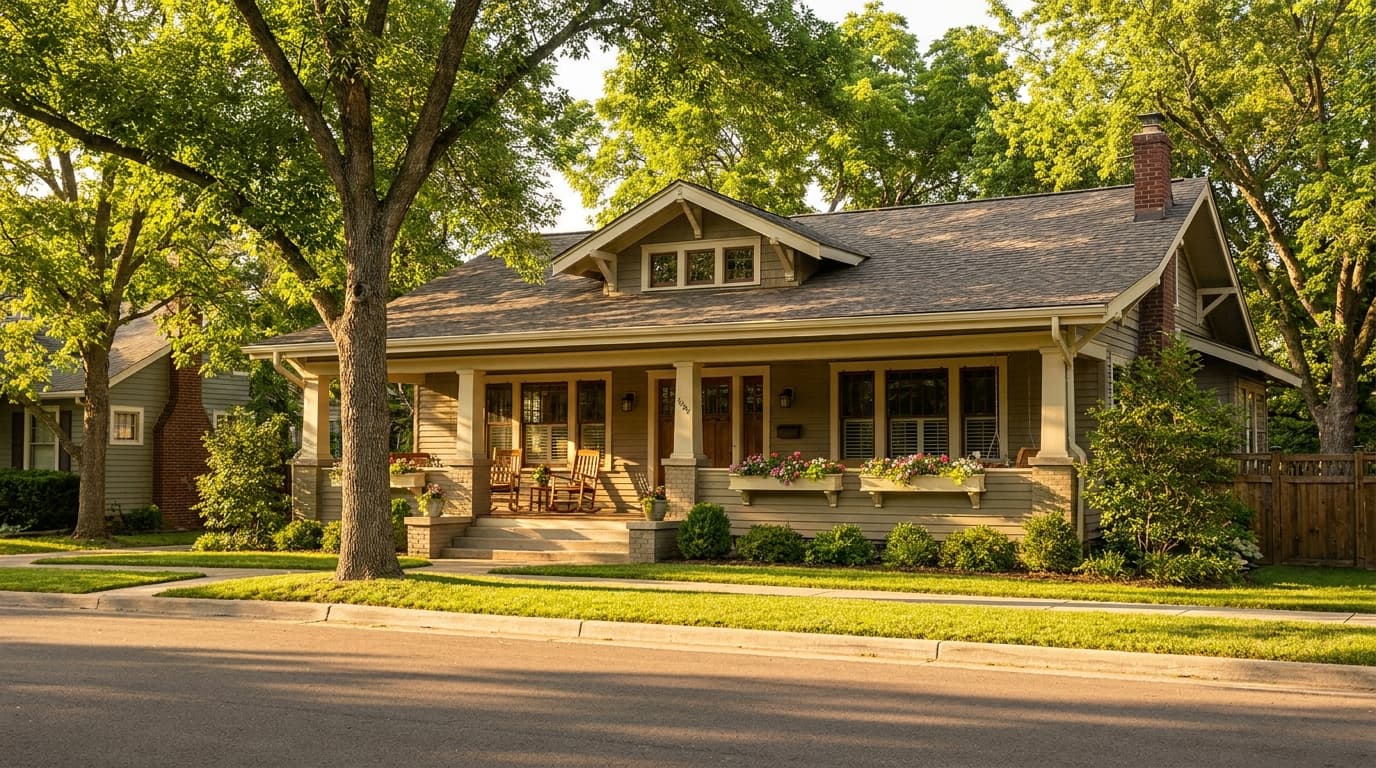
The cost of property insurance has changed from background noise to a real operating expense. For apartment buildings, the U.S. Federal Reserve found average monthly property insurance cost rose from $39 per unit in 2019 to $68 per unit in 2024, a jump of more than 75% in real terms, according to the Federal Reserve analysis on rising property insurance costs. If you're a small landlord, that should change how you think about insurance. It isn't just a box to check for your lender. It's part of your profit model.
Most new landlords shop for a policy by asking one question: "Does it cover the house?" That question is too narrow. The harder question is whether your landlord insurance coverage still works when the property sits empty between tenants, when a regional disaster makes the unit unlivable but the cause isn't covered, or when a claim lands in the gray area between maintenance and sudden damage.
I've seen owners buy a policy that looked fine on the declarations page, then learn too late that the weak point wasn't the roof or the liability limit. It was the fine print around vacancy, water, habitability, or lost rent. Good landlord insurance coverage protects the building, your liability, and your income. Great coverage also closes the quiet gaps that hurt small landlords the most.
The Three Pillars of Landlord Insurance Coverage
Landlord insurance coverage works like a three-legged stool. Remove one leg and the whole thing gets unstable. Most standard rental-property policies are built around three core protections: the structure, your liability, and your rental income.

Property coverage protects the shell and systems
Start with the building itself. Property coverage is the part that protects the shell and systems of the investment. Think roof, walls, flooring, built-in cabinets, plumbing, wiring, attached structures, and other permanent parts of the rental.
A useful mental model is this: if you picked the house up and shook it, whatever stays attached is usually the landlord's side of the insurance equation. That's what you're trying to insure. You're not buying protection for the tenant's couch, laptop, or clothes.
A commonly cited policy package can include dwelling coverage of $844,000, contents coverage of $5,000, fair rental value coverage of $168,800, and personal liability coverage of $1,000,000, which shows how these policies are designed to protect both the building and the income stream tied to it, as outlined in this landlord insurance cost and coverage breakdown.
Liability coverage is your legal shield
Liability coverage protects you when someone claims your property conditions caused injury or damage. If a tenant slips on an icy step, a handrail fails, or a guest is injured because a maintenance issue wasn't handled properly, this is the coverage that steps in for defense costs and potential damages within the policy terms.
Practical rule: Property coverage repairs the asset. Liability coverage protects your balance sheet.
New landlords often underappreciate this leg of the stool because they focus on fire, storm, and vandalism. In practice, liability is often the coverage that keeps one bad incident from becoming a personal financial problem. If you own rentals and your net worth is growing, it's also worth reviewing whether a separate umbrella insurance option for landlords makes sense above the base policy.
Loss of rent keeps the business running
The third pillar is loss of rental income, sometimes called fair rental value or loss of rents. This is the business-interruption piece for a landlord. If a covered event makes the unit uninhabitable, this coverage can replace the rent you would've collected while repairs are being completed.
That matters because the mortgage doesn't pause just because the tenant had to move out. Taxes don't pause either. Neither do utilities, cleanup decisions, or contractor invoices.
Here is the simple way to think about the three pillars together:
| Pillar | What it protects | Real-world purpose |
|---|---|---|
| Property | The building and attached features | Pays to repair covered physical damage |
| Liability | You, as owner | Defends against injury and damage claims |
| Loss of rent | Your income stream | Replaces rent after a covered loss |
A landlord policy isn't just house insurance. It's asset insurance, lawsuit insurance, and cash-flow insurance bundled together.
If one of those legs is thin, the policy may still look complete on paper while leaving you exposed where it hurts most.
Landlord vs Homeowners and Renters Policies
One of the most expensive misunderstandings in rentals is thinking these policies overlap enough to substitute for each other. They don't. They serve different people and different property uses.

Three policies, three jobs
A homeowners policy is built for a primary residence occupied by the owner. It assumes the person paying the premium also lives there, stores their belongings there, and uses the home for personal residential purposes.
A landlord policy is built for a non-owner-occupied income property. The property is no longer just a place to live. It's a business asset producing rent, carrying tenant-related liability, and needing income protection if a covered loss interrupts operations.
A renters policy belongs to the tenant. It typically protects the tenant's personal property and their personal liability. It doesn't insure the building for you.
That split matters because many disputes start with a simple wrong assumption. The landlord thinks the tenant's belongings are covered under the landlord policy. The tenant thinks the owner's policy will pay for their damaged furniture. Both can be wrong.
The mistake that causes claim trouble
When a house changes from owner-occupied to tenant-occupied, the insurance conversation should change too. If you keep the wrong policy type in place, you create friction at claim time because the occupancy and use don't match the underwriting assumptions.
Use this as a clean rule set:
- Landlord policy: For the structure, owner liability, and covered loss of rental income.
- Homeowners policy: For your own primary home and personal belongings there.
- Renters policy: For the tenant's belongings, temporary living costs, and their personal liability.
If the tenant asks, "Will your insurance cover my stuff?" the right answer is usually no. They need their own renters policy.
Good lease drafting reinforces this division of responsibility. Spell out who insures the building, who insures personal property, who handles liability for tenant negligence, and whether renters insurance is required as a lease condition. That clarity prevents bad assumptions long before a claim happens.
Decoding Your Policy Costs Deductibles and Limits
Insurance costs more than many new landlords expect. The Insurance Information Institute notes that landlord or rental dwelling coverage is generally about 25 percent more expensive than homeowners insurance because a non-owner-occupied property brings a different claim profile, from tenant-caused damage to longer loss discovery windows, as explained in the III's overview of insuring a home you rent to others.
That price gap matters, but the bigger issue is how the policy is built. Two landlords can pay similar premiums and have very different claim outcomes because one accepted a cosmetic roof limitation, a percentage wind deductible, or a dwelling limit that would not cover a full rebuild after a serious fire.
If your property is in a hail-prone area, roof terms deserve a close look before you focus on price alone. A roof claim often turns on age, surfacing material, and whether the carrier pays replacement cost or actual cash value. This guide on roof insurance for hail damage gives a useful overview of how that part of the claim process usually works.
Deductibles control your cash exposure
A deductible is your first layer of loss. The policy starts helping only after you pay that amount on a covered claim.
That sounds simple until weather claims enter the picture.
Many landlords assume they have one flat deductible, such as $1,000 or $2,500. Some policies use a separate wind or hurricane deductible based on a percentage of the insured value. On a house insured for $350,000, a 2 percent wind deductible means you are writing the first $7,000 of that claim. Small landlords miss this all the time because the premium page looks acceptable and the deductible language is buried deeper in the forms.
Use a deductible that matches your reserves, not your optimism:
- Lower deductible: Better for landlords with limited cash buffer or older properties that may produce mid-sized claims.
- Higher flat deductible: Better for owners who want to trim premium and can absorb more repair cost without disrupting operations.
- Percentage deductible: Common in storm-prone areas, but it can hit cash flow hard after a roof, siding, or major wind loss.
A good rule is straightforward. If paying the deductible would force you to use high-interest credit or delay repairs, it is probably set too high.
Limits decide whether the policy can actually carry the loss
Coverage limits are the ceiling on what the insurer may pay. If that ceiling is too low, the policy can fail even when the claim itself is covered.
The dwelling limit gets the most attention, and it should. Market value and rebuild cost are not the same thing. A rental bought cheaply in an older neighborhood can still cost far more to reconstruct than the purchase price suggests. Labor shortages, local code upgrades, debris removal, and material inflation can widen that gap fast after a regional storm.
Liability limits deserve the same scrutiny. A severe dog bite, stair fall, or fire spreading to a neighboring property can burn through a low liability limit much faster than many first-time landlords expect. Umbrella coverage may be worth pricing if you have meaningful equity, multiple units, or other assets to protect.
Loss-of-rents coverage also belongs in this conversation. The cheapest quote often trims it or sets a weak limit. That saves premium on paper but leaves you paying the mortgage, taxes, and utilities yourself during a long repair period.
Cheap insurance usually means you kept more risk than you realized.
When reviewing quotes, compare four items side by side: the deductible structure, the dwelling limit, whether roof and water claims are settled at replacement cost or depreciated value, and the loss-of-rents limit. Premium matters. Policy design determines whether the coverage helps your rental business stay profitable after a bad month.
Critical Exclusions and Hidden Gaps to Find
Many landlords think the dangerous exclusions are the obvious ones. Flood. Earthquake. Maybe mold. Those matter, but the nastiest surprises often hide in situations that feel ordinary.
Vacancy is where many policies get slippery
The biggest blind spot for small landlords is often vacancy. Policies can reduce or suspend coverage after about 30 to 60 days of the property being empty, as discussed in this analysis of landlord insurance failures and vacancy traps.
That catches owners during normal operations, not just extreme events. Tenant moves out. You repaint, replace flooring, and wait for a new lease. A pipe leaks during that window. A vandal breaks in. A small fire starts from an electrical issue. You assume you're covered because you paid the premium and the policy is active. Then the carrier points to the vacancy clause.
A vacant unit isn't just producing no rent. It may also be sitting in a reduced-coverage zone.
Read the occupancy language carefully. Don't rely on the phrase "vacant" alone. Some policies treat furnished but unoccupied units differently from empty ones. Some care about renovation status. Some apply different rules if utilities are off. Ask the carrier or broker to explain the exact trigger in plain English.
Use a turnover checklist for insurance, not just for paint and locks:
- Confirm the vacancy clock: Ask when reduced coverage starts and what events are affected.
- Report extended downtime: If the unit will sit empty for repairs or leasing delays, tell the insurer before the clock runs out.
- Check loss-of-rent interaction: Some owners assume rent-loss protection continues during vacancy, but occupancy status can change how that part functions.
- Document inspections: If the property is empty, keep a record of walkthroughs, utility status, and maintenance activity.
Other gaps that matter more than people expect
Water claims are another common trouble spot. Landlords often assume all water damage is treated the same. It isn't. Sudden internal water damage may be handled differently from sewer backup, seepage, drainage issues, or damage tied to long-term neglect.
Equipment breakdown creates similar confusion. A failed HVAC system or water heater can trigger a tenant habitability problem, but the policy may not treat mechanical failure the same way it treats fire or wind damage. The insurance question becomes less about "did something stop working?" and more about "what exactly caused the failure?"
Then there are liability gaps that don't look like classic premises claims. Tenant-on-tenant disputes, allegations tied to security failures, and claims built around poor documentation can become messy quickly. Insurance helps in some situations, but it won't fix weak management records.
The lesson is simple. Having insurance and understanding insurance aren't the same thing.
How Smart Management Reduces Your Insurance Risk
Insurance carriers don't just insure buildings. They insure operating habits. The cleaner your management process, the easier it is to show that a loss was sudden, documented, and not the result of neglect.

Documentation changes claims outcomes
Smart management starts with records. If a tenant reports a leak on Monday, you respond on Tuesday, and a plumber documents the repair on Wednesday, you've created a timeline that can help defend against negligence arguments later.
The same applies before you even place a tenant. Careful screening, written criteria, and complete files reduce the odds of avoidable disputes. Lease quality matters too. So does maintenance tracking. A vague verbal process leaves you with very little when a claim adjuster or attorney starts asking for dates, notices, invoices, and inspection history.
Drain problems are a good example. They often begin as small maintenance issues and become larger water or habitability disputes if ignored. For landlords buying older properties or inheriting uncertain plumbing conditions, the same logic behind why homebuyers need drain surveys applies to rentals too. Hidden line issues are easier to manage before they become claim-adjacent disasters.
Screening leases and maintenance all affect risk
Good operations reduce the chance that ordinary wear turns into an insurance event. They also help you present the property as a better risk to underwriters and agents when questions come up at renewal.
A disciplined process usually includes:
- Consistent screening: Verify applicant history the same way every time and keep records.
- State-specific leases: Use lease language that clearly assigns responsibilities and avoids sloppy ambiguity.
- Preventive maintenance logs: Keep proof of inspections, seasonal service, and tenant-reported repairs.
- Work-order history: Store vendor invoices, photos, and completion notes in one place.
One practical option is VerticalRent's preventive property maintenance checklist, along with platforms such as VerticalRent that combine tenant screening, lease generation, rent collection, and maintenance tracking in one system. For a small landlord, that kind of centralized recordkeeping can make it much easier to show due diligence if a claim turns contentious.
A short overview of insurance basics for rental owners can help frame the management side too:
Strong insurance starts before the claim. It starts with who you rent to, what you inspect, and what you document.
Landlords often think insurance is separate from operations. In practice, operations are what make the insurance usable.
State-Specific Rules and High-Risk Area Coverage
Geography can change the insurance conversation faster than anything else. The policy form may look familiar from state to state, but availability, exclusions, and pricing pressure can be completely different.
Availability can matter as much as coverage
California is the clearest example. Independent reporting notes that landlords there face sharply higher insurance costs and wildfire exposure, and it also notes a proposed FAIR Plan rate increase of more than 35% beginning in spring 2026, as explained in this discussion of California landlord insurance and coverage gaps.
The practical issue isn't just premium. It's whether a standard private-market policy is available at all, and what happens when a property becomes uninhabitable because of a disaster-related event that isn't covered by the policy. Loss of rental income only applies when the damage comes from a covered peril. That's the part many landlords miss.
If you're in a high-risk market, investigate local rules and common exposures before you shop. Start with a current review of state landlord law requirements by location, then ask your agent how local hazards affect policy form, endorsements, and back-up options such as FAIR Plans or other last-resort markets.
A landlord in wildfire territory, a coastal zone, or a severe-storm corridor shouldn't assume a "standard" quote is either available or sufficient. In some markets, insurability itself becomes part of the investment analysis.
A Landlords Checklist for Choosing a Policy
A landlord policy is only as good as the claim it will pay. The fastest way to choose poorly is to compare premiums without stress-testing the fine print for the problems that hit small landlords hardest: long vacancies, water losses, storm damage, and units that become unrentable for reasons the policy does not treat as a covered loss.

Use this checklist when comparing policies:
- Confirm dwelling valuation: Ask whether the limit reflects current rebuild cost, not market value or your purchase price. A cheap policy with an underbuilt dwelling limit can leave you funding the gap yourself after a major fire.
- Check claim settlement terms: Verify whether the policy pays replacement cost or actual cash value. Actual cash value works like getting paid for a used roof when you need to buy a new one.
- Ask for the vacancy clause in writing: Get the exact day count, usually tied to how long the unit is unoccupied, and ask which coverages are restricted after that point. This is one of the easiest ways a landlord loses protection without realizing it.
- Review liability limits against your exposure: Set the limit based on what you could lose in a serious injury claim, not just what a lender requires.
- Test loss-of-rent wording: Ask what events trigger payment, how long benefits can last, and whether civil authority orders, utility interruptions, mold, or ordinance issues are excluded. Loss of rent sounds broad, but it usually only applies after a covered property loss.
- Price endorsements before you decide: Request quotes for sewer or drain backup, equipment breakdown, water damage options, and any regional endorsements tied to wind, hail, wildfire, or flooding. These add-ons can change the value of a quote more than a small premium difference.
- Read exclusions slowly: Climate-related and water-related carve-outs are where many standard policies get thin. If a risk is common in your area, do not assume it is covered because it seems obvious.
- Ask who handles the claim: Find out whether claims are managed in-house or through third parties, and ask how depreciation, emergency repairs, and contractor estimates are handled. A policy can look fine on paper and still be frustrating during a real loss.
A good policy should hold up during a vacancy, after a bad storm, and during a disputed claim. That is the standard.
If you're managing rentals yourself, VerticalRent gives you one place to handle screening, leases, rent collection, and maintenance records so your insurance conversations start with cleaner documentation and fewer gaps.
Put this into practice
VerticalRent tools related to this guide
Legal Disclaimer
VerticalRent and its authors are not attorneys, CPAs, or licensed legal or financial advisors, and nothing on this site constitutes legal, tax, or professional advice. The information in this article is provided for general educational purposes only. Landlord-tenant laws, eviction procedures, security deposit rules, and tax regulations vary significantly by state, county, and municipality — and change frequently. Nothing on this site creates an attorney-client relationship. Always consult a licensed attorney or qualified professional in your jurisdiction before taking any action based on information you read here.
Co-founded VerticalRent in 2011, growing it from nothing to 100k landlords and renters. Sold it in 2019, then re-acquired it in 2026 to make it better than ever.


