Habitability Standards in New Hampshire: What Your Rental Must Legally Provide
New Hampshire renters have enforceable rights to safe, livable housing. Learn exactly what your landlord must provide under state law and what to do if they don't.

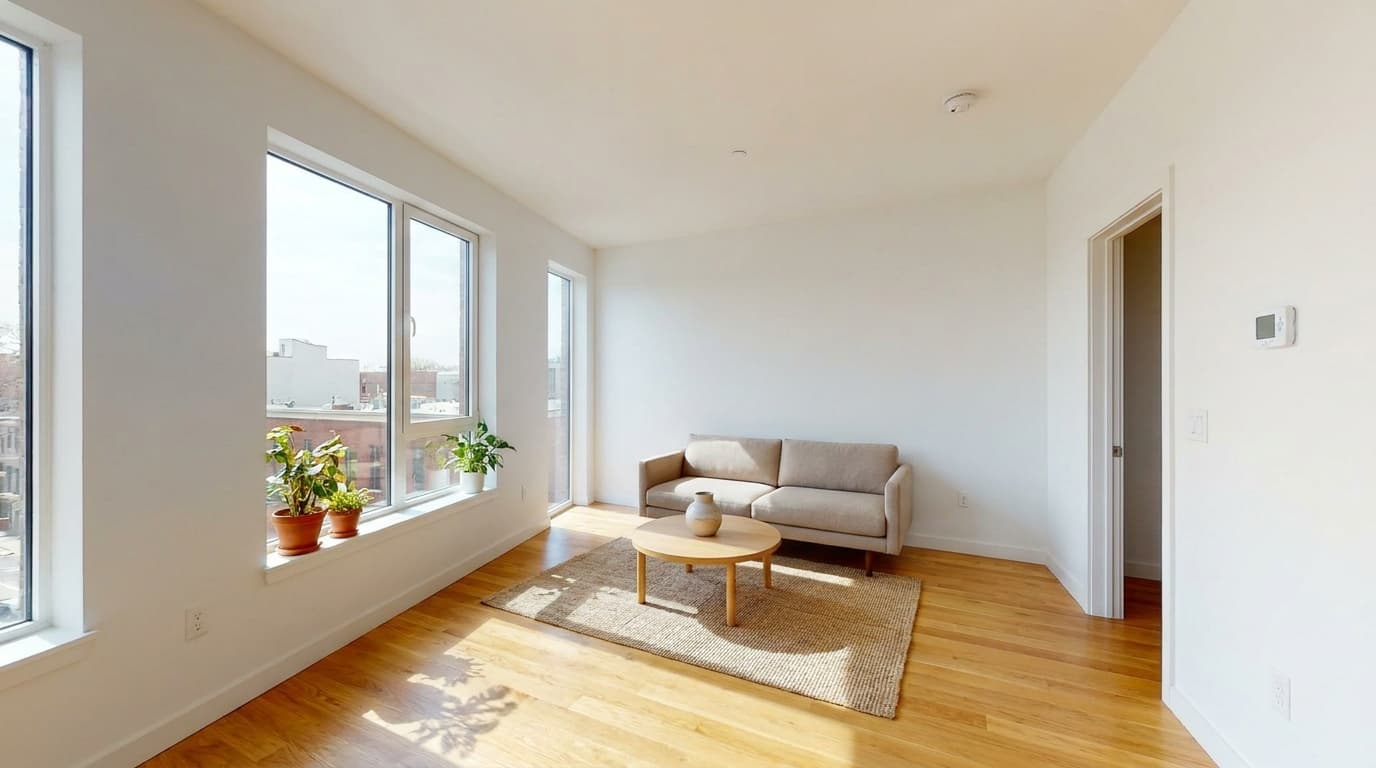
Nearly 30% of renter households in the United States live in housing with at least one significant physical problem — things like broken heating systems, leaking roofs, or pest infestations. In New Hampshire, where winter temperatures routinely plunge below zero and the rental market has tightened significantly over the past decade, knowing your legal rights to a habitable home is not just useful knowledge — it could protect your health, your safety, and your wallet. Yet a 2022 report from the National Low Income Housing Coalition found that many renters, particularly first-time renters and those new to a state, have no idea what their landlord is legally required to provide. This article breaks down exactly what New Hampshire law says your rental must include, what happens when a landlord falls short, and what steps you can take to protect yourself.
The Implied Warranty of Habitability in New Hampshire
The foundation of renter protections in New Hampshire — and in most states — is the implied warranty of habitability. This is a legal doctrine that exists automatically in every residential lease, even if the lease says nothing about it and even if you signed a lease that tried to waive it. In New Hampshire, the implied warranty of habitability is codified primarily under RSA 540-A (the landlord-tenant interference statute) and RSA 48-A (the housing standards statute), as well as through case law developed over decades in New Hampshire courts. The core principle is straightforward: when a landlord rents you a home, they are legally promising — without having to say so out loud — that the unit is fit for human habitation and will remain so throughout your tenancy. If they fail to uphold that promise, you have legal remedies.
New Hampshire's approach to habitability is somewhat less prescriptive than states like California or New York, which have long, itemized statutory checklists. Instead, New Hampshire courts look at the totality of conditions and ask: does this rental meet minimum standards of health and safety for human beings to reasonably live in it? That said, there are specific conditions and systems the law does address directly, and local municipalities — particularly Manchester, Nashua, and Concord — often layer on additional requirements through local housing codes.
Core Requirements: What New Hampshire Law Mandates
Structural Integrity and Safety
Under RSA 48-A and the New Hampshire Code of Administrative Rules, residential rental units must maintain structural integrity. This means the roof, walls, floors, ceilings, staircases, and foundation must be in good repair and free of conditions that create a risk of physical harm. A landlord cannot rent you a unit with a rotting staircase, a roof that actively leaks into living areas, or floors so damaged they create a falling hazard. These are not just aesthetic problems — they are legal violations.
- Roof and exterior walls must keep out rain, snow, and wind
- Floors, stairways, and railings must be structurally sound and safe to use
- Ceilings must not have active water intrusion or structural collapse risk
- Windows and exterior doors must close, lock, and seal properly
- Basements and crawl spaces must not have standing water or conditions that threaten the structure above
Heating: The Critical New Hampshire Standard
In a state where average January low temperatures in Concord hover around 10°F, heating is not a luxury — it is a life-safety requirement. New Hampshire law is clear on this point. Under RSA 48-A:14, landlords are required to provide and maintain heating facilities capable of maintaining a minimum indoor temperature of 65°F in all habitable rooms during the heating season (which in New Hampshire effectively runs from September through May). Some local codes are stricter: Manchester's housing code requires a minimum of 68°F during occupied hours. If your heat fails in January and your landlord refuses to repair it within a reasonable time — courts have generally interpreted 'reasonable' as 24 to 72 hours for emergency heating failures in winter — you have the right to take action.
⚠️ Critical Winter Reminder: If your heat fails during a New Hampshire winter and your landlord does not respond within 24–72 hours, this is considered an emergency habitability violation. Document everything in writing immediately and contact your local code enforcement office.
Plumbing, Hot Water, and Sanitation
New Hampshire law requires that all rental units have working plumbing connected to a lawful water supply — either a municipal system or an approved private well — and to a lawful sewer or septic system. The water supply must provide both hot and cold running water. Hot water must reach a minimum temperature of 110°F at the tap under New Hampshire housing codes, and many local codes require 120°F. Every unit must have at least one functioning toilet, one sink with hot and cold water, and a bathing facility (tub or shower). Plumbing that chronically backs up, leaks inside walls (creating mold risk), or fails to deliver adequate water pressure is a habitability issue, not merely an inconvenience.
- Working toilet in good operating condition — no chronic backups or leaks
- Sink with hot and cold running water in kitchen and bathroom
- Bathtub or shower with hot and cold water
- Hot water heated to at least 110°F (many local codes require 120°F)
- Plumbing connected to approved water source and waste disposal system
- No lead pipes delivering drinking water — older NH units may require inspection
Electrical Systems
Your rental must have electrical service adequate to safely meet the basic needs of a modern tenant. Under New Hampshire housing standards, this means properly installed wiring, functioning outlets, and electrical panels that are not a fire hazard. Exposed wiring, overloaded panels, outlets that spark or do not work, or lighting fixtures that pose a shock risk are all violations. New Hampshire adopted the National Electrical Code (NEC), which sets baseline standards for residential electrical installations. While landlords are not required to upgrade to the latest NEC edition every year, they are required to maintain existing electrical systems in safe, working condition.
Smoke and Carbon Monoxide Detectors
This is an area where New Hampshire law is very specific. Under RSA 153:10-a and the New Hampshire Fire Code, landlords are required to install smoke detectors in every dwelling unit. Specifically, smoke alarms must be installed on every level of the home, including basements, and inside or immediately outside each sleeping area. Carbon monoxide detectors are required in any unit that has a fuel-burning appliance (gas stove, oil furnace, wood stove, etc.) or an attached garage. These detectors must be functional at the start of each tenancy. After move-in, the tenant is generally responsible for replacing batteries — but the landlord is responsible for replacing malfunctioning detectors. Failure to provide working smoke and CO detectors is not just a habitability violation; it is a fire code violation that can result in fines for the landlord.
Pest and Rodent Infestations
Infestations of cockroaches, mice, rats, bedbugs, or other pests that the landlord was aware of — or that result from the condition of the building rather than tenant behavior — are a landlord's legal responsibility to address. New Hampshire courts have consistently held that pest infestations that existed prior to a tenancy, or that result from building deficiencies (gaps in walls, unsealed entry points, basement moisture problems), are habitability violations. According to the U.S. Department of Housing and Urban Development (HUD), pest infestations are among the top five habitability complaints filed by renters nationally. If you report an infestation in writing and your landlord ignores it for weeks, that is grounds for legal action.
Mold and Moisture
Mold is a growing area of habitability law across the country, and New Hampshire is no exception. While New Hampshire does not have a dedicated anti-mold statute (as of 2024), mold that results from landlord-caused conditions — like a leaking roof, leaking pipes inside walls, or inadequate ventilation in bathrooms — falls squarely under the implied warranty of habitability. The New Hampshire Department of Health and Human Services recognizes mold as a significant indoor air quality and health issue. Black mold (Stachybotrys chartarum) in particular can cause serious respiratory illness, neurological symptoms, and immune system suppression. If your landlord is aware of a mold problem caused by a structural deficiency and refuses to address it, that is a habitability violation you can act on.
Lead Paint: Special Protections for New Hampshire Renters
New Hampshire has one of the highest rates of older housing stock in the nation — more than 60% of New Hampshire homes were built before 1978, the year lead paint was banned for residential use. This matters enormously for renters, particularly families with young children. Under both federal law (the Residential Lead-Based Paint Hazard Reduction Act of 1992) and New Hampshire RSA 130-A, landlords renting pre-1978 housing must disclose the known presence of lead-based paint and provide tenants with the EPA's 'Protect Your Family from Lead in Your Home' pamphlet before signing the lease. New Hampshire goes further with RSA 130-A, which requires landlords of pre-1978 housing where a child under six resides — or is expected to reside — to conduct a lead inspection and certify that the unit is lead-safe. Violations of the lead paint disclosure and remediation requirements carry significant civil penalties and can give rise to tenant lawsuits for damages.
📋 Lead Paint Fast Fact: If you are renting a home built before 1978 in New Hampshire and have or expect to have a child under age 6, your landlord is legally required to provide proof of a lead inspection showing the unit is lead-safe. Ask for it before you sign.
Local Housing Codes: Manchester, Nashua, and Concord
State law sets the floor for habitability standards in New Hampshire, but cities and towns can — and often do — set higher standards through local housing codes. If you live in one of New Hampshire's larger cities, you may have additional protections worth knowing about.
Manchester
Manchester, New Hampshire's largest city, has a robust housing code administered by the Manchester Building Department. Manchester requires rental units to maintain minimum temperatures of 68°F during occupied hours and 65°F at all other times during the heating season. Manchester also has active code enforcement inspectors who can be called by tenants to inspect rental units, and the city maintains a rental housing registry that landlords must participate in. In recent years, Manchester has been proactive about addressing substandard housing conditions in older multi-family buildings in the city's core neighborhoods.
Nashua
Nashua, New Hampshire's second-largest city and a fast-growing rental market due to its proximity to the Massachusetts border, enforces the International Property Maintenance Code (IPMC) as adopted and amended locally. Nashua's code enforcement division responds to tenant complaints about heating failures, structural deficiencies, and unsafe electrical systems. Nashua also has specific requirements around exterior maintenance and common areas in multi-unit buildings — hallways, stairwells, and laundry facilities must be maintained in safe, clean condition by the landlord.
Concord
Concord, the state capital, enforces housing codes through its Code Enforcement Division. Concord's codes address everything from minimum ceiling heights in habitable rooms (7 feet) to natural light requirements (windows must provide natural light in all sleeping and living areas) to ventilation standards. Concord also has specific requirements around the maintenance of heating equipment — landlords must have heating systems inspected and serviced regularly and must be able to demonstrate that the system is in good working order.
What to Do When Your Rental Fails Habitability Standards
Knowing your rights is one thing. Knowing what to do when those rights are being violated is equally important. Here is a practical, step-by-step approach that New Hampshire tenants can follow.
- 1Document everything immediately. Take dated photos and videos of the problem. Write down when you first noticed it and any symptoms or impacts (illness, inability to use part of your home, etc.).
- 2Notify your landlord in writing. Send a written notice — email creates a dated paper trail — describing the problem in specific detail and requesting repair within a reasonable timeframe. For emergencies like heat failure, 24–48 hours is reasonable. For non-emergencies, 14–30 days is standard.
- 3Keep copies of all communications. If your landlord responds, save every text, email, and voicemail. If they do not respond, that silence is itself evidence.
- 4Contact local code enforcement. Every New Hampshire municipality has a code enforcement office. You can file a complaint, and an inspector will typically visit and issue a written violation notice to the landlord — creating an official record that protects you.
- 5Contact the New Hampshire Legal Aid Society. If your landlord retaliates against you for complaining, tries to evict you, or simply ignores verified code violations, the NH Legal Aid Society (1-800-639-5290) provides free legal assistance to qualifying low-income tenants.
- 6Understand your rent withholding options carefully. Unlike some states, New Hampshire does not have a straightforward 'rent escrow' statute that allows tenants to unilaterally withhold rent until repairs are made. Withholding rent in New Hampshire without court authorization can expose you to eviction. Consult an attorney before withholding rent.
- 7Consider a rent reduction claim or repair-and-deduct carefully. Some New Hampshire tenants have successfully negotiated rent reductions for uninhabitable conditions, and courts have in some cases allowed repair-and-deduct remedies. Again, consult an attorney before taking either step.
Retaliation Protections: You Cannot Be Punished for Complaining
Many tenants are afraid to report habitability problems because they fear their landlord will raise the rent, refuse to renew their lease, or begin eviction proceedings against them. New Hampshire law addresses this directly. Under RSA 540:13-a, it is illegal for a landlord to retaliate against a tenant for reporting housing code violations, contacting government agencies about habitability problems, or organizing with other tenants. If a landlord raises rent, reduces services, or begins eviction proceedings within six months of a tenant making a good-faith habitability complaint, New Hampshire law creates a presumption of retaliation — meaning the burden shifts to the landlord to prove they were not acting in retaliation. Retaliatory evictions are a defense you can raise in eviction court, and successful retaliation claims can result in the eviction being dismissed.
🛡️ Know This: Under RSA 540:13-a, if your landlord tries to evict you, raise your rent, or remove services within 6 months of a habitability complaint you filed in good faith, New Hampshire law presumes that action is retaliation. You have the right to raise this as a legal defense.
Security Deposits and Habitability: The Connection
There is an important connection between habitability conditions and your security deposit that many New Hampshire renters miss. Under RSA 540-A:6, landlords cannot withhold a security deposit to cover repairs for conditions that existed before you moved in, that resulted from normal wear and tear, or that resulted from the landlord's own failure to maintain the property. If your apartment had a mold problem that worsened because the landlord refused to fix a leaking pipe, the landlord cannot deduct from your security deposit for the mold remediation — that is their own failure. Document the condition of your unit at move-in with photos, and document any habitability issues you reported during your tenancy. This documentation protects you when it is time to move out. New Hampshire landlords must return your security deposit within 30 days of lease termination with an itemized written statement of any deductions.
How VerticalRent Helps Renters and Landlords Stay on the Right Side of Habitability Law
While this article is primarily written for renters, habitability issues are a two-sided problem — landlords who stay on top of maintenance avoid legal liability, retain good tenants, and protect their investment. VerticalRent's AI maintenance triage tool helps landlords and tenants communicate about maintenance issues clearly and efficiently. When a renter submits a maintenance request through the platform, the AI triage system assesses the urgency of the issue, flags potential habitability concerns, and helps ensure that emergency issues — like heat failures in winter — are escalated appropriately rather than lost in an inbox. For renters using VerticalRent-connected properties, this creates a documented, timestamped record of every maintenance request and landlord response — exactly the kind of paper trail that protects tenants if a habitability dispute ever goes to court or to a code enforcement agency.
Additionally, VerticalRent's AI lease generation tool produces state-compliant leases for New Hampshire landlords that clearly spell out maintenance responsibilities, habitability obligations, and the process for reporting repair needs — so both parties know their rights and obligations from day one. When lease terms are clear, habitability disputes are less likely to escalate into legal battles.
A Quick Reference: New Hampshire Habitability Checklist
Use this checklist when evaluating a rental before you sign — or when assessing whether your current unit meets New Hampshire's legal standards.
- Roof, walls, and foundation are structurally sound and weathertight
- All exterior doors and windows close, lock, and seal properly
- Heating system can maintain at least 65°F (68°F in Manchester) during heating season
- Working smoke detector on every floor and outside every sleeping area
- Working carbon monoxide detector if any fuel-burning appliance is present
- Hot and cold running water with hot water reaching at least 110°F
- Working toilet, sink, and bathing facility in good repair
- Electrical wiring and outlets in safe, working condition
- No active pest infestation attributable to building conditions
- No mold resulting from landlord-caused moisture or structural deficiencies
- Lead paint disclosure provided if unit was built before 1978
- Lead inspection certificate provided if a child under 6 will live in a pre-1978 unit
- Common areas (hallways, stairs, laundry) clean, safe, and well-maintained
- Adequate natural light and ventilation in all habitable rooms
Key New Hampshire Resources for Renters
- New Hampshire Legal Aid Society: 1-800-639-5290 | nhla.org — Free legal help for qualifying low-income renters
- NH Department of Health and Human Services: Indoor Air Quality and Mold resources at dhhs.nh.gov
- NH Fire Marshal's Office: Smoke and CO detector requirements at dos.nh.gov/safety/fire-safety
- Manchester Building Department Code Enforcement: (603) 624-6450
- Nashua Code Enforcement Division: (603) 589-3090
- Concord Code Enforcement Division: (603) 225-8580
- NH Housing Finance Authority: Information on tenant rights and renter assistance at nhhfa.org
Understanding your habitability rights as a New Hampshire renter is one of the most practical things you can do to protect yourself. The law is on your side — but only if you know what it says and take the right steps when problems arise. Document issues the moment they appear, notify your landlord in writing, contact code enforcement when necessary, and consult a legal aid attorney if you face retaliation or an eviction after reporting habitability concerns. A safe, livable home is not a favor your landlord does for you — it is a legal obligation they took on the moment they handed you the keys.
🏠 Renting should be simple, transparent, and fair. VerticalRent is built for exactly that. Whether you're a renter tracking maintenance requests or a landlord managing New Hampshire properties, VerticalRent's AI-powered platform keeps communication clear, documentation airtight, and compliance straightforward. Visit verticalrent.com to learn more — because everyone deserves a home that meets the law.
**Legal Disclaimer** *The information in this article is provided for educational purposes only and does not constitute legal advice. Tenant-landlord laws vary significantly by state, county, and city and may have changed since this article was written. VerticalRent is not a law firm and the author is not an attorney. If you have a specific legal situation, please consult a licensed attorney in your jurisdiction.*
Put this into practice
VerticalRent tools related to this guide
Legal Disclaimer
VerticalRent and its authors are not attorneys, CPAs, or licensed legal or financial advisors, and nothing on this site constitutes legal, tax, or professional advice. The information in this article is provided for general educational purposes only. Landlord-tenant laws, eviction procedures, security deposit rules, and tax regulations vary significantly by state, county, and municipality — and change frequently. Nothing on this site creates an attorney-client relationship. Always consult a licensed attorney or qualified professional in your jurisdiction before taking any action based on information you read here.
Co-founded VerticalRent in 2011, growing it from nothing to 100k landlords and renters. Sold it in 2019, then re-acquired it in 2026 to make it better than ever.


