The Eviction Process in Alaska: Your Rights as a Renter
Alaska has some of the strongest tenant protections in the nation, but renters must understand their rights to enforce them. This comprehensive guide walks you through Alaska's eviction laws, timelines, notice requirements, and what to do if you face unlawful eviction.

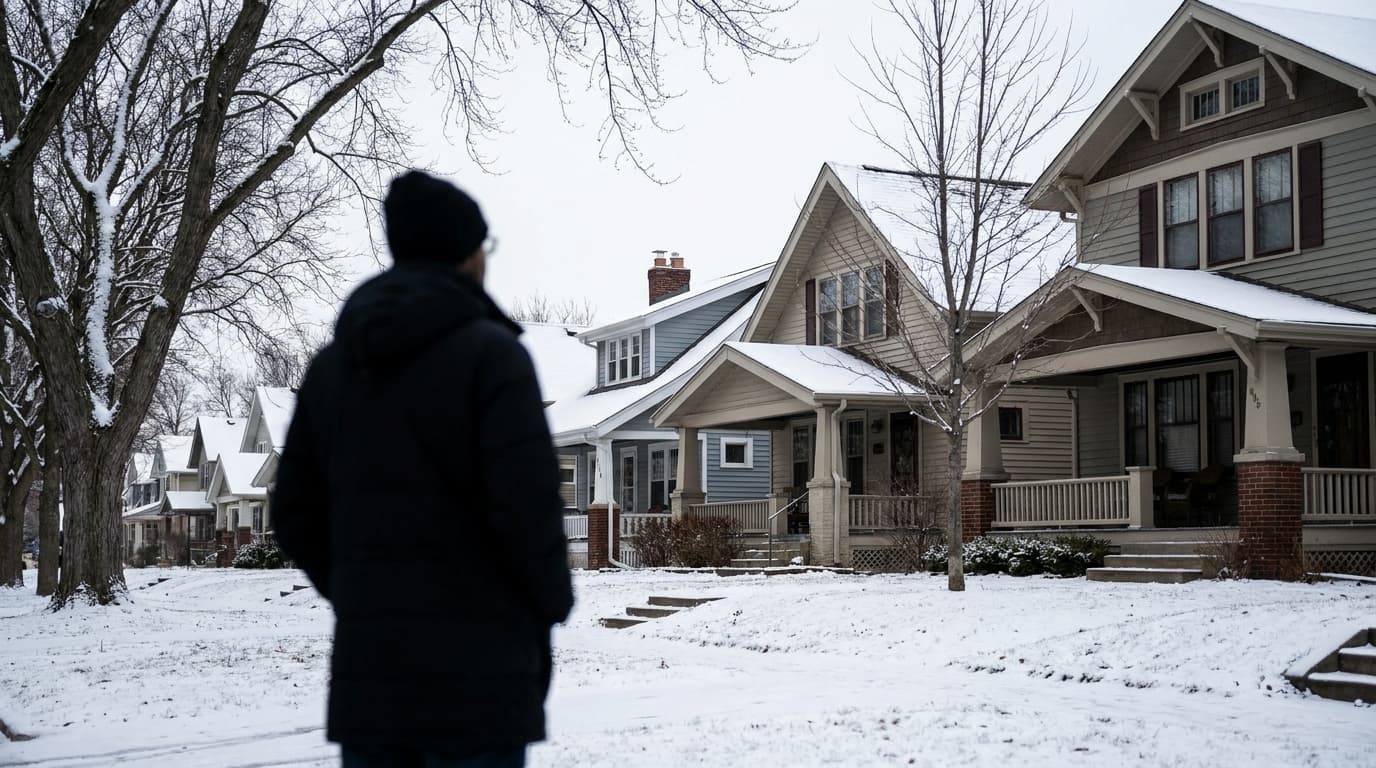
If you're renting in Alaska, you need to know your rights. The state has built a robust framework of tenant protections that go beyond what many other states offer. Yet thousands of Alaska renters don't understand these protections until they're in crisis. An eviction notice arrives, panic sets in, and suddenly you're uncertain whether the landlord is following the law or overstepping. This guide cuts through the confusion and gives you the exact information you need to protect yourself.
Alaska Statute Chapter 34.03 (the Residential Tenancies Act) governs the relationship between landlords and tenants. It's not a suggestion—it's the law. Landlords cannot circumvent it, and tenants cannot waive it away. Understanding these protections isn't just about avoiding homelessness; it's about ensuring your landlord follows proper legal procedure before taking away your housing.
The Alaska Eviction Timeline: What Actually Happens
Alaska's eviction process is structured, deliberate, and designed to give tenants multiple opportunities to remedy violations or mount a defense. Unlike some states where evictions can move at lightning speed, Alaska builds in procedural safeguards.
Here's the actual timeline. First, a landlord must provide written notice. The length of that notice varies based on the reason for eviction—this is critical. For non-payment of rent, a landlord must give you 10 days' written notice before filing for eviction (Alaska Statute 34.03.070). For other lease violations, the timeline is 10 days for material breaches that can be cured. For material breaches that cannot be cured (like unauthorized occupants or criminal activity), the landlord must provide 20 days' notice. For month-to-month tenants without cause, landlords must provide 30 days' notice.
If you don't cure the violation or vacate within that period, the landlord can file an unlawful detainer action in Alaska court. This is a lawsuit, and it comes with specific requirements. The court must serve you with the complaint, and you have the right to appear and defend yourself. In Alaska, the court process typically takes 15-30 additional days from filing to judgment, though expedited hearings are possible in some cases.
Only after a court judgment is issued can a landlord proceed to physical eviction. Even then, the court must issue a writ of restitution, and a constable or sheriff must execute it. The law requires 10 days' notice after the judgment before actual removal occurs. This means from the initial notice to physical removal, you're typically looking at 50-80 days minimum, assuming no court delays.
Alaska's Notice Requirements: The Details That Matter
The notice your landlord gives you must meet specific legal requirements under Alaska Statute 34.03.070. If it doesn't, it may be invalid, and any subsequent eviction filing could be dismissed.
- Written Form: The notice must be in writing. An oral notice or text message is not sufficient.
- Specific Reason: The notice must clearly state the reason for the notice (non-payment, lease violation, etc.). Vague or generic notices have been challenged successfully in Alaska courts.
- Specific Amount (if rent): For non-payment, the exact amount owed must be stated, including any late fees claimed and the date they became due.
- Opportunity to Cure: The notice must state that you have a specified number of days to remedy the violation (10 days for most breaches, 20 days for incurable breaches).
- Contact Information: The landlord must provide a method for you to contact them and arrange payment or remedy.
- Proper Service: The notice must be delivered to you personally, left at your dwelling, or sent via certified mail. Posting on a door is acceptable if combined with mail, but posting alone is not sufficient under Alaska law.
According to data from Alaska court filings, approximately 15-20% of eviction cases filed in Anchorage Municipal Court (which handles roughly 40% of Alaska's unlawful detainer cases) are dismissed before trial due to procedural defects or improper notice. This means that simply challenging the notice—documenting when and how you received it—can be an effective defense.
What Counts as 'Cause' for Eviction in Alaska?
Alaska is not an 'at-will' eviction state. A landlord cannot simply decide they don't like you and remove you without cause and notice. However, there are specific reasons that legally allow eviction.
- Non-Payment of Rent: This is the most common eviction reason. You must be 10 days in arrears.
- Material Breach of Lease: This includes things like unauthorized pets, smoking when prohibited, or damaging the unit beyond normal wear and tear.
- Criminal Activity: Illegal drug manufacturing, sales, or violent crime on the premises.
- Nuisance: Conduct that substantially interferes with the peaceful enjoyment of other tenants (excessive noise, harassment).
- End of Lease Term: For fixed-term leases, a landlord can choose not to renew, but must provide 30 days' notice for month-to-month tenants.
- Owner Occupancy (in limited cases): A landlord may evict to occupy the unit themselves, but this has restrictions and requires 30 days' notice.
Importantly, a landlord cannot evict you in retaliation for exercising your legal rights. If you request repairs, file a health department complaint, or organize with other tenants, and the landlord retaliates with an eviction notice within six months, that eviction is presumed retaliatory under Alaska Statute 34.03.300. This is a significant protection that many tenants don't know about.
Your Rights During the Eviction Process
Alaska law gives you specific rights once an unlawful detainer complaint is filed.
- Right to Notice: You must be properly served with the complaint. Personal service is preferred; service by publication is used only after other methods fail.
- Right to Court Hearing: You can appear in court and present your defense, even if you cannot afford an attorney.
- Right to Raise Defenses: You can argue that notice was improper, that the reason for eviction is retaliatory, that rent was paid, that the lease was violated by the landlord, or that the unit is uninhabitable.
- Right to Repair and Deduct: If repairs are needed, you may have the right to repair and deduct from rent (though you must follow specific procedures).
- Right to Habitability: Your landlord must maintain the unit in habitable condition. Lack of heat, water, or structural soundness is a defense.
- Right to a Jury Trial: In some circumstances, you can request a jury trial instead of a judge-only hearing.
The Uninhabitability Defense: A Powerful Tool
One of Alaska's strongest tenant protections is the implied warranty of habitability. Your landlord is legally required to maintain the unit in a condition fit for human occupancy. This means functional heat, running water, sanitary conditions, and structural integrity. If these conditions are not met, you have a defense against eviction—even for non-payment—and you may have the right to withhold rent or break the lease without penalty.
In Alaska courts, habitability claims have successfully defended tenants against eviction when landlords failed to provide adequate heat during winter (Alaska is serious about this—heating is not optional), when plumbing was non-functional, when there was mold or significant pest infestation, or when the unit had structural defects creating safety hazards.
If you're facing eviction and the unit has habitability issues, document everything: photographs, temperature readings (especially important in Alaska winters), written communications with your landlord requesting repairs, and any complaints filed with the health department. This evidence is crucial in court.
Non-Payment Evictions: Special Considerations
Non-payment cases are the most common eviction reason in Alaska. Approximately 60-70% of unlawful detainer filings in Alaska courts are for non-payment of rent. If you're facing this situation, understand that you have options.
First, if the landlord gives you a 10-day notice for non-payment, paying the full amount owed before that 10 days expires completely stops the eviction process. The notice becomes moot, and the landlord must accept payment. Many landlords do not proceed to court if you pay within the notice period because it's not economically worthwhile (court costs in Alaska eviction cases run $400-800).
Second, even if the case goes to court, you can offer to pay rent plus court costs as part of a settlement. Many Alaska judges encourage this resolution because it keeps people housed and the landlord recovers their money.
Third, non-payment is one of the few situations where a landlord can claim a judgment for rent owed beyond the eviction itself. In other words, if you're evicted for non-payment, the landlord can pursue a separate action for the balance owed, potentially damaging your credit and making future rentals difficult.
If you cannot pay rent due to a temporary hardship, contact your landlord immediately and explain the situation. Most landlords prefer a payment plan to litigation. If your landlord refuses to negotiate, you may have legal arguments (like habitability claims) that could reduce the amount owed or bar eviction entirely.
Retaliation Protections: Alaska's Most Underused Defense
Alaska Statute 34.03.300 provides strong retaliation protections that many tenants never leverage. A landlord cannot evict you, increase your rent, decrease services, or otherwise penalize you for:
- Making a good-faith request for repairs or maintenance
- Complaining to a health, safety, or building code enforcement agency
- Organizing with other tenants or joining a tenant organization
- Threatening to report a lease violation to authorities
- Testifying in court in a tenant dispute
The law presumes retaliation if the landlord takes adverse action within six months of you exercising one of these protected rights. This means the burden shifts to the landlord to prove they had a legitimate, independent reason for the action—not an easy task in court.
Example: You request in writing that your landlord fix a broken furnace in October. The landlord delays. In December, you file a complaint with the Alaska Department of Environmental Conservation. By January, the landlord serves you with a 10-day notice for alleged lease violations (maybe claiming minor damage or noise issues that were never previously cited). This is textbook retaliation, and you likely have a strong defense against the eviction.
What Happens If You're Physically Evicted?
If a judgment is entered against you and the landlord obtains a writ of restitution, a constable will eventually show up to remove you and your belongings. Alaska law requires 10 days' notice before this happens, giving you time to arrange alternative housing and remove personal items.
When the constable arrives, you must leave. Refusing to leave leads to criminal trespass charges. However, your belongings cannot be disposed of immediately. Under Alaska Statute 34.03.360, if the landlord removes your property during execution of the writ, they must store it safely for at least 30 days and allow you to retrieve it, usually for reasonable storage costs.
The eviction will appear on your rental history, making it difficult to secure future housing. Many landlords conduct background checks and will deny applications with recent evictions. This is why fighting an eviction in court—especially if you have a valid defense—is worth the effort.
How to Defend Yourself in Eviction Court
If you're served with an unlawful detainer complaint, you have the right to file a written response (called an answer) within 20 days. Do not ignore the complaint. Filing an answer is crucial.
- File Your Answer: Write or obtain a form response addressing each allegation in the complaint. Admit what's true, deny what's false, and raise defenses.
- Raise All Defenses: Include any legal defenses available—improper notice, retaliation, uninhabitability, breach of quiet enjoyment, or payment.
- Gather Evidence: Collect lease agreements, proof of payment, photographs of repairs needed, communications with the landlord, health department reports, and any other supporting documentation.
- Attend the Hearing: Show up on time, dressed professionally. Many evictions are won simply because the tenant appears and presents credible evidence.
- Consider Legal Help: If you cannot afford an attorney, contact the Alaska Legal Services Corporation or a local legal aid organization. Some offer free or reduced-cost representation in eviction cases.
- Request Continuances Strategically: If you need more time to prepare, request a continuance. Courts often grant these requests to ensure due process.
Alaska-Specific Challenges and Variations
Alaska has unique characteristics that affect eviction law. First, the climate. Landlords cannot evict tenants or shut off heat between October 1 and April 30 in Alaska without providing alternative housing. This is a codified protection reflecting the state's severe winters. Violating this rule can result in damages against the landlord.
Second, geography. Alaska is vast, and some areas have extreme housing shortages. In remote areas or smaller communities, finding alternative housing may be nearly impossible. Courts are aware of this, and some judges factor it into their decisions, particularly regarding remedy and damages.
Third, jurisdiction variations. Eviction cases are heard in district courts or municipal courts depending on the municipality. Anchorage Municipal Court handles the largest volume of eviction cases in Alaska (roughly 1,200-1,500 per year). Procedures can vary slightly between jurisdictions, so understanding your local court is helpful.
Resources and Where to Get Help
- Alaska Legal Services Corporation: Provides free legal assistance to low-income Alaskans. Call 1-888-529-5257 or visit www.alsc-law.org.
- Local Bar Association: The Alaska Bar Association can refer you to attorneys and provide information about your rights.
- Court Self-Help Centers: Many Alaska courts offer self-help resources for tenants representing themselves.
- Alaska Statute Chapter 34.03: The full text of the Residential Tenancies Act is available online and explains your rights in detail.
- Local Tenant Organizations: In larger Alaska communities, tenant unions and advocacy organizations can provide information and support.
Preventing Eviction: Proactive Steps
The best eviction defense is preventing one from happening. Here are practical steps:
- Pay Rent On Time: This is foundational. If financial hardship is coming, communicate with your landlord before rent is due.
- Keep Proof of Payment: Use traceable payment methods (ACH transfers, certified checks, or money orders). Keep receipts and records for at least one year.
- Report Maintenance Issues in Writing: Don't just call and complain. Send written requests for repairs via email or certified mail. This creates a paper trail.
- Maintain the Unit: Care for your rental responsibly to minimize legitimate breach claims.
- Read Your Lease Carefully: Know what you've agreed to and ensure the landlord adheres to it as well.
- Know Your Landlord's Contact Information: Ensure you have a method to contact the landlord quickly if issues arise.
- Join or Form a Tenant Organization: Collective action can increase your power and knowledge about local rental practices.
How VerticalRent Supports Tenant Rights
Managing your rental relationship doesn't require facing an eviction notice. At VerticalRent, we believe technology should work for both landlords and tenants to create stable, transparent housing relationships. Our platform includes ACH rent collection with clear payment tracking—creating the exact documentation you need if payment disputes ever arise. Our AI lease generation ensures leases comply with Alaska law, protecting you from unlawful terms. And our tenant screening process promotes fair, non-discriminatory housing access.
If you're renting in Alaska and want to ensure your landlord is following best practices—or if you want transparent communication channels and documented payment systems—VerticalRent provides the digital infrastructure that reduces disputes before they escalate to eviction. Visit verticalrent.com to learn more about secure, compliant rental management.
Final Thoughts
Eviction is traumatic, but you have rights in Alaska. The state has built strong protections into its residential tenancy law, and judges take these protections seriously. If you receive an eviction notice, respond immediately. If you face court, appear and defend yourself. If you need help, reach out to legal services organizations—they exist specifically to help renters in your situation. Do not assume the landlord has followed the law or that you have no defense. Many evictions succeed simply because tenants don't show up or understand their options. You are not powerless.
LEGAL DISCLAIMER: This article provides general information about Alaska eviction law and is not a substitute for legal advice. Eviction law is complex and varies by jurisdiction. If you're facing eviction, consult with a licensed Alaska attorney or contact Alaska Legal Services Corporation (1-888-529-5257) for free assistance. The author (Matt Angerer, VerticalRent) is not an attorney, and this content does not constitute legal advice. Relying on this article without consulting a qualified legal professional could result in loss of your housing. Always seek qualified legal counsel before taking action in eviction matters. Laws and procedures change; this article reflects Alaska law as of the publication date but may not reflect recent amendments. Some local jurisdictions may have additional protections or procedures beyond state law.
Put this into practice
VerticalRent tools related to this guide
Legal Disclaimer
VerticalRent and its authors are not attorneys, CPAs, or licensed legal or financial advisors, and nothing on this site constitutes legal, tax, or professional advice. The information in this article is provided for general educational purposes only. Landlord-tenant laws, eviction procedures, security deposit rules, and tax regulations vary significantly by state, county, and municipality — and change frequently. Nothing on this site creates an attorney-client relationship. Always consult a licensed attorney or qualified professional in your jurisdiction before taking any action based on information you read here.
Co-founded VerticalRent in 2011, growing it from nothing to 100k landlords and renters. Sold it in 2019, then re-acquired it in 2026 to make it better than ever.


