A Guide to Rental Property Inspections
Master rental property inspections. Learn timing, legal notices, checklists, and documentation to protect your investment and maintain tenant relations.

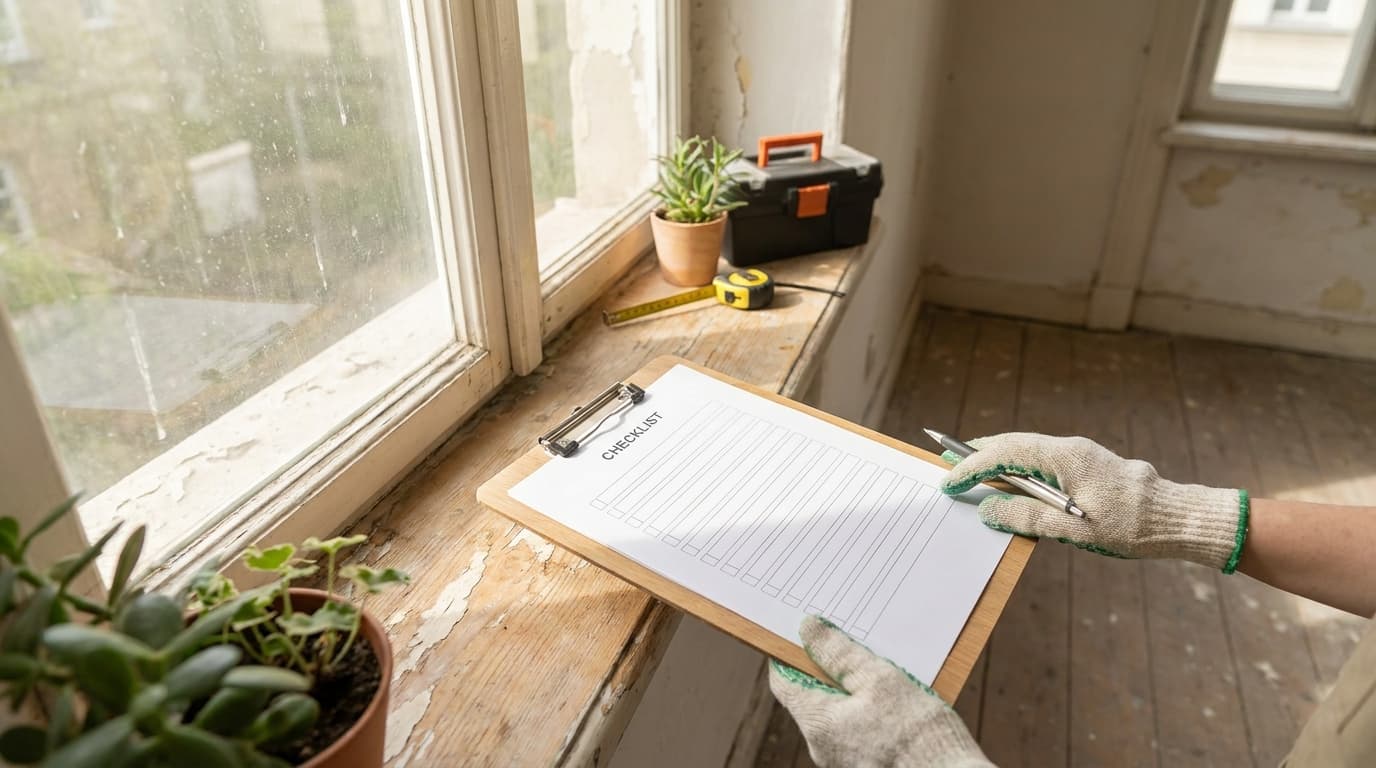
If you treat rental property inspections as a courtesy task, you'll miss the point. In one city's proactive inspection program, only 4% of owner-occupied properties had unresolved code violations, compared with 27.1% of multi-unit buildings with absentee landlords, which is a sharp reminder that oversight and condition are tightly linked according to the National Low Income Housing Coalition summary of the Rochester study.
That's why experienced landlords don't “check on the property” when they get around to it. They build a repeatable inspection system. A good system protects the asset, respects the tenant, creates defensible records, and turns findings into repairs before they become arguments or emergencies.
The Foundation of Asset Protection Why and When to Inspect
Properties with consistent inspection programs usually cost less to stabilize than properties managed by complaint alone. The savings rarely show up in one dramatic repair. They show up in fewer hidden leaks, fewer unresolved safety items, cleaner move-out disputes, and less time arguing about who caused what.

Good inspections protect two things at the same time. They protect the physical asset, and they protect the working relationship with the tenant. That only happens when inspections are run as a repeatable system with a clear purpose, a schedule, standard documentation, and follow-up that does not drift for weeks.
That system starts with scope. An inspection should answer specific management questions. Is there deferred maintenance? Is there a safety issue? Has the unit condition changed from the last verified record? If you treat every visit like a general search, you create friction and usually miss the items that matter most.
Plumbing is a common example. A slow leak under a sink may be a landlord repair. Repeated drain clogs caused by misuse may be a tenant issue. A practical reference on landlord laws for rental property access and management helps with entry and compliance questions, and this guide to landlord vs tenant plumbing responsibilities is useful when an inspection finding needs to be classified correctly before you assign costs or send a notice.
The four inspections that matter
Move-in inspection. This is your baseline. If the photos are incomplete, the checklist is vague, or nobody signs off, the rest of your inspection system gets weaker. Security deposit disputes usually trace back to bad starting records, not bad move-out records.
Routine inspection. This allows owners to catch problems while they are still cheap to fix. Look for water intrusion, missing safety devices, unauthorized occupants or pets visible in plain sight, filter neglect, ventilation problems, and exterior issues that can turn into insurance claims. Keep the scope tight and consistent across units.
Move-out inspection. This is a comparison exercise, not a memory test. You are matching current condition to the move-in record, separating wear from damage, and identifying turnover work fast enough to keep vacancy days under control.
Drive-by inspection. Exterior checks from a lawful vantage point are efficient, especially for single-family homes and small multifamily properties. They help spot roof issues, drainage problems, yard neglect, unauthorized alterations, and vehicles or storage patterns that suggest a lease issue worth addressing through the normal notice process.
Each inspection type has a different job. That distinction matters because systems break when every inspection tries to do everything.
Timing is a management decision
New landlords often choose an inspection schedule based on convenience. Experienced operators set it based on risk, property age, tenant profile, maintenance history, and season. A newer condo with stable residents may only need an annual interior review. An older property with prior moisture problems may justify spring and fall checks because weather shifts expose different failures.
Twice-yearly interior inspections are a practical starting point for many rentals. Spring tends to reveal roof leaks, condensation, grading, and winter damage. Fall is a good time to catch heating issues, insulation gaps, window failures, and drainage concerns before cold weather turns a small defect into an emergency call.
The larger point is consistency. Owners who inspect only after a complaint are usually reacting late. Build a schedule, assign each inspection a purpose, use the same checklist format every time, and set follow-up deadlines before the visit is even booked. That is how inspections stop being scattered tasks and start working as an asset protection system.
Staying Compliant with Legal Notices and Tenant Communication
Most inspection problems don't start inside the unit. They start before the visit, when the landlord gives vague notice, acts casually about entry rights, or frames the inspection like a suspicion instead of routine management.

Some proactive inspection programs have drawn criticism because tenants and advocates see them as overly broad entries into private living space. The Institute for Justice discussion of rental inspection ordinances highlights that tension clearly. For landlords, the takeaway isn't to avoid inspections. It's to get notice, consent, timing, and scope right every time.
If you need a plain-language refresher on state-by-state issues around access, notices, and entry disputes, keep a legal reference handy like this guide to landlord laws. The lease matters, but local law controls.
Notice is legal protection and relationship management
Written notice should answer five things without making the tenant guess:
- Why you're entering: routine inspection, seasonal maintenance review, follow-up on a repair, or move-out walkthrough.
- When you'll arrive: date and a reasonable time window.
- Who will attend: landlord, manager, maintenance vendor, or more than one person.
- What areas are in scope: interior walkthrough, exterior check, filter replacement, smoke detector testing.
- How the tenant can respond: confirm attendance, request an alternate time if allowed, or report issues in advance.
Tenants are more cooperative when the notice is specific. “Inspection Tuesday” creates anxiety. “Semi-annual property inspection to check smoke detectors, plumbing leaks, HVAC filters, and visible maintenance items” sounds like what it is, which is standard property care.
Inspections should never feel like a surprise search. They should feel like a scheduled maintenance control with clear boundaries.
A smart practice is to invite the tenant to mention any concerns before the visit. That does two useful things. It improves your maintenance list, and it changes the tone from adversarial to collaborative.
For recurring building systems, pair inspections with scheduled upkeep. If the property has a boiler, for example, a landlord should have a system for setting up annual boiler servicing reminders so inspections and preventive service support each other instead of operating as separate admin tasks.
A simple notice template that works
Use a short written template and keep it consistent:
Notice of Entry for Routine Inspection
Date: [insert date]
Property: [insert address]
Entry date and time window: [insert]
Purpose: Routine rental property inspection to review visible maintenance items and safety equipment
Attending: [insert names or roles]
Areas covered: Interior rooms, bathrooms, kitchen, utility area, and exterior as applicable
If you want to be present or need to discuss scheduling, contact: [insert phone/email]
What doesn't work is casual texting with no details, repeated rescheduling, or using inspections as a pretext to confront a tenant about every rumor you've heard. Keep the visit focused. If there's a separate lease issue, handle it through the lease and your written notices.
Your Inspection Workflow A Room by Room Guide
A solid inspection isn't about having sharp eyes. It's about following the same process every time so you don't miss patterns, skip rooms, or create weak records.

Build the baseline first
The strongest workflow is a baseline-and-variance process. That means your move-in walkthrough creates the baseline, and every later inspection measures changes against it. The DoorLoop guide to rental property inspections describes that signed, photo-documented move-in record as the anchor for later comparisons and disputes.
That approach works because most arguments come down to one question: was this already there? A signed condition report with room-by-room photos answers that question better than memory ever will.
Use the same checklist for every unit. Customize by property type if needed, but don't reinvent the form each time. A standard workflow usually looks like this:
- Review the lease and notice requirements before the visit.
- Bring the prior condition report and compare against it.
- Walk the unit in the same order every time.
- Take wide and close photos for any issue you note.
- Record maintenance findings and lease concerns separately so your follow-up is cleaner.
For specialized due diligence beyond a routine landlord walkthrough, some owners also review a broader Survey Merchant guide on property inspections to sharpen what they look for on structure, moisture, and visible defect patterns.
Sample Rental Inspection Checklist
| Area/Item | What to Check For | Condition (Good/Fair/Poor) |
|---|---|---|
| Entry and locks | Door closes properly, locks work, frame isn't damaged | |
| Living room walls and floors | Holes, stains, cracked flooring, loose trim, water marks | |
| Windows | Operation, locks, broken seals, cracked glass, damaged screens | |
| Kitchen sink area | Leaks under sink, slow drainage, cabinet swelling, caulking failure | |
| Appliances | Visible damage, proper operation, unusual noise, missing parts | |
| Bathroom fixtures | Running toilet, leaks, loose fixtures, grout and caulk condition | |
| Bathroom surfaces | Mold signs, soft drywall, peeling paint, ventilation issues | |
| Bedrooms | Window function, flooring wear, wall damage, smoke detector presence | |
| Utility and HVAC area | Filter condition, visible leaks, unusual corrosion, blocked access | |
| Exterior | Gutters, siding, steps, railings, trash, yard condition | |
| Safety items | Smoke detectors, carbon monoxide devices if applicable, GFCI response |
How to document without creating a mess
Most landlords take too few photos or too many useless ones. The fix is simple. Take one wide shot of each room from the doorway, then focused shots of anything worn, damaged, leaking, stained, or unsafe.
File naming matters more than people think. If your photos are stored as random camera-roll images, they won't help much during a deposit dispute. Use a consistent structure such as property address, inspection date, room, and issue. That makes retrieval fast.
A few documentation habits save a lot of trouble:
- Use good lighting: Dark photos create ambiguity. Open blinds or turn on lights before shooting.
- Capture context first: Start with a full-room image, then take detail shots.
- Keep personal privacy in mind: Document the fixture or defect, not the tenant's belongings unless they directly show the issue.
- Write notes that lead to action: “Leak under kitchen sink at P-trap, cabinet base damp” is useful. “Looks bad under sink” is not.
- Flag health-related items carefully: If you see suspicious growth or moisture-damaged drywall, treat it as a maintenance issue that needs evaluation. If you need tenant-safe cleanup guidance, this article on how to remove black mold from drywall is a practical reference point for the next step.
Better records reduce emotion. When both sides can see the baseline, the photos, and the written findings, most disputes lose momentum.
After the Walkthrough Documentation and Follow Up
A missed follow-up costs more than a missed scuff mark. The inspection only protects the asset if every finding turns into a dated record, a clear decision, and a tracked next step.
Turn findings into a report the same day
Treat the post-inspection report as an operating document, not a diary entry. If a bathroom sink is leaking, a stair rail is loose, and the tenant reports uneven heat, each item needs a status, an owner, and a deadline before the day ends. Delay is where small issues turn into repair bills, habitability complaints, or arguments over who knew what and when.
Keep the report short enough to scan in two minutes. It should answer five questions fast:
- Which unit was inspected: property address, unit, date, and who attended
- What condition was found: overall condition and whether any item needs urgent action
- What needs to happen next: one line per issue with location, description, and priority
- What evidence supports it: labeled photos tied to each finding
- Who owns the follow-up: vendor assignment, tenant action, manager task, and recheck date if needed
That structure keeps your inspection system usable at scale. If you manage more than a handful of units, consistency matters more than perfect prose.
If the tenancy is getting close to turnover, compare the current findings against a formal pre-move-out inspection checklist and process. That gives the tenant a fair chance to correct avoidable issues before keys come back.
Separate maintenance from lease enforcement
Run two tracks after every inspection. One track handles maintenance. The other handles lease compliance.
Mixing them into one message creates confusion and weakens the record. A service issue should read like a service issue: “During today's inspection we noted a leak under the bathroom sink. We will coordinate access for repair.” A lease violation should cite the lease clause, describe the condition, and state the cure period if your local rules require one.
That split protects tenant relations and sharpens enforcement. Tenants are more likely to cooperate on repairs when they are not trying to decode whether every maintenance notice is also a warning letter.
Close the loop, or the inspection loses value
I have seen plenty of landlords inspect carefully and still lose control of the process because nothing got closed out. The vendor fixed the leak, but no one updated the file. The tenant promised to remove an unauthorized item, but nobody reinspected. Six months later, the same issue comes back with no clean paper trail.
Use a simple follow-up standard for every finding: open, assigned, completed, verified, closed. Maintenance items get completion notes and invoices. Lease items get a cure check and written confirmation of the outcome. Safety issues get the fastest timeline and the clearest documentation.
Good inspection systems do not stop at observation. They create a repeatable chain from notice to walkthrough to report to follow-up, with records stored where you can retrieve them quickly during a dispute, insurance claim, or turnover review.
Streamline Your Inspections with VerticalRent
The administrative burden in rental property inspections usually shows up in the same places. Notices go out inconsistently. Photos sit in text threads. Someone forgets which leak was in which unit. The repair gets handled, but the record doesn't.

Where manual systems usually break
Paper checklists aren't the primary problem. Fragmentation is. One part of the process lives in email, another in a notes app, another in a contractor text thread, and the signed form ends up in a file drawer.
That's where software earns its keep. You want one system to track notices, keep property records attached to the unit, log communications, and move maintenance items into a repair workflow without retyping everything. For landlords already using a rental platform, VerticalRent fits that broader management role by handling leases, rent collection, maintenance coordination, vendor dispatch, and transaction tracking inside one system.
What to automate first
If you're building an inspection system, automate these pieces first:
- Notice delivery and tracking: Send written entry notices the same way every time and keep a dated record.
- Digital photo storage: Store images by property and unit so move-in, routine, and move-out records are easy to compare.
- Task conversion: Turn an inspection finding into a maintenance request instead of copying notes into a second system.
- Vendor coordination: Assign the repair with the same description and photos you captured during the walkthrough.
- Follow-up reminders: Schedule rechecks for unfinished repairs or recurring concerns.
The goal isn't fancy tech. The goal is fewer dropped details and faster follow-through.
Rental Inspection Questions Landlords Ask
What if a tenant refuses entry for a scheduled inspection
Start with the lease and local law. Confirm that your notice was proper, written, and specific about time and purpose. Then respond in writing, not by argument.
Offer a reasonable alternate time if the tenant raises a legitimate scheduling issue. If the refusal continues, document each notice and response, then follow the lease enforcement process available in your jurisdiction. Don't self-help the problem by forcing the issue or escalating emotionally.
How do you tell normal wear from tenant damage
Use the move-in baseline, the current photos, and plain judgment. Normal wear usually comes from ordinary living. Tenant damage usually comes from misuse, neglect, or unauthorized alteration.
A faded paint area, minor carpet wear in traffic paths, or small scuffing is usually easier to classify as wear. Broken fixtures, large holes, missing doors, severe staining, or water damage tied to ignored reporting are easier to classify as damage. If your records are weak, your position is weak.
Can you inspect more often if you're concerned
Sometimes yes, but frequency has to stay reasonable and tied to a legitimate management purpose. More frequent inspections can make sense after repeated maintenance issues, ongoing lease concerns, or visible property deterioration.
The mistake is using inspections as pressure. If you need closer oversight, say why in neutral language, keep the scope narrow, and follow the same notice process every time. If the property stabilizes, reduce the frequency back to your normal routine.
A landlord who wants fewer surprises should build one system and use it every time. Schedule the inspection, send proper notice, inspect with a checklist, document clearly, separate repairs from violations, and close the loop fast. If you want one place to handle leases, maintenance workflows, rent collection, and day-to-day rental operations, VerticalRent is built for independent landlords who need tighter processes without adding enterprise software overhead.
Put this into practice
VerticalRent tools related to this guide
Legal Disclaimer
VerticalRent and its authors are not attorneys, CPAs, or licensed legal or financial advisors, and nothing on this site constitutes legal, tax, or professional advice. The information in this article is provided for general educational purposes only. Landlord-tenant laws, eviction procedures, security deposit rules, and tax regulations vary significantly by state, county, and municipality — and change frequently. Nothing on this site creates an attorney-client relationship. Always consult a licensed attorney or qualified professional in your jurisdiction before taking any action based on information you read here.
Co-founded VerticalRent in 2011, growing it from nothing to 100k landlords and renters. Sold it in 2019, then re-acquired it in 2026 to make it better than ever.


