Rent Pricing Strategy: How to Raise Rents Without Losing Good Tenants
Raising rents is inevitable, but losing great tenants doesn't have to be. Learn data-backed strategies to price your rentals fairly and keep your best residents.

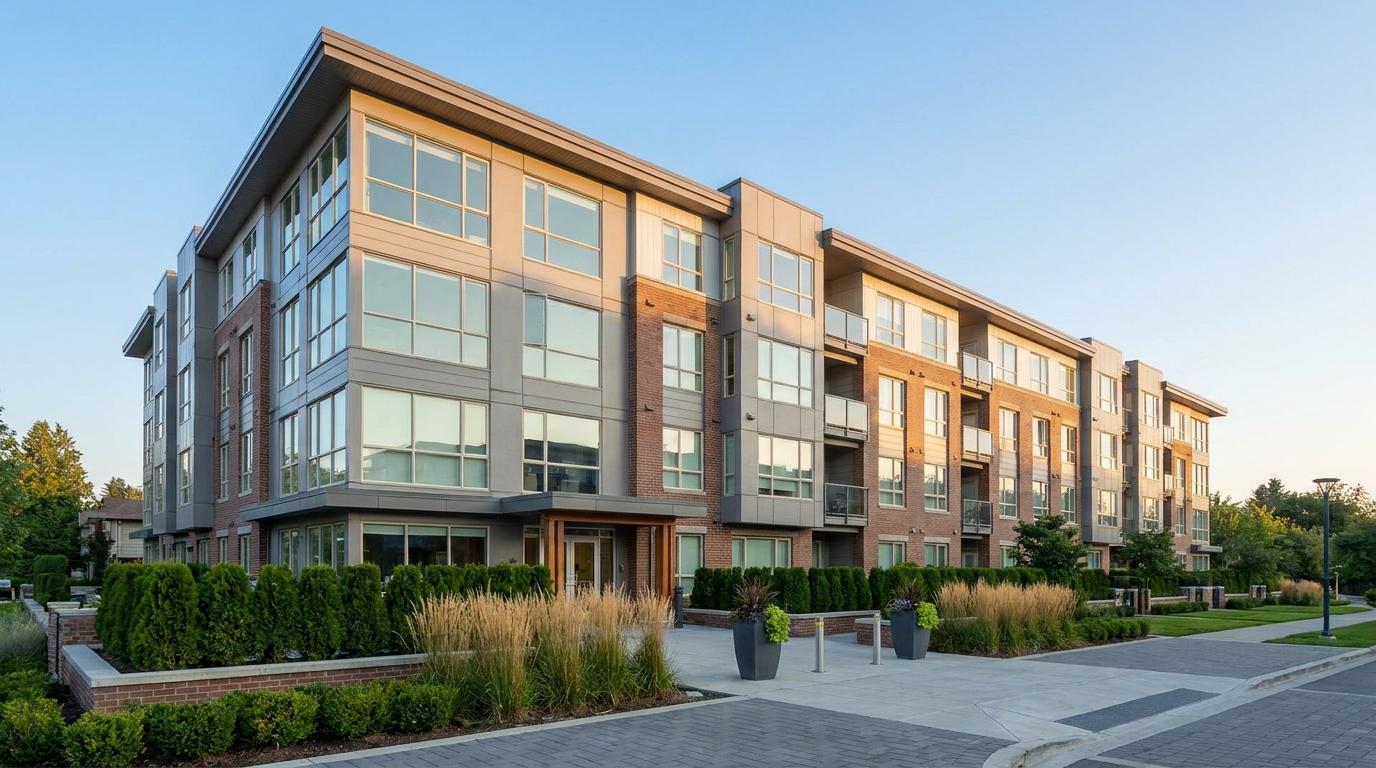
The average U.S. asking rent climbed 30.4% between January 2020 and December 2024, according to Apartment List's National Rent Report. For independent landlords operating on thin margins — managing mortgages, rising insurance premiums, property taxes, and maintenance costs that have all followed similar trajectories — not raising rents is often not a viable option. But here's the uncomfortable truth most landlord guides gloss over: how you raise rents matters as much as how much you raise them. A poorly timed, poorly communicated rent increase can send a reliable, long-term tenant straight to your competitor's listing — costing you far more in vacancy, turnover, and re-leasing expenses than the extra $75 per month you were trying to collect.
The National Apartment Association estimates the average cost of turning over a single unit — factoring in vacancy loss, cleaning, repairs, marketing, and leasing time — runs between $1,000 and $5,000 depending on market and unit condition. For a small landlord with four units, losing even one good tenant unnecessarily can wipe out an entire year's worth of rent increases across the portfolio. This article will walk you through the data, the psychology, and the practical mechanics of raising rents strategically — protecting your income while protecting your most valuable asset: a paying, respectful, long-term tenant.
Why Rent Increases Are Unavoidable (The Numbers Don't Lie)
Before we get into strategy, let's establish why landlords — especially small independent ones — have little choice but to raise rents periodically. The Consumer Price Index for shelter rose 5.4% year-over-year as of early 2025, according to the Bureau of Labor Statistics. Homeowners insurance premiums increased an average of 21% nationally between 2022 and 2024, per the Insurance Information Institute. Property tax assessments in high-growth metros like Austin, Phoenix, and Tampa surged 15–25% in a single reassessment cycle. Meanwhile, the cost of a licensed HVAC technician, plumber, or electrician has increased 18–22% since 2021 due to labor shortages and materials inflation.
If you purchased a rental property in 2019 with a fixed mortgage payment and haven't adjusted rents since, you're almost certainly operating at a compressed or negative cash flow margin by now. The question is never really whether to raise rents — it's whether you're doing it in a way that's strategic, legal, transparent, and fair enough to retain the tenants worth keeping.
Industry rule of thumb: A vacant unit collecting $0 in rent for just one month costs you the equivalent of an 8.3% annual rent cut. A $150/month increase is worthless if it triggers a vacancy that takes 45 days to fill.
Know Your Market Before You Set a Number
The single biggest mistake independent landlords make when raising rents is pulling a number out of thin air — usually anchored to what they need rather than what the market will bear. Pricing should be a data exercise before it's anything else. If you're raising rent 8% when comparable units in your ZIP code are only commanding 3% more than last year, you're not just risking losing your tenant — you're risking an extended vacancy because your re-listed unit will also be overpriced.
How to Research Comparable Rents (Comps)
- Check active listings on Zillow, Apartments.com, and Rentometer for units within a half-mile radius matching your bedroom count, square footage, and amenities.
- Look at how long comparable listings have been sitting — units with 30+ days on market signal an oversupplied or overpriced segment.
- Review Zumper's monthly National Rent Report and your city-specific data for year-over-year trend lines by bedroom type.
- Talk to local property managers — many will share general market intel even if you're self-managing.
- Check your city or county assessor's office for recent lease data if publicly available (some municipalities publish this).
- Factor in seasonal demand — rent comps in January in a cold-weather market will look very different from July comps in the same location.
Once you have a realistic market range, position your increase relative to that range — not above it. If the market supports $1,450–$1,550 for your unit type and you're currently at $1,350, you have room to move. If you're already at $1,480, your increase ceiling is much tighter. Pricing discipline protects your occupancy rate more than any other single variable.
The Psychology of Rent Increases: Why Tenants Leave (and Why They Don't)
Research published in the Journal of Housing Economics found that tenant satisfaction is more strongly correlated with landlord responsiveness and communication quality than with rent level alone. Translation: tenants don't just move because rent goes up — they move because rent goes up and they don't feel respected or informed about why. Good tenants — the ones paying on time, treating your property well, and renewing year after year — have usually made peace with modest, expected increases. What they haven't made peace with is surprise.
A 2023 Avail.co landlord survey found that 61% of tenants who chose not to renew after a rent increase cited 'lack of advance notice or explanation' as a contributing factor — not the increase amount itself. Meanwhile, only 23% of tenants who received a personalized letter explaining the reasons for an increase and offering a conversation with the landlord chose not to renew. The data is clear: communication is a retention tool that costs you nothing but time.
The Tenant Value Equation
Every tenant makes an implicit calculation when they receive a rent increase notice: Is staying worth it? They're weighing the hassle and cost of moving (first/last month, security deposit, moving truck, time off work, the uncertainty of a new landlord) against the financial and emotional cost of accepting the increase. Your job as a landlord is to make sure that equation tilts toward staying — not just through fair pricing, but through how you've treated them all year long. Tenants who feel like valued residents rather than revenue units don't walk for $75. Tenants who feel like faceless check-writers often do.
Structuring the Increase: Timing, Amount, and Frequency
How Much Should You Raise Rent?
There's no universal answer, but here's a practical framework. Annual increases of 3–5% in stable markets tend to be accepted with minimal friction. Increases of 6–8% generate more pushback but are still survivable with good communication. Increases above 10% — unless dramatically below market — carry significant turnover risk regardless of how well they're communicated. In rent-controlled jurisdictions, your increase is capped by law, often tied to CPI. Know your local ordinances before sending any notice.
- 3–5% annually: Low friction, widely accepted in most markets, maintains relationship goodwill.
- 6–8% annually: Moderate friction; requires strong communication, ideally with a market justification attached.
- 9–12%: High friction; consider splitting into two smaller increases over 12–18 months if the lease structure allows.
- Above 12%: Reserve for significantly below-market units; always pair with a conversation, not just a letter.
- Below 3%: Fine if your costs allow it, but consider that consistent small increases are easier for tenants to absorb and budget for than large infrequent jumps.
Timing Your Notice Correctly
Most states require 30–60 days written notice before a rent increase takes effect at lease renewal. Some states — including California, Oregon, and New York — mandate 90 days for increases above a certain threshold. But legal minimums are not best practice. Giving 60–90 days notice even when only 30 is required signals respect and gives your tenant time to plan. It also gives you time to negotiate if they push back, rather than scrambling to find a replacement if they bolt.
Timing within the year also matters. Avoid sending increase notices in December or January when moving is inconvenient, cold, and expensive — tenants are more likely to stay out of inertia. If you must send one during tough moving months, tenants may still accept the increase but resent it. Increases that land during spring (March–May), when moving is easier, give tenants a realistic out — which paradoxically may make them feel more respected if they choose to stay.
Consistency Beats Surprise Every Time
One of the most effective retention strategies is simply setting expectations from day one. When you sign a new tenant, tell them directly: 'We review rents annually each January in line with market conditions and typically adjust between 3–5%.' That single sentence eliminates the shock of the first increase and frames every future adjustment as routine rather than adversarial. Tenants who expect annual increases treat them as a cost of living. Tenants who never expect increases treat every one as a betrayal.
How to Write a Rent Increase Notice That Doesn't Backfire
The rent increase letter is a document with legal requirements and psychological weight. Most landlords underestimate both. Legally, it must include the new rent amount, the effective date, and comply with your state's notice period requirements. Practically, it should do more than the legal minimum if retention is your goal.
- 1Open with appreciation: Acknowledge the tenant's tenancy specifically. 'We genuinely appreciate the care you've shown the property and your consistent on-time payments.' This isn't flattery — it's accurate and sets a collaborative tone.
- 2State the new amount and effective date clearly: Ambiguity breeds anxiety. Be specific: 'Your new monthly rent will be $1,425 effective March 1, 2026.'
- 3Briefly explain the why: Reference rising costs without over-explaining. 'Like most landlords, we've seen significant increases in property insurance, taxes, and maintenance costs over the past year. This adjustment helps us continue maintaining the property at the standard you deserve.'
- 4Reference market context: If you're below market, say so. 'Comparable units in this area are currently renting for $1,500–$1,600. We're pricing below that range to reflect the value we place on our relationship with long-term residents.'
- 5Invite dialogue: 'If you have any questions or would like to discuss this, please don't hesitate to reach out. We'd rather have a conversation than lose a great tenant.'
- 6Restate your commitment to the property: 'We remain committed to addressing maintenance requests promptly and keeping the property in excellent condition.'
- 7Close warmly and professionally: Sign it with your name, not just 'Management.' Personal signatures on difficult communications signal accountability and respect.
Pro tip: Hand-deliver or email increase notices personally rather than posting them on a door. A personal touchpoint — even a brief text saying 'I sent you an email about your renewal, let me know if you have questions' — can meaningfully reduce the emotional sting of a rent increase.
Using Market Data and AI Tools to Price Smarter
Pricing rental units has historically been a manual, time-consuming process — scanning listings, estimating adjustments, hoping your gut is right. That's changing fast. AI-powered tools can now analyze local rental comps, vacancy rates, and demand signals to give independent landlords the same pricing intelligence that large property management companies have had for years.
On VerticalRent, Frank — our built-in AI assistant — can help you think through renewal pricing by pulling relevant market context and walking you through the variables that should inform your decision. It won't replace your local knowledge, but it will help you pressure-test a number before you commit to it. That kind of quick sanity check is especially valuable for landlords managing multiple units across different submarkets where staying current on every comp set is nearly impossible.
Additionally, VerticalRent's AI lease generation tool means that once you've landed on a new rent figure and your tenant has agreed to renew, you can generate a fully updated, state-compliant lease in minutes — no attorney required for standard renewals, no outdated template risk. The lease reflects the new rent, the new term, and any updated clauses relevant to your state's current landlord-tenant law.
Negotiation Tactics When Tenants Push Back
Even well-executed rent increases sometimes generate pushback. That's normal, and it doesn't have to mean the tenant is leaving. How you handle the negotiation often determines the outcome. Here are proven approaches for independent landlords.
The Split Increase
If a tenant expresses genuine financial hardship but is otherwise an excellent resident, consider splitting the increase over two periods. 'I hear you — let's do $75 now and $75 at the six-month mark' can be the difference between keeping a great tenant and starting a vacancy. You reach your target rent, they get time to adjust, and you've demonstrated flexibility that builds loyalty.
The Longer Lease Offset
Offer a slightly lower increase in exchange for a longer lease commitment. 'If you sign an 18-month lease instead of 12, I can hold the increase to 4% instead of 6%.' This gives you occupancy certainty, reduces your re-leasing risk, and gives the tenant cost stability. Both parties win.
The Value-Add Negotiation
If a tenant is wavering, ask what would make the new rate feel worth it to them. Sometimes the answer is surprisingly affordable — a covered parking spot, a small appliance upgrade, permission to paint a room, or a one-time reduction in security deposit for the new term. Meeting a tenant's non-rent need can close a renewal negotiation that a pure price argument couldn't.
When to Hold Firm
Not every tenant worth keeping will push back, and not every tenant who pushes back is worth keeping at a discounted rate. If your increase is well within market range, your property is well-maintained, and the tenant's objection is simply that they'd prefer not to pay more — that's a normal response, not necessarily a negotiating position you should accommodate. Hold firm respectfully: 'I understand, and I genuinely wish I had more flexibility. The increase reflects real cost pressures, and it's still below what comparable units in the area are asking.' Then let them decide.
Long-Term Strategies to Reduce Rent Increase Friction
The best time to prepare for a rent increase is during the lease term — not 60 days before renewal. Everything you do as a landlord throughout the year either banks or withdraws goodwill with your tenant. Here's how to build a retention-positive landlord-tenant relationship year-round.
- Respond to maintenance requests within 24 hours: Nothing erodes a tenant's willingness to pay more faster than feeling ignored when something breaks. Fast maintenance response is your highest-ROI retention investment.
- Complete at least one proactive improvement per lease term: A new showerhead, fresh caulk, updated light fixtures — small investments signal that you care about the property and the tenant's experience.
- Send a holiday note or small gesture: A brief 'Happy Thanksgiving — we appreciate having you as a tenant' goes further than you'd expect. Landlord-tenant relationships don't have to be purely transactional.
- Be consistent with policies: Tenants who trust your consistency are more forgiving of rent increases than those who've experienced arbitrary rule changes.
- Make rent payment effortless: Friction in rent collection creates friction in the relationship. Automated ACH rent collection through VerticalRent means tenants pay on time without checks, late fees, or awkward reminders — which keeps the financial side of your relationship clean and professional.
- Document everything and communicate clearly: Tenants who always know where they stand with you are less likely to be surprised or defensive when renewal conversations arrive.
Special Situations: Below-Market, Long-Term Tenants
One of the most delicate pricing situations in independent landlord management is the long-term tenant who has been in place for many years without meaningful rent increases. It's not uncommon to find a tenant paying $950 in a market where comparable units rent for $1,350. The landlord faces a genuine dilemma: the tenant is excellent, but the rent gap is now a material financial problem.
The answer here is a phased catch-up strategy, not a sudden jump to market. Raising rent by $400 in a single notice — even with 90 days' warning — will almost certainly trigger a move-out. But a structured plan communicated transparently can work: 'I want to be honest with you. We've kept rent stable for several years, but we're now significantly below market, which isn't sustainable. Here's our plan to bring rents gradually to market over the next two renewal cycles.' Then follow through on that plan — no surprise jumps beyond what you've communicated.
This approach requires patience, but it protects a valuable tenancy while moving toward financial sustainability. The goal is to make the tenant feel like a partner in the transition rather than a victim of it.
Legal Guardrails: What You Must Know Before Raising Rents
Rent increase laws vary significantly by state and municipality, and ignorance is not a legal defense. Before sending any increase notice, verify the following for your specific jurisdiction.
- 1Required notice period: Most states require 30 days; California, New York, Oregon, and others require 60–90 days for certain increase amounts or unit types.
- 2Rent control or stabilization applicability: Over 200 U.S. municipalities have some form of rent control. Check whether your property qualifies for exemptions (many single-family homes and newer construction are exempt under state law).
- 3Just cause eviction laws: In some jurisdictions, refusing a rent increase doesn't automatically allow you to begin eviction — know your rights and the tenant's rights before the conversation escalates.
- 4Required language in the notice: Some states specify what must be included in a rent increase notice, including specific disclosures or forms.
- 5Anti-retaliation statutes: Never raise rent in response to a tenant complaint or code enforcement report — this is illegal in every state and can result in significant penalties.
- 6Local rent board registration: In rent-controlled jurisdictions, increases often must be registered with or approved by a local rent board before they're enforceable.
VerticalRent's AI lease generation tool produces state-compliant lease agreements and renewal addenda that reflect current local law — so when you update rent amounts at renewal, the documentation is built on the right legal foundation from the start.
Putting It All Together: A Rent Increase Action Plan
Raising rent without losing good tenants isn't about luck — it's about process. Here's a consolidated action plan you can execute for every renewal cycle.
- 190 days before lease expiration: Pull rental comps for your area and determine where your current rent sits relative to market. Decide on an increase amount or range.
- 275 days out: Draft your renewal offer and rent increase notice. If using VerticalRent, generate an updated lease draft for review.
- 360–90 days out (per state law): Send the written notice. Personalize it, explain the reasoning, and invite dialogue.
- 4Within 1 week of sending: Follow up personally — a text, email, or call — to confirm receipt and open the door to conversation.
- 5If tenant pushes back: Engage in good faith. Explore split increases, longer lease terms, or value-add concessions. Know your walk-away point.
- 630 days before lease expiration: Confirm the renewal in writing and ensure both parties have signed the updated lease reflecting the new rent.
- 7On the new effective date: Update your rent collection system to reflect the new amount. With VerticalRent's automated ACH rent collection, this is a quick setting adjustment — no manual invoicing required.
- 8Throughout the lease term: Invest in the relationship, respond to maintenance promptly, and build the goodwill that makes the next renewal easier.
The Bottom Line on Rent Pricing Strategy
Raising rents is an operational necessity, not a moral failing. Property costs rise, markets shift, and sustainable rental income is what allows you to maintain a property worth living in. But the landlords who raise rents most successfully aren't the ones with the most leverage — they're the ones with the most credibility. They've earned their tenants' trust through consistent communication, responsive management, and fair dealing throughout the year. When a trusted landlord raises rent, tenants weigh the full relationship — not just the new dollar figure.
Data, communication, timing, and empathy aren't soft skills in rental property management — they're the mechanics of a profitable, low-vacancy portfolio. Independent landlords who master the rent increase conversation will consistently outperform those who either avoid it too long or handle it too bluntly. The gap between a great long-term tenant and a 60-day vacancy often comes down to a single well-crafted letter and a five-minute phone call.
Ready to manage rent increases — and your entire rental portfolio — smarter? VerticalRent gives independent landlords AI-powered lease generation, automated ACH rent collection, and Frank, your AI assistant, all in one platform built specifically for landlords with 1–20 units. Sign up free at VerticalRent.com and handle your next renewal with the tools and confidence you deserve.
Put this into practice
VerticalRent tools related to this guide
Legal Disclaimer
VerticalRent and its authors are not attorneys, CPAs, or licensed legal or financial advisors, and nothing on this site constitutes legal, tax, or professional advice. The information in this article is provided for general educational purposes only. Landlord-tenant laws, eviction procedures, security deposit rules, and tax regulations vary significantly by state, county, and municipality — and change frequently. Nothing on this site creates an attorney-client relationship. Always consult a licensed attorney or qualified professional in your jurisdiction before taking any action based on information you read here.
Co-founded VerticalRent in 2011, growing it from nothing to 100k landlords and renters. Sold it in 2019, then re-acquired it in 2026 to make it better than ever.


