Rent Control and Stabilization Laws in Alabama: What Renters Need to Know
Alabama has no statewide rent control laws, giving landlords broad power over rent increases. Learn what protections do exist and how to advocate for fair housing.

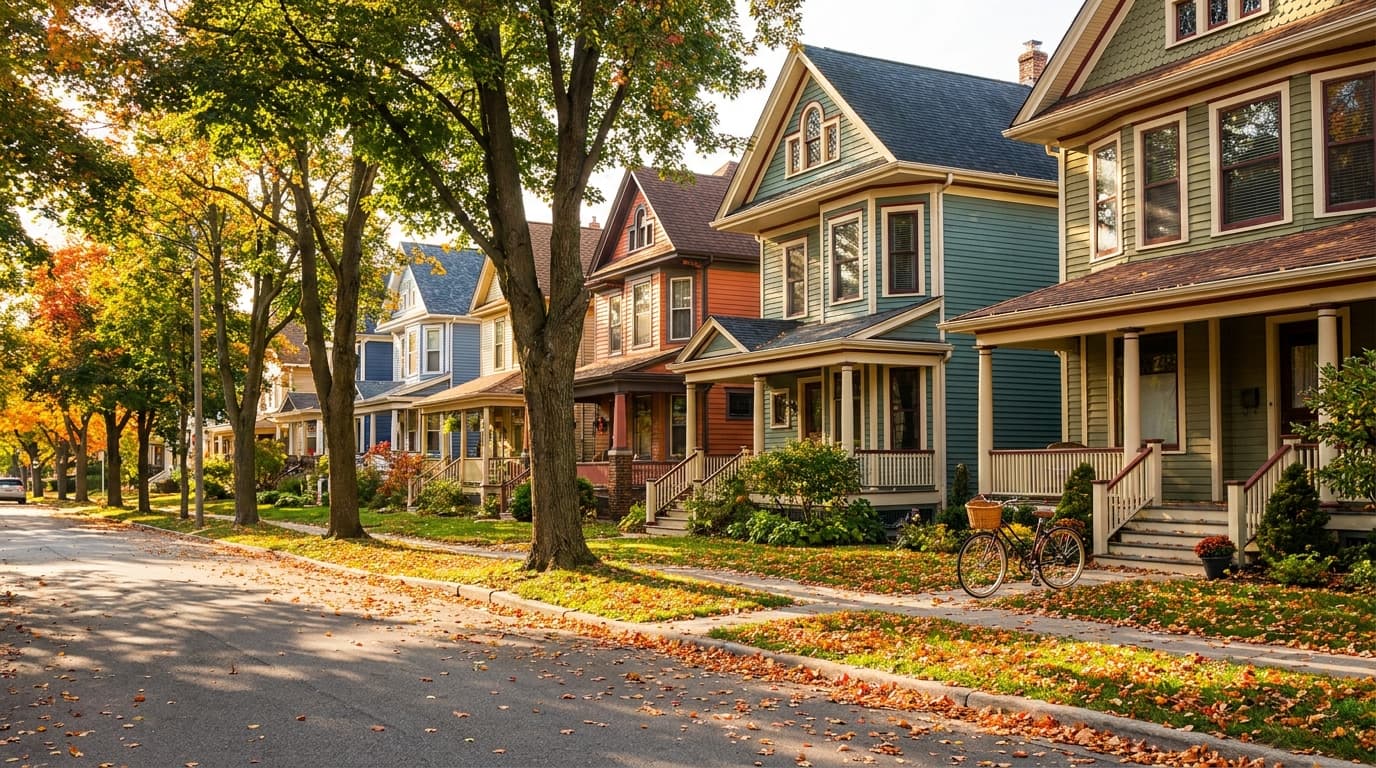
If you're a renter in Alabama, there's something you need to understand right away: Alabama is one of the most landlord-friendly states in the nation when it comes to rent control. Unlike California, New York, Oregon, and a growing number of other states, Alabama has no statewide rent control or rent stabilization laws. This means landlords can raise your rent by any amount they choose, whenever your lease allows, with virtually no legal ceiling or restriction. For renters moving to Alabama from states with stronger tenant protections, this reality can come as a shock. But understanding the landscape—what protections don't exist and what few safeguards do—is the first step to navigating the rental market successfully.
According to the National Apartment Association's 2024 survey, 37% of renters nationwide worry about rent increases forcing them to move, and that anxiety is particularly acute in states without rent control. In Alabama specifically, median rent has increased by approximately 15-18% over the past three years, outpacing wage growth and making it harder for working families to afford stable housing. The absence of legal rent caps means landlords operate under market-driven pricing with minimal obligation to cap increases or provide notice beyond what lease terms require. This article is designed to give you a complete picture of Alabama's rental landscape—what laws don't protect you, what limited protections do exist, and what practical strategies you can use to protect yourself as a renter.
The Bottom Line: Alabama Has No Statewide Rent Control
Let's start with the fundamental truth: Alabama does not have rent control, rent stabilization, or any statewide law that limits how much a landlord can raise your rent. This is established in Alabama's Property Rights Act and reinforced by state legislative history. Alabama lawmakers have consistently prioritized landlord rights over tenant rent protections, reflecting a political philosophy that views rent control as market interference. As of 2024, there is no pending legislation in Alabama that would introduce statewide rent control measures, though housing advocacy groups continue to push for tenant protections at the local level.
What does this mean practically? If your lease says rent is $1,200 per month and it expires in 12 months, your landlord can notify you that the new rent is $1,500—a 25% increase—and if you don't accept those terms, you'll need to move. There's no legal mechanism to challenge that increase as 'unfair' or 'excessive.' The only constraint is that landlords must follow the lease renewal process and provide notice according to the terms of your existing lease and Alabama's notice requirements (which we'll cover shortly).
Alabama renters have no legal right to challenge rent increases based on amount or frequency. Rent increases are limited only by market competition, not state law.
What Notice Requirements Do Exist?
While Alabama doesn't cap rent increases, it does require landlords to follow certain procedural rules about how and when they can raise your rent. These notice requirements are your primary legal protection, and understanding them is critical.
Lease Renewal and Non-Renewal Notice
Under Alabama law (Alabama Code § 35-9A-441), landlords must provide written notice of non-renewal or intent to change lease terms at least 30 days before the lease ends, assuming the lease is for one year or less. For leases longer than one year, the notice period is typically 60 days. However—and this is important—if your lease agreement specifies a different notice period, that lease term controls. Many landlords build their own notice requirements into leases, and those are legally binding as long as they meet or exceed state minimums.
This means if your lease expires on June 30 and your landlord doesn't notify you of a rent increase (or non-renewal) by June 1, they may have lost the legal right to enforce a new rent amount unless your specific lease allows otherwise. However, enforcement of this rule is largely your responsibility—you must document the notice (or lack thereof) and be prepared to argue it if the landlord tries to charge you a higher amount or evict you for non-payment.
Month-to-Month Tenancy Notice
If you're on a month-to-month lease (which happens automatically in Alabama if your original lease expires and you continue paying rent), the rules are slightly different. Under Alabama Code § 35-9A-441, a month-to-month tenant can be required to vacate with 30 days' written notice. A landlord can also raise rent on a month-to-month tenant with 30 days' notice, or they may require that notice to be given at a specific time in the payment cycle (for example, rent increase notices must be delivered by the 1st of the month to take effect on the 1st of the following month). Again, your lease should specify this.
The key takeaway: document everything your landlord sends you regarding lease changes or non-renewal. Take photos of physical notices, save emails, and create a timeline. If a landlord tries to evict you for 'non-payment' of a new rent amount that wasn't properly noticed, you'll have a defense.
State Laws That Do Protect Alabama Renters
While Alabama has no rent control, it does have a small set of tenant protections that apply statewide. Understanding these is essential, because they're the foundation of your legal rights as a renter in Alabama.
Habitability Standards
One of the most important protections Alabama renters have is the right to a habitable unit. Under the Alabama Property Rights Act (Alabama Code § 35-9A), landlords must maintain rental properties in a condition fit for human occupancy. This includes, but is not limited to:
- Functioning plumbing, heating, and water systems
- Weathertight roof and exterior
- Functional electrical wiring and outlets
- Adequate natural or artificial light and ventilation
- Floors, walls, and ceilings in good repair
- Safe and working locks on entry doors
- Sanitary conditions free of rodents, insects, and vermin
- Compliance with building and housing codes
If your landlord fails to maintain habitability, Alabama law allows you to withhold rent (though this is risky without proper documentation and notice), repair-and-deduct (up to one month's rent in some cases), or terminate your lease. However, Alabama tenants often face pushback when trying to enforce these rights, and eviction proceedings can move quickly, so documentation is critical. Photograph problems, send written notice to your landlord via email or certified mail, and keep records of all communication.
Security Deposit Protection
Alabama has specific rules about security deposits, though they are less protective than many other states. Under Alabama Code § 35-9A-361, landlords must:
- Return your security deposit within 30 days of lease termination, or provide a written itemization of deductions
- Keep deposits in a separate account (not comingled with operating funds)
- Pay interest on deposits held for longer than one year (at a rate of 5% annually, unless the lease specifies otherwise)
Landlords can deduct from your deposit for unpaid rent, damage beyond normal wear and tear, or cleaning costs to restore the unit to move-in condition. However, they cannot deduct for normal wear and tear, pre-existing damage, or damage caused by normal use. The problem: Alabama law doesn't explicitly require landlords to provide an itemized deduction list or explain their charges in detail, and many landlords simply keep deposits without justification. If this happens to you, you can sue in small claims court to recover the deposit plus court costs. Alabama courts have increasingly sided with tenants in these disputes when the landlord fails to provide written notice and itemization.
Protection Against Retaliation
Alabama renters have a critical protection: landlords cannot retaliate against you for exercising your legal rights. Under Alabama Code § 35-9A-501, it's unlawful for a landlord to terminate your lease, increase rent, decrease services, or otherwise penalize you because you:
- Complained to a government agency about code violations or habitability issues
- Requested repairs or maintenance
- Organized or participated in a tenant organization
- Exercised your right to withhold rent or repair-and-deduct (if done lawfully)
- Testified or participated in a legal proceeding relating to your tenancy
This protection has a time limit: if a landlord raises rent or threatens eviction within six months of a protected action, the law presumes retaliation—unless the landlord can prove otherwise. After six months, the burden shifts to you to prove retaliation. This is one of Alabama's strongest tenant protections, and it's enforceable in court. If you believe you're being retaliated against, document the timeline carefully and consult with a local legal aid organization.
Local and Municipal Rent Control: A Rarity in Alabama
While Alabama has no statewide rent control, could individual cities or counties implement their own? In theory, yes—but in practice, Alabama's state law and political culture make local rent control extremely unlikely. Alabama Code § 11-45-1 gives municipalities home rule authority to regulate local affairs, but Alabama courts have interpreted this narrowly when it comes to interfering with property rights or private contracts. Additionally, there is significant political opposition to rent control at all levels of Alabama government.
As of 2024, no Alabama municipality has implemented rent control or rent stabilization ordinances. Birmingham, Mobile, Montgomery, and Huntsville—the state's largest cities—have explored housing advocacy initiatives, but none have moved toward rent regulation. If you're looking for rental protections in Alabama, local ordinances are not a resource you can rely on.
Eviction and Rent Increase Timing: What You Actually Control
Because Alabama has no rent control, the practical question becomes: what can you actually do when faced with a large or sudden rent increase? Understanding Alabama's eviction and lease termination rules gives you some leverage.
Your Right to Leave
If your landlord raises rent at lease renewal and you don't accept the new terms, you're not required to sign a new lease. You can leave without penalty once your lease expires, as long as you provide proper notice. For fixed-term leases, you don't need to give notice to vacate (the lease ends automatically), but it's smart to provide 30 days' written notice anyway to avoid any disputes about your move-out date or cleaning responsibilities.
Here's the catch: if you're on a month-to-month lease and want to leave due to a rent increase, you typically need to provide 30 days' notice to vacate. Your landlord will also need to give you 30 days' notice of the rent increase. So if your landlord notifies you on the 15th of the month that rent is increasing effective the 1st of next month (which would be less than 30 days' notice), that notice is likely invalid, giving you time to find a new place without rushing.
Improper Eviction and Your Rights
Landlords cannot evict you simply because you refuse to pay a rent increase that wasn't properly noticed. An eviction in Alabama must follow formal legal procedures (Alabama Code § 35-6-1 et seq.). Here's the process:
- 1The landlord must file a complaint for unlawful detainer in district court (this is the formal eviction case).
- 2You must be served with the complaint, typically by a sheriff or certified mail.
- 3You have the right to appear in court and defend yourself (usually within 7-10 days).
- 4If the court rules in the landlord's favor, you'll receive a judgment and a writ of eviction.
- 5Only then can the sheriff physically remove you from the property.
The process typically takes 3-4 weeks, though it can be faster if you don't contest it. Importantly, if your landlord didn't provide proper notice of a rent increase, you have a legal defense—you cannot be evicted for non-payment of an amount that wasn't properly communicated. This is your main practical protection in Alabama: procedural rights and documentation.
Document everything: lease terms, notice dates, rent increase announcements, and move-out dates. This is your strongest defense against improper eviction or rent disputes in Alabama.
Practical Strategies for Managing Rent Increases in Alabama
Since Alabama renters can't rely on rent control laws, you need to be strategic. Here are evidence-based approaches that actually work.
1. Know Market Rates in Your Area
Understanding what similar units rent for in your neighborhood is your first line of defense. If your landlord is raising rent by 30% when the market increase is 5-8%, you have leverage to negotiate. Use Zillow, Apartments.com, Rent.com, and local property management company listings to research comparable units. Screenshot listings with rent prices and move-in dates. If your unit is comparable to others renting for $100-150 less, you can make a fact-based case to your landlord that the increase is overpriced.
2. Build a Rental History and Improve Your Tenant Profile
The best defense against aggressive rent increases is being a desirable tenant. Landlords are more willing to offer below-market increases to reliable tenants because replacing you costs money (marketing, screening, cleaning, turnover time). Demonstrating your value includes:
- Paying rent on time, every time (this is non-negotiable)
- Maintaining the unit well and reporting maintenance issues promptly
- Minimizing complaints from neighbors or property managers
- Signing longer leases if possible (gives the landlord certainty)
- Documenting your good tenancy in writing—photos of unit condition, positive interactions, etc.
If you're job hunting or moving to Alabama, using a platform like VerticalRent can help you build a portable rental history. VerticalRent's AI risk scoring tool helps landlords see past credit scores and understand your actual reliability as a tenant. By developing a strong tenant profile early, you reduce the likelihood of facing exploitative increases later.
3. Negotiate Before Signing
When your lease renewal notice arrives with a significant rent increase, don't automatically accept or immediately vacate. Instead, try negotiating. Send your landlord a professional email that includes:
- Comparable market data showing what similar units rent for
- Documentation of your good tenancy (on-time payments, no complaints, maintenance cooperation)
- A proposal for a smaller increase (e.g., 5-8% instead of 20%), perhaps with a longer lease commitment
- A request for a meeting to discuss the increase
Many landlords are open to negotiation, especially for reliable tenants. A modest compromise increase is often preferable to a landlord than losing a good tenant and incurring turnover costs. Even if the landlord won't budge, you've documented your good faith effort and position yourself well for future situations.
4. Plan Your Move Early
If negotiation fails or you decide the increase is unacceptable, start looking for new housing well before your lease expires. Alabama's rental market varies by city—Birmingham and Huntsville have different availability and pricing than smaller towns. By starting your search 60-90 days before your lease ends, you can:
- Compare rents across neighborhoods and find better deals
- Avoid desperation decisions made under time pressure
- Schedule move-outs and new move-ins on your timeline
- Negotiate with new landlords from a position of strength (you're not forced to take their first offer)
5. Understand Your Break-Lease Rights
If your lease has expired and you're on a month-to-month tenancy, you can leave with 30 days' notice whenever you want—including immediately after a rent increase announcement. This is one of the few leverage points renters have in Alabama. If your landlord increases rent on your month-to-month lease, you're not trapped; you can leave. Use this freedom strategically: if the market is soft and you have options, leaving might be your best response to an unreasonable increase.
COVID-Era Protections: What Expired and What Remains
During the COVID-19 pandemic, federal and state eviction moratoriums temporarily prevented landlords from evicting tenants for non-payment. Alabama also received federal emergency rental assistance. These protections expired in 2021. As of 2024, Alabama has no active eviction moratoriums or pandemic-related rent restrictions. However, if you're struggling to pay rent due to temporary hardship (job loss, medical emergency), some local nonprofits and government agencies still offer emergency rental assistance. Contact your county department of human resources or local legal aid for information.
Advocacy and Political Change: Where Alabama Renters Stand
Alabama's lack of rent control isn't accidental—it reflects state policy and political culture. However, renters in Alabama aren't powerless. Housing advocacy organizations including the Alabama Tenants Advocates and the Community Reinvestment Association have been pushing for stronger tenant protections. These include:
- Stronger habitability standards with better enforcement
- Expanded security deposit protections and interest accrual
- Anti-gouging measures that would trigger review of extreme rent increases
- Mandatory notice periods for rent increases beyond a certain threshold (e.g., 60 days for increases over 10%)
- Expanded retaliation protections
As of the Alabama 2024 legislative session, none of these proposals have advanced to law, but momentum is building. If you care about renter protections, advocating for change—contacting state representatives, supporting tenant organizations, and participating in local housing conversations—is how Alabama's renters build power over time.
The Bottom Line and Your Action Plan
Here's what you need to remember as an Alabama renter:
- Alabama has no rent control or rent stabilization laws. Landlords can raise rent by any amount they choose.
- Your protections are procedural, not substantive: proper notice, habitability standards, security deposit rules, and retaliation protections.
- Document everything—lease terms, notices, communication, move-out dates, and unit condition.
- Before accepting a large rent increase, research comparable market rates and consider negotiation.
- If the increase is unacceptable, use your freedom to leave; start searching for new housing early and on your terms.
- Build a strong rental history; reliable tenants have more leverage and negotiating power.
- Know your rights under Alabama's habitability laws and anti-retaliation protections; they're your strongest practical safeguards.
Navigating Alabama's renter-unfriendly legal landscape requires knowledge, documentation, and strategic planning—but it's absolutely doable. The renters who fare best are those who understand the rules, track their tenancy carefully, and refuse to be passive. You have more power than you might think, and using it wisely can protect your housing stability and financial security.
How VerticalRent Can Help You Navigate Alabama's Rental Market
One of the biggest challenges renters face in Alabama—especially those moving to the state from other regions—is finding landlords who respect tenant rights and are transparent about lease terms, move-in costs, and rent increase policies. VerticalRent is an AI-native property management platform designed to connect renters with landlords who operate fairly and professionally. Here's how it helps:
- Landlord Transparency: VerticalRent landlords are required to disclose lease terms, rent increase policies, and expectations upfront. No surprises.
- Rental History Building: Every payment made through VerticalRent is documented and contributes to your portable rental history. This strengthens your negotiating position with any landlord, not just those using VerticalRent.
- AI-Powered Lease Generation: VerticalRent's AI generates state-compliant leases instantly, including Alabama-specific habitability and notice requirements. Both landlords and renters have clarity about their obligations.
- Frank, Your AI Assistant: If you have questions about lease terms, rent increase notices, or your rights under Alabama law, Frank can provide immediate, accurate guidance tailored to Alabama regulations.
- Secure Payment and Communication: Automated rent collection and real-time notifications eliminate miscommunication about payment deadlines or lease changes. Everything is documented.
If you're a renter in Alabama, especially if you're new to the state or building your rental history for the first time, VerticalRent can be a tool to find fair landlords, protect yourself through documentation, and develop a strong tenant profile that gives you leverage in future situations. Visit verticalrent.com to learn more about how the platform is reshaping the rental experience for independent landlords and renters alike.
Ready to take control of your rental future in Alabama? Join VerticalRent and build a portable rental history that protects you, connects you with transparent landlords, and gives you the documentation you need to negotiate fairly. Visit verticalrent.com today.
**Legal Disclaimer** *The information in this article is provided for educational purposes only and does not constitute legal advice. Tenant-landlord laws vary significantly by state, county, and city and may have changed since this article was written. VerticalRent is not a law firm and Matt Angerer is not an attorney. If you have a specific legal situation, please consult a licensed attorney in your jurisdiction.*
Put this into practice
VerticalRent tools related to this guide
Legal Disclaimer
VerticalRent and its authors are not attorneys, CPAs, or licensed legal or financial advisors, and nothing on this site constitutes legal, tax, or professional advice. The information in this article is provided for general educational purposes only. Landlord-tenant laws, eviction procedures, security deposit rules, and tax regulations vary significantly by state, county, and municipality — and change frequently. Nothing on this site creates an attorney-client relationship. Always consult a licensed attorney or qualified professional in your jurisdiction before taking any action based on information you read here.
Co-founded VerticalRent in 2011, growing it from nothing to 100k landlords and renters. Sold it in 2019, then re-acquired it in 2026 to make it better than ever.


