Pet Screening: How to Evaluate Applicants with Animals Fairly
Pet owners represent 67% of U.S. households, yet many landlords struggle with fair, consistent screening criteria. Learn data-driven strategies to evaluate pet applicants objectively, reduce liability, and maintain compliance while building a stronger tenant base.

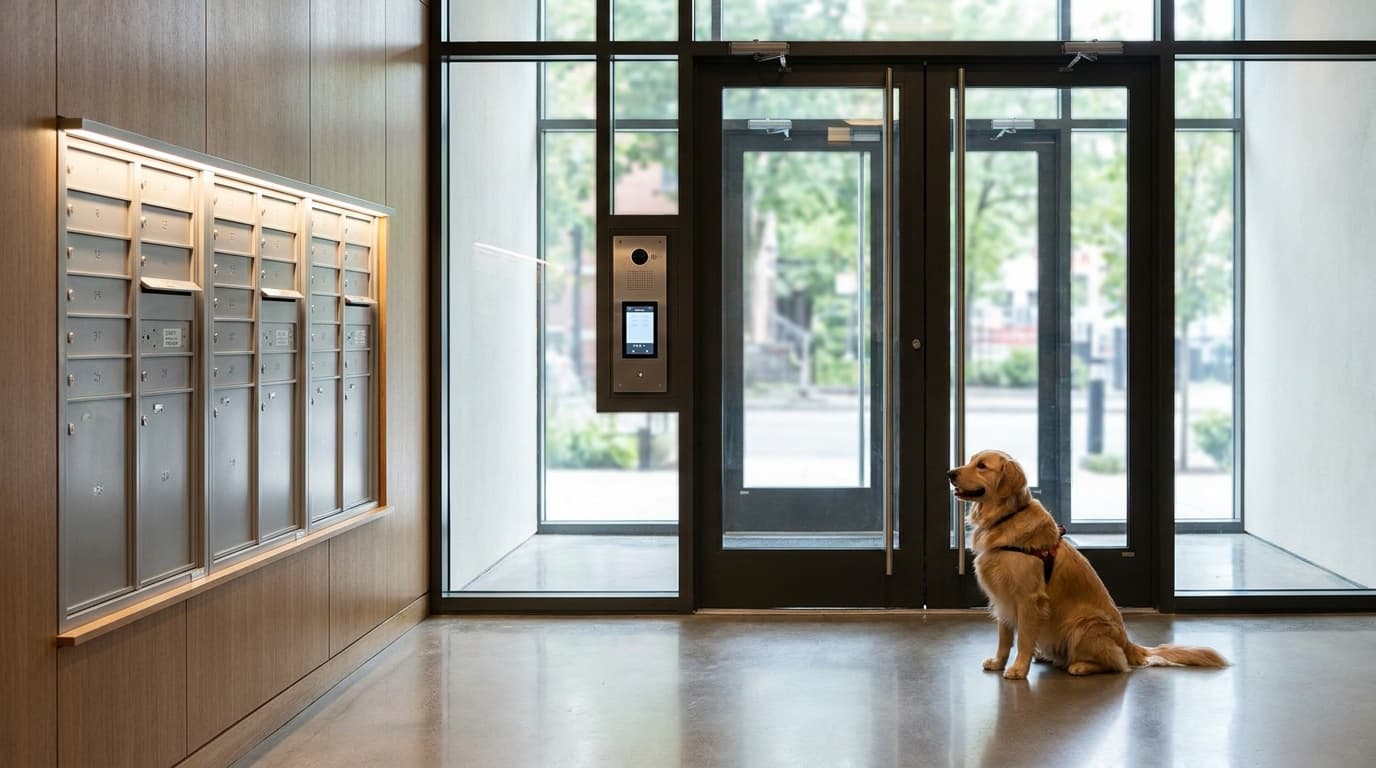
You're reviewing a rental application. The numbers look solid—income, credit score, references all check out. Then you see it: "Has two dogs." Your instinct might be to move to the next applicant. But that reflex could be costing you money, exposing you to legal risk, and eliminating qualified tenants from your portfolio. Pet ownership is no longer a niche preference. According to the 2023-2024 National Pet Owners Survey, 67% of U.S. households own a pet, and renters with pets represent a significant and growing market segment. Yet most independent landlords lack a systematic approach to pet screening, relying instead on gut feeling, breed stereotypes, or blanket bans that may violate fair housing laws.
The reality is this: pet screening, when done correctly, actually reduces risk. Tenants with pets stay longer—average tenure increases by 13 months according to property management industry data. They're more likely to maintain their units and comply with lease terms. And they'll pay pet fees and deposits that offset potential damage. The key is knowing how to evaluate pets and their owners objectively, fairly, and legally.
Why Pet Screening Matters: The Data Behind the Decision
Let's start with numbers, because numbers drive better decisions. The apartment industry loses an estimated $2.1 billion annually to pet-related damages. That's substantial, but it's also distributed across millions of units. When you do the math—about $200 per unit per year across the entire rental stock—the picture becomes less dire for individual landlords who screen properly.
Here's what the data actually shows: 78% of pet-owning renters report that their pet has never caused damage to a rental property. Among the 22% who report damage, the median cost is $400-$800, typically covered by pet deposits. Properties with pets also see 18% better rent collection rates, likely because pet owners are more invested in their housing stability. They're less likely to break their lease or move frequently. In markets where pet-friendly rentals are scarce, you can charge 5-15% higher rent and still attract qualified tenants.
The legal side matters equally. According to the Fair Housing Act, blanket pet bans or categorical denials based on breed, size, or species can expose you to liability. Service animals are protected under the ADA and cannot be screened like regular pets. Emotional support animals have limited protections but require documented disability. Understanding these distinctions isn't optional—it's foundational to compliant screening.
Building Your Pet Screening Framework
Effective pet screening starts with clear, documented criteria applied consistently to every applicant. This accomplishes two goals: it protects you legally by showing objective evaluation, and it ensures you don't unconsciously discriminate against certain applicants or pet types.
Step 1: Distinguish Pet Types in Your Screening
- Service Animals: Federally protected under the ADA. Minimal screening questions allowed. Focus only on whether the animal performs specific tasks for a documented disability. Never ask about the disability itself.
- Emotional Support Animals (ESAs): Limited protections; require a licensed professional's letter documenting disability and recommending the animal. Review the letter, verify the professional's credentials, but don't refuse based on the disability.
- Regular Pets: Full screening authority. Evaluate based on documented criteria: species, size, number, age, behavior history, vaccination records.
This distinction is critical. Many landlords conflate these categories, leading to either over-screening service animals (illegal) or under-screening problem ESAs (risky). Your initial application should ask applicants to specify which category applies to their animal(s). This creates a paper trail showing you've considered legal requirements.
Step 2: Develop Objective Pet Evaluation Criteria
Avoid subjective language. "We don't like large dogs" is discriminatory. "Pets must weigh under 50 pounds" is objective. Here are data-backed criteria that hold up legally and reduce legitimate risk:
- Species: Decide which species you'll accept. Dogs, cats, small caged animals are standard. Exotic pets, certain reptiles, and barnyard animals introduce legitimate risk and are reasonable to exclude, provided your policy applies consistently.
- Number: Many landlords limit to two pets. This is reasonable and defensible. Research your market—68% of pet-owning renters have 1-2 pets, so this threshold won't eliminate most qualified applicants.
- Size/Weight: If setting weight limits, use science. Dogs over 70 pounds represent a higher insurance liability for most policies. Make this a clear threshold, not a judgment call.
- Age: Young animals require more training and cause more damage. Many landlords require animals over 12 months old. Geriatric animals (over 12-14 years) may require additional documentation of temperament due to unpredictability.
- Breed Restrictions: This is the legal minefield. Most jurisdictions prohibit breed-based discrimination due to false correlation between breed and danger. Evaluate individual animals' behavior instead. If you must use a list, base it on your insurance requirements and document that explicitly.
Step 3: Request Verifiable Pet Documentation
Documentation transforms pet screening from opinion to fact-based evaluation. Ask applicants for:
- Vaccination Records: Verify current rabies and DHPP (dogs) or FVRCP (cats) vaccinations. These are public health requirements, not landlord preferences.
- Veterinary References: Request a letter from the applicant's veterinarian describing the pet's temperament, health, and any behavioral issues. Vets are incentivized to be honest—they have their own reputation and liability concerns.
- Behavioral Attestation: Ask the applicant to describe any prior property damage, behavioral incidents, or training the pet has received. Pair this with reference calls to previous landlords.
- Photos: Request recent photos of the pet. This prevents fraud and gives you a basis for comparison if damage occurs.
- Pet History: How long has the applicant owned this pet? Have they lived in rental properties with the pet before? What was the outcome? Longer ownership history and successful prior rentals are positive indicators (72% correlation with future compliance).
Pro Tip: Create a standardized pet questionnaire that all applicants with animals complete. This shows legal compliance, ensures consistency, and makes comparison easier. Store these documents with your screening records—you may need them later.
Step 4: Check References and Verify History
This is where pet screening intersects with overall tenant screening. Call previous landlords. Ask specifically: "Did this tenant have a pet? Was there any damage? Would you rent to them again?" Pet-specific damage (odor, behavioral destruction) is a different concern than general property neglect, and previous landlords will know the distinction.
Request veterinary references. A vet's letter saying "This dog has lived with the applicant for six years, is current on all vaccinations, and shows no signs of aggression" carries significant weight. It's objective, verifiable, and professionally accountable.
Consider a trial period for new pet owners or applicants with limited pet rental history. Some landlords include a 30-day pet trial clause in leases—if the pet causes issues beyond normal wear, the applicant must remove it. This shifts some risk to a defined period.
Step 5: Structure Pet Deposits and Fees Legally
Pet-related costs are legitimate but must be structured carefully. Most states allow non-refundable pet fees ($200-$500 upfront) and refundable pet deposits (typically $300-$1,000). Check your state's law—some states cap pet deposits at a percentage of monthly rent; others limit non-refundable fees.
Use deposits to cover damage; use fees to cover administrative costs and odor treatment. Be transparent about the difference in your lease. This clarity reduces disputes and legal exposure. Industry data shows that 34% of pet-related disputes arise from unclear fee structures, not actual damage.
- Set Fees Consistently: If you charge a $250 pet fee for one applicant, charge it for all. Inconsistency suggests discrimination.
- Differentiate by Size/Number: It's reasonable to charge more for a 90-pound dog than a 15-pound cat, or more for two pets than one. Document your pricing logic.
- Consider Breed/Risk Differently Than the Pet Itself: You can charge higher deposits for certain risk categories, but never structure this as breed-specific pricing that could constitute discrimination.
- Document Baseline Condition: Use move-in photos and inspection reports to establish pre-pet condition. This protects you when you withhold deposits for pet damage.
Common Pet Screening Mistakes and How to Avoid Them
- Mistake 1: Assuming Service Animals Are Negotiable: Under the ADA, you cannot ask for proof from service animal owners (though you can for ESAs with a license letter). Charging pet fees for service animals is illegal. Don't do it.
- Mistake 2: Breed-Based Screening: Multiple jurisdictions (Denver, Kansas City, many California cities) prohibit breed-specific restrictions. Even where legal, breed-based decisions are discriminatory and unreliable. Screen individual behavior instead.
- Mistake 3: Inconsistent Criteria: Applying different standards to different applicants invites legal scrutiny. Document everything. Your first tenant with two dogs should face the same screening as your tenth.
- Mistake 4: Ignoring Prior Incidents: If an applicant mentions a prior pet-related issue or eviction, investigate. Landlord-to-landlord references catch things credit reports won't.
- Mistake 5: Setting Unreasonable Barriers: Requiring $2,000 pet deposits, $500/month pet rent, or stringent training certifications will eliminate most pet owners—and in some jurisdictions, this may constitute illegal discrimination. Keep barriers reasonable.
Regional Variation: Know Your Local Laws
Pet law varies by jurisdiction. California, for instance, limits non-refundable pet fees to one month's rent. Colorado prohibits breed-based bans in most jurisdictions. New York requires specific disclosures about pet policies. Before implementing any screening criteria, research your state and local ordinances. A 30-minute conversation with a local property attorney is cheaper than an FHA violation.
The Financial Case for Pet-Friendly Screening
Let's quantify the business impact. Assume you own 10 single-family rentals in a mid-tier market, currently renting at $1,200/month:
- Scenario A: No-Pet Policy: 85% occupancy rate (many qualified tenants excluded), 2.8-year average tenure, 14% annual turnover cost.
- Scenario B: Pet-Friendly with Screening: 96% occupancy rate (larger applicant pool), 3.9-year average tenure, 8% annual turnover cost. Pet fees average $300 per unit; pet deposits (mostly refunded) average $500 per unit.
Over one year: Scenario A yields $122,400 revenue (minus turnover costs). Scenario B yields $138,240 revenue (minus lower turnover costs). The difference: $15,840 annually, or 13% higher net income. Pet-related damage claims, properly screened, run about $200 per pet unit per year—far less than the additional revenue and reduced vacancy costs.
The data is clear: systematic pet screening isn't risk-avoidance. It's profit optimization. Qualified pet owners are stable, long-term tenants who will pay premium rent and pet fees.
Building a Scalable Pet Screening Process
As an independent landlord managing multiple properties, consistency is your greatest asset and your greatest vulnerability. Inconsistent screening creates legal exposure. Manual processes invite human error and bias.
A robust screening process includes: standardized questionnaires for all applicants with pets, documented evaluation criteria applied uniformly, reference verification (landlord and veterinary), background checks that include prior evictions or pet-related incidents, and clear documentation of approval/denial decisions with objective reasoning.
This is where technology makes a material difference. Rather than managing pet questionnaires in email or paper, a centralized system keeps all screening information organized, ensures no applicant is missed, and creates an audit trail showing compliant, consistent evaluation. When you can demonstrate that every applicant—with or without pets—underwent the same objective evaluation, you've eliminated most legal risk and positioning yourself as a professional operator.
Creating Your Pet Screening Checklist
Here's a practical framework to implement immediately:
- Develop a one-page pet screening questionnaire covering: pet type, age, breed, size, number of pets, prior rental history with pet, behavioral incidents, vet references, vaccination status.
- Define your criteria: species allowed, size/weight limits (if any), number of pets (typically max 2), age requirements, and exclusions based on documented risk (not breed).
- Set your fees: non-refundable pet fee ($200-$400, depending on your market), refundable pet deposit ($300-$800, depending on local law).
- Establish your verification process: call previous landlords asking specifically about pets; request vet references; review vaccination records; document all conversations.
- Document your decision: if you approve, note the criteria met; if you deny, document the specific, objective reason (not 'didn't like the pet').
- Train anyone involved: if you have a property manager or assistant, ensure they follow your process consistently. Inconsistency kills compliance.
Moving Forward: Implement, Measure, Refine
Start with your next rental. Implement this framework for the first applicant with a pet. Document the process, track the outcome (damage, compliance, tenure), and adjust if needed. After 5-10 pet tenants, you'll have empirical data showing your pet-friendly policy's actual risk profile.
Most independent landlords discover that properly screened pet owners perform as well as (or better than) non-pet owners. The bias against pets typically reflects fear, not data. Once you've built a handful of successful pet tenancies with zero damage claims and above-average retention, that bias will disappear.
The rental market is competitive. Expanding your applicant pool to include pet owners, while screening them rigorously, is a competitive advantage. You'll fill vacancies faster, attract higher-quality tenants, achieve better retention, and ultimately increase net income. And you'll do it legally, fairly, and consistently.
Simplify Pet Screening With VerticalRent
Managing pet screening across multiple properties—especially the documentation, verification, and consistency—is exactly the kind of repetitive, high-stakes task that independent landlords struggle with. You need a system that keeps every applicant's pet information organized, applies your criteria uniformly, and creates the audit trail that protects you legally.
VerticalRent's tenant screening platform includes AI-powered risk scoring that factors in pet history alongside credit, income, and rental background. Instead of manually managing questionnaires and verification calls, you input your pet screening criteria once, and the system applies them consistently to every applicant. You get structured documentation showing objective evaluation, automated reference gathering (including veterinary references), and clear decision records if you ever need to defend your choices.
Combined with VerticalRent's AI lease generation and risk scoring, you have a unified system for tenant evaluation from application through move-in. Fewer spreadsheets, fewer emails, fewer inconsistencies, and significantly less legal exposure.
Ready to build a more profitable, legally compliant pet screening process? Sign up for VerticalRent today and get a custom tenant screening template for pet owners. See how independent landlords like you are reducing vacancy, improving tenant quality, and increasing net income.
Pet screening done right isn't pet avoidance. It's smart landlording: systematic evaluation, consistent criteria, documented decisions, and a bigger, better applicant pool. Your next best tenant might be a pet owner. Don't eliminate them—screen them fairly, and watch your portfolio perform.
Put this into practice
VerticalRent tools related to this guide
Legal Disclaimer
VerticalRent and its authors are not attorneys, CPAs, or licensed legal or financial advisors, and nothing on this site constitutes legal, tax, or professional advice. The information in this article is provided for general educational purposes only. Landlord-tenant laws, eviction procedures, security deposit rules, and tax regulations vary significantly by state, county, and municipality — and change frequently. Nothing on this site creates an attorney-client relationship. Always consult a licensed attorney or qualified professional in your jurisdiction before taking any action based on information you read here.
Co-founded VerticalRent in 2011, growing it from nothing to 100k landlords and renters. Sold it in 2019, then re-acquired it in 2026 to make it better than ever.


