How to Rent My House: A Landlord's Complete Guide
Learn how to rent my house with a step-by-step guide for independent landlords covering pricing, screening, leases, rent collection, and compliance.

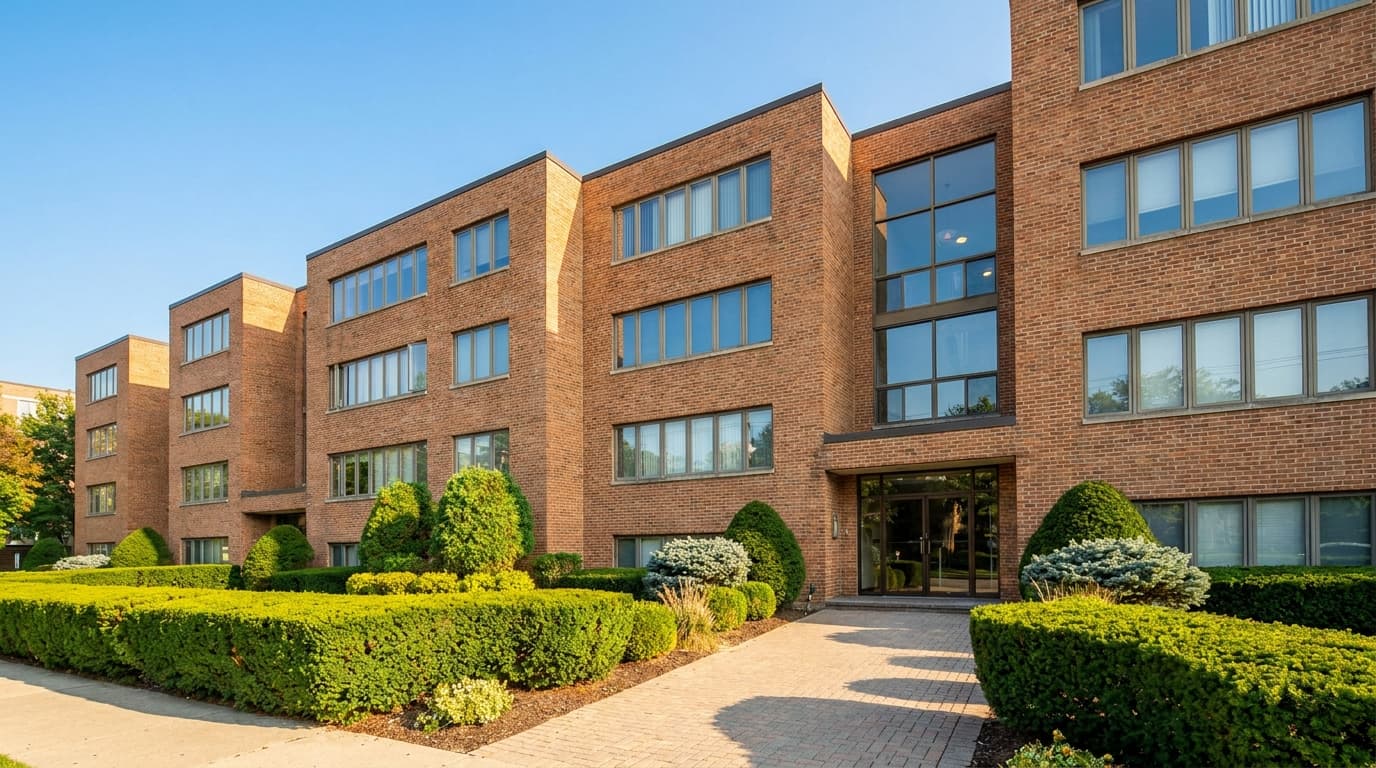
You're standing in an empty living room with a set of keys, a mortgage payment, and a phone full of unanswered questions. What should the house rent for? Which lease is valid in your state? How do you screen applicants without creating a fair housing problem? Who answers when the HVAC fails at night, and how do you collect rent without sending reminders every month?
Learning how to rent my house isn't mainly about posting a listing. The listing is the easy part. The difficult work starts after someone applies, signs, moves in, pays late, reports a repair, or asks to renew. A successful rental is a repeatable operating system that connects preparation, pricing, screening, leasing, payment collection, maintenance, compliance, and retention.
The First-Time Landlord's Reality Check
The day after closing, a first-time landlord often discovers that ownership and operation are different jobs. The house may be clean enough to live in, but there's no plumber on speed dial, no state-specific lease ready to sign, and no written standard for deciding whether one applicant is stronger than another. The owner has a listing pad in hand, but not yet a rental business.
That gap creates expensive improvisation. You can price from the mortgage instead of the market, accept a friendly applicant without verifying the file, or copy a lease that conflicts with local law. You can also underestimate the day-two workload, from late-night repair calls to bookkeeping, deposit records, and deciding whether keeping a reliable tenant is worth more than chasing a higher renewal price.
The national rental vacancy rate was 7.3% in the second quarter of 2026, compared with a 1.2% homeowner vacancy rate, according to the U.S. Census Bureau's housing vacancy data. The rental rate was 7.0% in Q2 2025, then 7.1% in Q3, 7.2% in Q4, and 7.3% in both Q1 and Q2 2026. That relatively stable but high vacancy environment means an empty rental deserves immediate attention. Price, presentation, screening speed, and turnover execution all affect how long the property produces nothing.

Finish the physical preparation first
Start with the condition a tenant will experience, not the improvements you personally prefer. Deep-clean the kitchen and bathrooms, repaint scuffed walls, replace burned-out bulbs, repair damaged caulking, service the HVAC, and photograph the property in natural light. Wide-angle photos should show the room, not distort it into something the tenant won't recognize at the showing.
Use the same standard throughout the house:
- Safety: Test smoke and carbon monoxide detectors, repair loose railings, and address trip hazards.
- Durability: Choose washable paint, dependable fixtures, and flooring that can handle ordinary turnover.
- Presentation: Remove clutter, open blinds, and photograph every important room before the listing goes live.
- Access: Cut duplicate keys, re-key exterior locks, and confirm every door, window, appliance, and utility works.
Build the financial and legal tracks
Open a dedicated operating account before collecting rent. Keep a reserve that can cover at least one month of mortgage payments plus repairs, and decide whether you'll self-manage or hire help. The plan notes suggest property management can cost 8% to 12% of rent, but any quoted fee must be verified against a specific manager's agreement and service scope.
Then handle the legal setup. Confirm that zoning permits a single-family rental, obtain any local license or registration, arrange the correct landlord insurance, and identify required smoke and carbon monoxide detector standards. Save every invoice, approval, inspection record, and insurance document in a property file.
The tips for first-time landlords are useful background, but your local housing department, insurer, and attorney should control the final requirements.
Practical rule: Don't publish the listing until the house, money flow, legal file, and vendor response plan are ready.
Your pre-listing checklist should include:
- Property ready: Clean, repaired, photographed, and inspected.
- Money ready: Operating account opened, reserves established, and expenses categorized.
- People ready: Plumber, electrician, HVAC technician, cleaner, and handyman identified.
- Documents ready: State lease source, required disclosures, application, screening criteria, and move-in checklist.
- Market ready: Rent range validated against three genuine local comparables.
That sequence matters. Prep first, price second, screen third, lease fourth, collect fifth, maintain continuously, stay compliant, and review the operation during the first 90 days. Renting a house is a system, not a single advertisement.
Pricing Your Rental in a Vacancy-Heavy Market
Rent should come from comparable homes and vacancy economics, not your mortgage payment. Pull at least three local comparables that match the property's bedrooms, bathrooms, size, condition, parking, outdoor space, and major appliances. An updated house with a garage and laundry shouldn't be compared with an older property on a busy street that restricts pets.
The rental pricing guide can help organize the research, but the final decision belongs to the local market. Compare active listings with recently leased homes when possible, then adjust for condition and demand. A beautiful kitchen can support a stronger position. An aging HVAC system, poor lighting, or strict pet policy usually pushes the property down the range.
Treat time on market as a key performance indicator. National multifamily data reported an average of 32 days to lease in August 2026, while an earlier 2026 market recap reported a median list-to-lease period of 41 days in January. Those figures come from Apartment List's national rent research, and they reinforce one point: demand doesn't guarantee an immediate lease.
Use a clear decision rule. List near the upper end of the evidence-based range, monitor inquiries and completed applications, and reduce the price if the response is weak rather than allowing the listing to become stale. Don't confuse a high asking price with a high annual return. A vacant property earns nothing while you wait.
| Pricing Strategy | Likely Vacancy | Effective Annual Rent | Net Outcome |
|---|---|---|---|
| Price above comparable homes | Longer vacancy risk | May fall below expectation | Higher advertised rent, weaker realized income |
| Price at the supported market range | Controlled vacancy | Closest to scheduled rent | Balanced income and applicant quality |
| Price slightly below the top of the range | Faster response potential | May reduce monthly rent modestly | Often stronger when speed and tenant choice matter |
Also compare the cost of turnover with the benefit of a rent increase. A dependable tenant who renews may produce a better result than a small increase that triggers vacancy, cleaning, repairs, marketing, and a new screening process.
Screening Tenants Without Violating the Law
Screening should feel boring. That's a strength. Decide your criteria before reviewing applications, apply them to every applicant, document the result, and avoid exceptions based on charm, urgency, familiarity, or personal sympathy.
A U.S. legal filing summarizing survey evidence reported that 87% of landlords use tenant screening services. The same materials cited algorithmic screening use at 60% to 70% among large-scale landlords, compared with 40% to 50% among small-scale landlords. The federal filing summarizing tenant-screening evidence also cited approximately 2.3 million eviction filings in 2016, illustrating why a landlord shouldn't rely on a casual conversation.
Use one documented process
Require the same application from every applicant. Verify identity, income, employment, rental history, and references with consistent documentation. Use a consumer reporting agency that follows Fair Credit Reporting Act requirements, and understand how adverse action notices work before you decline an applicant based partly on a report.
A practical workflow looks like this:
- Publish criteria: State the income, credit, rental-history, occupancy, and documentation standards.
- Collect applications: Use the same form and required materials for every adult applicant.
- Verify facts: Contact employers and prior housing providers through documented channels.
- Run reports: Obtain credit, eviction, criminal, and rental-history information through a compliant provider.
- Record the decision: Note which criteria were met or missed, then retain the file securely.
Landlords should also review what landlords can legally ask with a qualified attorney, especially because state and local source-of-income protections can change what you may request or consider.
| Criterion | Standard Threshold | Verification Method | Fair Housing Note |
|---|---|---|---|
| Income | Written, consistently applied standard | Pay records, employer verification, or permitted documentation | Apply the same rule to every applicant |
| Employment | Stable and verifiable employment or lawful income source | Employer contact and applicant documents | Don't reject protected lawful income |
| Rental history | Confirmed prior housing record | Prior landlord references and records | Avoid different reference requirements |
| Credit and reports | Written report-based criteria | FCRA-aligned consumer report | Follow adverse-action duties |
| Occupancy | Property and code-compliant limit | Application and lease review | Don't use family status as a proxy |
Never use protected characteristics as a shortcut for risk. Don't ask different questions because one applicant “seems like a better fit.” The tenant screening process should produce a file another person could review and understand.
Drafting a Lease That Actually Fits Your State
A lease downloaded from a general internet search is a starting point at most. Use an attorney-reviewed base form for your state, then add county and city requirements. Local rules may affect registration, rent stabilization, notices, fees, deposit handling, and termination procedures.
The lease should identify the parties, property, term, rent, due date, payment method, late-fee rules, grace periods, deposit terms, maintenance duties, entry procedures, pets, smoking, utilities, and termination grounds. It also needs required disclosures, which can include lead-based paint for qualifying older properties, known mold or bedbug history, utility arrangements, HOA rules, and detector compliance.

Build the document in layers
Start with the state form. Add local rules. Then review the business terms against the actual property.
Pay particular attention to the security deposit. Some jurisdictions require separate handling, restrict deductions, or impose itemized-return deadlines. Late fees must comply with applicable limits, and entry clauses must match local notice rules. A lease that sounds strict but violates state law won't protect you.
Use an electronic-signature process that satisfies applicable federal and state requirements, including ESIGN and UETA where they apply. Before handing over keys, provide every tenant with the fully executed lease, required disclosures, move-in checklist, payment instructions, emergency contacts, and maintenance-request procedure. Keep the landlord copy in a secure digital folder.
The embedded lease-drafting walkthrough offers another way to think through the document before you send it for legal review.
Don't treat the lease as a document you forget after signing. It should be the operating reference for rent, repairs, access, notices, and renewal decisions.
Collecting Rent and Tracking Income
Set up rent collection before the tenant moves in. ACH should usually be the default because it creates a predictable electronic record and avoids the friction of checks, cash, and manual deposit trips. Card payments can be useful as a backup, but processing fees may reduce your net rent or be subject to restrictions if you pass them to the tenant.
| Method | Cost to Landlord | Funds Availability | Tenant Adoption |
|---|---|---|---|
| ACH transfer | Usually low or limited transaction cost | Predictable electronic posting, subject to processing time | Strong for recurring payments |
| Card payment | Processing cost may apply | Often faster than bank transfer | Convenient, useful as a backup |
| Check | Banking and handling burden | Depends on delivery and deposit | Familiar, but harder to automate |
| Cash | Handling and documentation risk | Immediate if deposited properly | Rarely worth the control problems |
Send rent into a dedicated property account and tag every transaction by property and month. Keep receipts, invoices, payment records, deposit records, and owner contributions together. Never treat a security deposit as income because it reached your bank account. Its treatment depends on the applicable law and whether you later apply it to permitted charges.
Your bookkeeping should support Schedule E reporting. Organize rental income, repairs, insurance, taxes, management costs, supplies, depreciation records, and other potentially deductible expenses, then confirm treatment with a tax professional. Reconcile the bank account monthly instead of waiting for tax season.
For a landlord evaluating the investment side of the decision, a calculator such as using RealtyAPI.io for deals can help structure property-level assumptions. It doesn't replace your books or tax advice, but it can expose whether the rent covers the full operating picture.
Payment friction deserves active monitoring. Independent-landlord data reported on-time payment rates of 84.5% in April 2026 and 83.2% in August 2026, while noting that late-payment pressure and full-payment rates can tell a different story. The August 2026 rental performance report supports a practical response: automate reminders, define late-payment steps in the lease, and document every contact.
Managing Maintenance and Keeping Tenants Long-Term
A tenant's first maintenance request tests your professionalism more than your listing does. Start with a move-in inspection that includes dated photos, written condition notes, meter readings where relevant, and a signed checklist. Store the record so you can compare it with the move-out condition later.

Triage before you dispatch
Not every request has the same urgency. A water leak, no heat, electrical hazard, or failed lock deserves faster attention than a cosmetic issue. Create three categories:
- Emergency: Immediate safety, active water intrusion, major loss of essential service, or a condition that can cause serious damage.
- Urgent: A significant repair affecting habitability or security, but not an active emergency.
- Routine: Cosmetic work, minor adjustments, and nonessential improvements.
Tell tenants how to report each category. Keep an emergency phone number separate from ordinary requests, and ask for photos or videos when safe. Then document the timestamp, vendor dispatch, arrival, diagnosis, authorization, and completion.
Build a vendor list before you need it. Confirm licensing and insurance where required, ask for clear invoices, and keep more than one option for plumbing, electrical, HVAC, locksmith, cleaning, and general repairs. The rental property maintenance tips can help expand that operating checklist.
Preventive maintenance costs less than avoidable emergencies. Schedule seasonal HVAC service, inspect roof and drainage conditions, test detectors, check caulking and plumbing, and conduct lawful inspections with the notice required by your jurisdiction.
Retention is an operating decision
Independent-landlord survey data found that tenant retention outperformed turnover five to one, while 18.0% of landlords avoid regular rent increases and nearly half kept rents flat. The 2026 independent landlord survey also reported that 74.4% of landlords said ownership costs rose, which makes retention more important, not less.
Keep good tenants through predictable communication, responsive maintenance, fair renewal pricing, and small practical incentives when they make financial sense. A renewal decision should compare the cost of turnover against the rent increase you're considering. The tenant who pays reliably and treats the house well is an asset. Protect that asset without ignoring the market.
Staying Compliant and Tax-Ready Year-Round
Compliance starts before advertising and continues after move-out. Review your wording, showing process, application, screening criteria, lease, notices, fees, and renewal practices against federal, state, county, and city requirements. Fair housing obligations apply to the entire customer journey, not only the application form.
Local rules can affect rental licenses, registration, rent caps, fee transparency, payment-processing charges, screening disclosures, and rent-increase notices. The requirements vary by jurisdiction, so maintain a property-specific compliance file rather than relying on a lease template or a generic landlord checklist.
Insurance needs the same attention. Tell your insurer that the property is rented and confirm that the policy is designed for landlord use. Review liability coverage, loss-of-rent protection, deductibles, and whether an umbrella policy fits your risk. A homeowner policy written for owner occupancy may not respond the way you expect after a claim.
Tax readiness depends on records, not memory. Keep:
- Lease files: Signed lease, addenda, disclosures, renewals, and notices.
- Money records: Rent ledger, bank statements, receipts, deposits, refunds, and owner contributions.
- Property records: Inspection reports, photos, repair invoices, warranties, and vendor communications.
- Tax support: Depreciation information, insurance statements, tax records, and applicable vendor filings.
- Compliance records: Licenses, registrations, detector documentation, insurance binders, and notice proof.
Use a 90-day launch plan
Days 1 through 30: Finish repairs, clean and photograph the house, research genuine comparables, open the operating account, confirm insurance, identify local requirements, and write screening criteria.
Days 31 through 60: Publish the listing, respond quickly, conduct consistent showings, screen applicants, draft the state and local lease, verify deposits and move-in funds, and prepare the property file.
Days 61 through 90: Sign the lease, complete the move-in inspection, transfer keys, activate rent collection, confirm emergency contacts, schedule preventive maintenance, and reconcile the first payment.
This sequence prevents the most expensive rookie errors because it forces decisions before pressure arrives.
Questions new landlords usually ask
How long should I wait between tenants?
Wait long enough to complete the inspection, repairs, cleaning, safety checks, documentation, and legal turnover requirements. Don't leave a property empty for convenience, but don't rush a make-ready and hand the next tenant a list of unresolved defects.
Should I allow pets?
Make a written pet policy that applies consistently and distinguishes ordinary pets from assistance animals, which are governed by different rules. Consider property condition, insurance, local law, and the cost of cleaning and repairs before setting the policy.
What should I do when rent is late?
Follow the lease and applicable notice rules. Send the documented reminder, confirm whether a payment problem is administrative or substantive, and never change locks, shut off utilities, or threaten a self-help eviction. Use the formal process required in your jurisdiction if the tenant doesn't cure the default.
What management fee is reasonable?
There isn't one universal answer. Compare the fee with the services included, leasing charges, renewal fees, maintenance markups, inspection frequency, notice handling, and your own availability. The cheapest manager can become expensive if the agreement excludes the work you need.
The landlords who last don't wait for a crisis to create a process. They build the process while the house is empty, then improve it after every application, repair, payment, and renewal.
VerticalRent gives independent landlords one place to manage the operational work covered here, including FCRA-compliant screening, state-specific lease generation, ACH and card rent collection, automated reminders, maintenance requests, vendor dispatch, and income and expense records that support Schedule E reporting. Visit VerticalRent to set up a more consistent system before your next tenant applies.
Put this into practice
VerticalRent tools related to this guide
Legal Disclaimer
VerticalRent and its authors are not attorneys, CPAs, or licensed legal or financial advisors, and nothing on this site constitutes legal, tax, or professional advice. The information in this article is provided for general educational purposes only. Landlord-tenant laws, eviction procedures, security deposit rules, and tax regulations vary significantly by state, county, and municipality — and change frequently. Nothing on this site creates an attorney-client relationship. Always consult a licensed attorney or qualified professional in your jurisdiction before taking any action based on information you read here.
Co-founded VerticalRent in 2011, growing it from nothing to 100k landlords and renters. Sold it in 2019, then re-acquired it in 2026 to make it better than ever.


