Anti-Discrimination Protections for Renters in Kansas
Kansas renters have powerful legal protections against housing discrimination. Learn what the law covers, how to spot violations, and how to fight back.

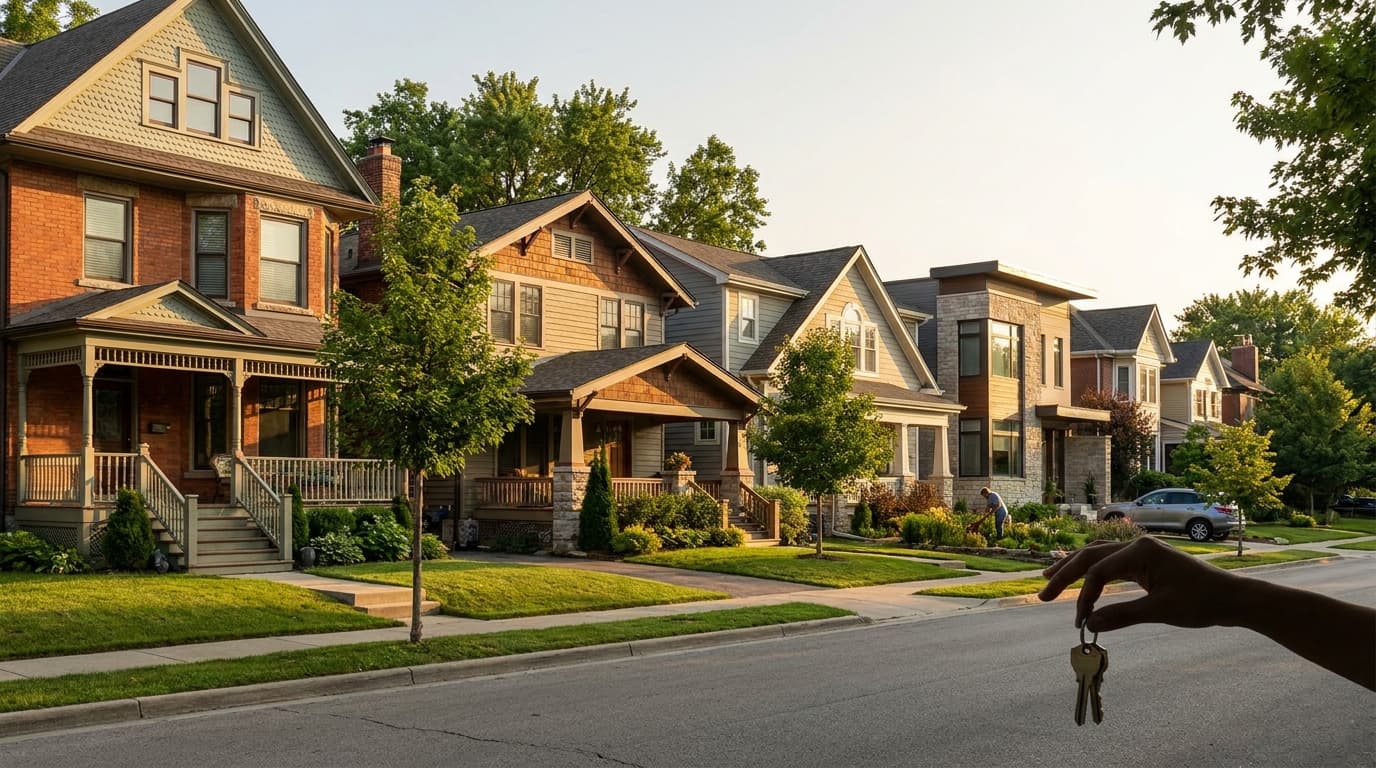
Housing discrimination is not a relic of the past. According to the National Fair Housing Alliance's 2023 Fair Housing Trends Report, over 33,000 housing discrimination complaints were filed across the United States in a single year — and experts believe the true number of violations is far higher, since the vast majority of discrimination goes unreported. For renters in Kansas, understanding exactly what protections exist — at the federal, state, and sometimes local level — can be the difference between losing a home and keeping it. Whether you're searching for an apartment in Wichita, renting a house in Overland Park, or looking for housing in a smaller rural community, the law is on your side in more ways than you might realize.
This guide breaks down the layers of anti-discrimination law that apply to Kansas renters, explains which groups are protected, outlines what landlord behaviors are illegal, and tells you exactly how to take action if you believe your rights have been violated. We'll also point out a few places where Kansas law goes further than federal law — and a few areas where Kansas renters may want to pay close attention because protections are more limited than in other states.
The Foundation: Federal Fair Housing Law
Before diving into Kansas-specific law, it's essential to understand the federal baseline. The Fair Housing Act of 1968 — amended significantly in 1988 — is a federal civil rights law that prohibits discrimination in the sale, rental, and financing of housing. It applies in all 50 states, including Kansas, and sets the minimum floor of protections that every renter is entitled to.
The Seven Protected Classes Under Federal Law
- Race — A landlord cannot refuse to rent to you, charge you different terms, or treat you differently because of your race.
- Color — Discrimination based on skin color, even within the same racial group, is prohibited.
- National Origin — A landlord cannot discriminate because of where you or your family are from.
- Religion — Your religious beliefs or practices cannot be used as a basis for housing decisions.
- Sex — This includes gender and, following the Supreme Court's 2020 Bostock v. Clayton County decision as extended by HUD guidance, sexual orientation and gender identity at the federal level.
- Familial Status — Landlords cannot refuse to rent to families with children under 18, pregnant women, or people in the process of securing legal custody of a child.
- Disability — Landlords must not discriminate against people with physical or mental disabilities, and must also provide reasonable accommodations and allow reasonable modifications.
Under federal law, prohibited actions include refusing to rent, setting different rental terms or conditions, providing different housing services, falsely claiming a unit is unavailable, publishing discriminatory advertisements, and retaliating against tenants who exercise their fair housing rights. Steering — the practice of directing renters toward or away from certain neighborhoods based on protected class status — is also illegal.
Kansas State Fair Housing Law: The Kansas Act Against Discrimination
At the state level, Kansas renters are protected by the Kansas Act Against Discrimination (KAAD), which is enforced by the Kansas Human Rights Commission (KHRC). The KAAD broadly prohibits discrimination in housing and largely mirrors the federal Fair Housing Act, but Kansas law has its own procedural mechanisms and its own enforcement agency, which means renters have two separate avenues to file complaints — more on that below.
The Kansas Human Rights Commission has jurisdiction over complaints involving housing, employment, and public accommodations. For housing specifically, the KHRC can investigate complaints, attempt to conciliate between parties, hold hearings, and issue remedies including damages and injunctive relief. The Commission is headquartered in Topeka and has historically handled hundreds of housing-related inquiries each year.
Protected Classes Under Kansas Law
The KAAD protects the same seven classes as federal law — race, color, religion, national origin, sex, disability, and familial status — and historically these have been the primary enforceable categories under state law. However, it's important to note that as of the time of writing, Kansas state law does not explicitly enumerate sexual orientation or gender identity as standalone protected classes in its statute, unlike states such as Colorado or California. That said, federal HUD guidance extending Bostock applies nationally, providing some level of federal protection for LGBTQ+ renters even where state law is silent. Kansas LGBTQ+ renters should be aware of this distinction and may want to file federal complaints if they believe they've experienced discrimination on these grounds.
Important for Kansas Renters: If you are LGBTQ+ and believe you've experienced housing discrimination in Kansas, you have federal protections through HUD even though Kansas state law does not explicitly list sexual orientation or gender identity as protected categories. File with HUD's Office of Fair Housing and Equal Opportunity (FHEO) at 1-800-669-9777.
What Discrimination Actually Looks Like: Real-World Examples
Housing discrimination is rarely as overt as a sign in a window. Modern discrimination is often subtle, systemic, or disguised behind pretextual reasons. Knowing what to look for is the first step in recognizing and reporting it.
Discriminatory Advertising
Advertising that signals a preference for or against a protected class is illegal. This includes phrases like 'ideal for single professionals' (which could be interpreted as excluding families with children), listing a property as 'Christian home' on a rental site, or specifying that a unit is not suitable for people with disabilities. Even subtle wording choices in a listing can rise to the level of a fair housing violation. Modern fair housing testing — where trained testers pose as potential renters — frequently catches these violations.
Application and Screening Discrimination
Landlords in Kansas are permitted to screen tenants using objective criteria such as credit scores, income thresholds (typically 2.5–3x monthly rent), and rental history. However, when those criteria are applied inconsistently — being strict with some applicants and lenient with others based on protected class — that is discrimination. A Kansas landlord who approves a white applicant with a 580 credit score but rejects a Black applicant with the same score has potentially committed a Fair Housing Act violation.
Disability Discrimination and Reasonable Accommodations
This is one of the most frequently misunderstood areas of fair housing law. Under both federal law and the KAAD, landlords are required to make reasonable accommodations for tenants with disabilities — meaning changes to rules, policies, or services that allow a person with a disability to have equal opportunity to use and enjoy a dwelling. They are also required to allow reasonable modifications — physical changes to the unit — though in most cases the tenant bears the cost.
- A landlord with a 'no pets' policy must make an exception for a verified emotional support animal (ESA) or service animal.
- A landlord must allow a tenant with mobility impairments to install a grab bar in the bathroom at the tenant's expense.
- A landlord must provide written communications in an accessible format if a tenant with a visual impairment requests it.
- A landlord must assign a parking space closer to the unit entrance if a tenant has a mobility disability, even if the policy is 'first come, first served.'
- A landlord cannot require a tenant to disclose the specific nature or diagnosis of their disability — only that they have a disability-related need for the accommodation.
Refusal to engage in the reasonable accommodation process at all — simply ignoring requests or denying them without discussion — is itself a violation of fair housing law. Kansas renters who have been denied reasonable accommodations should document all requests in writing and retain copies of all correspondence.
Familial Status Discrimination
Familial status discrimination is surprisingly common and often overlooked. Kansas landlords cannot refuse to rent to a family because they have children, limit families with children to certain units or floors, impose rules that effectively exclude children (like restricting 'noise' in ways that only impact families), or charge higher deposits for families with children. The only exception is housing that qualifies as 'housing for older persons' under the Housing for Older Persons Act (HOPA) — specifically communities where at least 80% of occupied units have one resident age 55 or older, with published policies demonstrating intent to be 55+ housing.
Local Protections: Does Your Kansas City Have Additional Rules?
Kansas municipalities have the authority to enact their own fair housing ordinances that go beyond state law, though not all do. Kansas City, Kansas (KCK), for example, has historically maintained its own human relations commission and fair housing provisions. Wichita, the state's largest city, similarly has local ordinances and a human relations department that handles discrimination complaints at the city level.
If you live in a larger Kansas city, it is worth checking with your city's human relations or civil rights office to understand whether local ordinances provide additional protections — such as source of income protections (which would prevent landlords from refusing Section 8 vouchers) or expanded protections for additional classes. As of the time of this writing, Kansas state law does not include source of income as a protected class, meaning landlords statewide can legally refuse to accept housing vouchers unless a local ordinance says otherwise. This is a meaningful gap for low-income renters and housing advocates continue to push for change on this front.
Kansas City, Kansas renters: Contact the Unified Government's Human Relations Division at (913) 573-5100 to inquire about local fair housing protections that may apply to your situation in addition to state and federal law.
Retaliation: A Separate But Related Protection
One of the most important but least discussed aspects of fair housing law is anti-retaliation protection. Under both federal law and Kansas law, a landlord cannot retaliate against a tenant for exercising their fair housing rights. This means that if you file a fair housing complaint, or even just threaten to do so, your landlord cannot respond by raising your rent, attempting to evict you, refusing to make repairs, harassing you, or otherwise changing the terms of your tenancy in a negative way.
Retaliation is one of the hardest things to prove but also one of the most damaging experiences a renter can face. The key is timing and documentation. If a landlord takes adverse action within days or weeks of you asserting your rights, that temporal proximity can be powerful circumstantial evidence. Keep records of everything — emails, text messages, repair requests, and any verbal conversations documented in writing immediately after they occur.
How to File a Fair Housing Complaint in Kansas
If you believe you have experienced housing discrimination in Kansas, you have multiple options for filing a complaint, and you do not need a lawyer to do so. Here's a breakdown of your options.
- 1File with the Kansas Human Rights Commission (KHRC): You can file a housing discrimination complaint with the KHRC online, by mail, or in person at their Topeka office at Landon State Office Building, 900 SW Jackson, Suite 568-S, Topeka, KS 66612. The KHRC can be reached at (785) 296-3206. You generally have 180 days from the discriminatory act to file with the KHRC.
- 2File with HUD's Office of Fair Housing and Equal Opportunity (FHEO): You can file a federal complaint at hud.gov/fairhousing or by calling 1-800-669-9777. The deadline to file with HUD is one year from the discriminatory act — a longer window than the state complaint period. HUD will investigate and may refer the case to the Department of Justice.
- 3File in Federal or State Court: You also have the right to file a lawsuit in federal district court or Kansas state court. The statute of limitations for a private Fair Housing Act lawsuit in federal court is two years from the discriminatory act. Consulting with a fair housing attorney before pursuing this route is strongly recommended.
- 4Contact a Local Fair Housing Organization: Organizations like the Kansas City-based nonprofit fair housing groups and legal aid organizations such as Kansas Legal Services (1-800-723-6953) can provide free or low-cost help understanding your rights and navigating the complaint process.
- 5Document Everything First: Before filing, gather all relevant documentation — lease agreements, denial letters, application records, written communications, and a detailed written account of what happened with specific dates and times. The strength of your complaint depends heavily on documentation.
What Remedies Are Available?
If a housing discrimination complaint is substantiated, the remedies available in Kansas can be significant. Through the KHRC or HUD administrative process, complainants may be entitled to actual damages (including out-of-pocket expenses and damages for emotional distress), injunctive relief (requiring the landlord to stop discriminatory practices), civil penalties assessed against the landlord, and attorney's fees. In cases that go to court, punitive damages are also available under the federal Fair Housing Act — and there is no cap on punitive damages in Fair Housing Act cases, a reflection of how seriously Congress took housing discrimination when crafting the law.
Common Myths About Fair Housing in Kansas
Misinformation about fair housing rights is widespread, and believing myths can cause renters to miss their window to take action. Let's clear up the most common ones.
Myth: 'The landlord owns the property, so they can rent to whoever they want.'
False. While private property rights are important in American law, they do not override federal and state civil rights protections. A landlord's right to choose tenants ends where the Fair Housing Act and the KAAD begin. This has been settled law since the Supreme Court upheld the Fair Housing Act in Jones v. Alfred H. Mayer Co. (1968).
Myth: 'Discrimination has to be intentional to be illegal.'
False. Housing discrimination law recognizes both disparate treatment (intentional discrimination) and disparate impact (facially neutral policies that disproportionately harm protected classes). For example, a blanket ban on renting to anyone with a criminal record might seem neutral, but if it disproportionately screens out applicants of a particular race, it can constitute unlawful disparate impact discrimination under the Fair Housing Act, as clarified by HUD's 2016 guidance on criminal records.
Myth: 'I need a lawyer to file a fair housing complaint.'
False. Both the KHRC and HUD have processes designed for complainants to file without legal representation. That said, consulting a fair housing attorney or legal aid organization is always advisable to understand your options fully, especially if you are considering litigation.
Myth: 'Small landlords with only a few units are exempt.'
Partially true, but narrow. Federal law provides a very limited exemption for owner-occupied buildings with four or fewer units (the 'Mrs. Murphy' exemption), but this exemption does not apply if discriminatory advertising is used. It also does not apply to the Kansas Act Against Discrimination, which has its own scope. For the vast majority of rental situations in Kansas — apartment complexes, single-family homes managed by landlords who don't live on-site — there are no exemptions.
Practical Steps Every Kansas Renter Should Take
Whether you're actively experiencing discrimination or simply want to protect yourself, these practical steps can make a real difference.
- 1Know your protected classes: Familiarize yourself with the seven federal protected classes and confirm which local ordinances apply in your city or county.
- 2Put everything in writing: When communicating with your landlord — especially about accommodation requests, complaints, or anything where your legal rights are relevant — use email or written communication so there's a record.
- 3Request receipts and written denials: If you are denied housing, you are entitled to ask why. Request any denial in writing. Landlords are not always legally required to explain a denial, but a written explanation can either confirm legitimate reasons or reveal discriminatory intent.
- 4Take dated notes immediately: If you experience something you think may be discriminatory, write down exactly what happened, what was said, and by whom, with the specific date and time. These contemporaneous notes can be critical evidence.
- 5Contact Kansas Legal Services if you need help: Kansas Legal Services provides free civil legal assistance to low-income Kansans and can help you understand your rights and navigate the complaint process. Call 1-800-723-6953 or visit kansaslegalservices.org.
- 6Don't wait: Both state and federal complaint deadlines start from the date of the discriminatory act — 180 days for the KHRC, one year for HUD. If you miss these windows, you lose your administrative complaint rights, though you may still have time to file in court.
How Technology Is Changing Fair Housing Enforcement
It's worth noting that housing technology — including platforms landlords use to screen tenants — has come under increased scrutiny from fair housing regulators. Algorithmic screening tools that use AI to evaluate rental applications can perpetuate discrimination if they are trained on biased historical data. HUD and multiple state agencies have issued guidance making clear that landlords cannot hide behind algorithms to escape fair housing liability. If an AI screening tool produces discriminatory outcomes, the landlord remains responsible.
At VerticalRent, our AI risk scoring for rental applications is designed with fairness in mind, applying consistent, transparent criteria across all applicants. Landlords using our platform can evaluate applicants based on legitimate factors like credit history, income verification through our TransUnion partnership, and rental history — without the inconsistency and unconscious bias that manual processes often introduce. Transparency and consistency in screening is not just good practice; it's the law.
For Renters: If you are applying for housing through a property managed on VerticalRent, you have the right to understand what criteria are being used to evaluate your application. Consistent, documented screening criteria are a hallmark of fair housing compliance — and VerticalRent's platform is built to support that transparency.
A Note on Section 8 and Housing Vouchers in Kansas
As mentioned earlier, Kansas state law currently does not include source of income as a protected class. This means that, absent a local ordinance, a Kansas landlord can legally decline to participate in the Section 8 Housing Choice Voucher program. This is a significant issue in housing access for low-income renters, and it disproportionately impacts communities of color — raising intersecting fair housing concerns even if the formal legal framework doesn't yet address source of income directly.
If you hold a housing voucher and are having difficulty finding a participating landlord in Kansas, contact your local Public Housing Authority (PHA) for a list of participating landlords. In Wichita, that's the Wichita Housing Authority at (316) 462-3700. In Kansas City, Kansas, contact the Housing Authority of Kansas City at (913) 281-3300. Fair housing advocates in Kansas continue to push for legislative change on this issue.
Resources for Kansas Renters Facing Discrimination
- Kansas Human Rights Commission (KHRC): (785) 296-3206 | khrc.net — State agency for filing housing discrimination complaints
- HUD Office of Fair Housing and Equal Opportunity: 1-800-669-9777 | hud.gov/fairhousing — Federal complaint filing and resources
- Kansas Legal Services: 1-800-723-6953 | kansaslegalservices.org — Free civil legal help for income-eligible Kansans
- National Fair Housing Alliance: nationalfairhousing.org — National advocacy and resources
- Wichita Human Relations Department: (316) 268-4674 — Local fair housing assistance for Wichita residents
- Unified Government Human Relations Division (KCK): (913) 573-5100 — Local assistance for Kansas City, Kansas residents
- Kansas Appleseed Center for Law and Justice: kansasappleseed.org — Advocacy organization covering housing and civil rights in Kansas
Final Thoughts: Your Rights Are Worth Defending
Housing discrimination in Kansas — as everywhere in the United States — remains a real and ongoing challenge. The National Fair Housing Alliance estimates that for every formal complaint filed, dozens of violations go unreported because tenants don't know their rights, fear retaliation, or believe nothing will be done. But the legal framework protecting Kansas renters is real, enforceable, and has genuine teeth. Understanding your rights under the Fair Housing Act, the Kansas Act Against Discrimination, and any applicable local ordinances is the most powerful tool you have.
You do not have to face housing discrimination alone, and you do not need to be wealthy or well-connected to access justice. The resources outlined in this article — from the KHRC to Kansas Legal Services — exist precisely to help renters who have been treated unfairly. Take your time to understand the process, document everything carefully, and don't let deadlines slip by. Every Kansan deserves a safe, stable home — and the law is on your side.
Are you a landlord in Kansas committed to fair, transparent, and legally compliant tenant screening? VerticalRent's AI-powered platform — including risk scoring, state-compliant lease generation, and TransUnion-backed tenant screening — is built to help independent landlords do things right. Fair housing compliance isn't just the law; it's good business. Visit VerticalRent.com to learn more and start your free trial today.
**Legal Disclaimer** *The information in this article is provided for educational purposes only and does not constitute legal advice. Tenant-landlord laws vary significantly by state, county, and city and may have changed since this article was written. VerticalRent is not a law firm and the author is not an attorney. If you have a specific legal situation, please consult a licensed attorney in your jurisdiction.*
Put this into practice
VerticalRent tools related to this guide
Legal Disclaimer
VerticalRent and its authors are not attorneys, CPAs, or licensed legal or financial advisors, and nothing on this site constitutes legal, tax, or professional advice. The information in this article is provided for general educational purposes only. Landlord-tenant laws, eviction procedures, security deposit rules, and tax regulations vary significantly by state, county, and municipality — and change frequently. Nothing on this site creates an attorney-client relationship. Always consult a licensed attorney or qualified professional in your jurisdiction before taking any action based on information you read here.
Co-founded VerticalRent in 2011, growing it from nothing to 100k landlords and renters. Sold it in 2019, then re-acquired it in 2026 to make it better than ever.


